Institut de Biotecnologia i de Biomedicina, Universitat Autònoma de Barcelona, Bellaterra, Spain.
PLoS One. 2013;8(3):e58297. doi: 10.1371/journal.pone.0058297. Epub 2013 Mar 7.
Protein aggregation is linked to the onset of an increasing number of human nonneuropathic (either localized or systemic) and neurodegenerative disorders. In particular, misfolding of native α-helical structures and their self-assembly into nonnative intermolecular β-sheets has been proposed to trigger amyloid fibril formation in Alzheimer's and Parkinson's diseases.
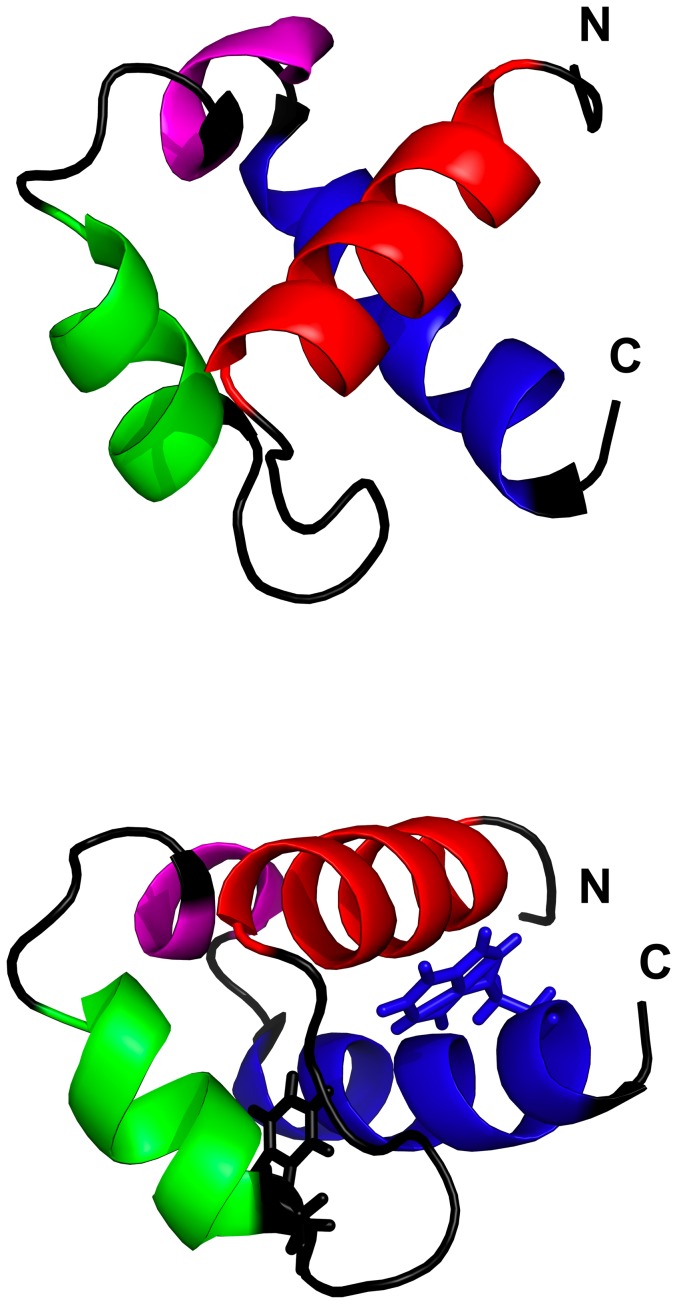
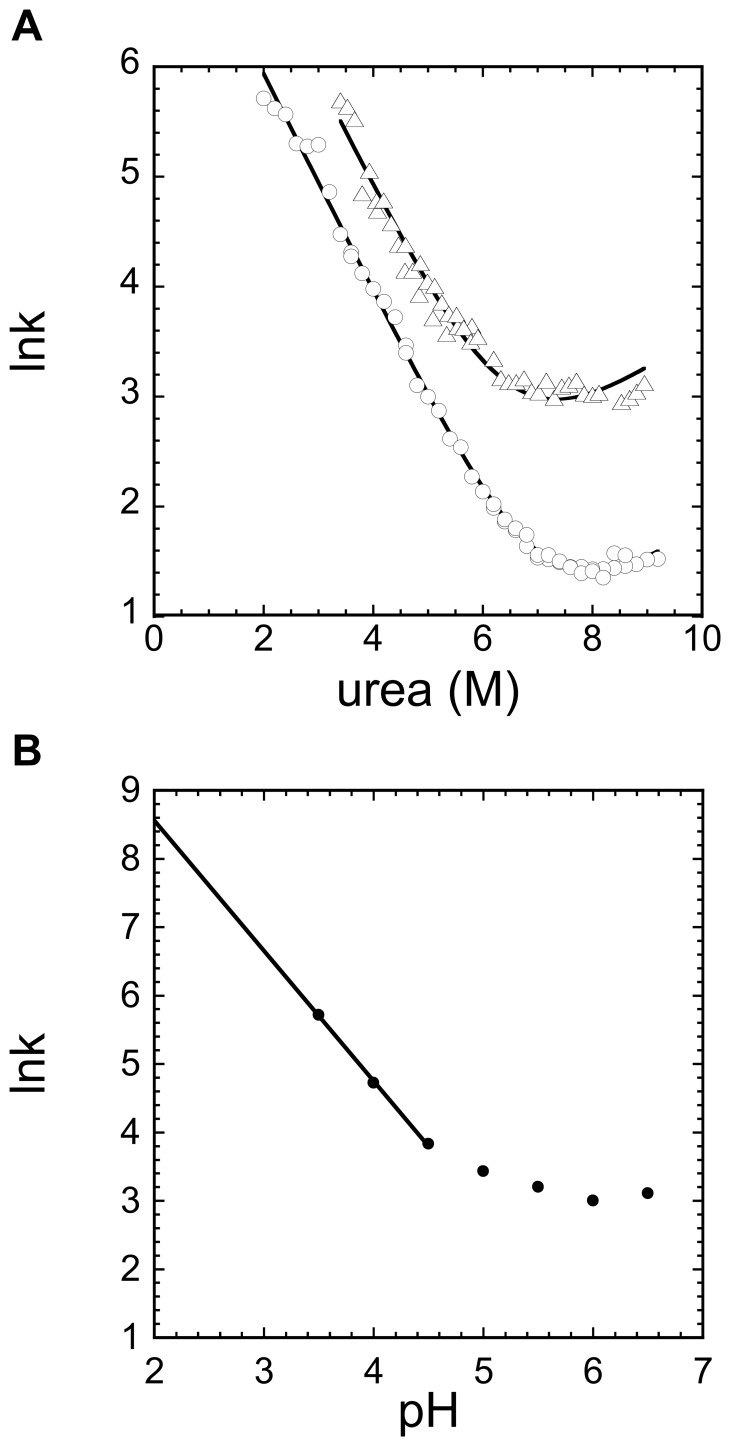
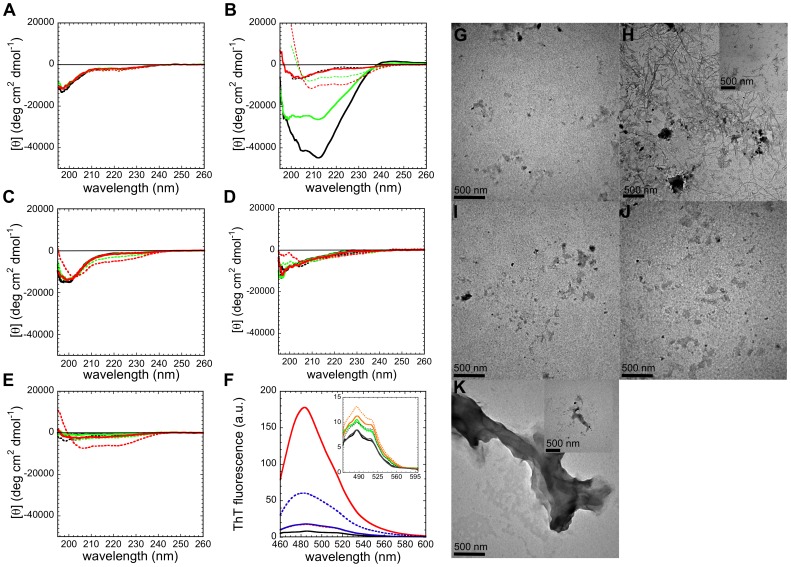
Here, we use a battery of biophysical techniques to elucidate the conformational conversion of native α-helices into amyloid fibrils using an all-α FF domain as a model system.
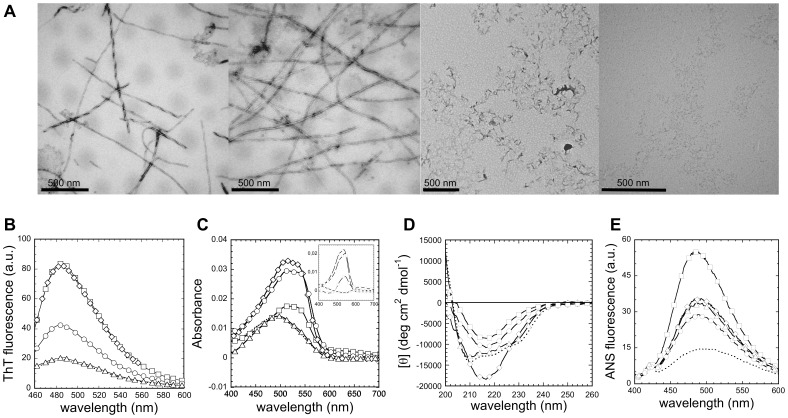
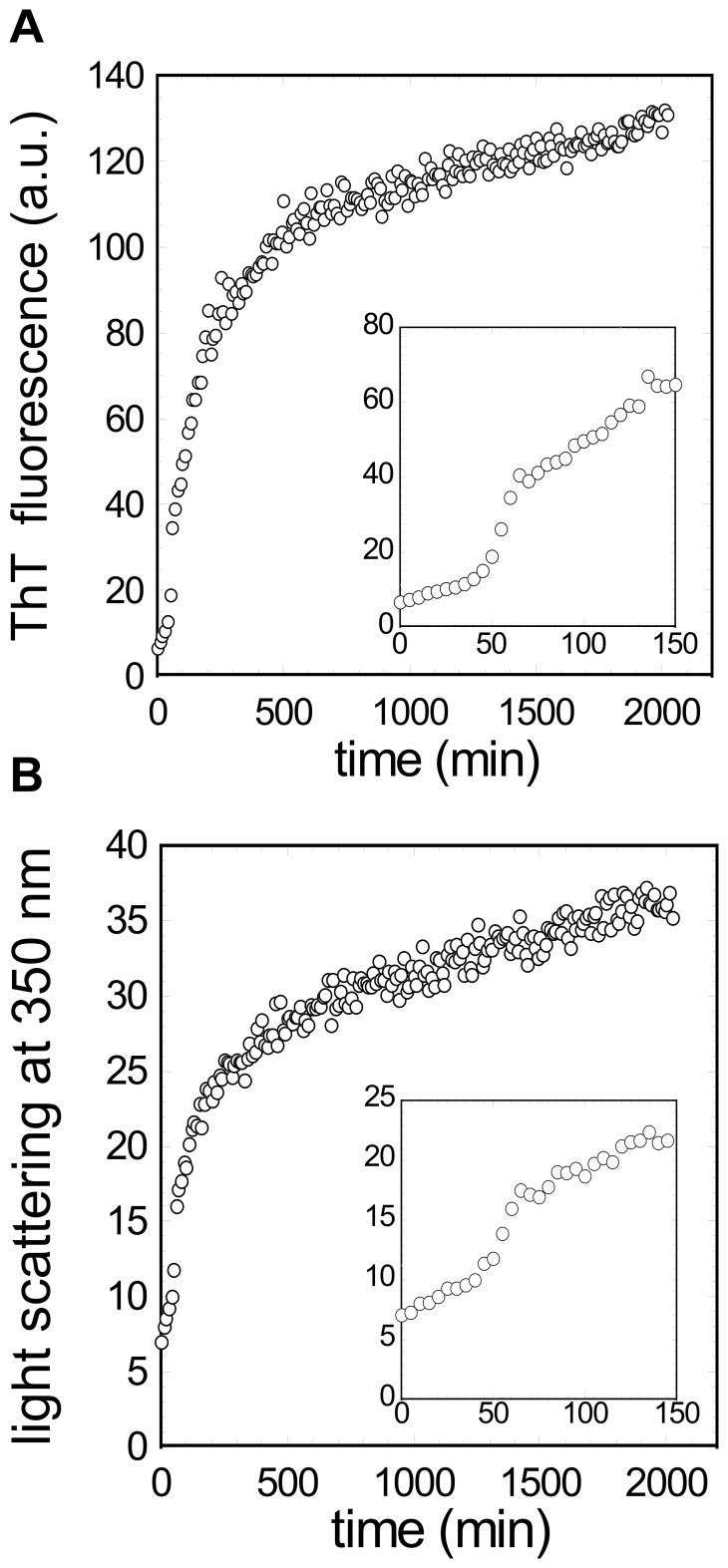
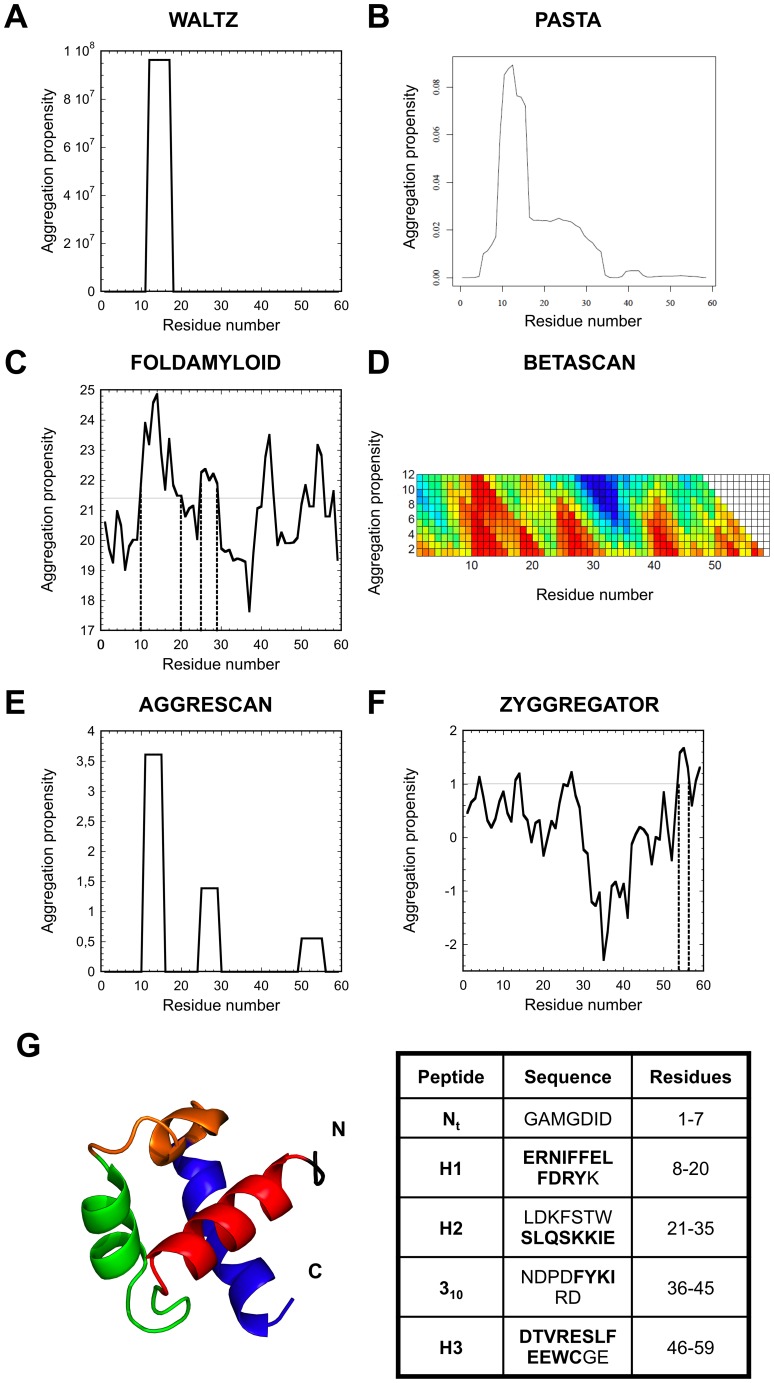
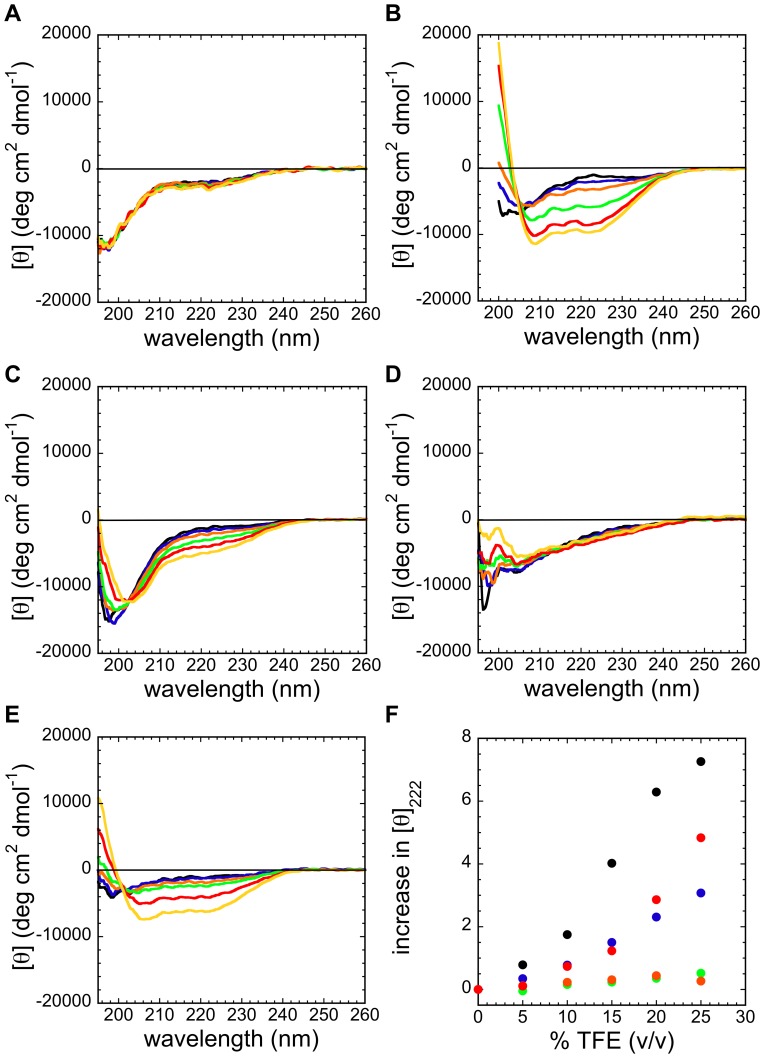
We show that under mild denaturing conditions at low pH this FF domain self-assembles into amyloid fibrils. Theoretical and experimental dissection of the secondary structure elements in this domain indicates that the helix 1 at the N-terminus has both the highest α-helical and amyloid propensities, controlling the transition between soluble and aggregated states of the protein.
The data illustrates the overlap between the propensity to form native α-helices and amyloid structures in protein segments.
The results presented contribute to explain why proteins cannot avoid the presence of aggregation-prone regions and indeed use stable α-helices as a strategy to neutralize such potentially deleterious stretches.
蛋白质聚集与越来越多的人类非神经病变(局部或全身)和神经退行性疾病的发生有关。特别是,天然α-螺旋结构的错误折叠及其自身组装成非天然的分子间β-折叠,被认为是阿尔茨海默病和帕金森病中淀粉样纤维形成的触发因素。
在这里,我们使用一系列生物物理技术,使用全α FF 结构域作为模型系统,阐明天然α-螺旋向淀粉样纤维的构象转换。
我们表明,在低 pH 值的温和变性条件下,该 FF 结构域会自组装成淀粉样纤维。对该结构域中二级结构元件的理论和实验分析表明,N 端的螺旋 1 具有最高的α-螺旋和淀粉样倾向,控制着蛋白质在可溶性和聚集状态之间的转变。
这些数据说明了蛋白质片段中形成天然α-螺旋和淀粉样结构的倾向之间的重叠。
所呈现的结果有助于解释为什么蛋白质不能避免聚集倾向区域的存在,并且实际上使用稳定的α-螺旋作为中和这种潜在有害伸展的策略。