1. Department of Stem Cell and Developmental Biology, Cell Science Research Center, Royan Institute for Stem Cell Biology and Technology, ACECR, Tehran, Iran.
Cell J. 2011 Summer;13(2):117-26. Epub 2011 Aug 24.
Cartilage mass produced from mesenchymal stem cell (MSC) differentiation would be a suitable candidate for use in regenerative medicine. Since the proper function of cartilage tissue is largely dependent on matrix glycosaminoglycan (GAG) contents, the objective of this study was to investigate the enhancing effect of two GSK3 inhibitors on the GAG content of cartilage produced by human marrow MSCs in vitro chondrogenesis.
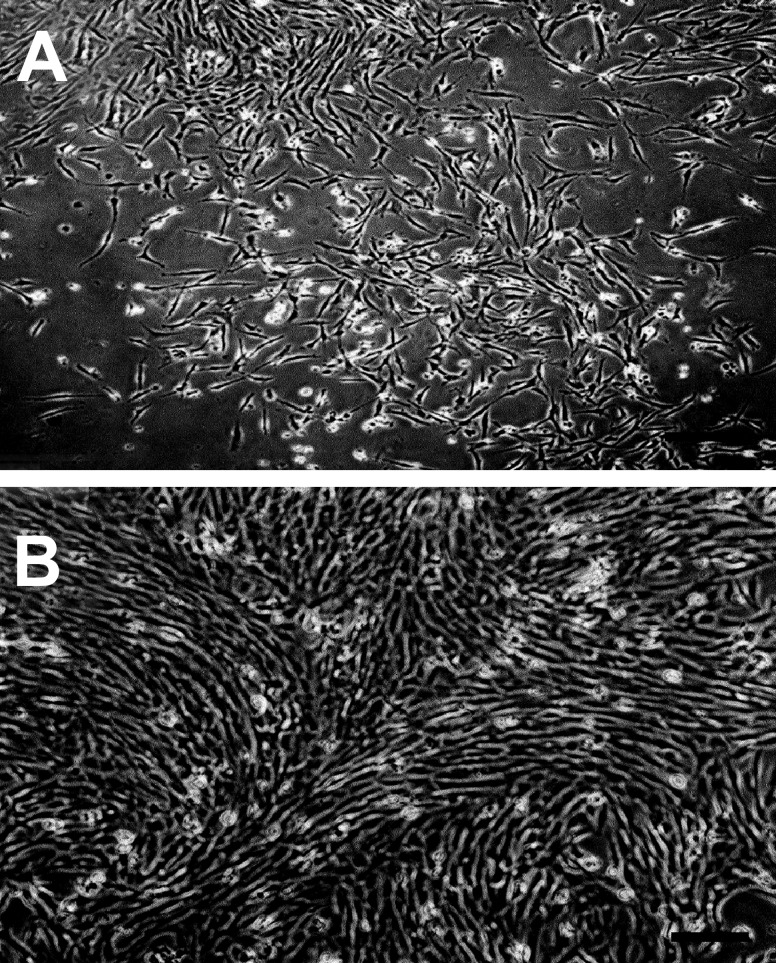
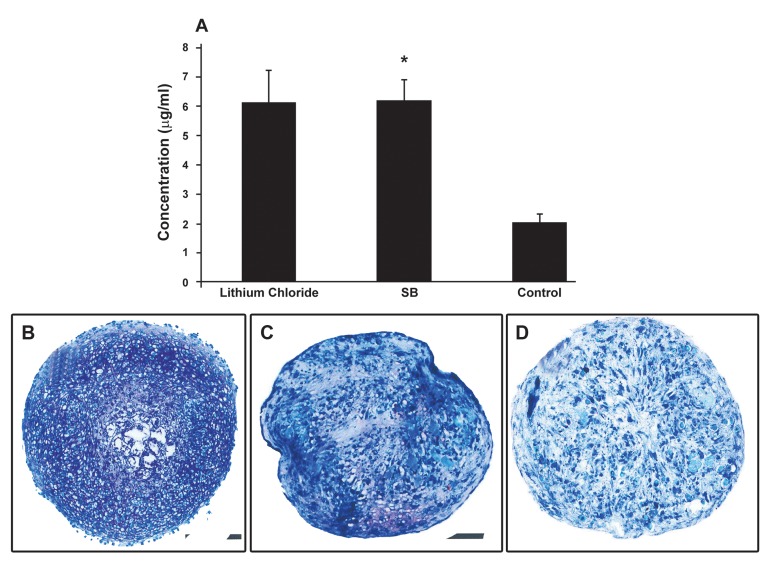
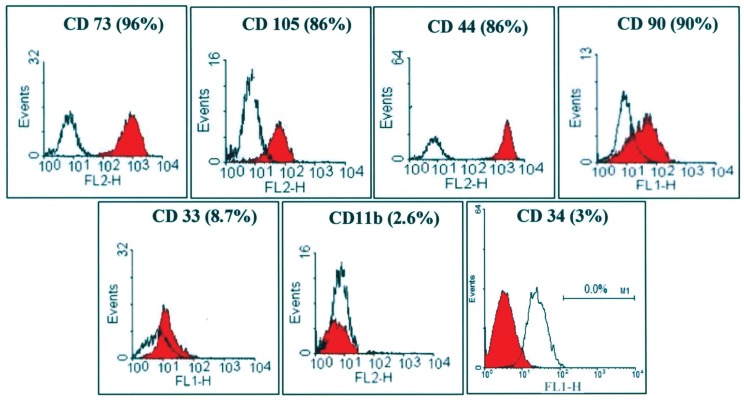
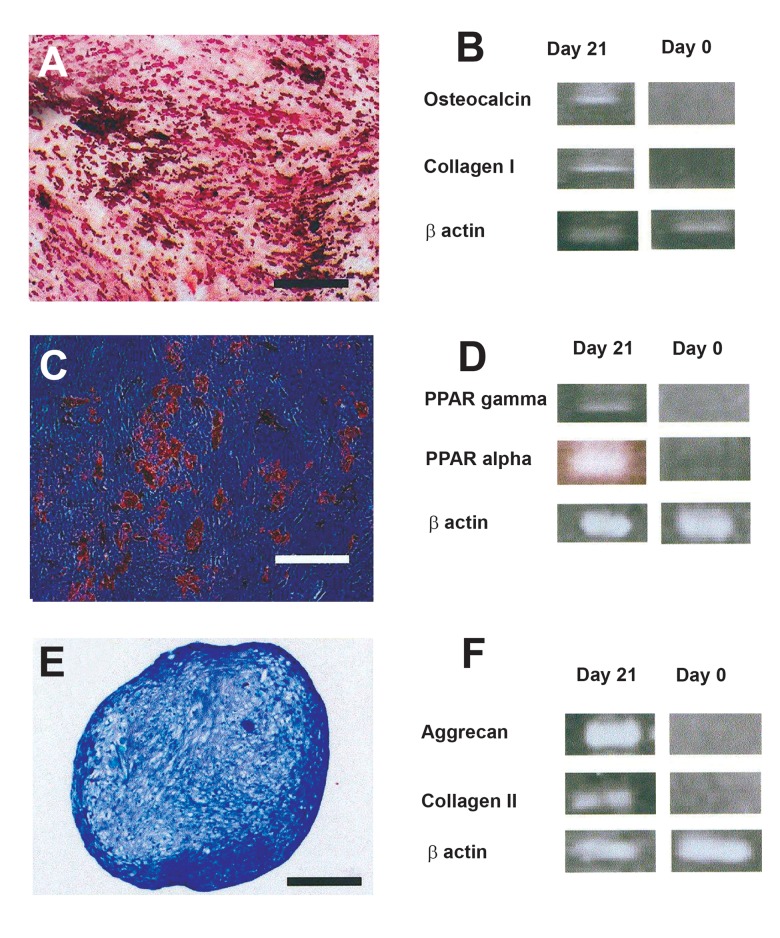
MSCs that were used in this experimental study were derived from human marrow aspirates and confirmed using standard assays. Optimal concentrations of Lithium chloride and SB216763 were determined based on the yield of viable cell numbers in MSC cultures treated with varying concentrations of either Lithium chloride or SB216763. Passaged-3 MSCs were then centrifuged into small aggregates and provided with a chondrogenic medium supplemented with either lithium or SB216763 reagent at the optimal concentration determined in the previous experiment. Three weeks after, GAG contents of the culture were quantified and compared to each other and the control.
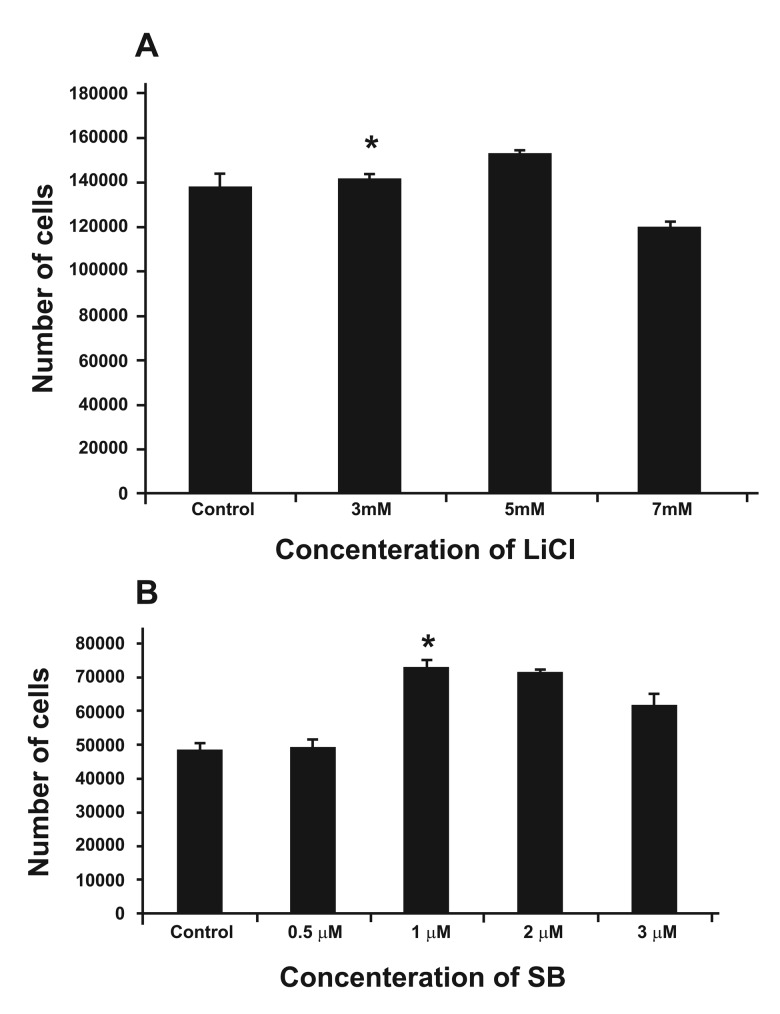
According to our data, the cultures treated with 5 mM Lithium and 1 µM SB216763 tended to have comparatively more viable cells; therefore these concentrations were used in the differentiation experiments. The addition of either SB216763 or lithium to chondrogenic cultures appeared to significantly enhance cartilage matrix production. In SB216763 and Lithium-treated cultures average GAG concentrations were 6.17 ± 0.7 and 6.12 ± 1.1 µg/ml compared to 2.00 ± 0.3 µg/ml in the control (p<0.05).
Using SB216763 and Lithium as supplements in human marrow MSC chondrogenic culture can lead to the production of cartilage mass high in GAG content.
间充质干细胞(MSC)分化产生的软骨质量将是再生医学中应用的合适候选物。由于软骨组织的适当功能在很大程度上取决于基质糖胺聚糖(GAG)含量,因此本研究的目的是研究两种 GSK3 抑制剂对人骨髓 MSC 体外软骨生成中产生的软骨 GAG 含量的增强作用。
本实验研究中使用的 MSC 源自人骨髓抽吸物,并通过标准测定方法进行了确认。根据不同浓度的氯化锂或 SB216763 处理的 MSC 培养物中活细胞数量的产量,确定了氯化锂和 SB216763 的最佳浓度。然后,将传代 3 的 MSC 离心成小聚集体,并在先前实验中确定的最佳浓度下,用补充有锂或 SB216763 试剂的软骨形成培养基提供。 3 周后,定量比较培养物的 GAG 含量,并与对照组进行比较。
根据我们的数据,用 5mM 氯化锂和 1µM SB216763 处理的培养物中细胞的存活率较高;因此,这些浓度用于分化实验。在软骨形成培养物中添加 SB216763 或锂似乎可显著增强软骨基质的产生。在 SB216763 和锂处理的培养物中,GAG 浓度的平均值分别为 6.17±0.7 和 6.12±1.1µg/ml,而对照组为 2.00±0.3µg/ml(p<0.05)。
在人骨髓 MSC 软骨形成培养物中使用 SB216763 和锂作为补充剂可导致产生富含 GAG 的软骨质量。