State Key Laboratory of Virology, College of Life Sciences, Wuhan University, Wuhan, China.
PLoS One. 2013;8(3):e57529. doi: 10.1371/journal.pone.0057529. Epub 2013 Mar 22.
Serine protease inhibitors act as modulators of serine proteases, playing important roles in protecting animal toxin peptides from degradation. However, all known serine protease inhibitors discovered thus far from animal venom belong to the Kunitz-type subfamily, and whether there are other novel types of protease inhibitors in animal venom remains unclear.
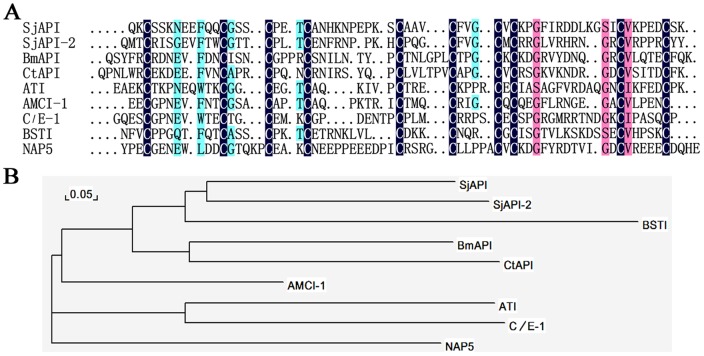
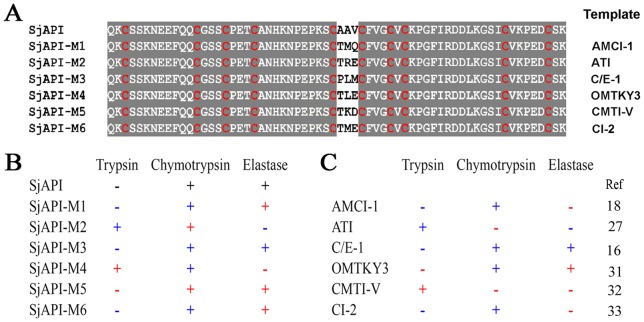
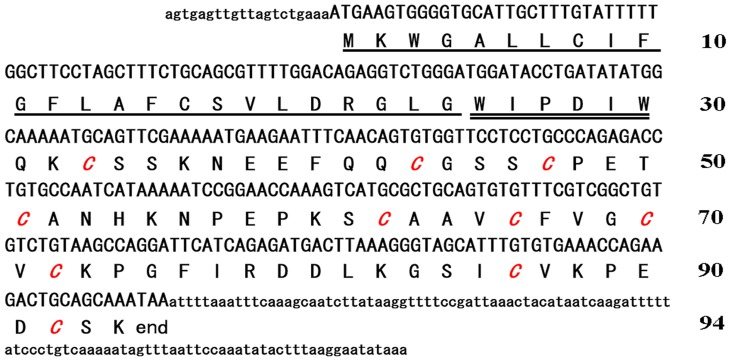
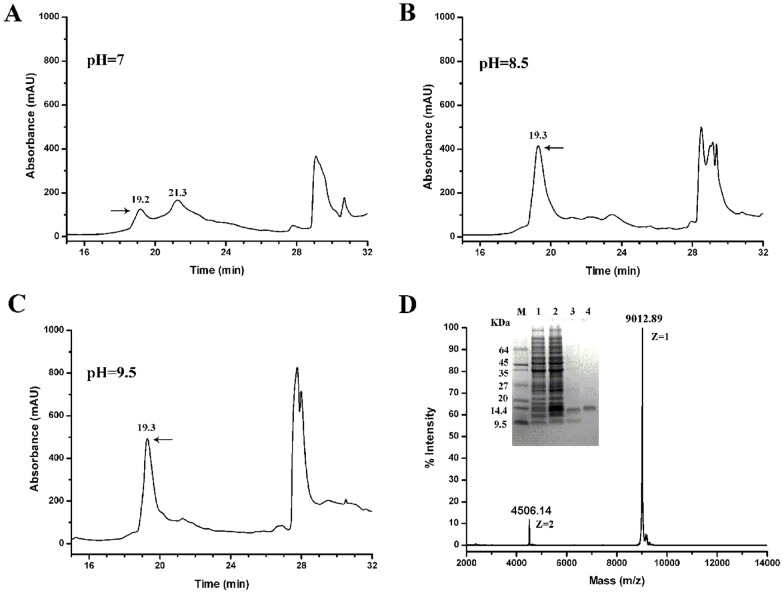
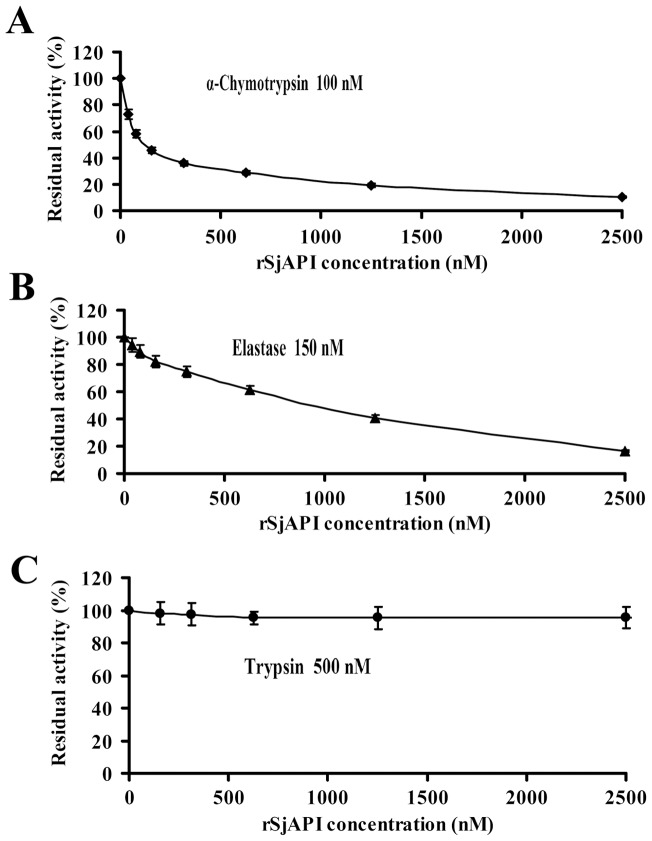
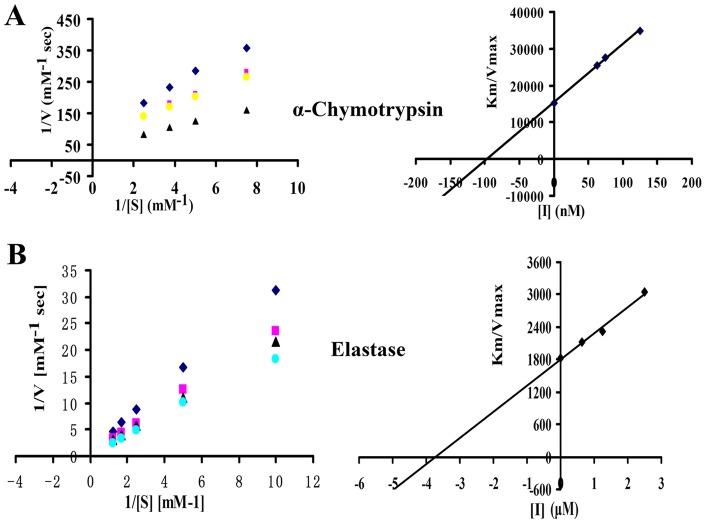
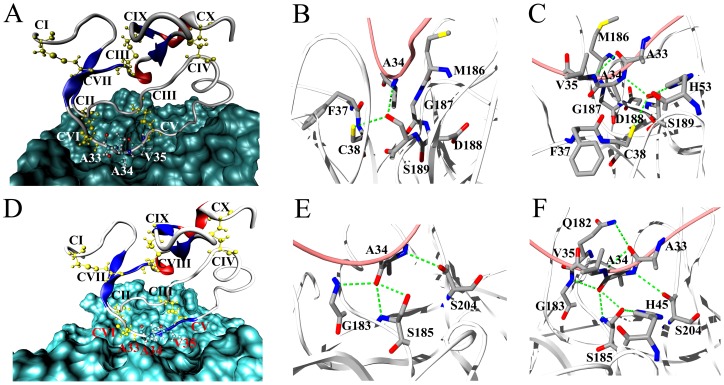
Here, by screening scorpion venom gland cDNA libraries, we identified the first Ascaris-type animal toxin family, which contains four members: Scorpiops jendeki Ascaris-type protease inhibitor (SjAPI), Scorpiops jendeki Ascaris-type protease inhibitor 2 (SjAPI-2), Chaerilus tricostatus Ascaris-type protease inhibitor (CtAPI), and Buthus martensii Ascaris-type protease inhibitor (BmAPI). The detailed characterization of Ascaris-type peptide SjAPI from the venom gland of scorpion Scorpiops jendeki was carried out. The mature peptide of SjAPI contains 64 residues and possesses a classical Ascaris-type cysteine framework reticulated by five disulfide bridges, different from all known protease inhibitors from venomous animals. Enzyme and inhibitor reaction kinetics experiments showed that recombinant SjAPI was a dual function peptide with α-chymotrypsin- and elastase-inhibiting properties. Recombinant SjAPI inhibited α-chymotrypsin with a Ki of 97.1 nM and elastase with a Ki of 3.7 μM, respectively. Bioinformatics analyses and chimera experiments indicated that SjAPI contained the unique short side chain functional residues "AAV" and might be a useful template to produce new serine protease inhibitors.
CONCLUSIONS/SIGNIFICANCE: To our knowledge, SjAPI is the first functionally characterized animal toxin peptide with an Ascaris-type fold. The structural and functional diversity of animal toxins with protease-inhibiting properties suggested that bioactive peptides from animal venom glands might be a new source of protease inhibitors, which will accelerate the development of diagnostic and therapeutic agents for human diseases that target diverse proteases.
丝氨酸蛋白酶抑制剂作为丝氨酸蛋白酶的调节剂,在保护动物毒素肽免受降解方面发挥着重要作用。然而,迄今为止从动物毒液中发现的所有已知丝氨酸蛋白酶抑制剂都属于 Kunitz 型亚家族,动物毒液中是否存在其他新型蛋白酶抑制剂尚不清楚。
通过筛选蝎子毒液腺 cDNA 文库,我们鉴定了第一个 Ascaris 型动物毒素家族,该家族包含四个成员:Scorpiops jendeki Ascaris 型蛋白酶抑制剂(SjAPI)、Scorpiops jendeki Ascaris 型蛋白酶抑制剂 2(SjAPI-2)、Chaerilus tricostatus Ascaris 型蛋白酶抑制剂(CtAPI)和 Buthus martensii Ascaris 型蛋白酶抑制剂(BmAPI)。详细研究了蝎子毒液腺中 Ascaris 型肽 SjAPI 的特性。SjAPI 的成熟肽含有 64 个残基,具有由五个二硫键构成的经典 Ascaris 型半胱氨酸框架,与所有已知的来自毒液动物的蛋白酶抑制剂不同。酶和抑制剂反应动力学实验表明,重组 SjAPI 是一种具有α-糜蛋白酶和弹性蛋白酶抑制特性的双重功能肽。重组 SjAPI 对 α-糜蛋白酶的 Ki 为 97.1 nM,对弹性蛋白酶的 Ki 为 3.7 μM。生物信息学分析和嵌合体实验表明,SjAPI 含有独特的短侧链功能残基“AAV”,可能是产生新型丝氨酸蛋白酶抑制剂的有用模板。
结论/意义:据我们所知,SjAPI 是第一个具有功能特征的 Ascaris 型折叠的动物毒素肽。具有蛋白酶抑制特性的动物毒素的结构和功能多样性表明,来自动物毒液腺的生物活性肽可能是蛋白酶抑制剂的新来源,这将加速开发针对多种蛋白酶的人类疾病的诊断和治疗药物。