Division of Infectious Diseases, Department of Internal Medicine, Center for AIDS Research, University of North Carolina at Chapel Hill, Chapel Hill, North Carolina, United States of America.
PLoS Pathog. 2013 Mar;9(3):e1003242. doi: 10.1371/journal.ppat.1003242. Epub 2013 Mar 28.
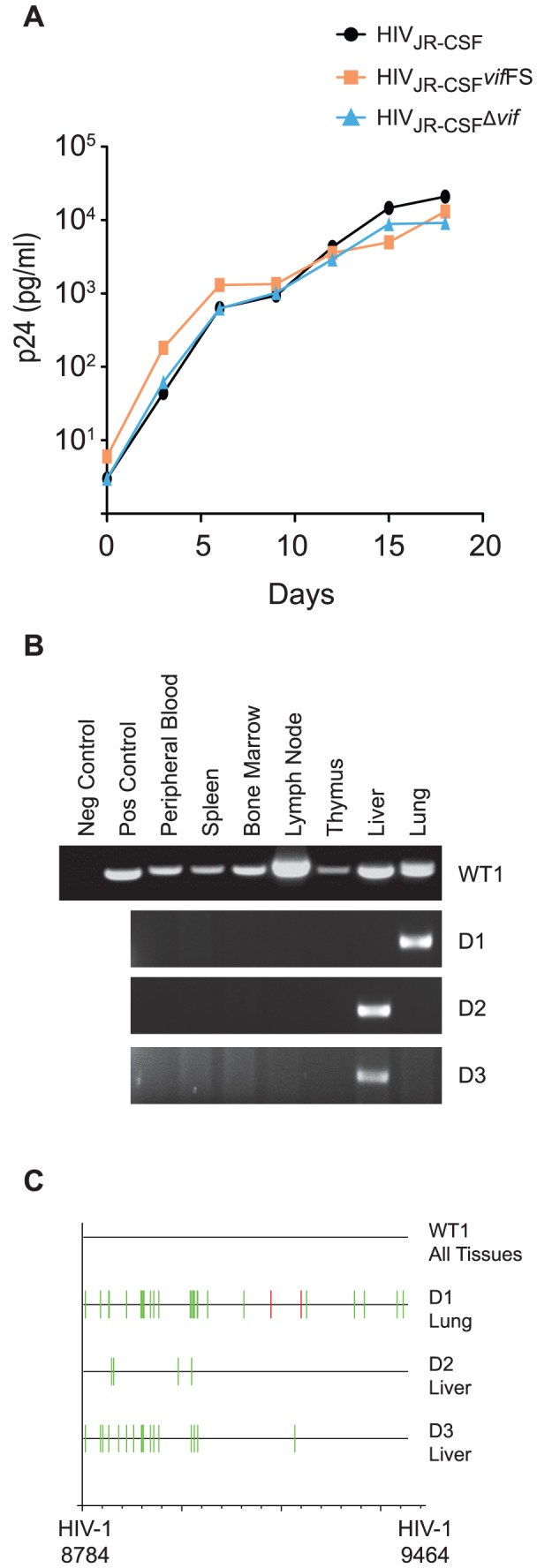
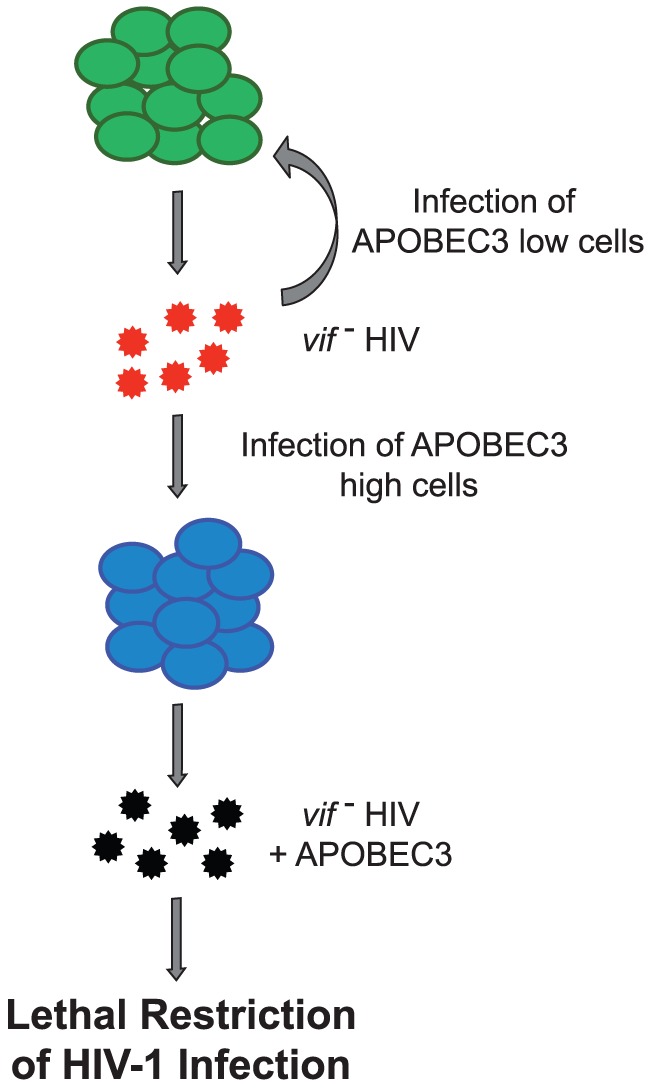
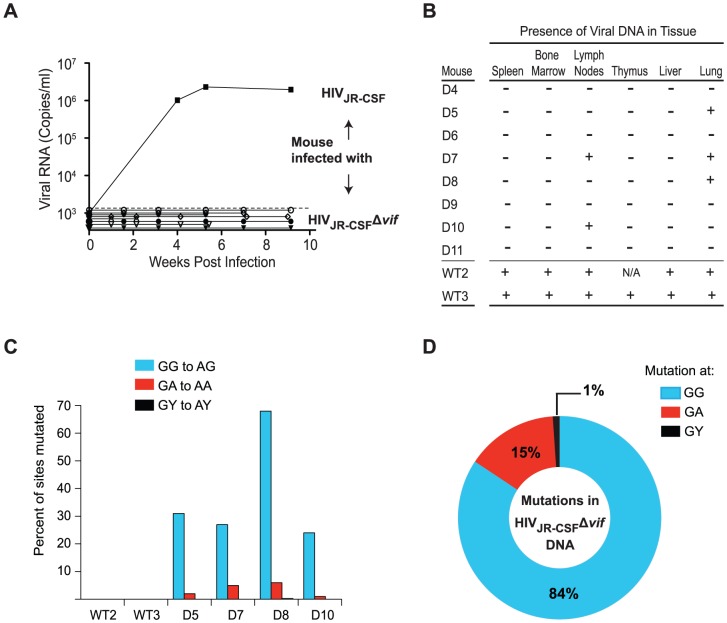
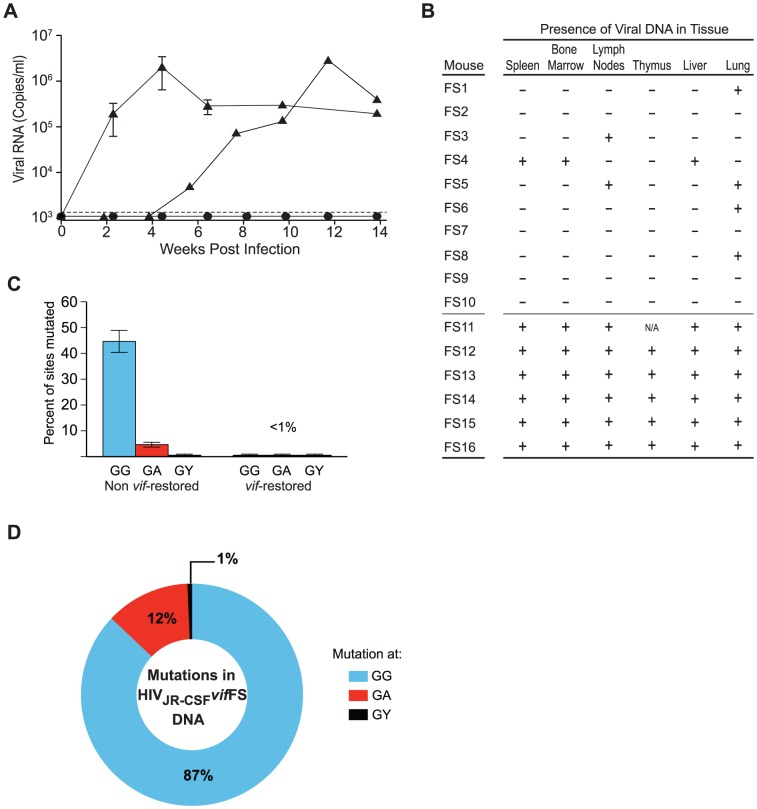
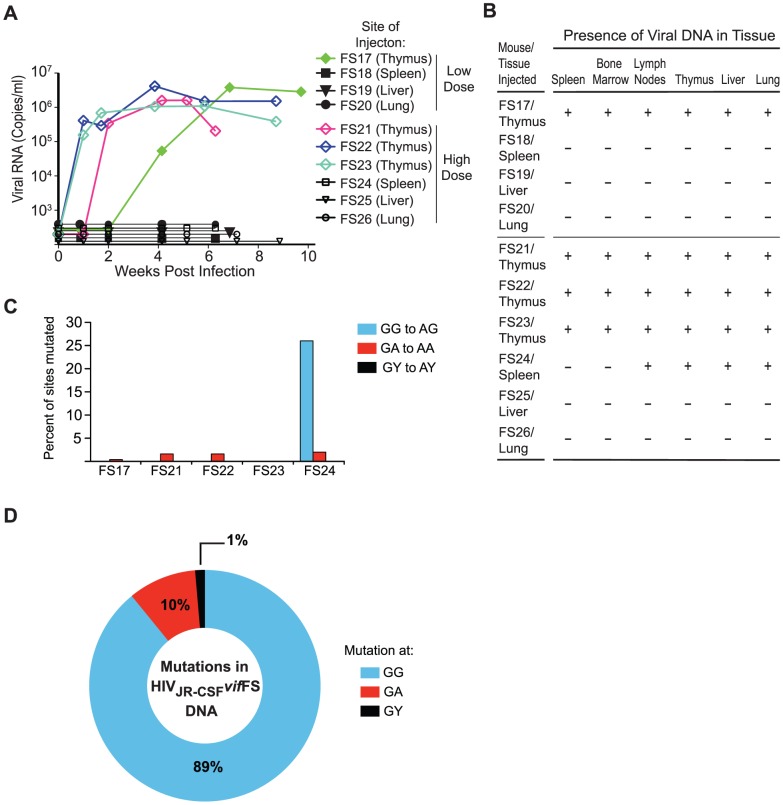
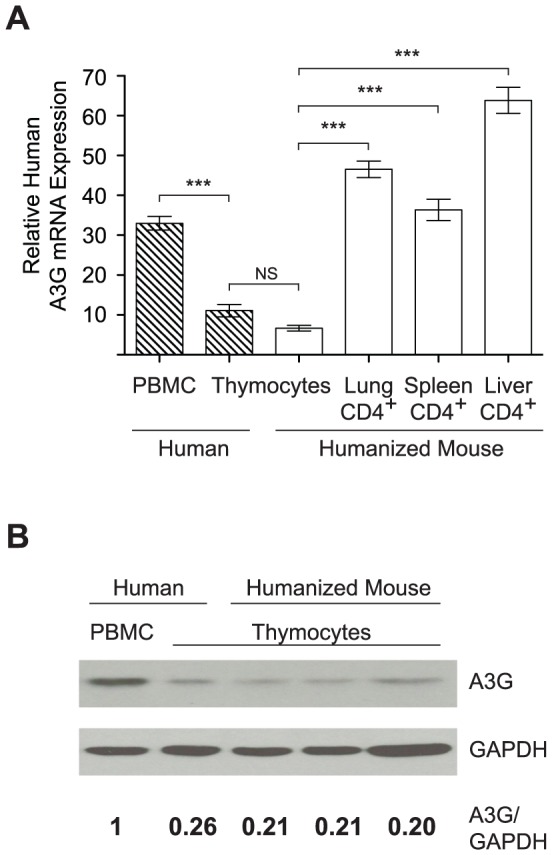
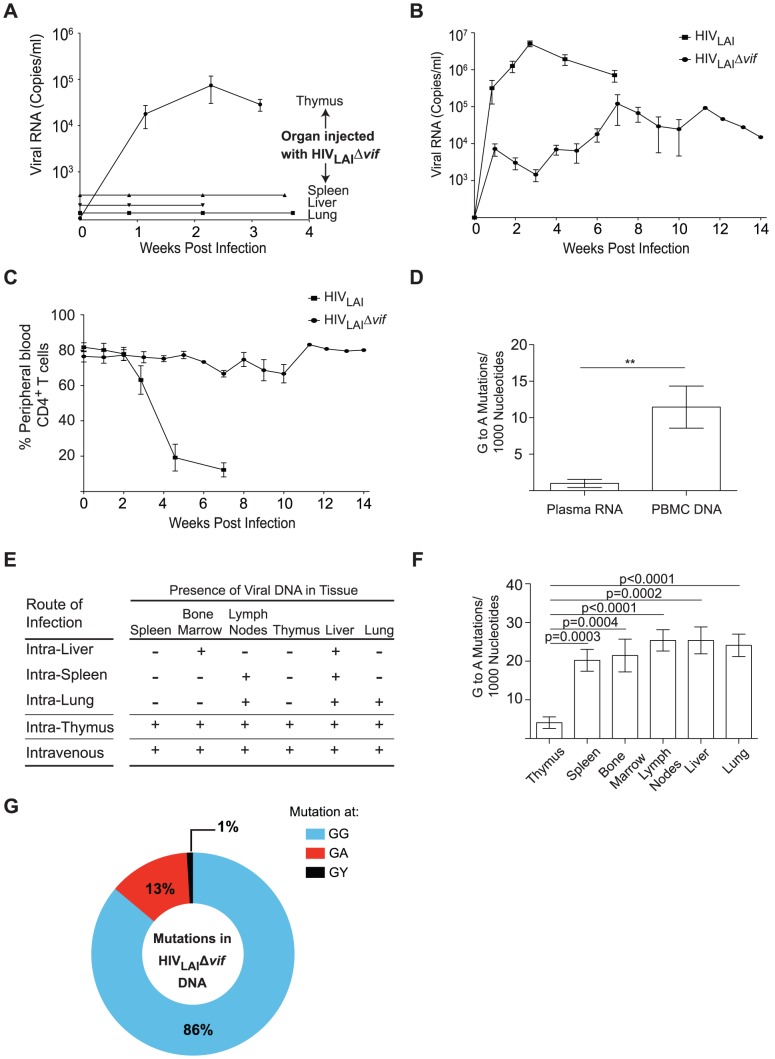
Innate immune restriction factors represent important specialized barriers to zoonotic transmission of viruses. Significant consideration has been given to their possible use for therapeutic benefit. The apolipoprotein B mRNA editing enzyme catalytic polypeptide 3 (APOBEC3) family of cytidine deaminases are potent immune defense molecules capable of efficiently restricting endogenous retroelements as well as a broad range of viruses including Human Immunodeficiency virus (HIV), Hepatitis B virus (HBV), Human Papilloma virus (HPV), and Human T Cell Leukemia virus (HTLV). The best characterized members of this family are APOBEC3G (A3G) and APOBEC3F (A3F) and their restriction of HIV. HIV has evolved to counteract these powerful restriction factors by encoding an accessory gene designated viral infectivity factor (vif). Here we demonstrate that APOBEC3 efficiently restricts CCR5-tropic HIV in the absence of Vif. However, our results also show that CXCR4-tropic HIV can escape from APOBEC3 restriction and replicate in vivo independent of Vif. Molecular analysis identified thymocytes as cells with reduced A3G and A3F expression. Direct injection of vif-defective HIV into the thymus resulted in viral replication and dissemination detected by plasma viral load analysis; however, vif-defective viruses remained sensitive to APOBEC3 restriction as extensive G to A mutation was observed in proviral DNA recovered from other organs. Remarkably, HIV replication persisted despite the inability of HIV to develop resistance to APOBEC3 in the absence of Vif. Our results provide novel insight into a highly specific subset of cells that potentially circumvent the action of APOBEC3; however our results also demonstrate the massive inactivation of CCR5-tropic HIV in the absence of Vif.
先天免疫限制因子是病毒人畜共患传播的重要专门屏障。人们已经对它们在治疗中的潜在应用进行了大量研究。载脂蛋白 B mRNA 编辑酶催化多肽 3(APOBEC3)家族的胞嘧啶脱氨酶是有效的免疫防御分子,能够有效地限制内源性逆转录元件以及广泛的病毒,包括人类免疫缺陷病毒(HIV)、乙型肝炎病毒(HBV)、人乳头瘤病毒(HPV)和人类 T 细胞白血病病毒(HTLV)。该家族中研究最充分的成员是 APOBEC3G(A3G)和 APOBEC3F(A3F)及其对 HIV 的限制。HIV 通过编码一种辅助基因,即病毒感染性因子(vif),来进化以对抗这些强大的限制因子。在这里,我们证明在没有 Vif 的情况下,APOBEC3 可以有效地限制 CCR5 嗜性 HIV。然而,我们的结果也表明,CXCR4 嗜性 HIV 可以逃避 APOBEC3 的限制并在体内独立于 Vif 进行复制。分子分析鉴定出胸腺细胞是 A3G 和 A3F 表达减少的细胞。将缺乏 vif 的 HIV 直接注射到胸腺中,通过血浆病毒载量分析检测到病毒复制和传播;然而,由于在从其他器官回收的前病毒 DNA 中观察到广泛的 G 到 A 突变,vif 缺陷型病毒仍然对 APOBEC3 限制敏感。值得注意的是,尽管在没有 Vif 的情况下 HIV 无法对 APOBEC3 产生抗性,但 HIV 复制仍持续存在。我们的结果为潜在规避 APOBEC3 作用的特定细胞亚群提供了新的见解;然而,我们的结果也证明了在没有 Vif 的情况下,CCR5 嗜性 HIV 的大规模失活。