Department of Psychiatry and Behavioral Sciences, Miller School of Medicine, University of Miami, Miami, FL 33136, USA.
J Immunol. 2013 May 15;190(10):5000-11. doi: 10.4049/jimmunol.1203057. Epub 2013 Apr 19.
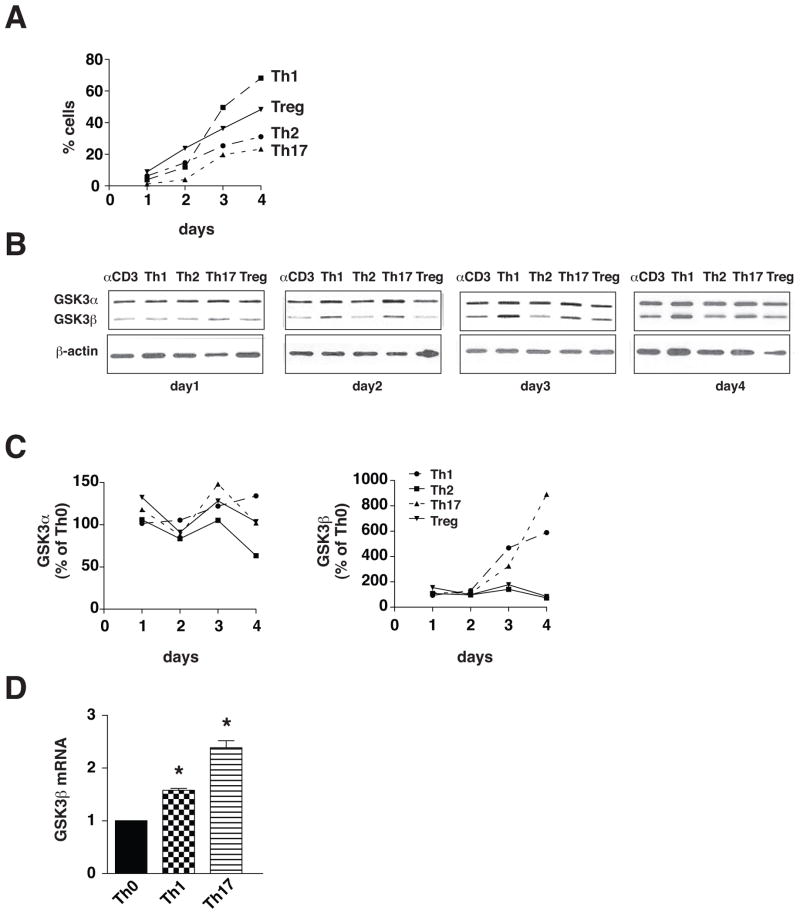
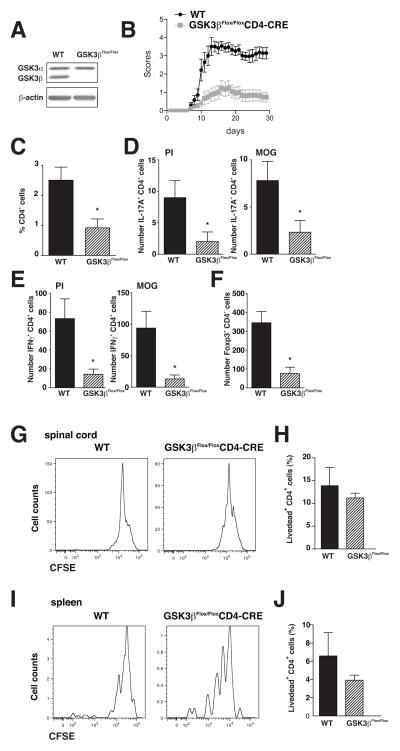
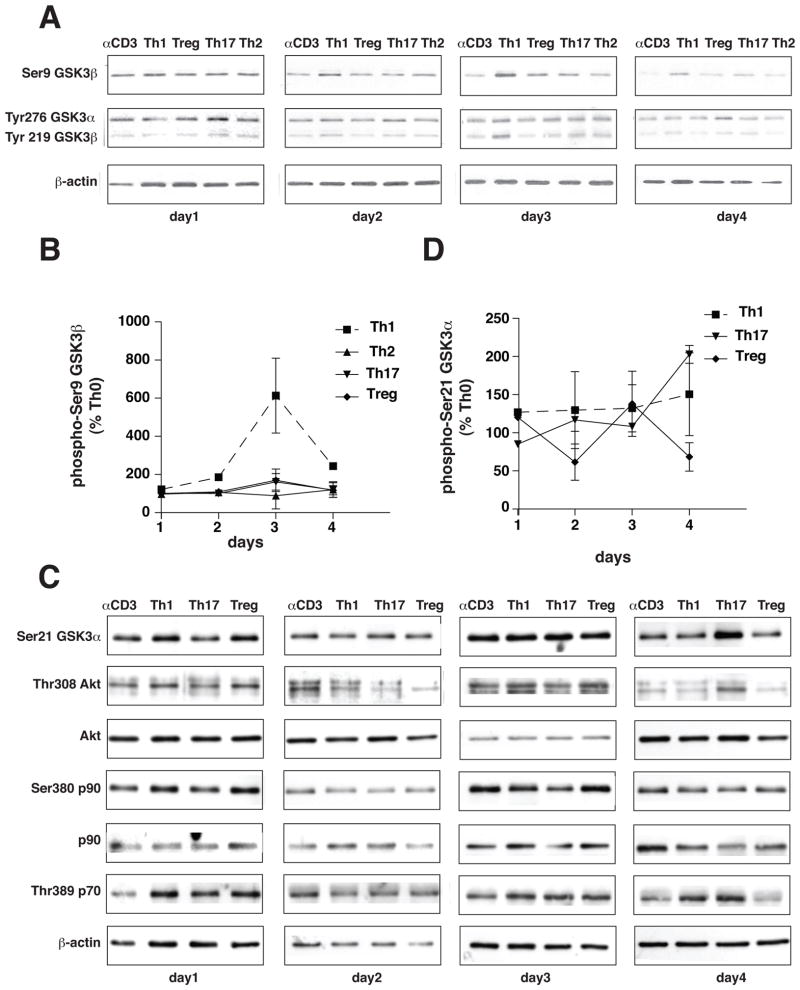
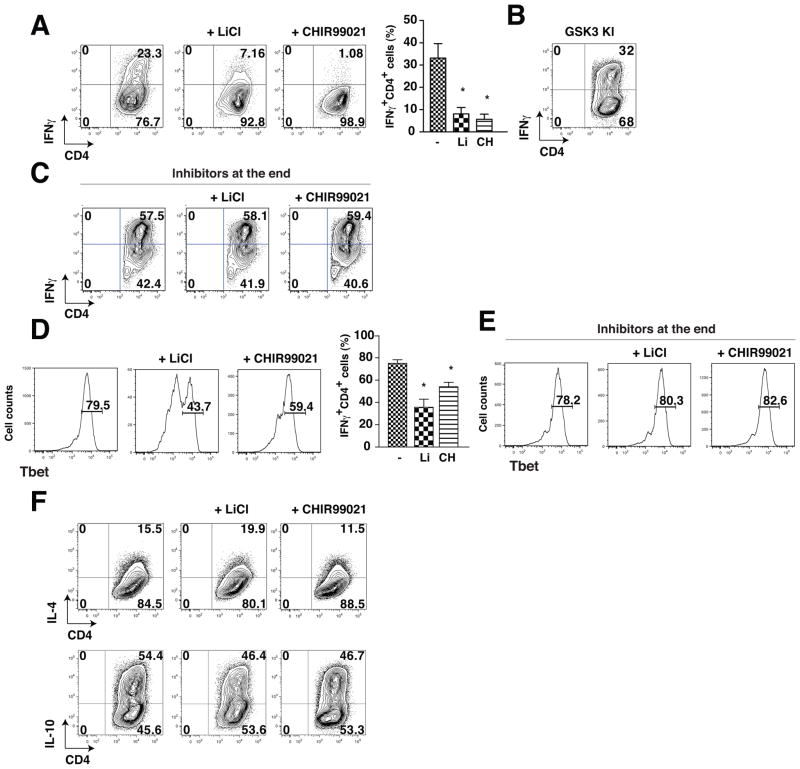
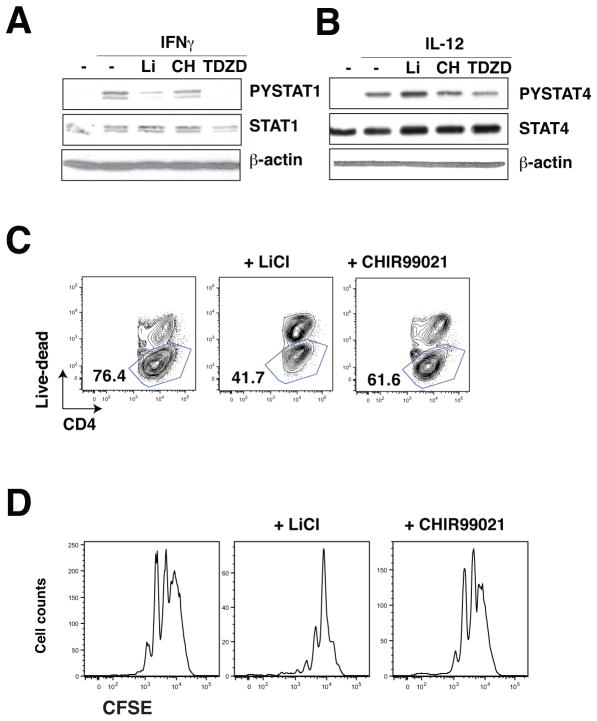
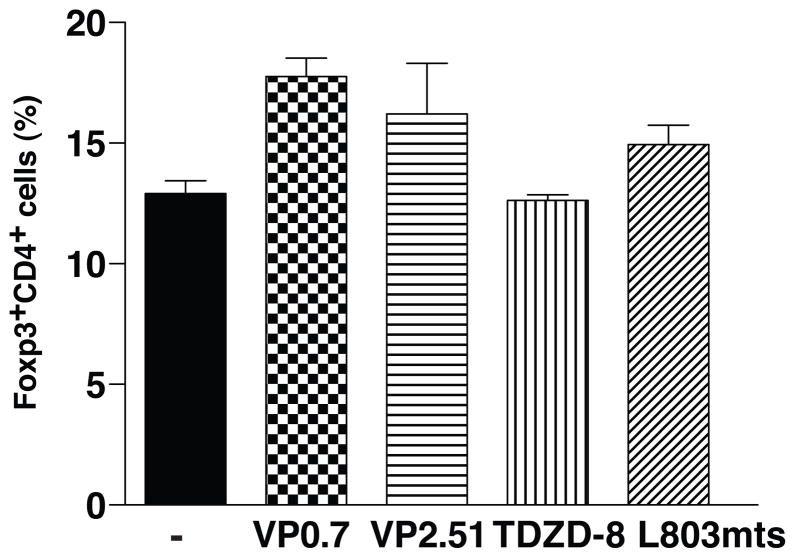
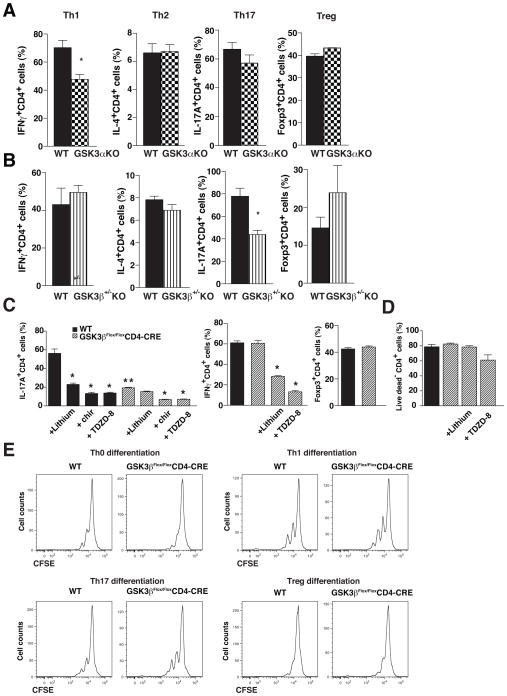
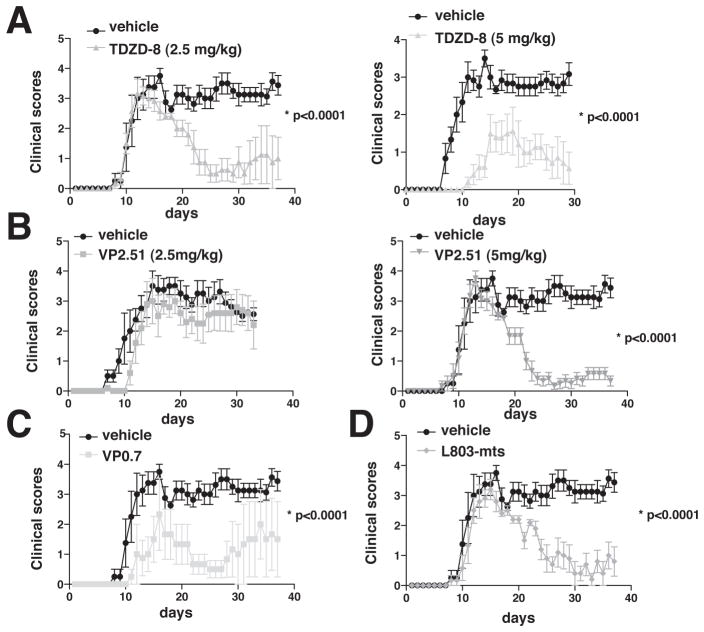
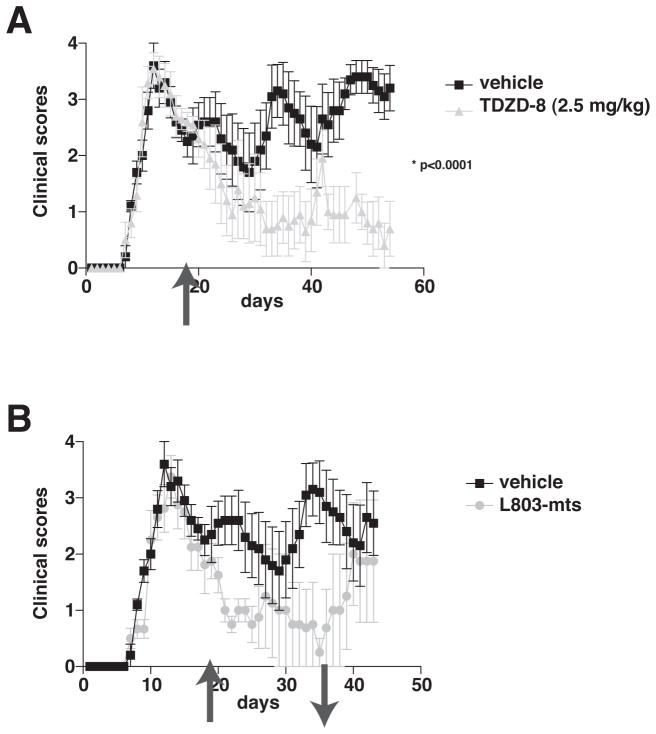
Experimental autoimmune encephalomyelitis (EAE) is a rodent model of multiple sclerosis (MS), a debilitating autoimmune disease of the CNS, for which only limited therapeutic interventions are available. Because MS is mediated in part by autoreactive T cells, particularly Th17 and Th1 cells, in the current study, we tested whether inhibitors of glycogen synthase kinase-3 (GSK3), previously reported to reduce Th17 cell generation, also alter Th1 cell production or alleviate EAE. GSK3 inhibitors were found to impede the production of Th1 cells by reducing STAT1 activation. Molecularly reducing the expression of either of the two GSK3 isoforms demonstrated that Th17 cell production was sensitive to reduced levels of GSK3β and Th1 cell production was inhibited in GSK3α-deficient cells. Administration of the selective GSK3 inhibitors TDZD-8, VP2.51, VP0.7, or L803-mts significantly reduced the clinical symptoms of myelin oligodendrocyte glycoprotein35-55-induced EAE in mice, nearly eliminating the chronic progressive phase, and reduced the number of Th17 and Th1 cells in the spinal cord. Administration of TDZD-8 or L803-mts after the initial disease episode alleviated clinical symptoms in a relapsing-remitting model of proteolipid protein139-151-induced EAE. Furthermore, deletion of GSK3β specifically in T cells was sufficient to alleviate myelin oligodendrocyte glycoprotein35-55-induced EAE. These results demonstrate the isoform-selective effects of GSK3 on T cell generation and the therapeutic effects of GSK3 inhibitors in EAE, as well as showing that GSK3 inhibition in T cells is sufficient to reduce the severity of EAE, suggesting that GSK3 may be a feasible target for developing new therapeutic interventions for MS.
实验性自身免疫性脑脊髓炎(EAE)是多发性硬化症(MS)的啮齿动物模型,是一种中枢神经系统的自身免疫性疾病,目前只有有限的治疗干预措施。由于 MS 部分由自身反应性 T 细胞介导,特别是 Th17 和 Th1 细胞,因此在本研究中,我们测试了先前报道的抑制糖原合酶激酶-3(GSK3)是否也会改变 Th1 细胞的产生或缓解 EAE。研究发现,GSK3 抑制剂通过减少 STAT1 激活来阻碍 Th1 细胞的产生。分子上降低两种 GSK3 同工型中的任一种的表达表明,Th17 细胞的产生对 GSK3β 水平的降低敏感,并且在 GSK3α 缺陷细胞中抑制 Th1 细胞的产生。选择性 GSK3 抑制剂 TDZD-8、VP2.51、VP0.7 或 L803-mts 的给药显著降低了小鼠髓鞘少突胶质糖蛋白 35-55 诱导的 EAE 的临床症状,几乎消除了慢性进行性阶段,并减少了脊髓中的 Th17 和 Th1 细胞数量。在原发性疾病发作后给予 TDZD-8 或 L803-mts 可缓解蛋白脂蛋白 139-151 诱导的 EAE 的复发性缓解模型中的临床症状。此外,T 细胞中 GSK3β 的特异性缺失足以缓解髓鞘少突胶质糖蛋白 35-55 诱导的 EAE。这些结果表明 GSK3 对 T 细胞生成的同工型选择性作用以及 GSK3 抑制剂在 EAE 中的治疗作用,并表明 T 细胞中 GSK3 的抑制足以降低 EAE 的严重程度,这表明 GSK3 可能是开发治疗 MS 的新治疗干预措施的可行靶点。