Department of Biomedical Engineering, Tufts University, Medford, MA 02155, USA.
Beilstein J Nanotechnol. 2013 Apr 5;4:243-8. doi: 10.3762/bjnano.4.25. Print 2013.
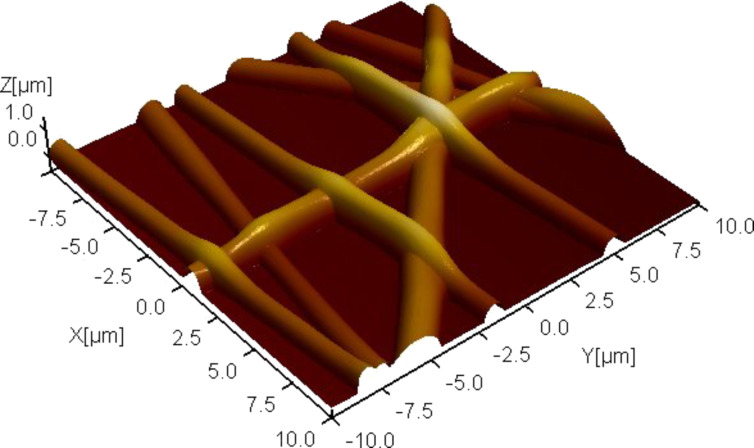
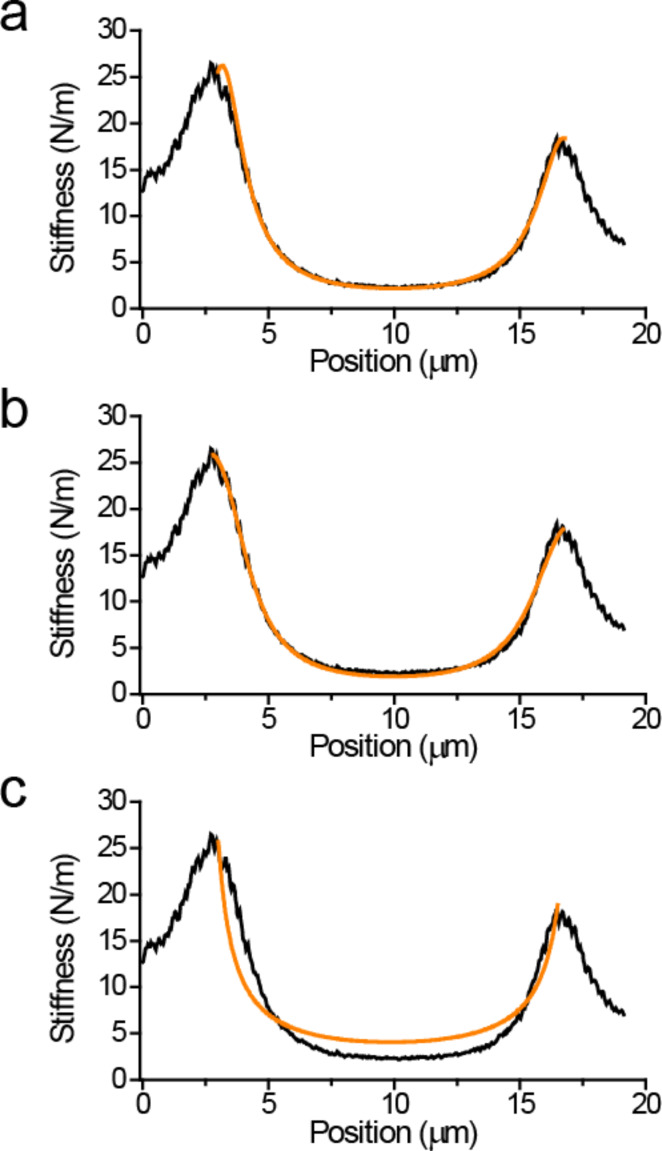
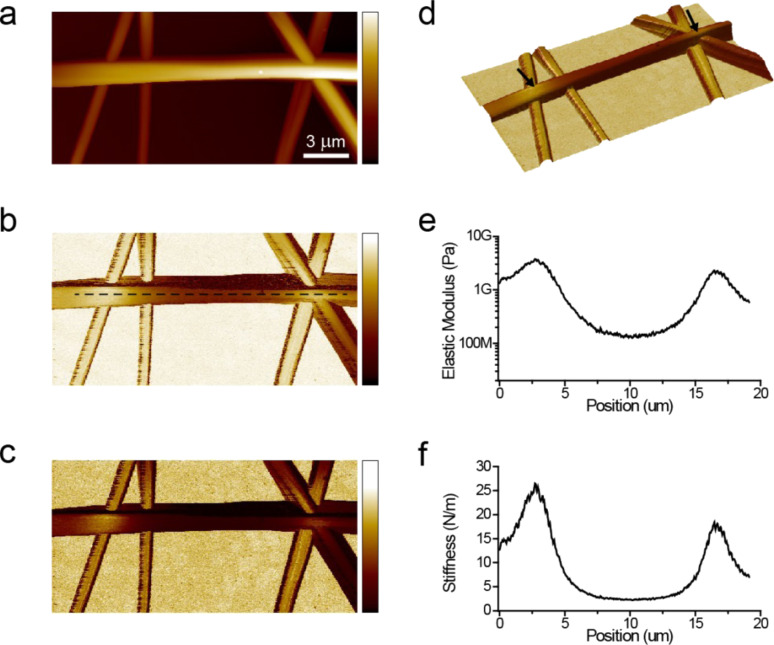
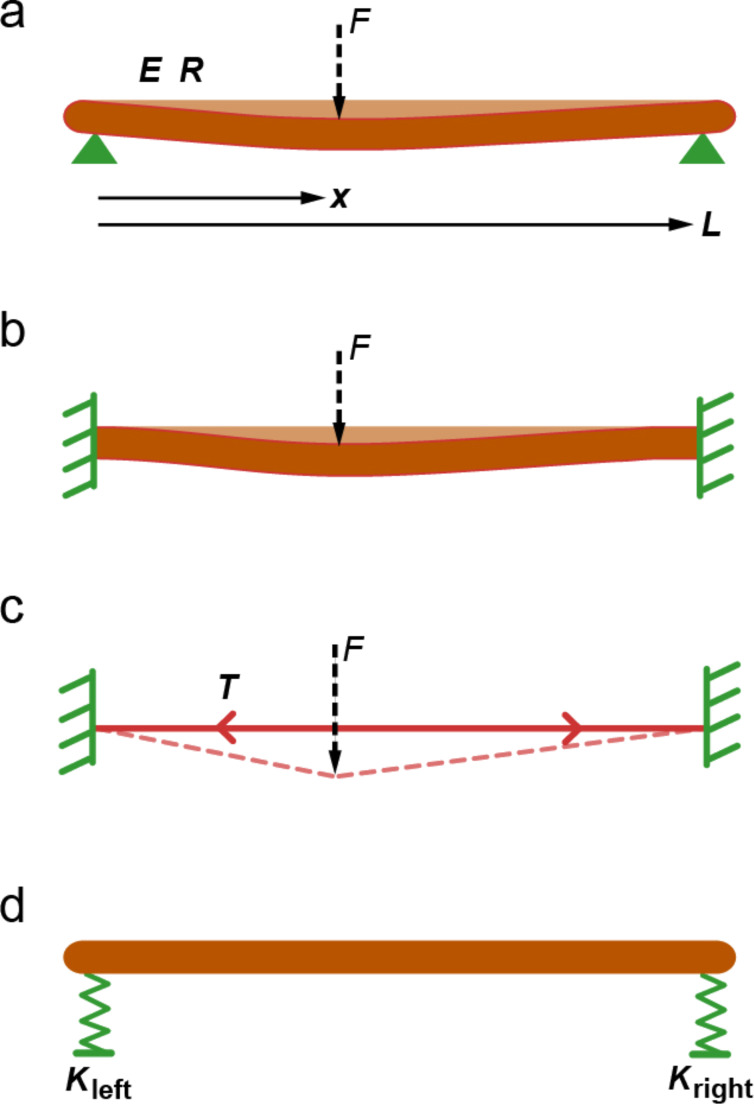
Atomic force microscopes have become indispensable tools for mechanical characterization of nanoscale and submicron structures. However, materials with complex geometries, such as electrospun fiber networks used for tissue scaffolds, still pose challenges due to the influence of tension and bending modulus on the response of the suspended structures. Here we report mechanical measurements on electrospun silk fibers with various treatments that allow discriminating among the different mechanisms that determine the mechanical behavior of these complex structures. In particular we were able to identify the role of tension and boundary conditions (pinned versus clamped) in determining the mechanical response of electrospun silk fibers. Our findings show that high-resolution mechanical imaging with torsional harmonic atomic force microscopy provides a reliable method to investigate the mechanics of materials with complex geometries.
原子力显微镜已成为纳米级和亚微米结构机械特性分析不可或缺的工具。然而,对于具有复杂几何形状的材料,如用于组织支架的静电纺丝纤维网络,由于张力和弯曲模量对悬空结构响应的影响,仍然存在挑战。在这里,我们报告了对经过各种处理的静电纺丝纤维的机械测量结果,这些处理方法可用于区分决定这些复杂结构力学行为的不同机制。特别是,我们能够确定张力和边界条件(固定与夹紧)在确定静电纺丝纤维机械响应中的作用。我们的研究结果表明,扭转谐波原子力显微镜的高分辨率机械成像为研究具有复杂几何形状的材料力学性能提供了一种可靠的方法。