Department of Pharmaceutical Sciences, Skaggs School of Pharmacy and Pharmaceutical Sciences, University of Colorado Denver, CO, USA.
Curr Cancer Drug Targets. 2013 Jun;13(5):486-99. doi: 10.2174/15680096113139990041.
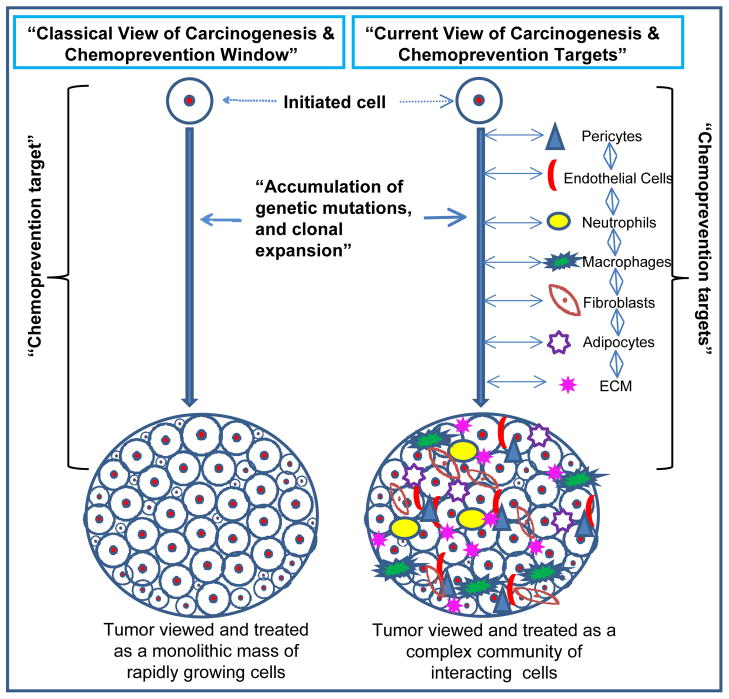
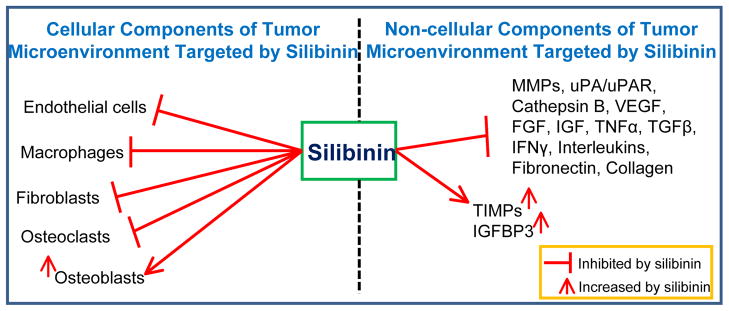
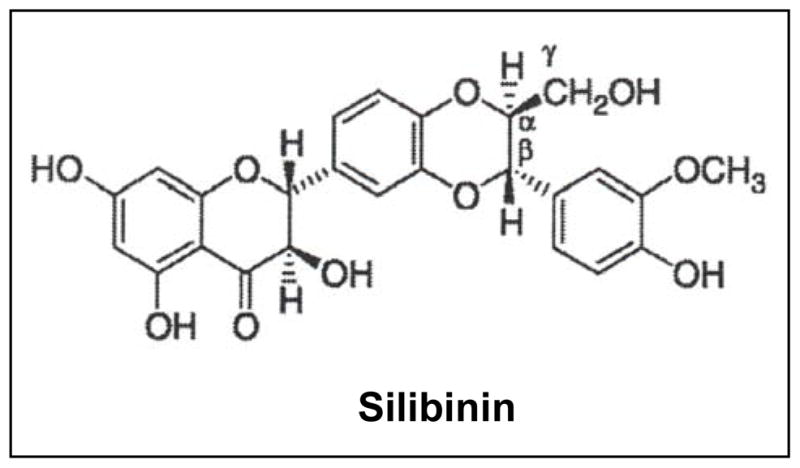
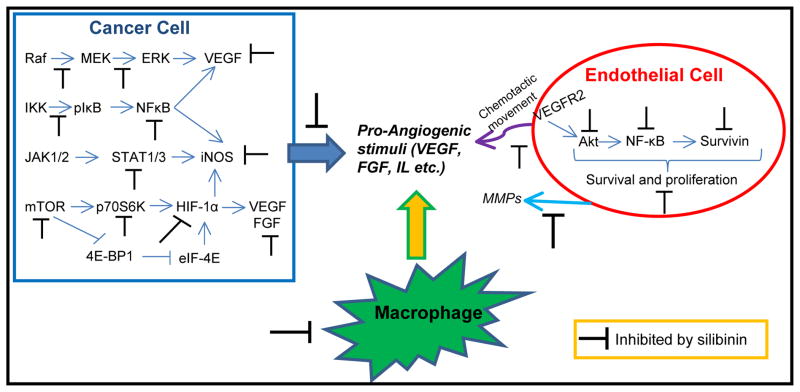
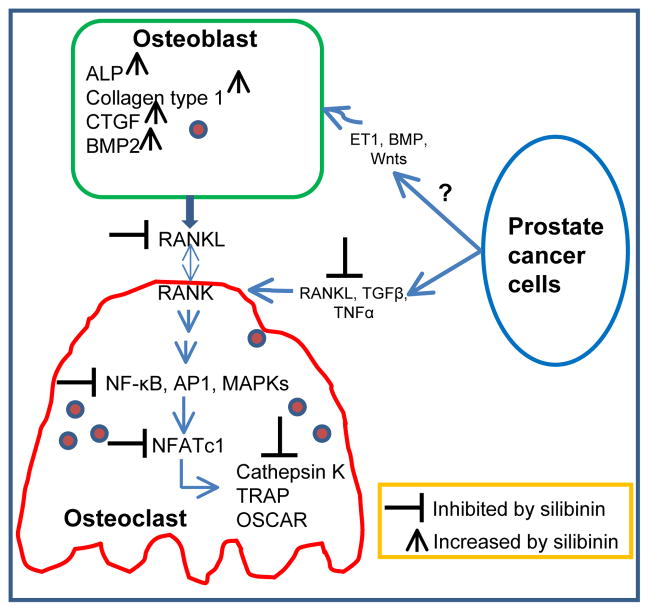
Tumor microenvironment (TME) refers to the dynamic cellular and extra-cellular components surrounding tumor cells at each stage of the carcinogenesis. TME has now emerged as an integral and inseparable part of the carcinogenesis that plays a critical role in tumor growth, angiogenesis, epithelial to mesenchymal transition (EMT), invasion, migration and metastasis. Besides its vital role in carcinogenesis, TME is also a better drug target because of its relative genetic stability with lesser probability for the development of drug-resistance. Several drugs targeting the TME (endothelial cells, macrophages, cancer-associated fibroblasts, or extra-cellular matrix) have either been approved or are in clinical trials. Recently, non-steroidal anti-inflammatory drugs targeting inflammation were reported to also prevent several cancers. These exciting developments suggest that cancer chemopreventive strategies targeting both tumor and TME would be better and effective towards preventing, retarding or reversing the process of carcinogenesis. Here, we have reviewed the effect of a well established hepatoprotective and chemopreventive agent silibinin on cellular (endothelial, fibroblast and immune cells) and non-cellular components (cytokines, growth factors, proteinases etc.) of the TME. Silibinin targets TME constituents as well as their interaction with cancer cells, thereby inhibiting tumor growth, angiogenesis, inflammation, EMT, and metastasis. Silibinin is already in clinical trials, and based upon completed studies we suggest that its chemopreventive effectiveness should be verified through its effect on biological end points in both tumor and TME. Overall, we believe that the chemopreventive strategies targeting both tumor and TME have practical and translational utility in lowering the cancer burden.
肿瘤微环境(TME)是指肿瘤细胞在癌变各个阶段周围的动态细胞和细胞外成分。TME 现已成为癌变不可或缺的一部分,在肿瘤生长、血管生成、上皮间质转化(EMT)、浸润、迁移和转移中起着关键作用。除了在癌变中发挥重要作用外,由于 TME 的遗传相对稳定,产生耐药性的可能性较小,因此它也是一个更好的药物靶点。几种针对 TME(内皮细胞、巨噬细胞、癌相关成纤维细胞或细胞外基质)的药物已经获得批准或正在临床试验中。最近,有报道称靶向炎症的非甾体抗炎药也能预防多种癌症。这些令人兴奋的发展表明,针对肿瘤和 TME 的癌症化学预防策略将更好、更有效地预防、延缓或逆转癌变过程。在这里,我们回顾了一种成熟的肝保护和化学预防剂水飞蓟素对 TME 的细胞(内皮、成纤维和免疫细胞)和非细胞成分(细胞因子、生长因子、蛋白酶等)的影响。水飞蓟素靶向 TME 成分及其与癌细胞的相互作用,从而抑制肿瘤生长、血管生成、炎症、EMT 和转移。水飞蓟素已经在临床试验中,根据已完成的研究,我们建议通过其对肿瘤和 TME 中生物学终点的影响来验证其化学预防效果。总的来说,我们相信针对肿瘤和 TME 的化学预防策略在降低癌症负担方面具有实际和转化的应用价值。