Swedish Nuclear Fuel and Waste Management Co. (SKB), Box 250, 101 24, Stockholm, Sweden.
Ambio. 2013 May;42(4):383-92. doi: 10.1007/s13280-013-0405-7.
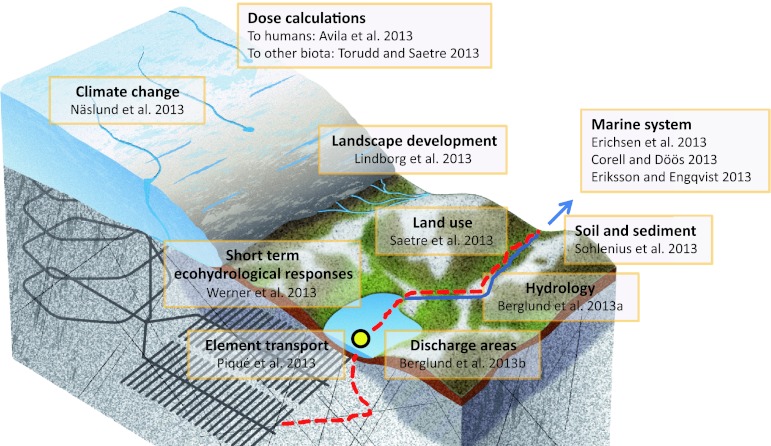
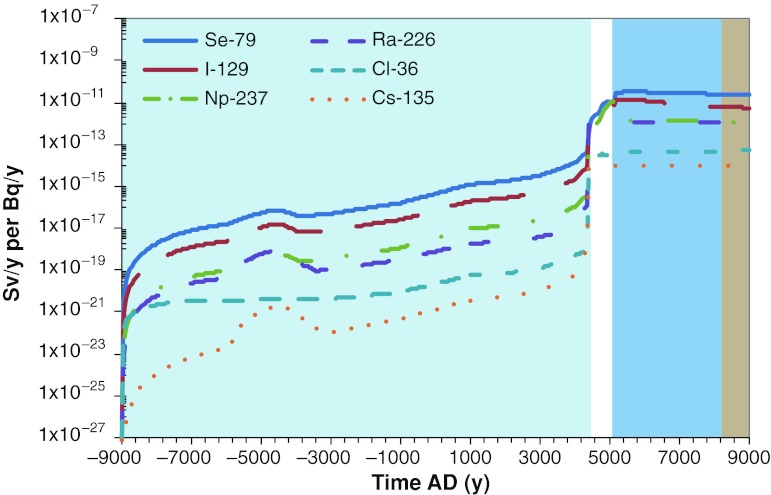
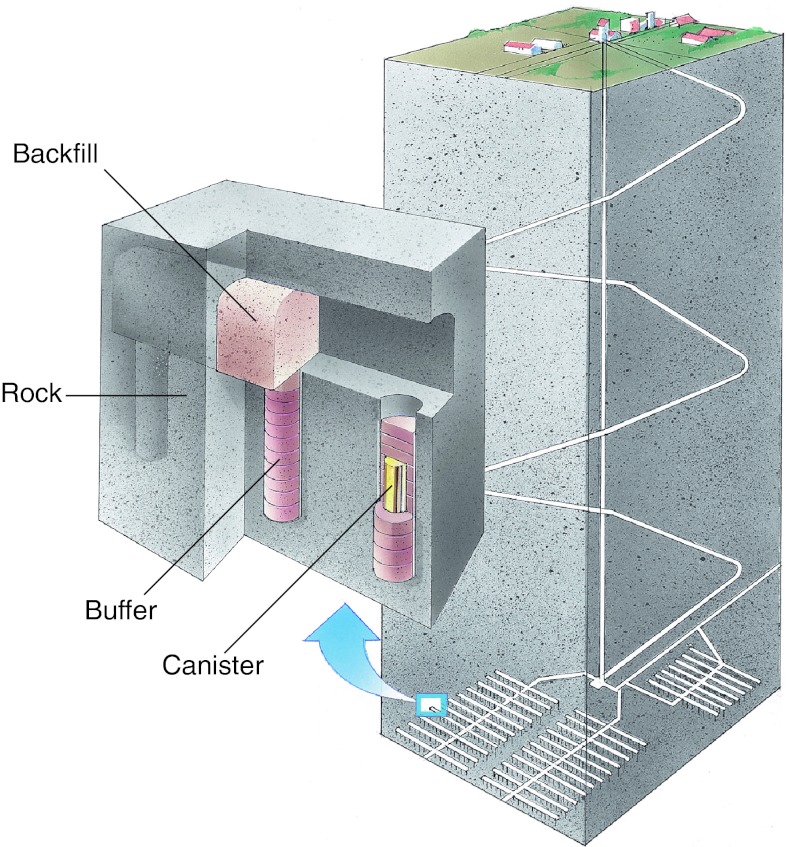
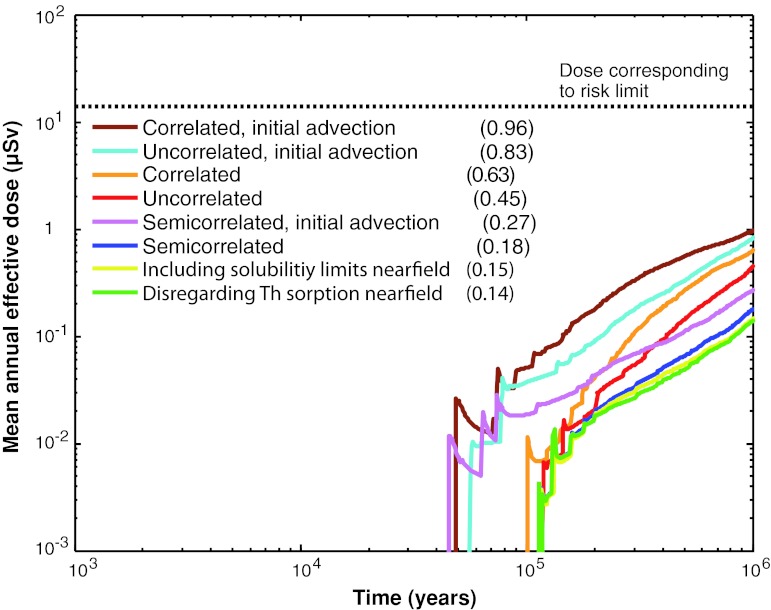
This is an overview of the strategy used to describe the effects of a potential release from a radioactive waste repository on human exposure and future environments. It introduces a special issue of AMBIO, in which 13 articles show ways of understanding and characterizing the future. The study relies mainly on research performed in the context of a recent safety report concerning a repository for spent nuclear fuel in Sweden (the so-called SR-Site project). The development of a good understanding of on-site processes and acquisition of site-specific data facilitated the development of new approaches for assessment of surface ecosystems. A systematic and scientifically coherent methodology utilizes the understanding of the current spatial and temporal dynamics as an analog for future conditions. We conclude that future ecosystem can be inferred from a few variables and that this multidisciplinary approach is relevant in a much wider context than radioactive waste.
这是一份概述,介绍了从放射性废物处置库中潜在释放对人类暴露和未来环境影响的描述策略。它介绍了 AMBIO 的一个特刊,其中 13 篇文章展示了理解和描述未来的方法。该研究主要依赖于最近关于瑞典乏核燃料处置库安全报告(所谓的 SR-Site 项目)背景下进行的研究。对现场过程的深入了解和特定地点数据的获取促进了评估地表生态系统的新方法的发展。一种系统的、科学一致的方法利用对当前时空动态的理解作为未来条件的类比。我们得出结论,未来的生态系统可以从少数变量推断出来,这种多学科方法在比放射性废物更广泛的背景下是相关的。