Department of Biomedical Engineering, Columbia University New York, NY, USA.
Front Psychol. 2013 Apr 19;4:161. doi: 10.3389/fpsyg.2013.00161. eCollection 2013.
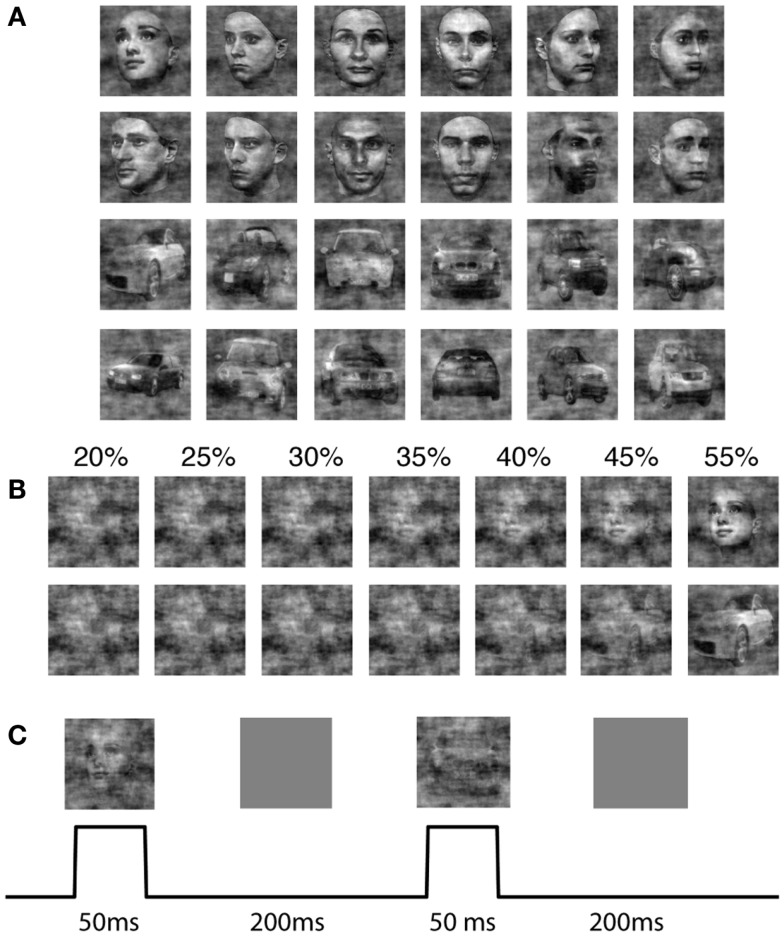
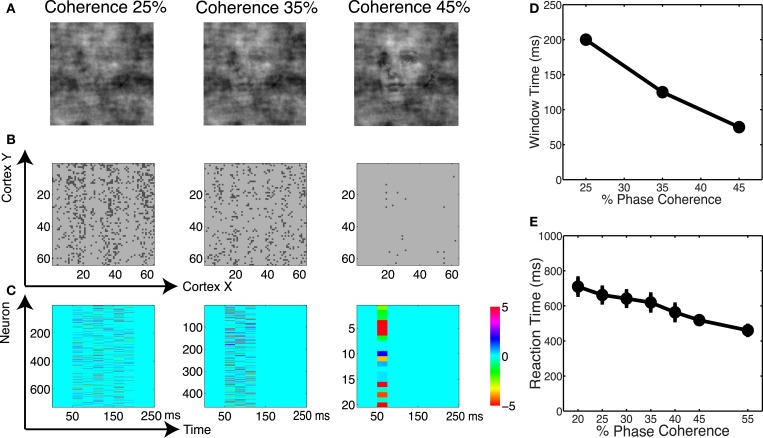
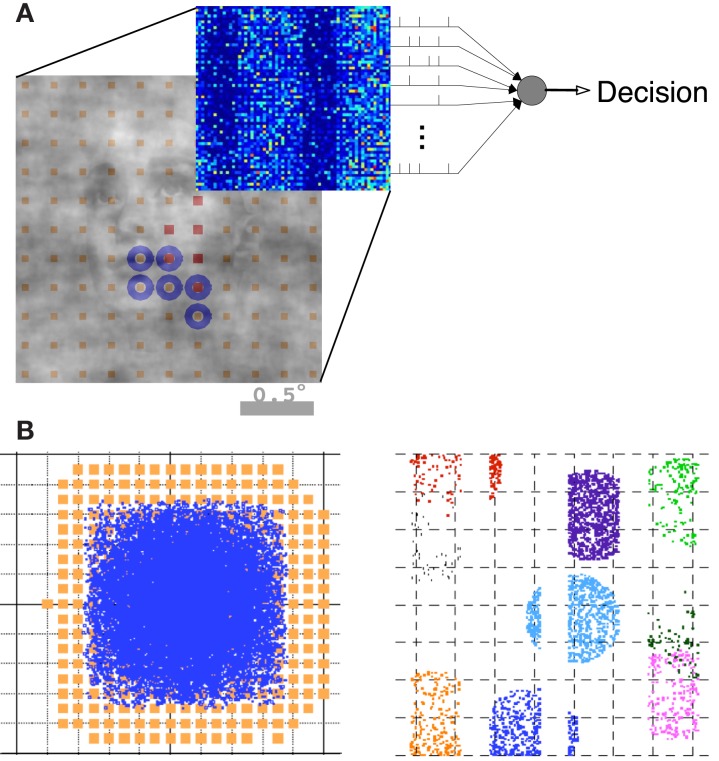
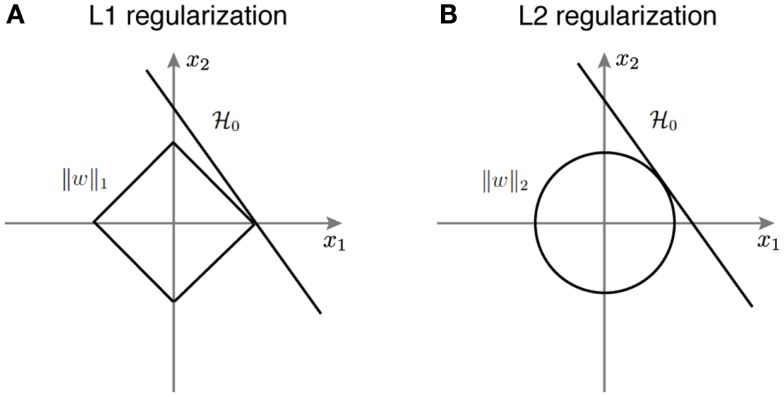
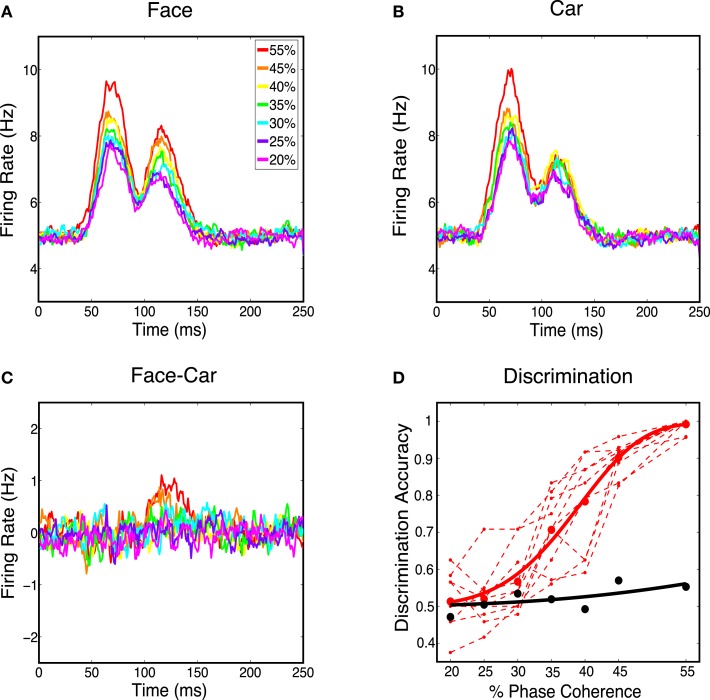
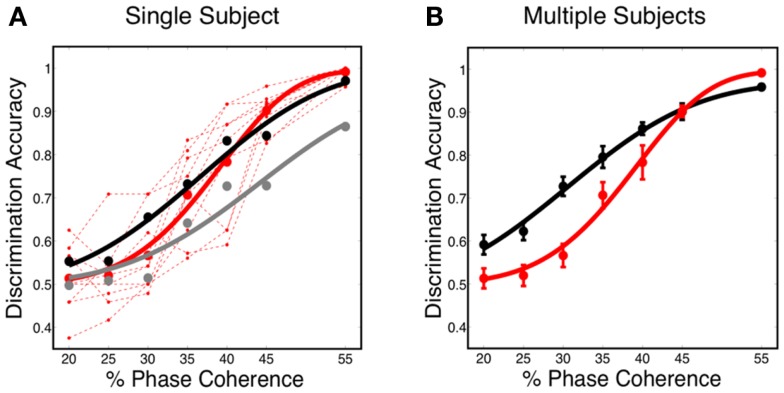
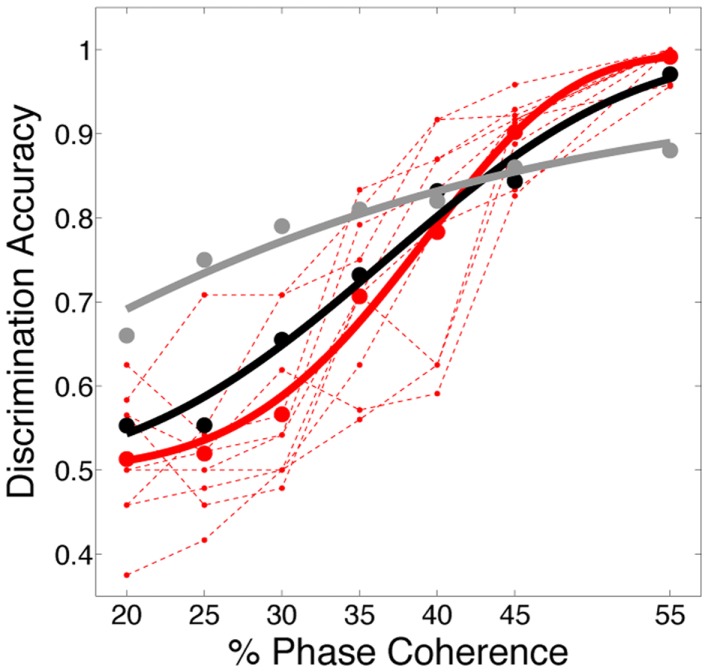
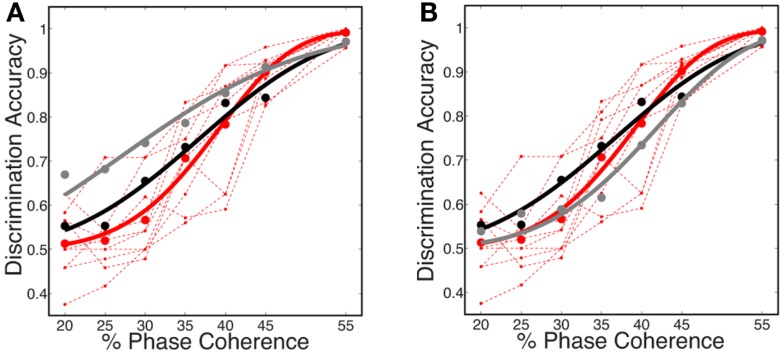
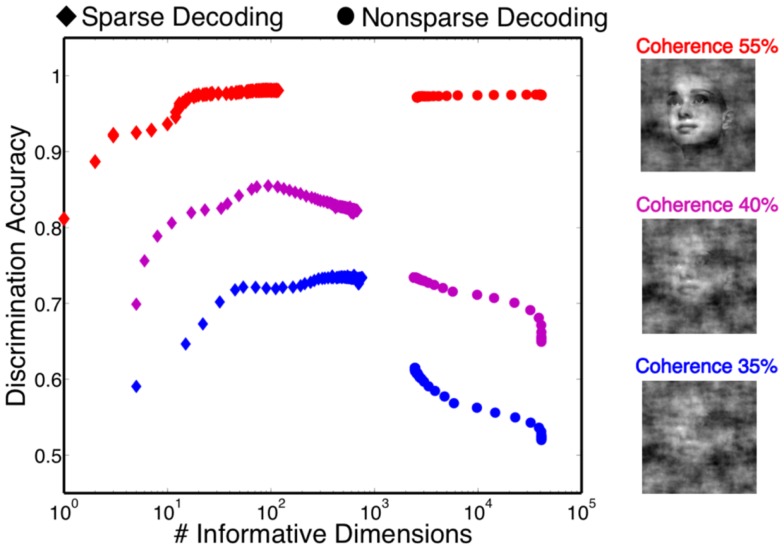
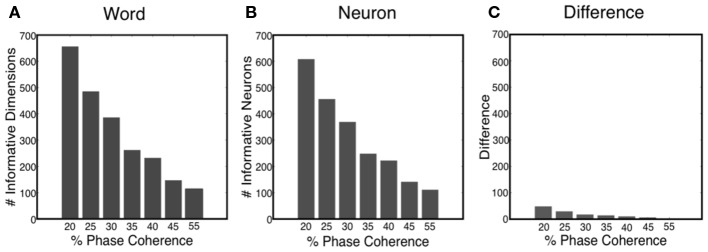
Sparse coding has been posited as an efficient information processing strategy employed by sensory systems, particularly visual cortex. Substantial theoretical and experimental work has focused on the issue of sparse encoding, namely how the early visual system maps the scene into a sparse representation. In this paper we investigate the complementary issue of sparse decoding, for example given activity generated by a realistic mapping of the visual scene to neuronal spike trains, how do downstream neurons best utilize this representation to generate a "decision." Specifically we consider both sparse (L1-regularized) and non-sparse (L2 regularized) linear decoding for mapping the neural dynamics of a large-scale spiking neuron model of primary visual cortex (V1) to a two alternative forced choice (2-AFC) perceptual decision. We show that while both sparse and non-sparse linear decoding yield discrimination results quantitatively consistent with human psychophysics, sparse linear decoding is more efficient in terms of the number of selected informative dimension.
稀疏编码被认为是感觉系统(特别是视觉皮层)采用的一种有效的信息处理策略。大量的理论和实验工作都集中在稀疏编码的问题上,即早期视觉系统如何将场景映射到稀疏表示上。在本文中,我们研究了稀疏解码的互补问题,例如,给定由视觉场景的真实映射产生的活动到神经元尖峰序列,下游神经元如何最好地利用这种表示来做出“决策”。具体来说,我们考虑了稀疏(L1 正则化)和非稀疏(L2 正则化)线性解码,将初级视觉皮层(V1)的大规模尖峰神经元模型的神经动力学映射到二选一强制选择(2-AFC)感知决策。我们表明,尽管稀疏和非稀疏线性解码都在定量上与人类心理物理学一致,但稀疏线性解码在选择信息量方面更有效。