The Key Laboratory of Crop Germplasm Resource and Enhancement, MOA, National Key Facility for Crop Gene Resources and Genetic Improvement, Institute of Crop Science, Chinese Academy of Agricultural Sciences, Beijing 100081, China.
J Exp Bot. 2013 Apr;64(7):2063-80. doi: 10.1093/jxb/ert072.
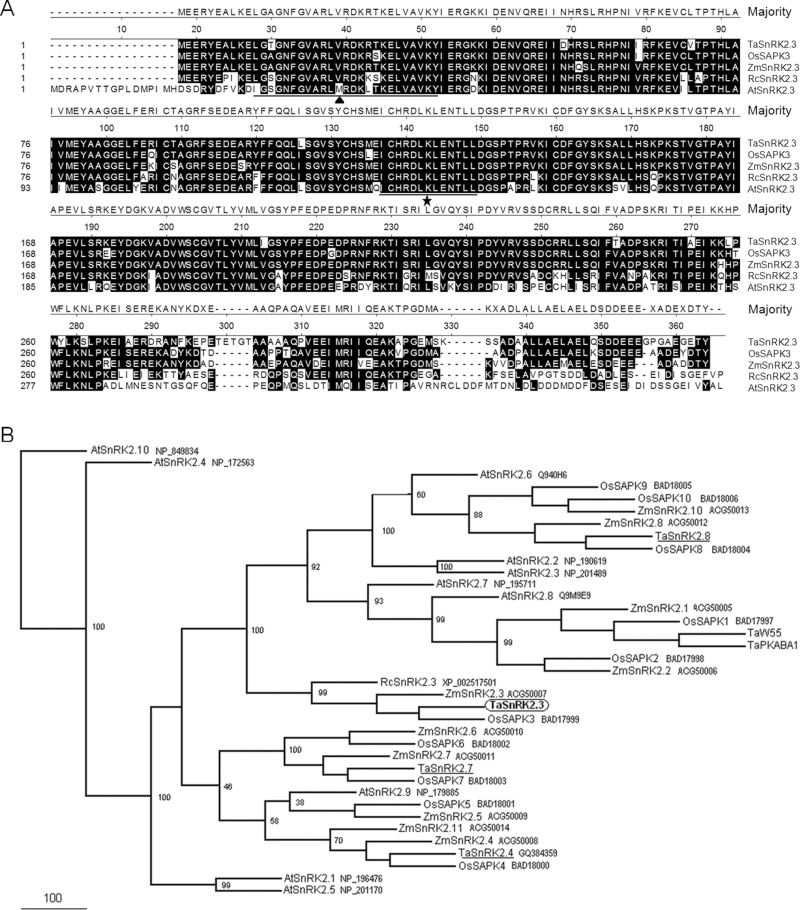
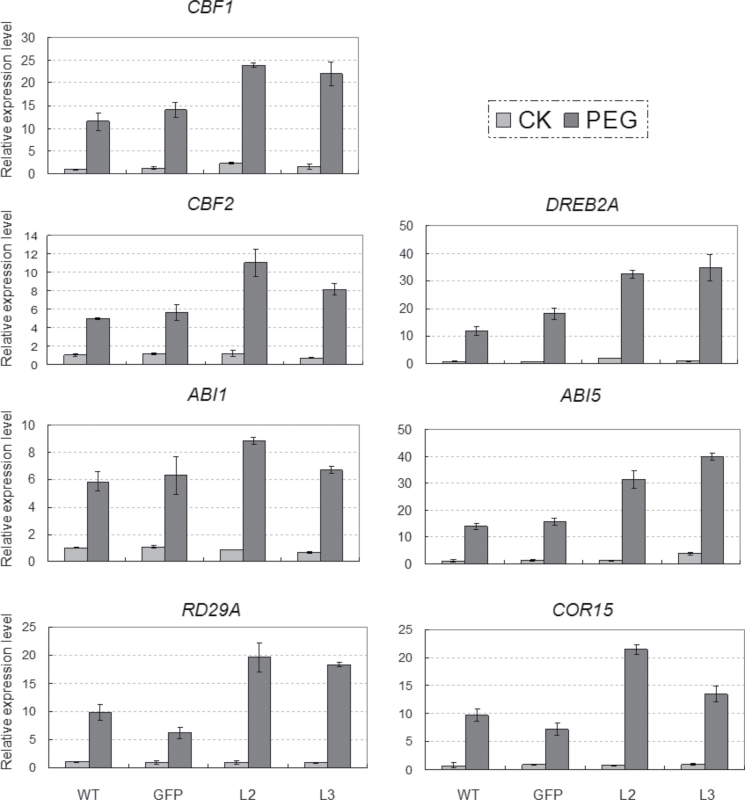
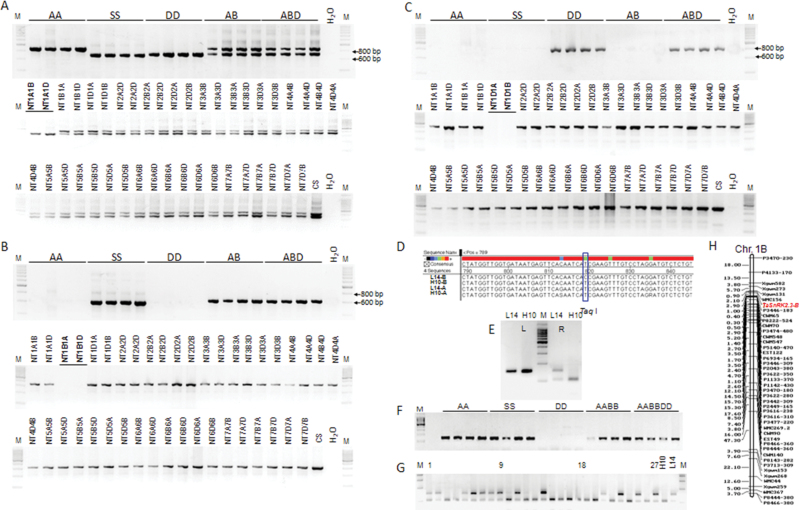
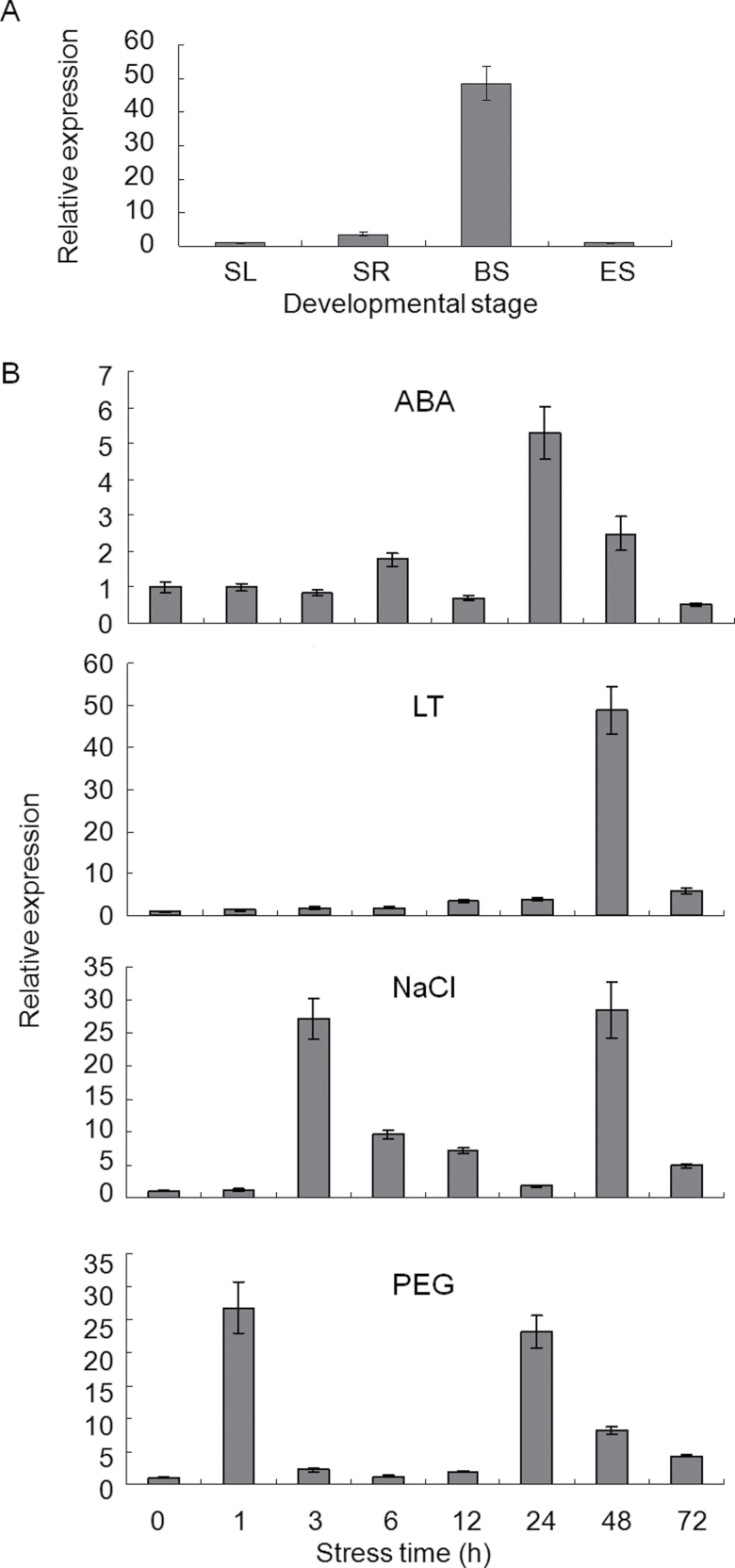
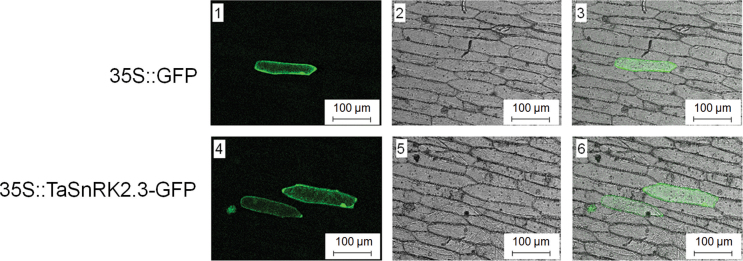
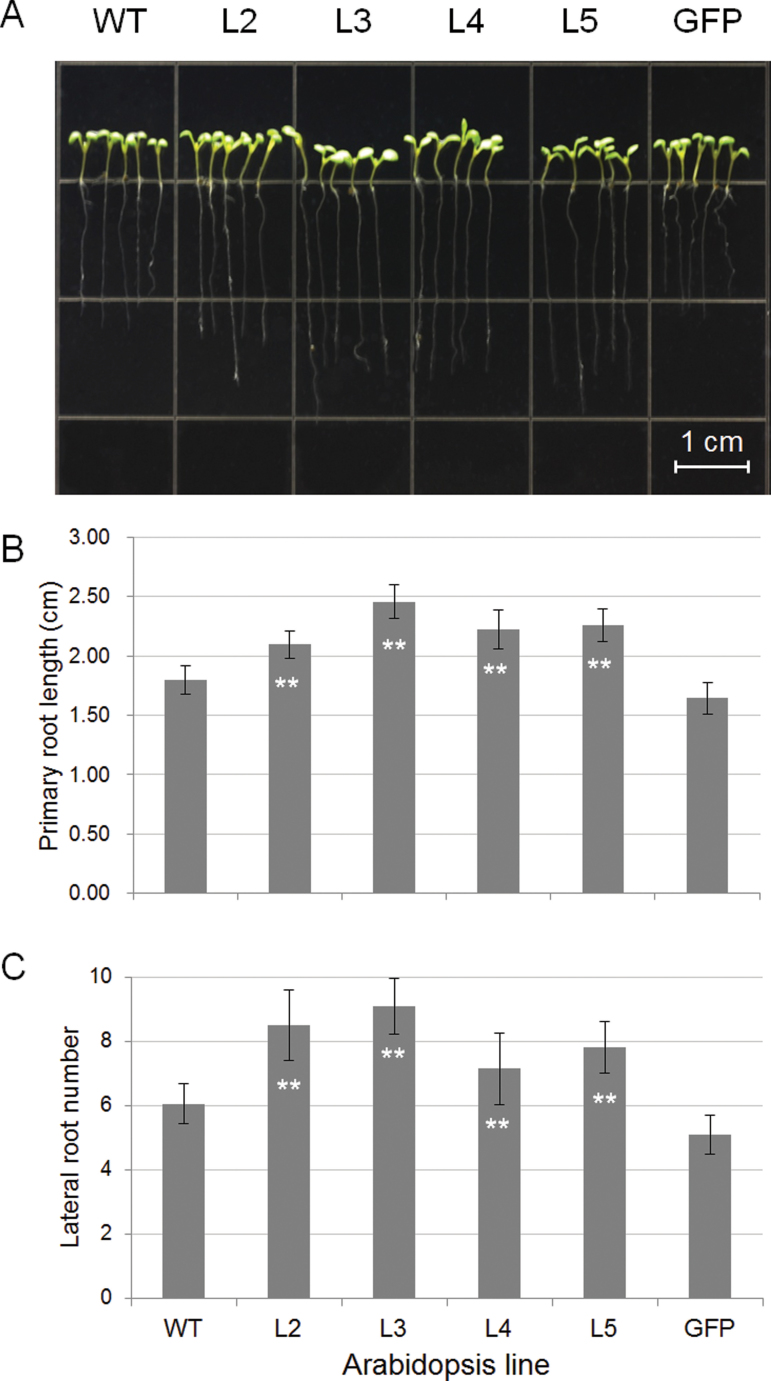
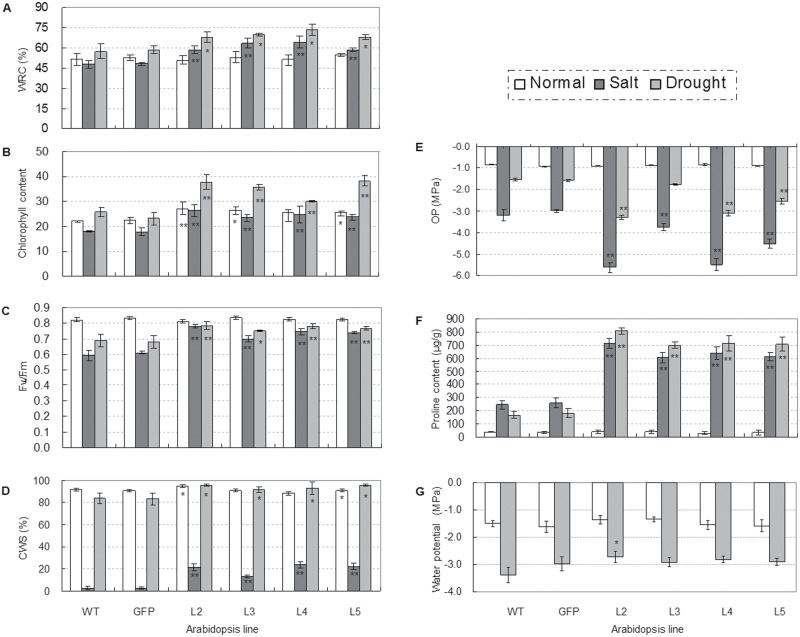
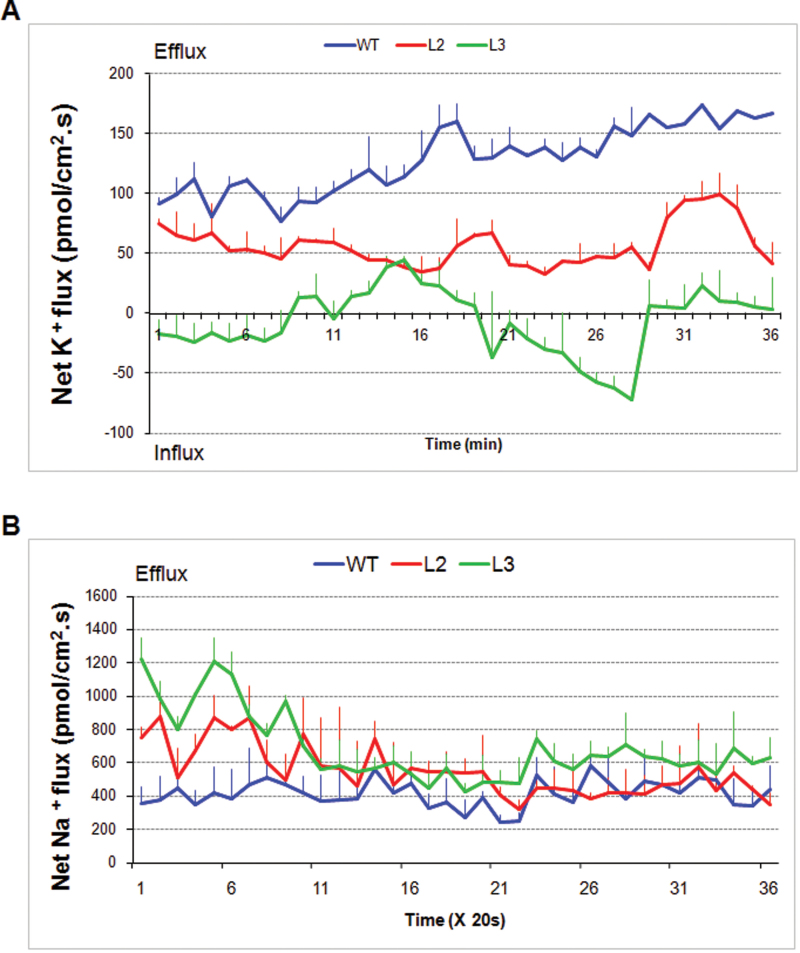
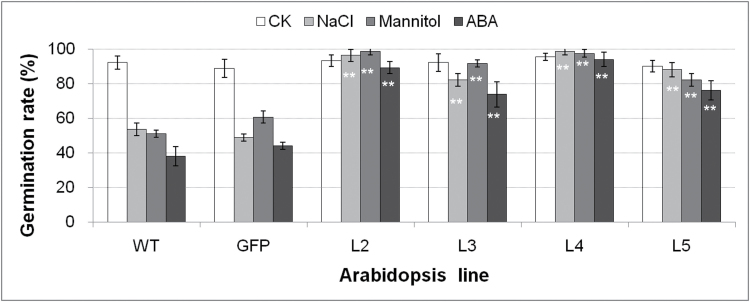
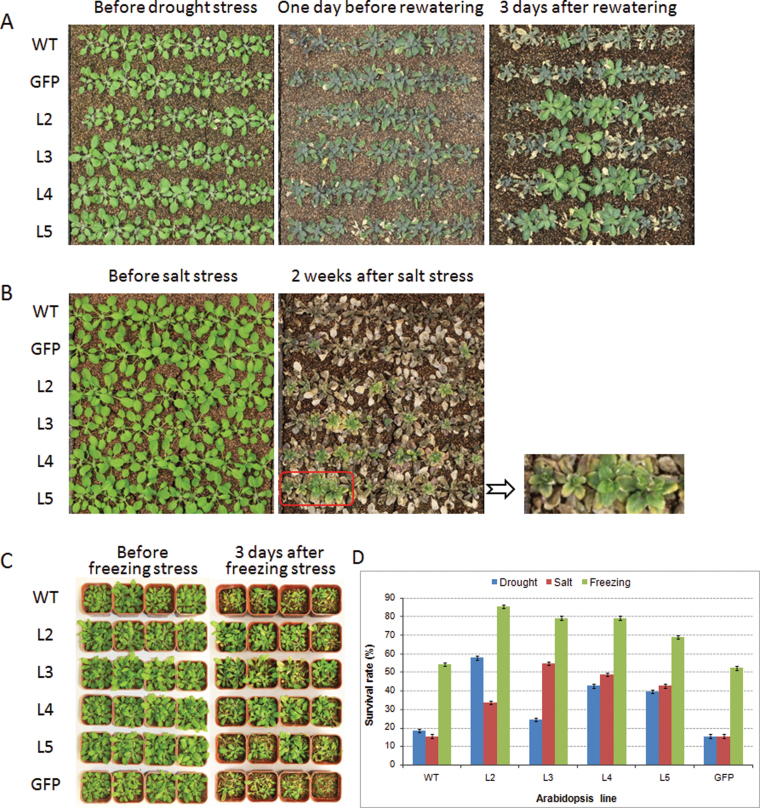
Environmental stresses such as drought, salinity, and cold are major adverse factors that significantly affect agricultural productivity. Protein phosphorylation/dephosphorylation is a major signalling event induced by osmotic stress in higher plants. Sucrose non-fermenting 1-related protein kinase 2 (SnRK2) family members play essential roles in the response to hyperosmotic stresses in plants. In this study, the TaSnRK2.3 gene, a novel SnRK2 member was cloned, and three copies located on chromosomes 1A, 1B, and 1D were identified in common wheat. TaSnRK2.3 was strongly expressed in leaves, and responded to polyethylene glycol, NaCl, abscisic acid, and cold stresses. To characterize its function, transgenic Arabidopsis overexpressing TaSnRK2.3-GFP controlled by the cauliflower mosaic virus 35S promoter was generated and subjected to severe abiotic stresses. Overexpression of TaSnRK2.3 resulted in an improved root system and significantly enhanced tolerance to drought, salt, and freezing stresses, simultaneously demonstrated by enhanced expression of abiotic stress-responsive genes and ameliorative physiological indices, including a decreased rate of water loss, enhanced cell membrane stability, improved photosynthetic potential, and significantly increased osmotic potential and free proline content under normal and/or stressed conditions. These results demonstrate that TaSnRK2.3 is a multifunctional regulator, with potential for utilization in transgenic breeding for improved abiotic stress tolerance in crop plants.
环境胁迫如干旱、盐度和寒冷是影响农业生产力的主要不利因素。蛋白质的磷酸化/去磷酸化是高等植物渗透胁迫诱导的主要信号事件。蔗糖非发酵 1 相关蛋白激酶 2(SnRK2)家族成员在植物应对高渗胁迫中发挥重要作用。本研究克隆了一个新的 SnRK2 成员 TaSnRK2.3 基因,并在普通小麦中鉴定出位于 1A、1B 和 1D 染色体上的三个拷贝。TaSnRK2.3 在叶片中强烈表达,并对聚乙二醇、NaCl、脱落酸和冷胁迫有反应。为了表征其功能,构建了由花椰菜花叶病毒 35S 启动子控制的 TaSnRK2.3-GFP 过表达转基因拟南芥,并对其进行了严重的非生物胁迫处理。TaSnRK2.3 的过表达导致根系改善,显著增强了对干旱、盐和冷冻胁迫的耐受性,同时表现为非生物胁迫响应基因的表达增强和生理指标的改善,包括失水率降低、细胞膜稳定性增强、光合作用潜力提高以及在正常和/或胁迫条件下渗透压和游离脯氨酸含量显著增加。这些结果表明 TaSnRK2.3 是一种多功能调节剂,可用于转基因作物的培育,以提高作物对非生物胁迫的耐受性。