Department of Molecular and Cellular Biology, and Irell and Manella Graduate School of Biological Sciences, Beckman Research Institute of the City of Hope, Duarte, California, United States of America.
PLoS One. 2013 Apr 29;8(4):e62125. doi: 10.1371/journal.pone.0062125. Print 2013.
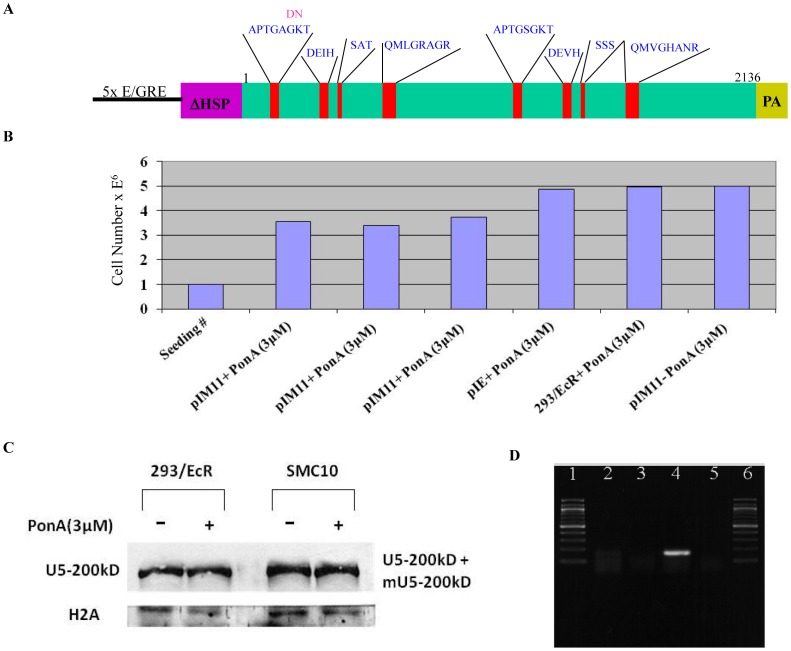
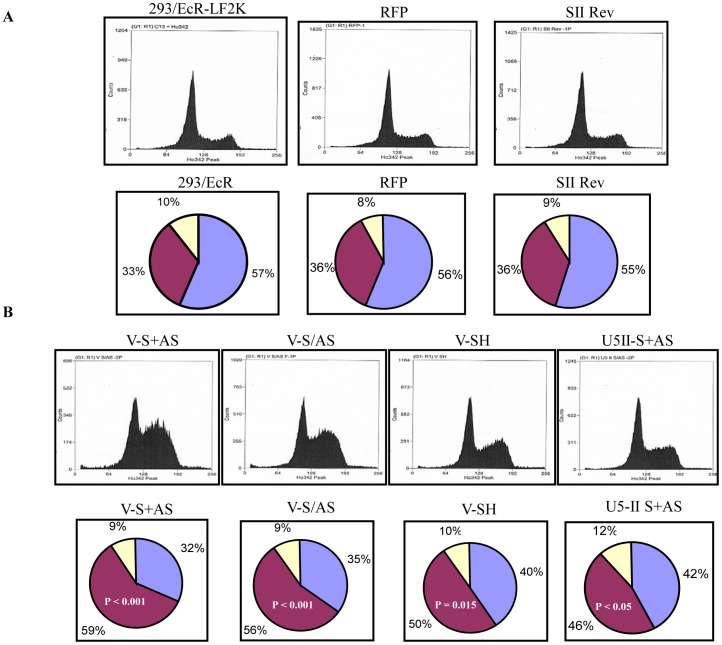
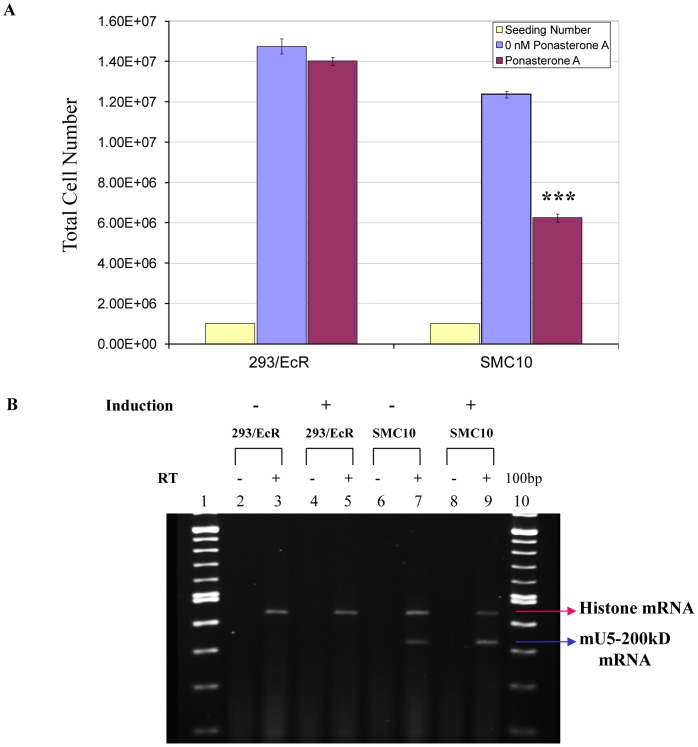
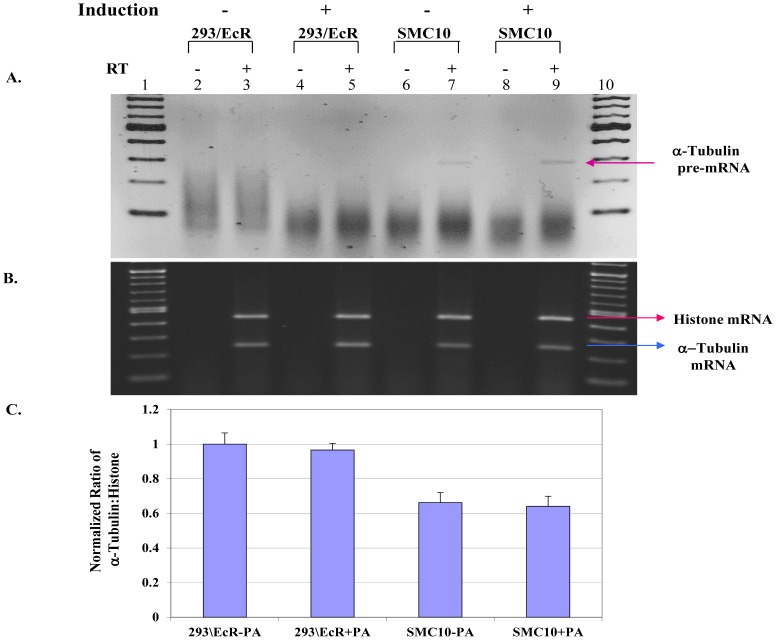
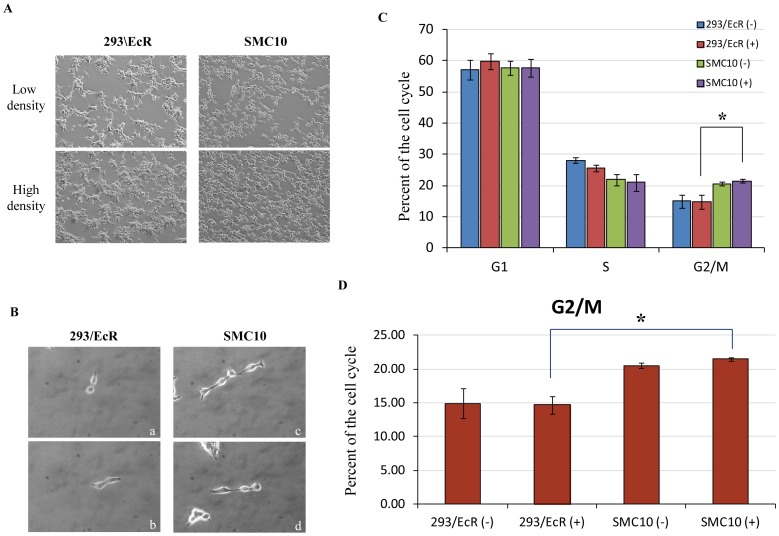
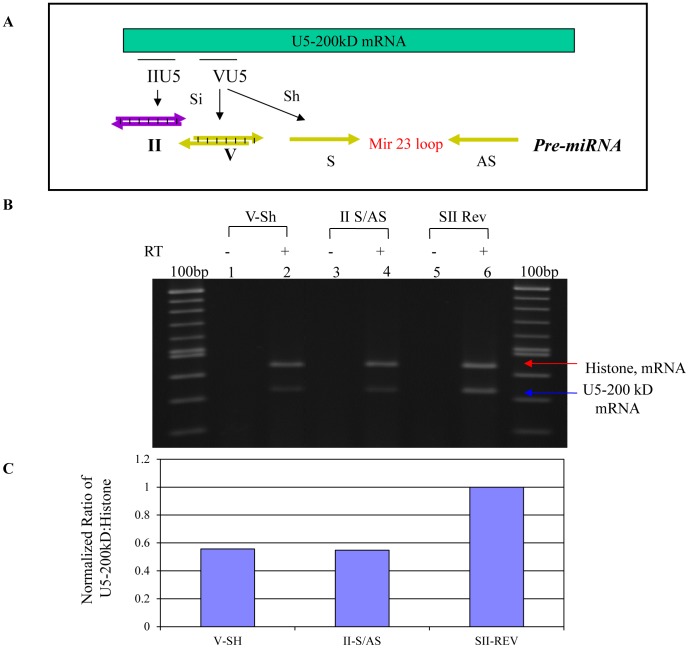
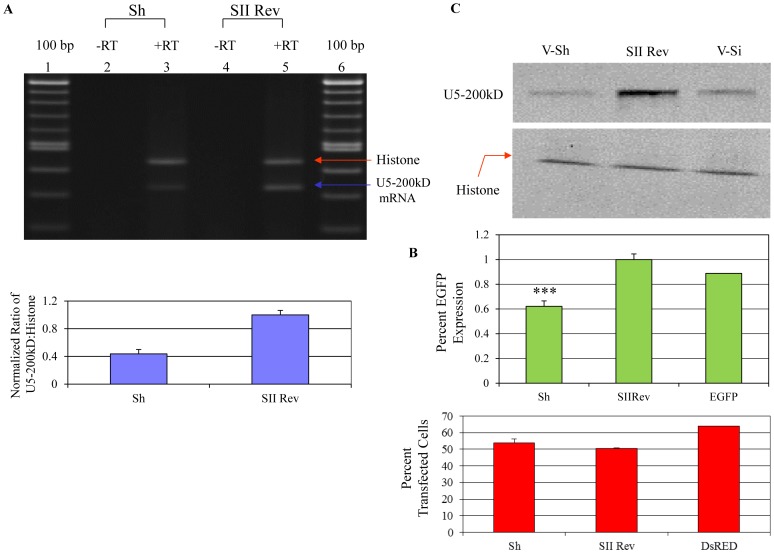
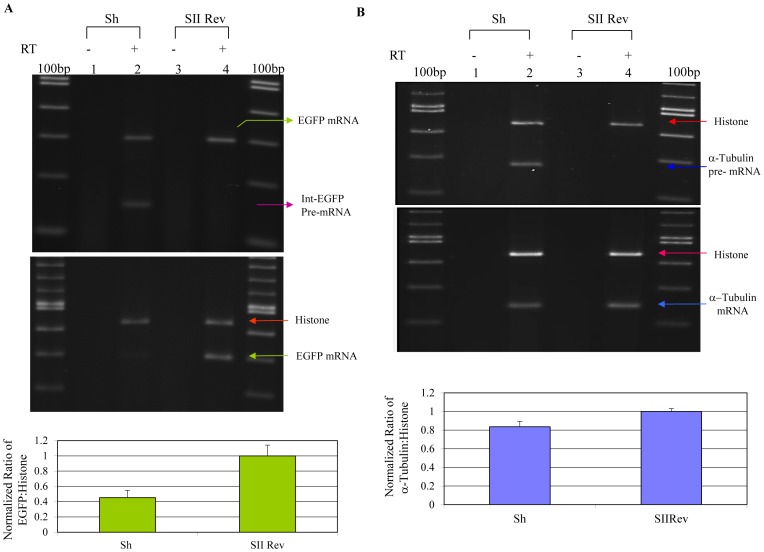
Splicing of pre-messenger RNAs into functional messages requires a concerted assembly of proteins and small RNAs that identify the splice junctions and facilitate cleavage of exon-intron boundaries and ligation of exons. One of the key steps in the splicing reaction is the recruitment of a tri-snRNP harboring the U5/U4/U6 snRNPs. The U5 snRNP is also required for both steps of splicing and exon-exon joining. One of the key components of the tri-snRNP is the U5 200kd helicase. The human U5-200kD gene isolated from Hela cells encodes a 200 kDa protein with putative RNA helicase function. Surprisingly, little is known about the functional role of this protein in humans. Therefore, we have investigated the role of the U5-200kD RNA helicase in mammalian cell culture. We created and expressed a dominant negative domain I mutant of the RNA helicase in HEK293 cells and used RNAi to downregulate expression of the endogenous protein. Transient and stable expression of the domain I mutant U5-200kD protein using an ecdysone-inducible system and transient expression of an anti-U5-200kD short hairpin RNA (shRNA) resulted in differential splicing and growth defects in the 293/EcR cells. Cell cycle analysis of the dominant negative clones revealed delayed exit from the G2/M phase of the cell cycle due to a mild splicing defect. In contrast to the domain I dominant negative mutant expressing cells, transient expression of an anti-U5-200kD shRNA resulted in a pronounced S phase arrest and a minute splicing defect. Collectively, this work demonstrates for the first time establishment of differential human cell culture splicing and cell cycle defect models due to perturbed levels of an essential core splicing factor.
前信使 RNA 的剪接成有功能的信息需要蛋白质和小 RNA 的协同组装,这些蛋白质和小 RNA 可以识别剪接接头,并促进外显子-内含子边界的切割和外显子的连接。剪接反应的关键步骤之一是募集含有 U5/U4/U6 snRNPs 的三 snRNP。U5 snRNP 也是剪接和外显子-外显子连接的两个步骤所必需的。三 snRNP 的关键组成部分之一是 U5 200kd 解旋酶。从 Hela 细胞中分离出的人 U5-200kD 基因编码一种 200 kDa 的蛋白质,具有潜在的 RNA 解旋酶功能。令人惊讶的是,人们对这种蛋白质在人类中的功能作用知之甚少。因此,我们研究了 U5-200kD RNA 解旋酶在哺乳动物细胞培养中的作用。我们在 HEK293 细胞中创建并表达了 RNA 解旋酶的显性负性结构域 I 突变体,并使用 RNAi 下调内源性蛋白质的表达。使用蜕皮激素诱导系统瞬时和稳定表达结构域 I 突变体 U5-200kD 蛋白,以及瞬时表达抗 U5-200kD 短发夹 RNA(shRNA),导致 293/EcR 细胞中的差异剪接和生长缺陷。显性负性克隆的细胞周期分析显示,由于轻微的剪接缺陷,细胞周期从 G2/M 期退出延迟。与表达结构域 I 显性负性突变体的细胞相反,瞬时表达抗 U5-200kD shRNA 导致明显的 S 期停滞和微小的剪接缺陷。总之,这项工作首次证明了由于必需核心剪接因子水平的扰动,建立了差异人类细胞培养剪接和细胞周期缺陷模型。