Zhang Yaojun, Bourantas Christos V, Farooq Vasim, Muramatsu Takashi, Diletti Roberto, Onuma Yoshinobu, Garcia-Garcia Hector M, Serruys Patrick W
Thoraxcenter, Erasmus Medical Center, Rotterdam, The Netherlands; ; Division of Cardiovascular Diseases, Nanjing First Hospital, Nanjing Medical University, Nanjing, People's Republic of China.
Med Devices (Auckl). 2013 Mar 12;6:37-48. doi: 10.2147/MDER.S22547. Print 2013.
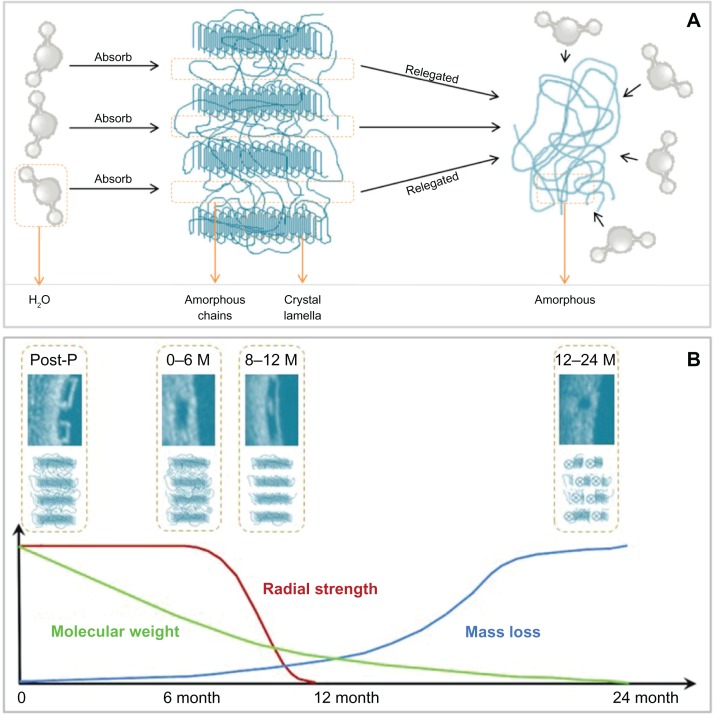
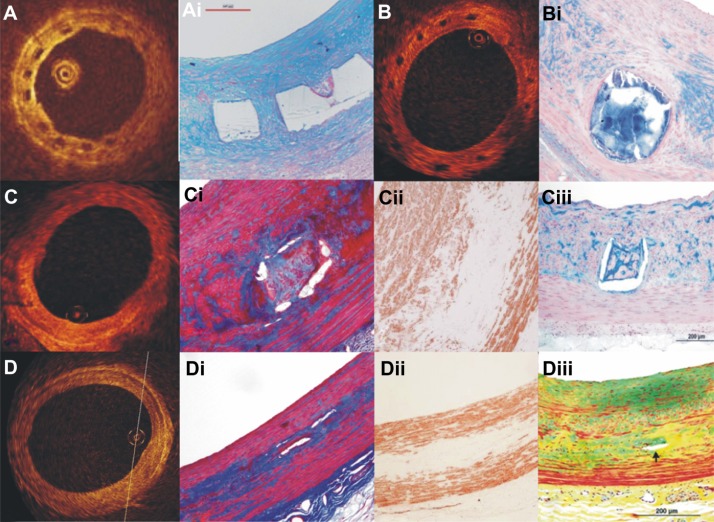
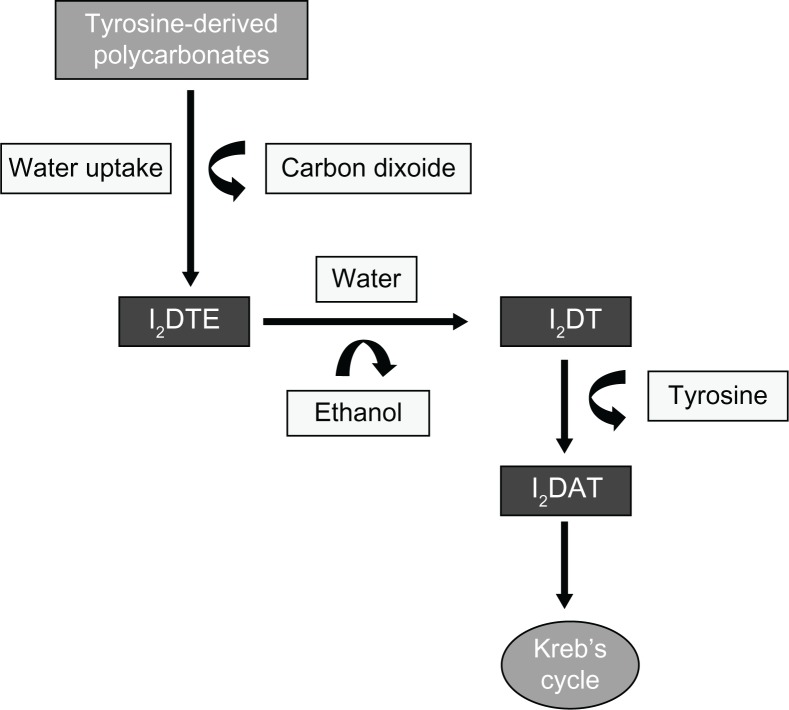
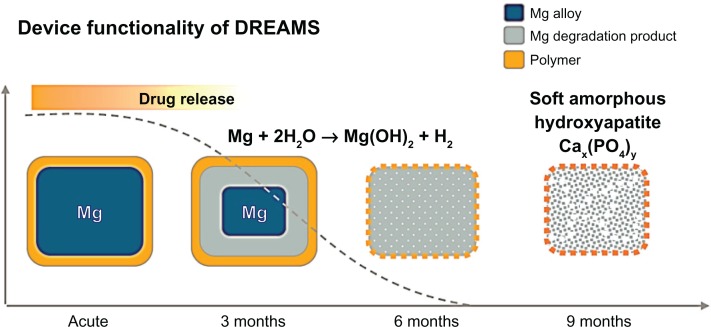
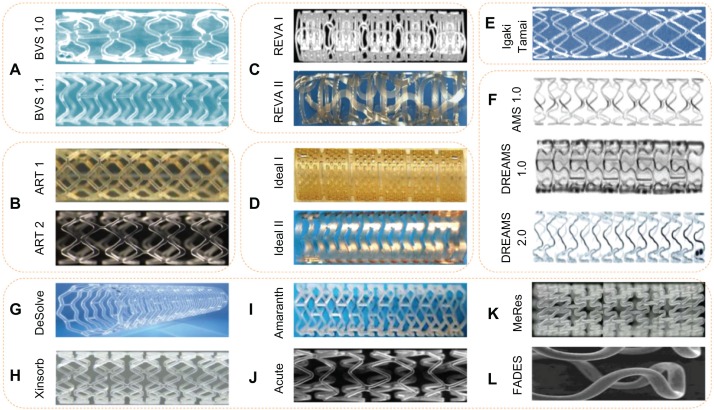
Drug-eluting stents have reduced the risk of in-stent restenosis and have broadened the application in percutaneous coronary intervention in coronary artery disease. However, the concept of using a permanent metallic endovascular device to restore the patency of a stenotic artery has inherited pitfalls, namely the presence of a foreign body within the artery causing vascular inflammation, late complications such as restenosis and stent thrombosis, and impeding the restoration of the physiologic function of the stented segment. Bioresorbable scaffolds (BRS) were introduced to potentially overcome these limitations, as they provide temporary scaffolding and then disappear, liberating the treated vessel from its cage. Currently, several BRSs are available, undergoing evaluation either in clinical trials or in preclinical settings. The aim of this review is to present the new developments in BRS technology, describe the mechanisms involved in the resorption process, and discuss the potential future prospects of this innovative therapy.
药物洗脱支架降低了支架内再狭窄的风险,并扩大了其在冠心病经皮冠状动脉介入治疗中的应用。然而,使用永久性金属血管内装置来恢复狭窄动脉通畅性的理念存在缺陷,即动脉内存在异物会引发血管炎症、再狭窄和支架血栓形成等晚期并发症,并且会阻碍支架段生理功能的恢复。生物可吸收支架(BRS)的出现有望克服这些局限性,因为它们提供临时支架,随后消失,使治疗的血管摆脱束缚。目前,有几种生物可吸收支架可供使用,正在进行临床试验或临床前评估。本综述的目的是介绍生物可吸收支架技术的新进展,描述吸收过程中涉及的机制,并探讨这种创新疗法未来的潜在前景。