Department of Tissue Regeneration Product Technology, Faculty of Biomedical Technology and Device Research, Industrial Technology Research Institute, Hsinchu, Taiwan.
PLoS One. 2013 May 8;8(5):e63653. doi: 10.1371/journal.pone.0063653. Print 2013.
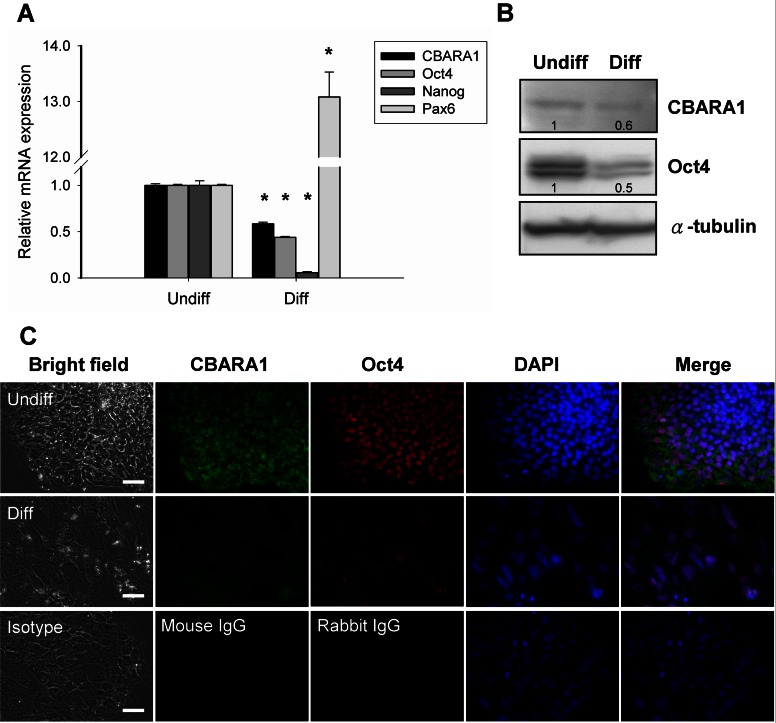
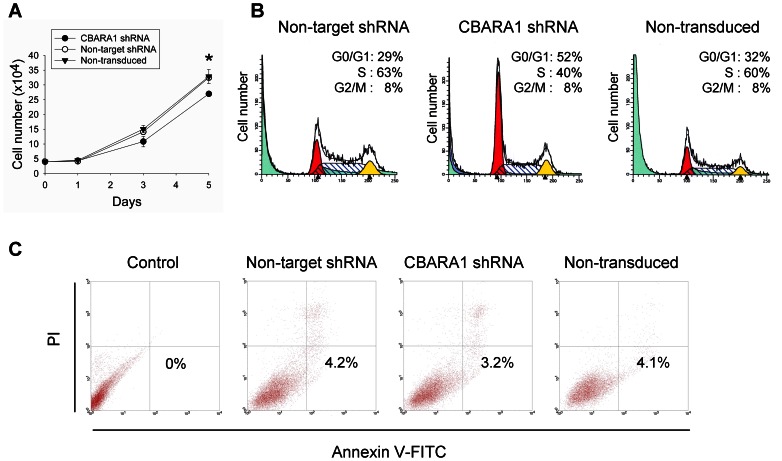
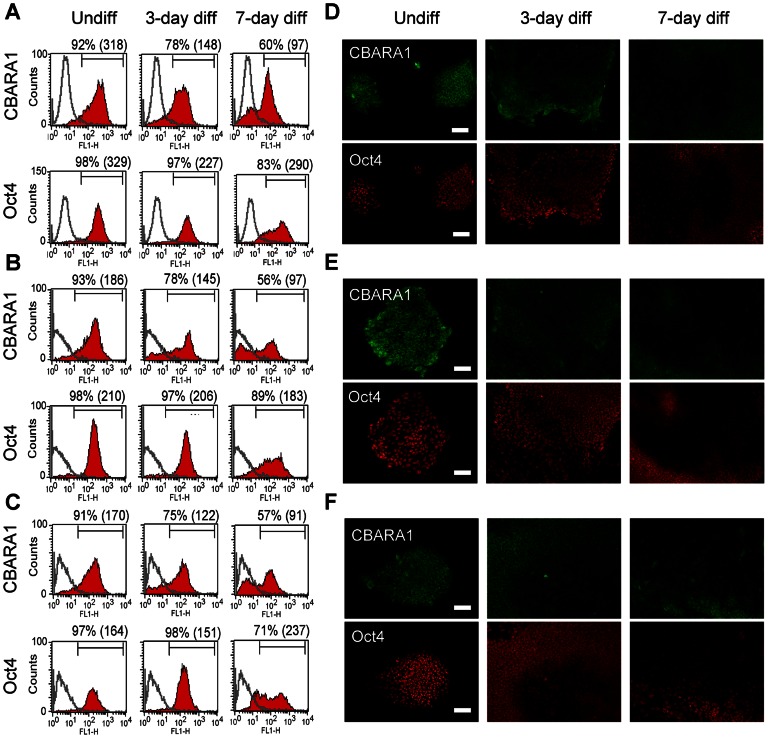
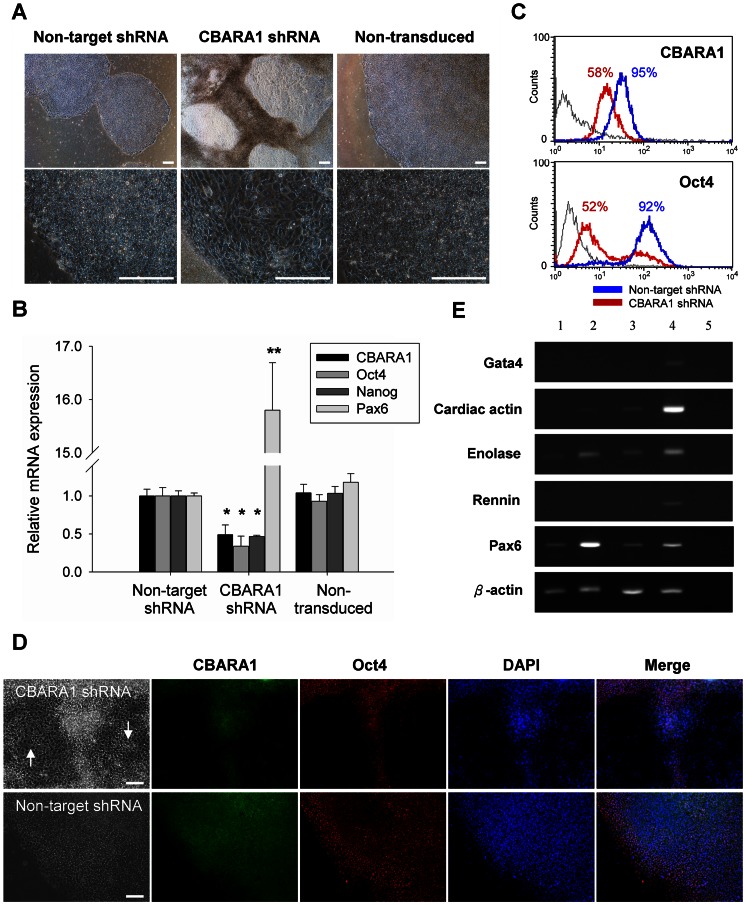
Human embryonic stem cells (hESCs) are capable of unlimited self-renewal and can generate almost all of the cells in the body. Although some pluripotency factors have been identified, much remains unclear regarding the molecules and mechanisms that regulate hESC self-renewal and pluripotency. In this study, we identified a mitochondrial gene, CBARA1, that is expressed in undifferentiated hESCs and that is down-regulated rapidly after cellular differentiation. To study its role in hESCs, endogenous CBARA1 expression was knocked down using shRNA. CBARA1 knockdown in hESCs resulted in down-regulation of Oct4 and Nanog expression, attenuated cell growth, and G0/G1 phase cell cycle arrest; however, knockdown did not noticeably affect apoptosis. Taken together, these results suggest that CBARA1 is a marker for undifferentiated hESCs that plays a role in maintaining stemness, cell cycle progression, and proliferation.
人类胚胎干细胞(hESCs)具有无限自我更新的能力,并能生成体内几乎所有的细胞。尽管已经鉴定出一些多能性因子,但对于调节 hESC 自我更新和多能性的分子和机制仍知之甚少。在这项研究中,我们鉴定了一个线粒体基因 CBARA1,它在未分化的 hESCs 中表达,并在细胞分化后迅速下调。为了研究其在 hESCs 中的作用,我们使用 shRNA 敲低内源性 CBARA1 的表达。CBARA1 在 hESCs 中的敲低导致 Oct4 和 Nanog 表达下调,细胞生长减弱,G0/G1 期细胞周期停滞;然而,敲低对细胞凋亡没有明显影响。综上所述,这些结果表明 CBARA1 是未分化 hESCs 的标志物,在维持干细胞特性、细胞周期进程和增殖方面发挥作用。