Carlucci John R, Nabizada-Pace Fatima, Samadi David B
Department of Urology, Mount Sinai School of Medicine, New York, USA.
Int J Biomed Sci. 2009 Sep;5(3):201-8.
Robotic prostatectomy techniques are evolving rapidly as the procedure gains popularity and continues to be compared to the gold standard of open retropubic radical prostatectomy. Our objective is to report the operative technique and outcomes of 700 consecutive robotic radical prostatectomies performed by a single surgeon at Mount Sinai Medical Center between May 2007 and October 2008. Data was prospectively collected in an Internal Review Board (IRB)-approved database.
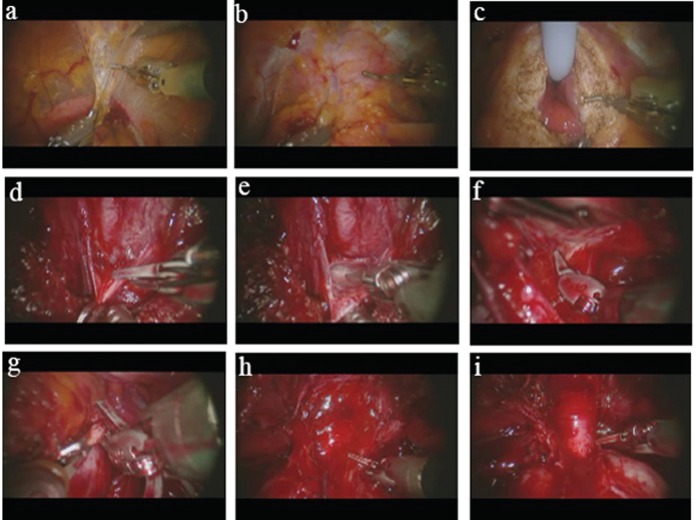
Key aspects of our technique include 1) dissection of the bladder neck first; 2) minimal to no use of cautery from posterior bladder neck dissection onward; 3) leaving endopelvic fascia intact until after neurovascular bundles dissected; 4) preservation of a wide margin of endopelvic fascia; 5) posterior dissection and nerve-sparing in a medial to lateral direction; 6) cold transection of the dorsal venous complex without prior ligation; and 7) posterior bladder neck reconstruction.
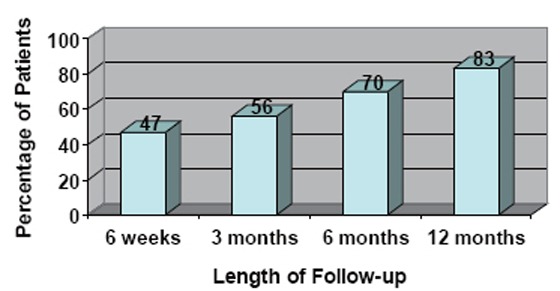
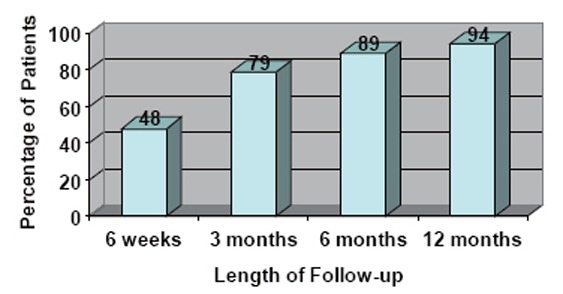
Mean OR time from skin incision to skin closure was 124 minutes [48-266]; mean robotic time was 88 minutes [36-190]. Mean EBL was 69.3ml [5-400]. Mean and median length of stay was 1 day. Overall complication rate was 3.3% with no mortalities and no conversions to open or laparoscopic approaches. The overall positive margin rate (PMR) was 11.9%. PMR was 1.4% for pT2a, 0% for pT2b, 8.3% for pT2c, 39.7% for pT3a, and 56.7% for pT3b. Biochemical recurrence rate at one year was 1.7%. Continence rate by 12 months was 94%. Potency rate by 12 months was 83%.
Both perioperative and postoperative outcomes of our series of robotic prostatectomies performed by a single surgeon at Mount Sinai Medical Center demonstrate the superb outcomes that can be achieved through this modality of treatment.
随着机器人前列腺切除术越来越受欢迎,并持续与开放性耻骨后根治性前列腺切除术这一金标准进行比较,该手术技术正在迅速发展。我们的目标是报告2007年5月至2008年10月期间,西奈山医疗中心的一位外科医生连续进行的700例机器人根治性前列腺切除术的手术技术及结果。数据是在内部审查委员会(IRB)批准的数据库中前瞻性收集的。
我们技术的关键方面包括:1)首先解剖膀胱颈;2)从膀胱颈后部分离开始,尽量少用或不用电灼;3)在解剖神经血管束之前保持盆腔内筋膜完整;4)保留宽的盆腔内筋膜边缘;5)从内侧到外侧进行后部分离和保留神经;6)在未预先结扎的情况下冷切断背静脉复合体;7)进行膀胱颈后重建。
从皮肤切口到皮肤缝合的平均手术时间为124分钟[48 - 266];平均机器人操作时间为88分钟[36 - 190]。平均估计失血量为69.3毫升[5 - 400]。平均和中位住院时间为1天。总体并发症发生率为3.3%,无死亡病例,无转为开放或腹腔镜手术的情况。总体切缘阳性率(PMR)为11.9%。pT2a的PMR为1.4%,pT2b为0%,pT2c为8.3%,pT3a为39.7%,pT3b为56.7%。一年时的生化复发率为1.7%。12个月时的控尿率为94%。12个月时的性功能恢复率为83%。
我们在西奈山医疗中心由一位外科医生进行的这一系列机器人前列腺切除术的围手术期和术后结果均表明,通过这种治疗方式可取得卓越的效果。