Am J Trop Med Hyg. 2013 Jul;89(1):11-15. doi: 10.4269/ajtmh.13-0089. Epub 2013 May 20.
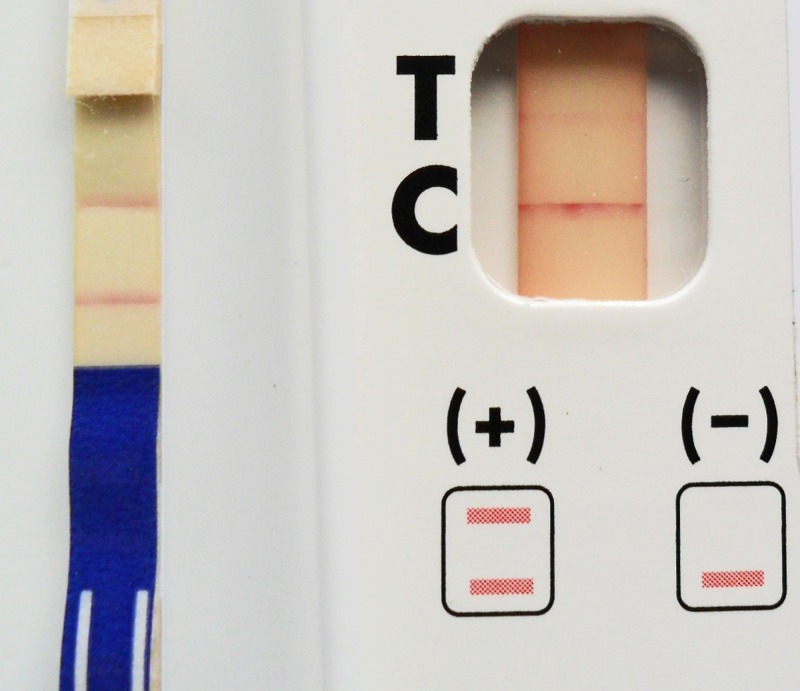
Global Program to Eliminate Lymphatic Filariasis (GPELF) guidelines call for using filarial antigen testing to identify endemic areas that require mass drug administration (MDA) and for post-MDA surveillance. We compared a new filarial antigen test (the Alere Filariasis Test Strip) with the reference BinaxNOW Filariasis card test that has been used by the GPELF for more than 10 years. Laboratory testing of 227 archived serum or plasma samples showed that the two tests had similar high rates of sensitivity and specificity and > 99% agreement. However, the test strip detected 26.5% more people with filarial antigenemia (124/503 versus 98/503) and had better test result stability than the card test in a field study conducted in a filariasis-endemic area in Liberia. Based on its increased sensitivity and other practical advantages, we believe that the test strip represents a major step forward that will be welcomed by the GPELF and the filariasis research community.
全球消灭淋巴丝虫病规划(GPELF)指南呼吁使用丝虫抗原检测来确定需要大规模药物治疗(MDA)的流行地区,并进行 MDA 后监测。我们将一种新的丝虫抗原检测方法(Alere 丝虫病检测条)与 GPELF 十多年来一直使用的参考 BinaxNOW 丝虫病卡片检测进行了比较。对 227 份存档的血清或血浆样本进行的实验室检测表明,这两种检测方法具有相似的高灵敏度和特异性,以及>99%的一致性。然而,在利比里亚一个丝虫病流行地区进行的现场研究中,检测条检测到的丝虫抗原血症患者比例比卡片检测高 26.5%(124/503 比 98/503),并且在测试结果稳定性方面优于卡片检测。基于其更高的灵敏度和其他实际优势,我们相信该检测条是向前迈出的重要一步,将受到 GPELF 和丝虫病研究界的欢迎。