Department of Biological and Environmental Sciences, University of Gothenburg, Gothenburg, Sweden.
PLoS One. 2013 May 14;8(5):e62859. doi: 10.1371/journal.pone.0062859. Print 2013.
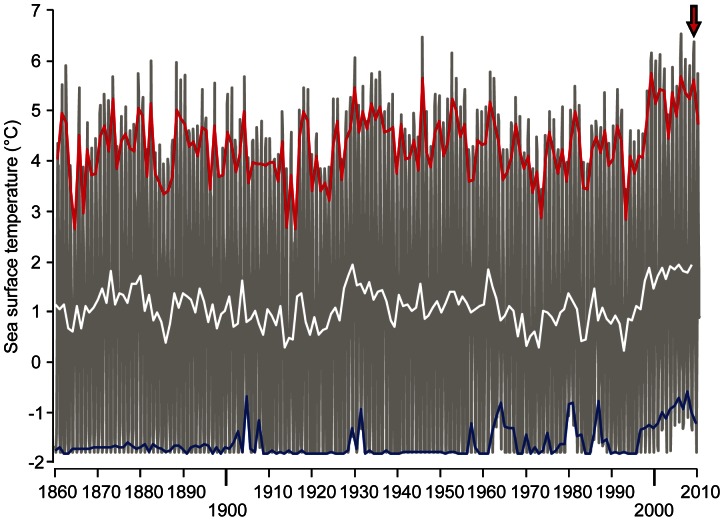
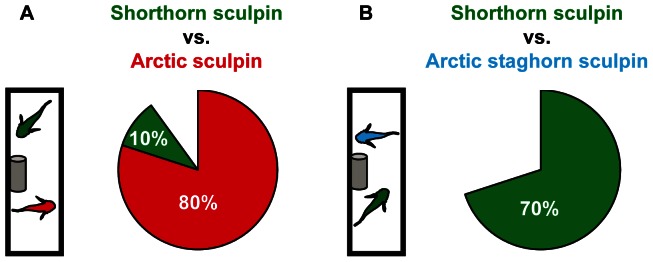
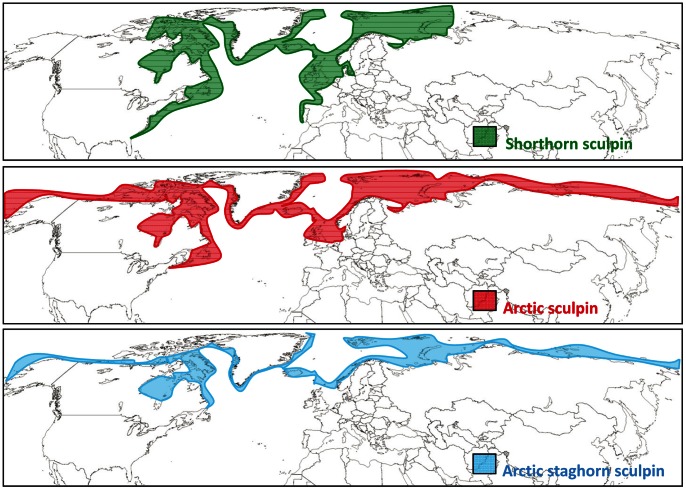
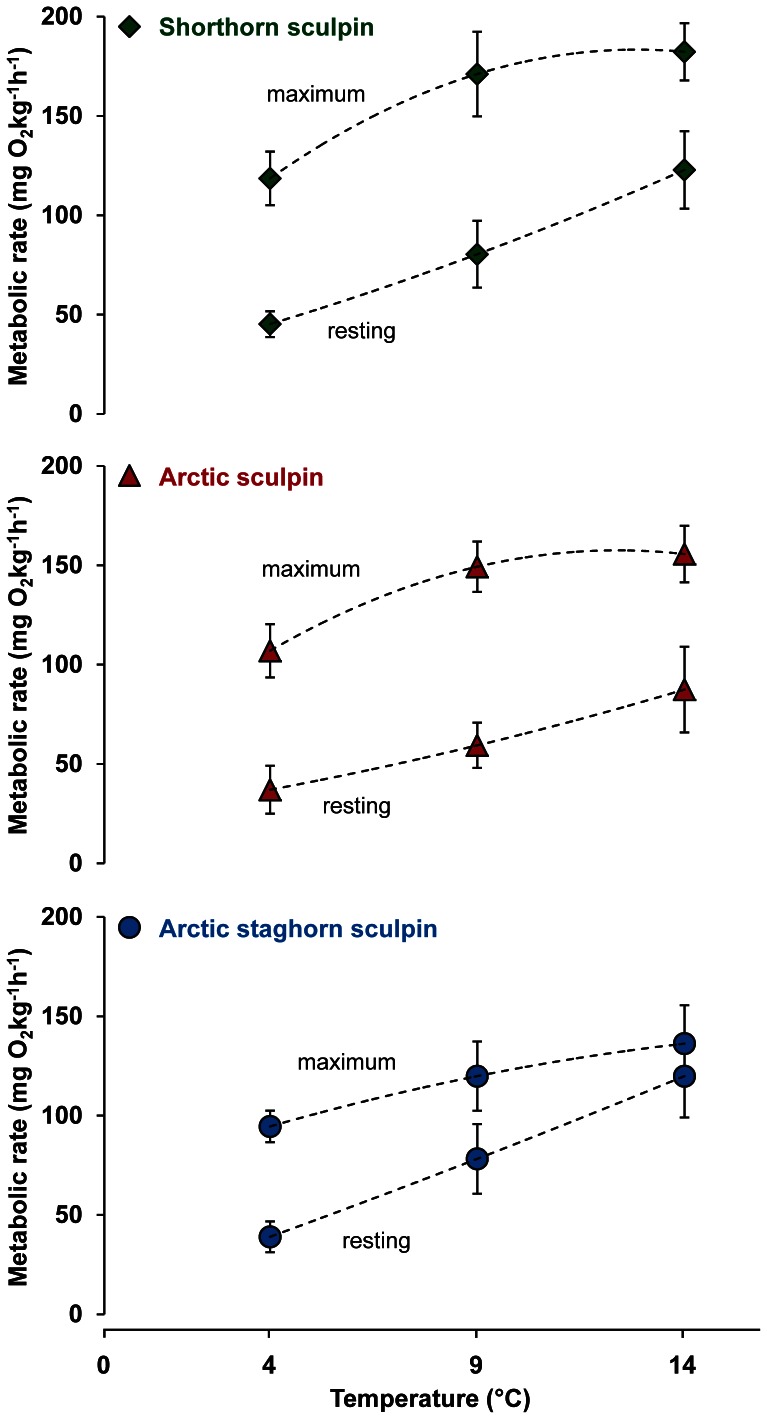
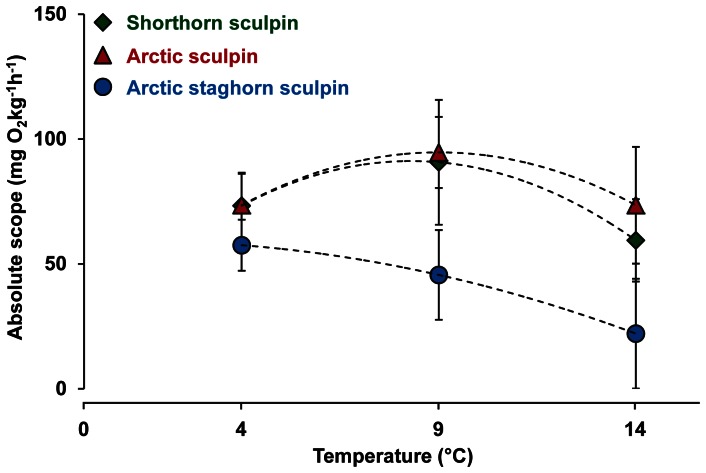
Ongoing climate change has led to an increase in sea surface temperatures of 2-4°C on the west coast of Greenland. Since fish are ectothermic, metabolic rate increases with ambient temperature. This makes these animals particularly sensitive to changes in temperature; subsequently any change may influence their metabolic scope, i.e. the physiological capacity to undertake aerobically challenging activities. Any temperature increase may thus disrupt species-specific temperature adaptations, at both the molecular level as well as in behavior, and concomitant species differences in the temperature sensitivity may shift the competitive balance among coexisting species. We investigated the influence of temperature on metabolic scope and competitive ability in three species of marine sculpin that coexist in Greenland coastal waters. Since these species have different distribution ranges, we hypothesized that there should be a difference in their physiological response to temperature; hence we compared their metabolic scope at three temperatures (4, 9 and 14°C). Their competitive ability at the ambient temperature of 9°C was also tested in an attempt to link physiological capacity with behaviour. The Arctic staghorn sculpin, the species with the northernmost distribution range, had a lower metabolic scope in the higher temperature range compared to the other two species, which had similar metabolic scope at the three temperatures. The Arctic staghorn sculpin also had reduced competitive ability at 9°C and may thus already be negatively affected by the current ocean warming. Our results suggest that climate change can have effects on fish physiology and interspecific competition, which may alter the species composition of the Arctic fish fauna.
由于格陵兰西海岸的持续气候变化,海面温度已经上升了 2-4°C。由于鱼类是变温动物,其代谢率会随环境温度升高而增加。这使得这些动物对温度变化特别敏感;因此,任何变化都可能影响它们的代谢范围,即进行有氧挑战性活动的生理能力。任何温度的升高都可能破坏特定物种的温度适应性,无论是在分子水平还是在行为上,并且伴随而来的物种对温度敏感性的差异可能会改变共存物种之间的竞争平衡。我们研究了三种在格陵兰沿海水域共存的海狮鱼的温度对代谢范围和竞争能力的影响。由于这些物种的分布范围不同,我们假设它们对温度的生理反应应该存在差异;因此,我们在三个温度(4、9 和 14°C)下比较了它们的代谢范围。我们还在环境温度 9°C 下测试了它们的竞争能力,试图将生理能力与行为联系起来。分布范围最北的北极鹿角海狮鱼在较高温度范围内的代谢范围较低,而另外两种鱼在三个温度下的代谢范围相似。北极鹿角海狮鱼在 9°C 时的竞争能力也降低了,因此可能已经受到当前海洋变暖的负面影响。我们的研究结果表明,气候变化会对鱼类的生理和种间竞争产生影响,这可能会改变北极鱼类区系的物种组成。