Behavioural and Social Neuroscience Research Group, CEITEC-Central European Institute of Technology, Masaryk University, Brno, Czech Republic.
PLoS One. 2013 May 16;8(5):e63293. doi: 10.1371/journal.pone.0063293. Print 2013.
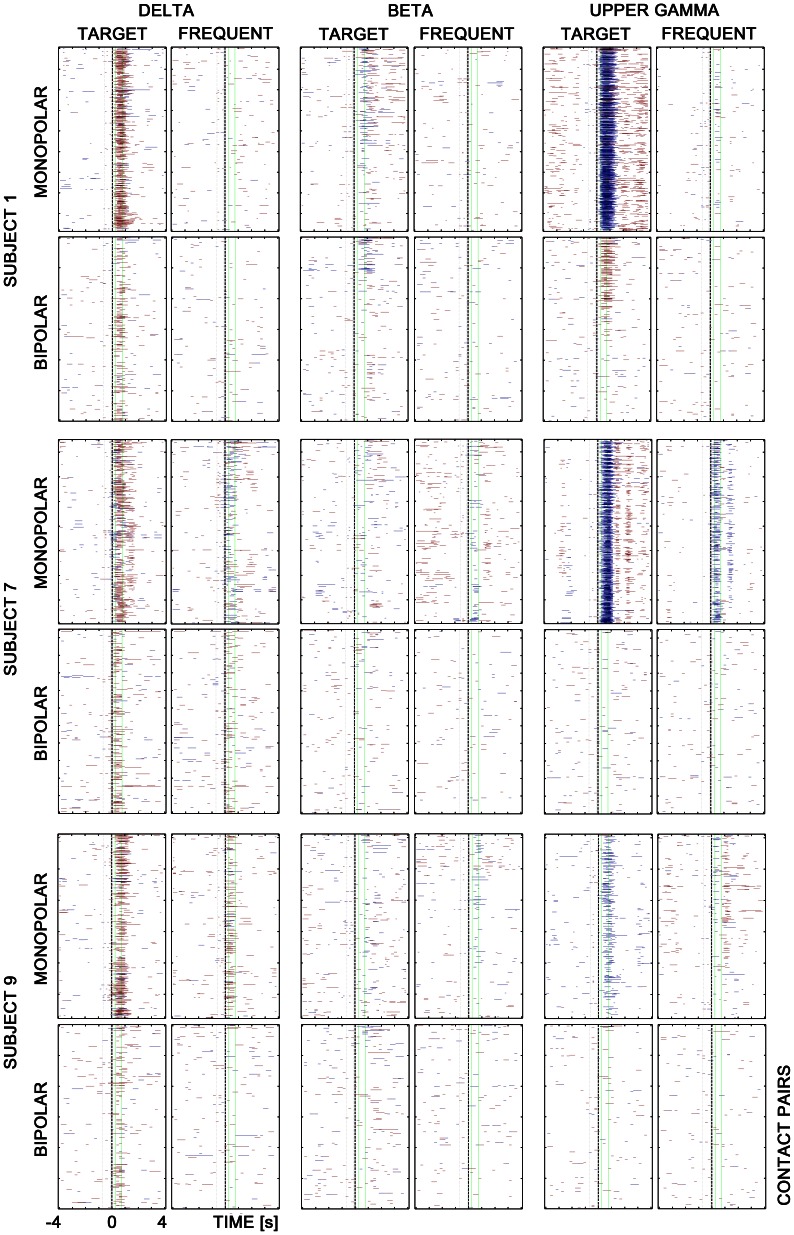
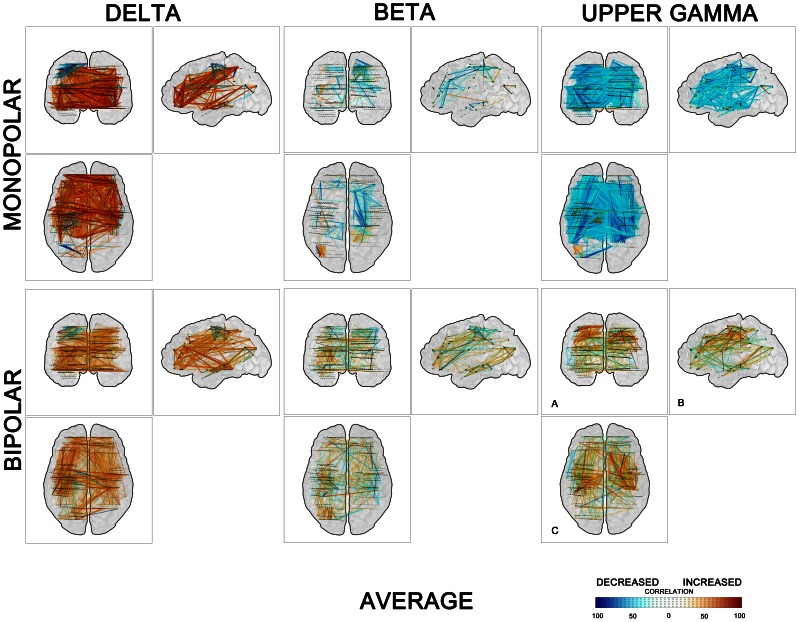
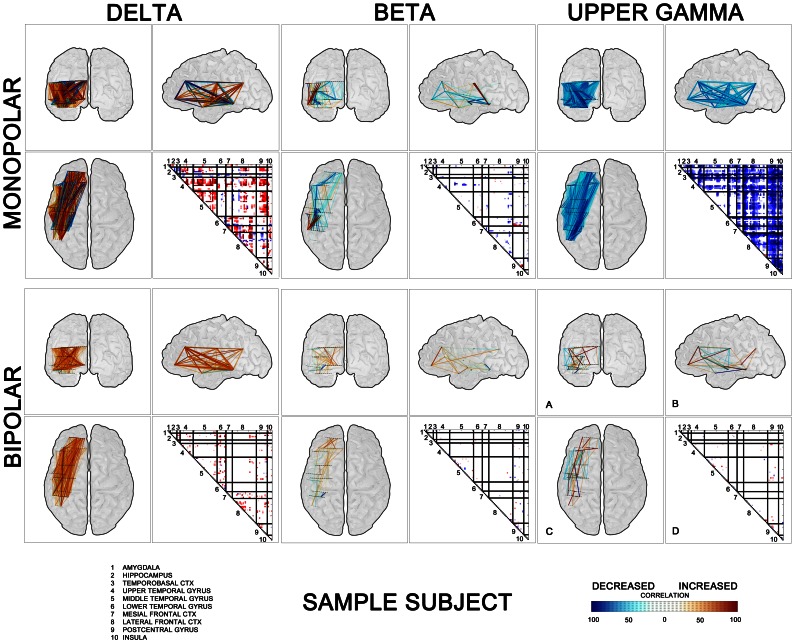
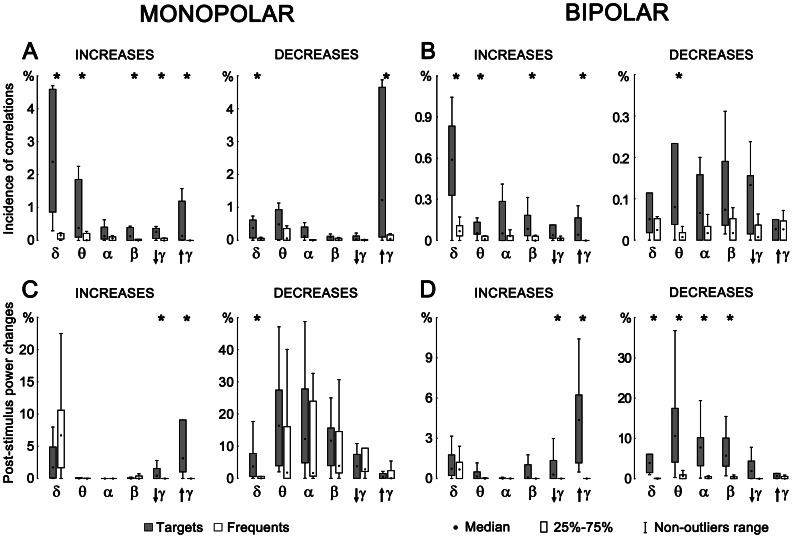
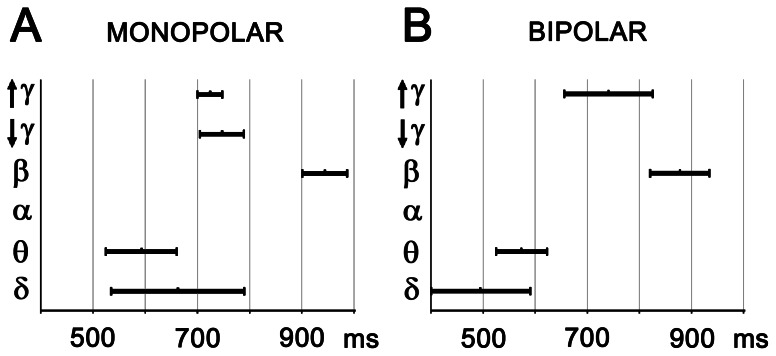
Using intracerebral EEG recordings in a large cohort of human subjects, we investigate the time course of neural cross-talk during a simple cognitive task. Our results show that human brain dynamics undergo a characteristic sequence of synchronization patterns across different frequency bands following a visual oddball stimulus. In particular, an initial global reorganization in the delta and theta bands (2-8 Hz) is followed by gamma (20-95 Hz) and then beta band (12-20 Hz) synchrony.
我们利用大量人类被试的脑内 EEG 记录,研究了简单认知任务过程中的神经串扰时间进程。我们的研究结果表明,在视觉 oddball 刺激后,人类大脑活动会在不同频带中呈现出特征性的同步模式序列。具体而言,在 delta 和 theta 频段(2-8 Hz)中首先出现全局重组,随后是 gamma(20-95 Hz)和 beta 频段(12-20 Hz)的同步。