Stoller Michael, Seiler Christian
Department of Cardiology, University Hospital, CH-3010 Bern, Switzerland.
Curr Cardiol Rev. 2014 Feb;10(1):38-56. doi: 10.2174/1573403x113099990005.
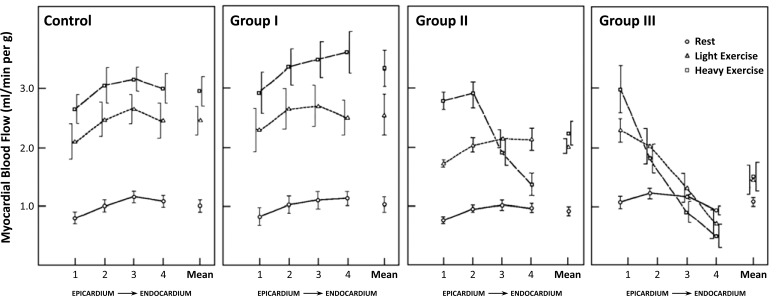
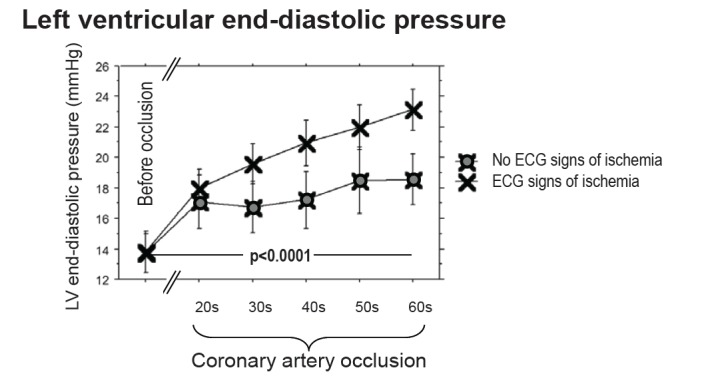
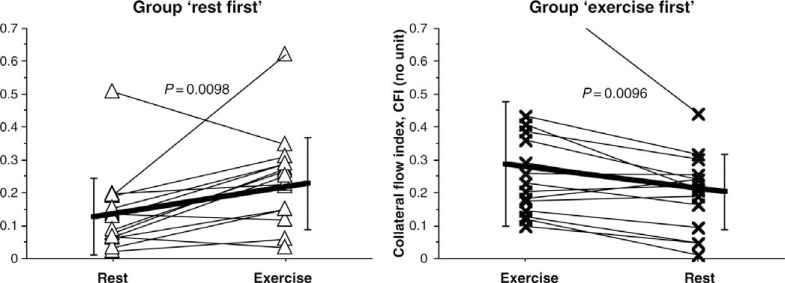
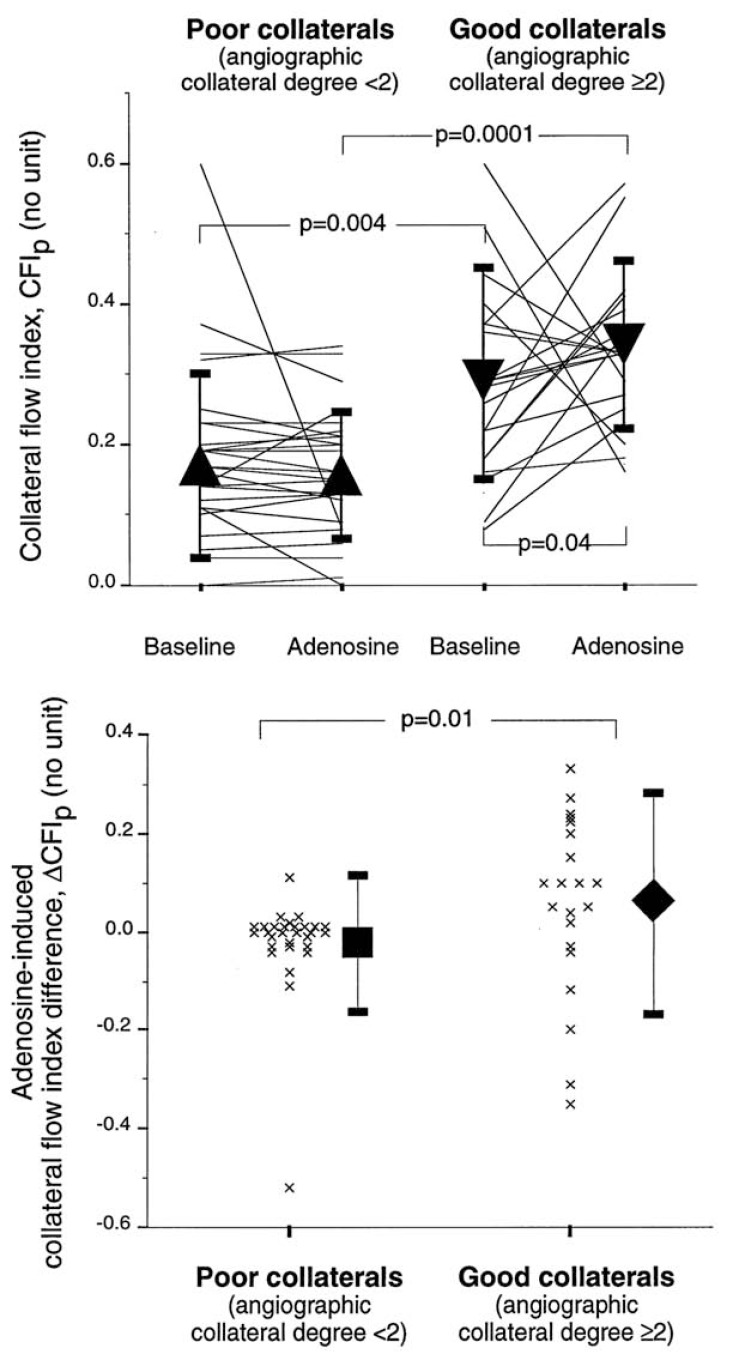
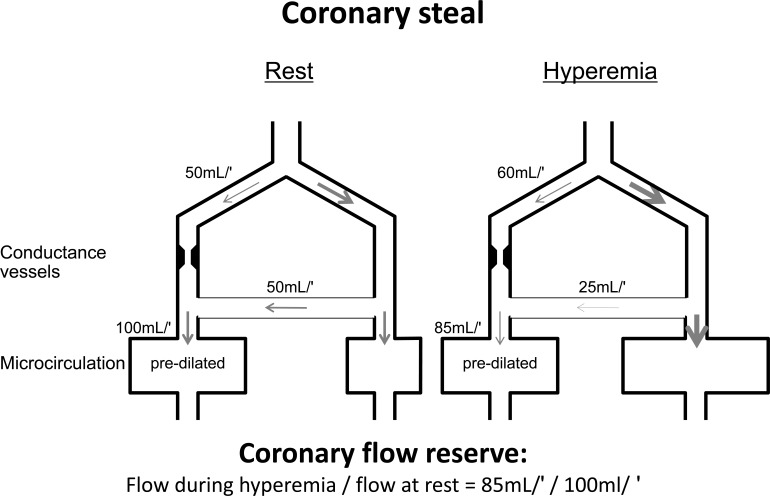
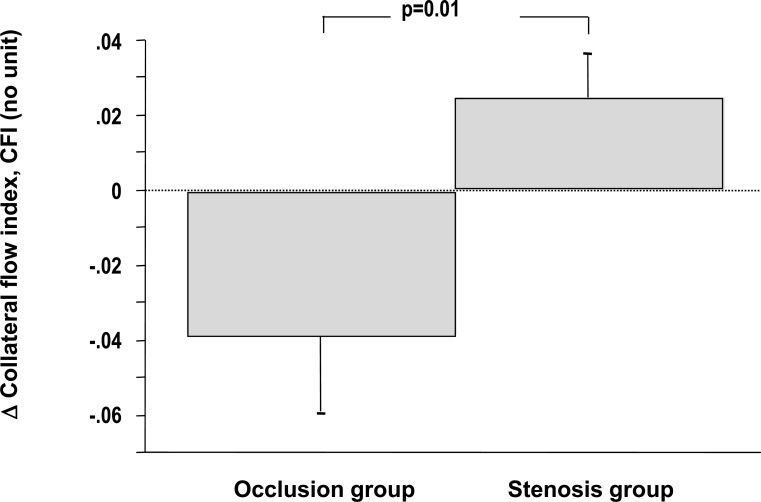
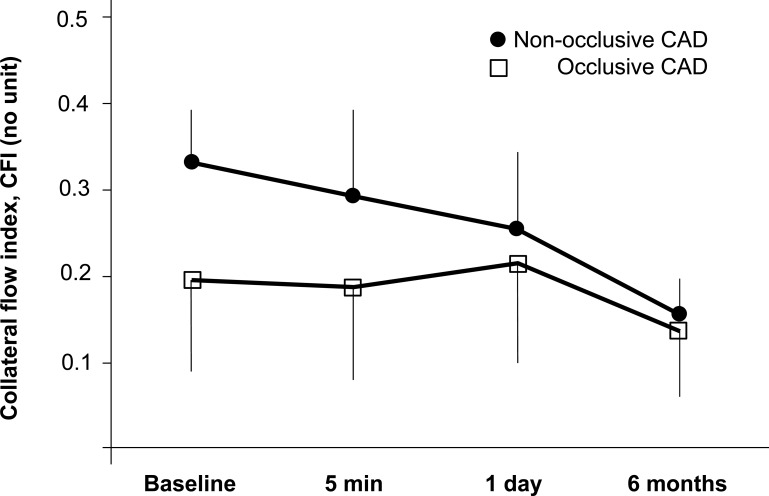
While the existence of structural adaptation of coronary anastomoses is undisputed, the potential of coronary collaterals to be capable of functional adaptation has been questioned. For many years, collateral vessels were thought to be rigid tubes allowing only limited blood flow governed by the pressure gradient across them. This concept was consistent with the notion that although collaterals could provide adequate blood flow to maintain resting levels, they would be unable to increase blood flow sufficiently in situations of increased myocardial oxygen demand. However, more recent studies have demonstrated the capability of the collateral circulation to deliver sufficient blood flow even during exertion or pharmacologic stress. Moreover, it has been shown that increases in collateral flow could be attributed directly to collateral vasomotion. This review summarizes the pathophysiology of the coronary collateral circulation, ie the functional adapation of coronary collaterals to acute alterations in the coronary circulation.
虽然冠状动脉吻合支存在结构适应性这一点无可争议,但冠状动脉侧支具备功能适应性的潜力却受到了质疑。多年来,侧支血管被认为是刚性管道,仅允许由其两端压力梯度控制的有限血流通过。这一概念与以下观点一致,即尽管侧支能够提供足够的血流以维持静息水平,但在心肌需氧量增加的情况下,它们无法充分增加血流。然而,最近的研究表明,即使在运动或药物应激期间,侧支循环也有能力输送足够的血流。此外,研究表明侧支血流的增加可直接归因于侧支血管运动。本综述总结了冠状动脉侧支循环的病理生理学,即冠状动脉侧支对冠状动脉循环急性改变的功能适应性。