Department of Veterinary Clinical and Animal Sciences, University of Copenhagen, Groennegaardsvej 3, Frederiksberg 1870, Denmark.
Nanoscale Res Lett. 2013 May 24;8(1):251. doi: 10.1186/1556-276X-8-251.
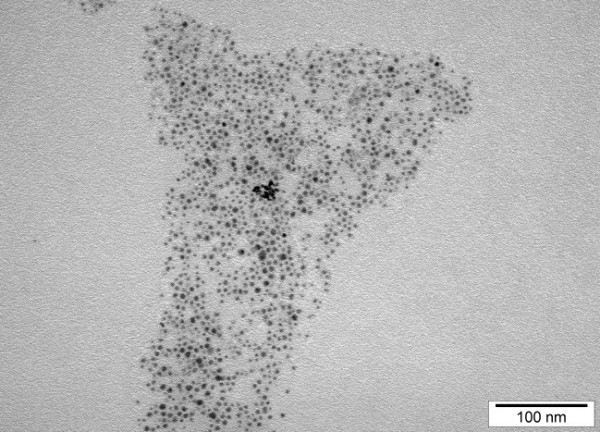
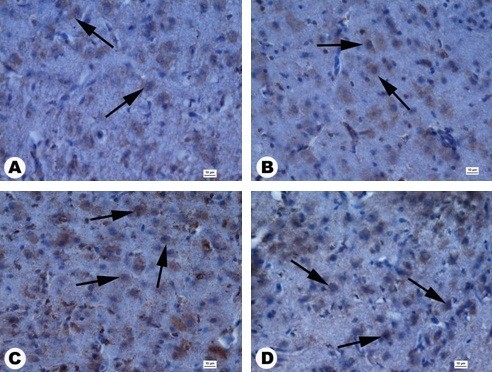
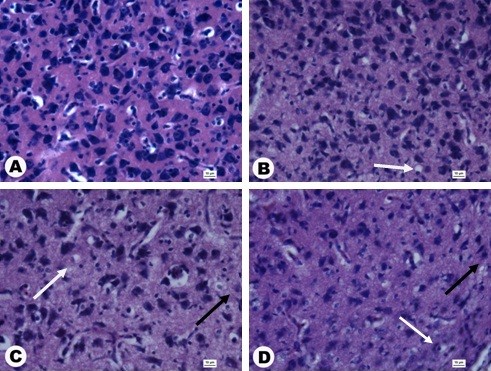
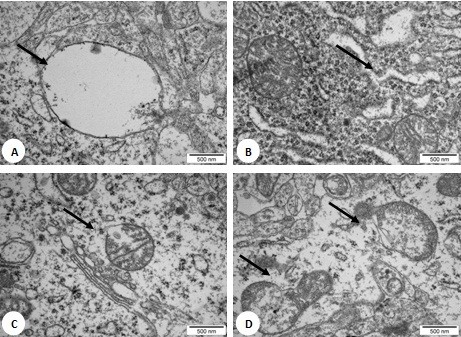
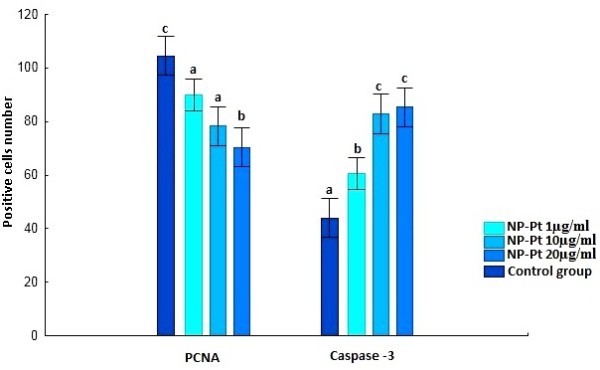
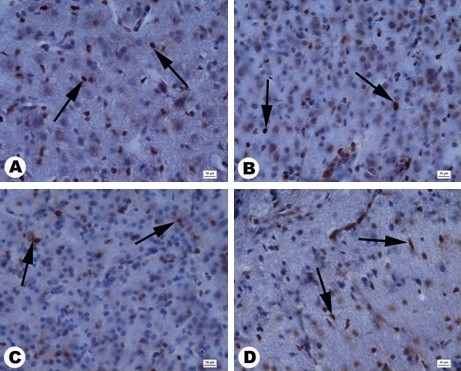
Platinum nanoparticles (NP-Pt) are noble metal nanoparticles with unique physiochemical properties that have recently elicited much interest in medical research. However, we still know little about their toxicity and influence on general health. We investigated effects of NP-Pt on the growth and development of the chicken embryo model with emphasis on brain tissue micro- and ultrastructure. The embryos were administered solutions of NP-Pt injected in ovo at concentrations from 1 to 20 μg/ml. The results demonstrate that NP-Pt did not affect the growth and development of the embryos; however, they induced apoptosis and decreased the number of proliferating cells in the brain tissue. These preliminary results indicate that properties of NP-Pt might be utilized in brain cancer therapy, but potential toxic side effects must be elucidated in extensive follow-up research.
铂纳米粒子(NP-Pt)是具有独特物理化学性质的贵金属纳米粒子,最近在医学研究中引起了广泛关注。然而,我们对其毒性及其对整体健康的影响仍知之甚少。我们研究了 NP-Pt 对鸡胚模型生长和发育的影响,重点是脑组织的微观和超微结构。胚胎通过卵内注射 NP-Pt 溶液进行处理,浓度范围为 1 至 20μg/ml。结果表明,NP-Pt 不会影响胚胎的生长和发育,但会诱导细胞凋亡并减少脑组织中增殖细胞的数量。这些初步结果表明,NP-Pt 的特性可能被用于脑癌治疗,但必须在广泛的后续研究中阐明其潜在的毒性副作用。