Autonomic Laboratory, Department of Neurology and Clinical Neurophysiology, Faculty of Health, HELIOS-Klinikum Wuppertal, University of Witten/Herdecke Wuppertal, Germany.
Front Neurol. 2013 May 15;4:49. doi: 10.3389/fneur.2013.00049. eCollection 2013.
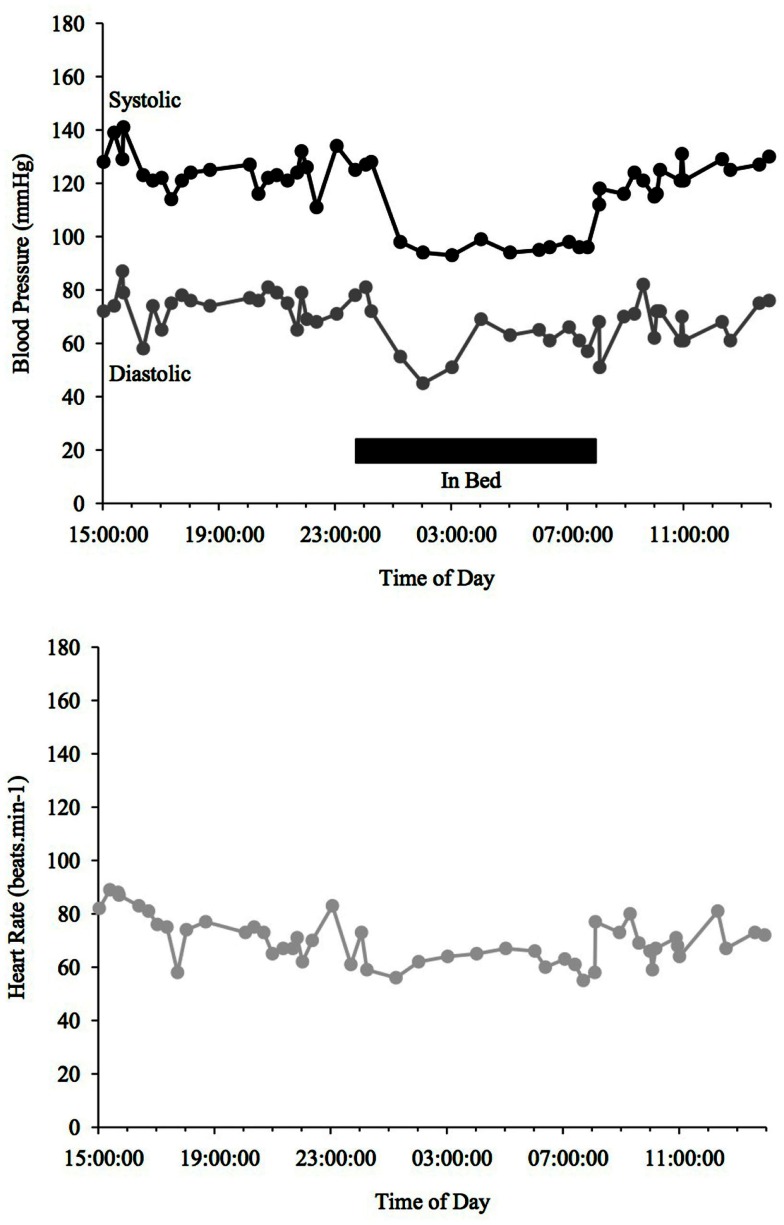
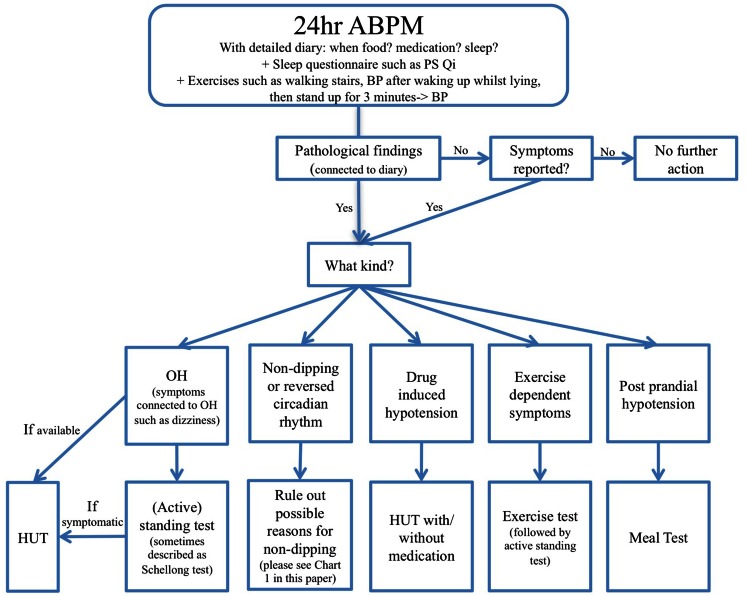
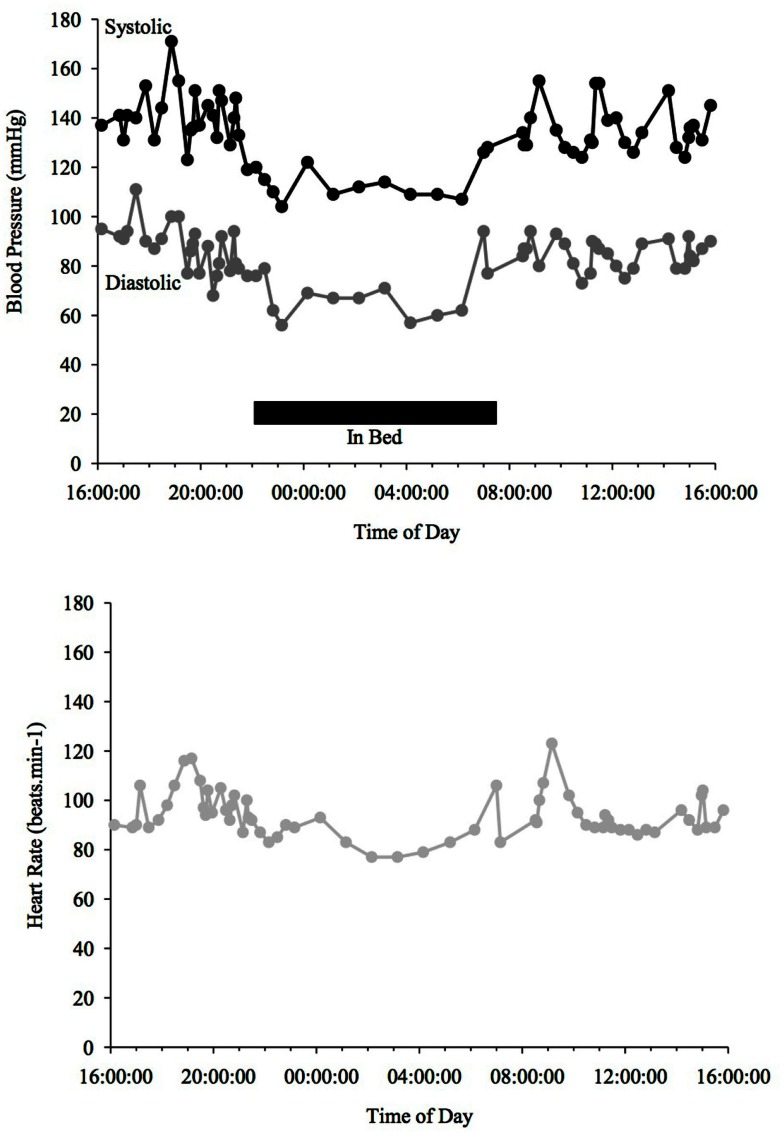
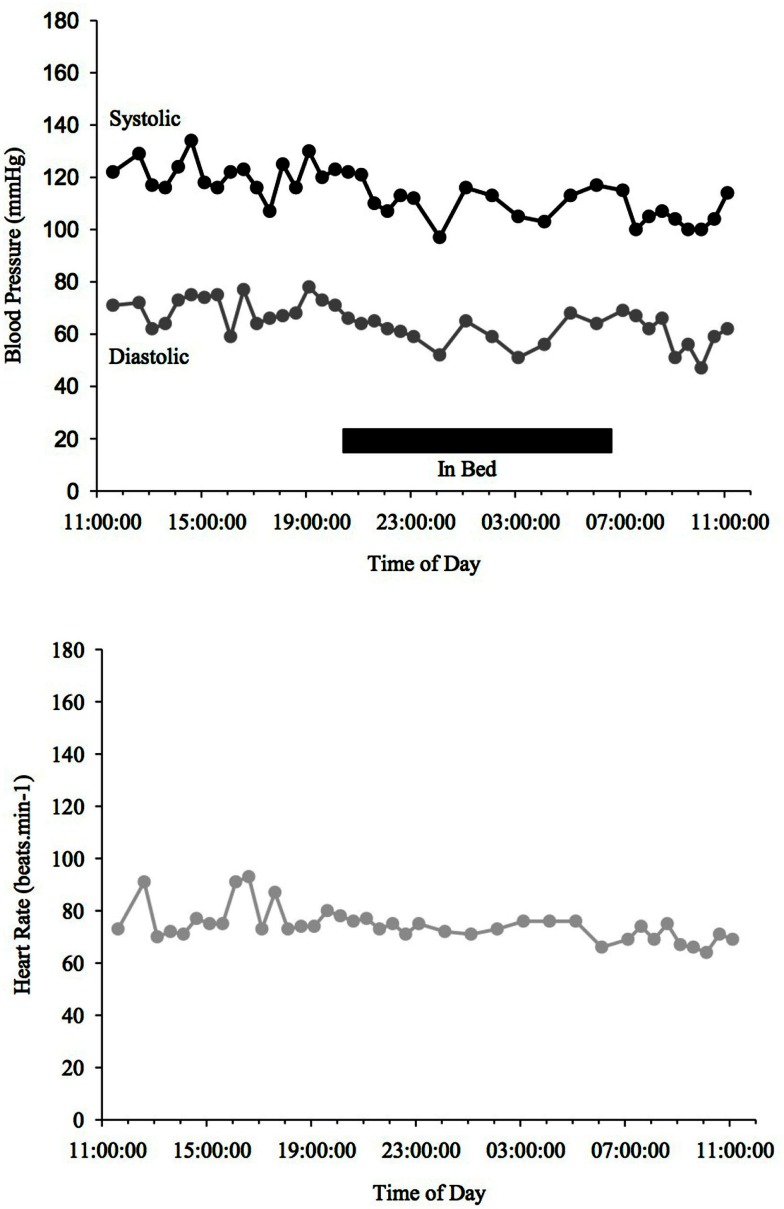
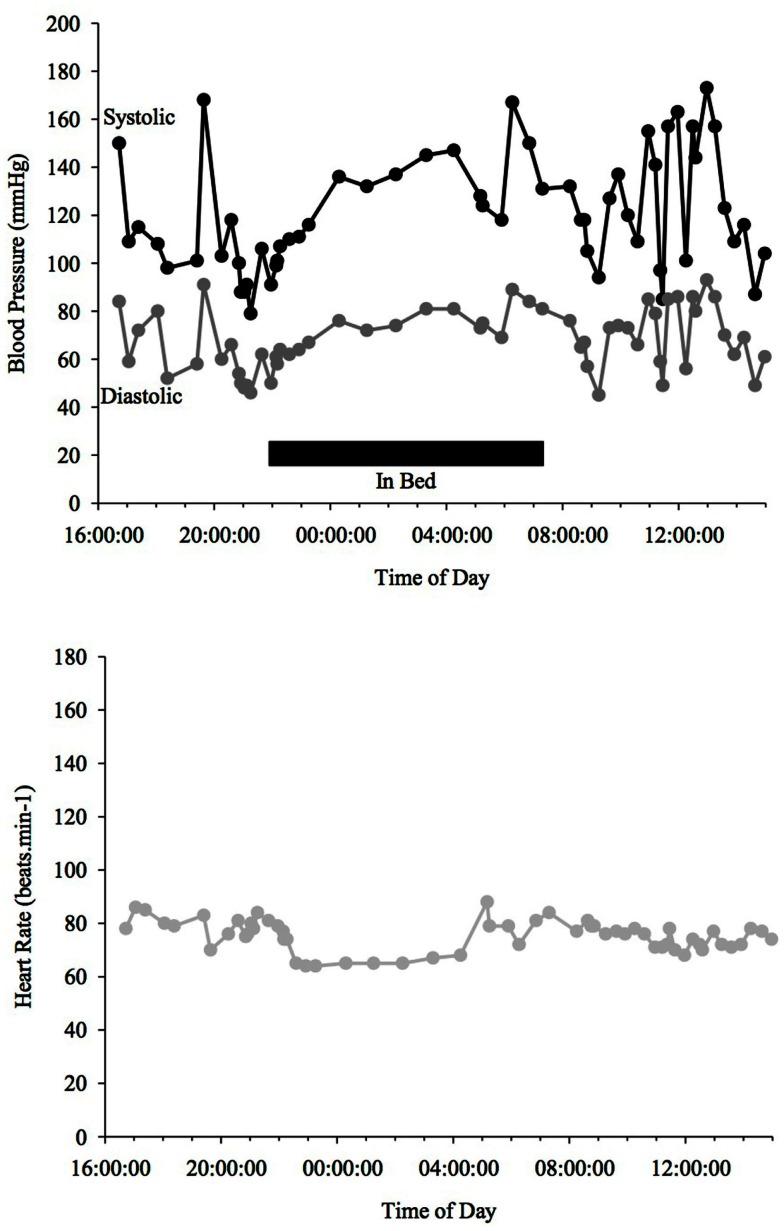
Non-motor symptoms are now commonly recognized in Parkinson's disease (PD) and can include dysautonomia. Impairment of cardiovascular autonomic function can occur at any stage of PD but is typically prevalent in advanced stages or related to (anti-Parkinsonian) drugs and can result in atypical blood pressure (BP) readings and related symptoms such as orthostatic hypotension (OH) and supine hypertension. OH is usually diagnosed with a head-up-tilt test (HUT) or an (active) standing test (also known as Schellong test) in the laboratory, but 24 h ambulatory blood pressure monitoring (ABPM) in a home setting may have several advantages, such as providing an overview of symptoms in daily life alongside pathophysiology as well as assessment of treatment interventions. This, however, is only possible if ABPM is administrated correctly and an autonomic protocol (including a diary) is followed which will be discussed in this review. A 24-h ABPM does not only allow the detection of OH, if it is present, but also the assessment of cardiovascular autonomic dysfunction during and after various daily stimuli, such as postprandial and alcohol dependent hypotension, as well as exercise and drug induced hypotension. Furthermore, information about the circadian rhythm of BP and heart rate (HR) can be obtained and establish whether or not a patient has a fall of BP at night (i.e., "dipper" vs. non-"dipper"). The information about nocturnal BP may also allow the investigation or detection of disorders such as sleep dysfunction, nocturnal movement disorders, and obstructive sleep apnea, which are common in PD. Additionally, a 24-h ABPM should be conducted to examine the effectiveness of OH therapy. This review will outline the methodology of 24 h ABPM in PD, summarize findings of such studies in PD, and briefly consider common daily stimuli that might affect 24 h ABPM.
非运动症状现在在帕金森病(PD)中被广泛认识,包括自主神经功能紊乱。心血管自主神经功能障碍可在 PD 的任何阶段发生,但通常在晚期更为常见或与(抗帕金森病)药物有关,并可导致异常血压(BP)读数和相关症状,如直立性低血压(OH)和仰卧位高血压。OH 通常通过直立倾斜试验(HUT)或实验室中的主动站立试验(也称为 Schellong 试验)进行诊断,但在家庭环境中进行 24 小时动态血压监测(ABPM)可能具有多个优势,例如提供日常生活中症状的概述以及病理生理学,以及评估治疗干预措施。然而,这只有在 ABPM 正确管理并且遵循自主神经协议(包括日记)的情况下才有可能,这将在本综述中进行讨论。24 小时 ABPM 不仅可以检测到 OH(如果存在),还可以评估各种日常刺激期间和之后的心血管自主神经功能障碍,如餐后和酒精依赖性低血压、运动和药物引起的低血压。此外,还可以获得关于 BP 和心率(HR)的昼夜节律的信息,并确定患者是否在夜间存在 BP 下降(即“杓型”与非“杓型”)。夜间 BP 的信息还可以允许调查或检测睡眠功能障碍、夜间运动障碍和阻塞性睡眠呼吸暂停等疾病,这些疾病在 PD 中很常见。此外,还应进行 24 小时 ABPM 以检查 OH 治疗的效果。本综述将概述 PD 中 24 小时 ABPM 的方法学,总结 PD 中此类研究的发现,并简要考虑可能影响 24 小时 ABPM 的常见日常刺激。