Tissue Engineering Laboratories-BIOTEC, Medical Faculty Carl Gustav Carus, Technische Universität Dresden, Dresden, Germany.
PLoS One. 2013 May 27;8(5):e63457. doi: 10.1371/journal.pone.0063457. Print 2013.
In mammals, embryonic neural progenitors as well as adult neural stem cells can be prospectively isolated based on the cell surface expression of prominin-1 (CD133), a plasma membrane glycoprotein. In contrast, characterization of neural progenitors in non-mammalian vertebrates endowed with significant constitutive neurogenesis and inherent self-repair ability is hampered by the lack of suitable cell surface markers. Here, we have investigated whether prominin-1-orthologues of the major non-mammalian vertebrate model organisms show any degree of conservation as for their association with neurogenic geminative zones within the central nervous system (CNS) as they do in mammals or associated with activated neural progenitors during provoked neurogenesis in the regenerating CNS.
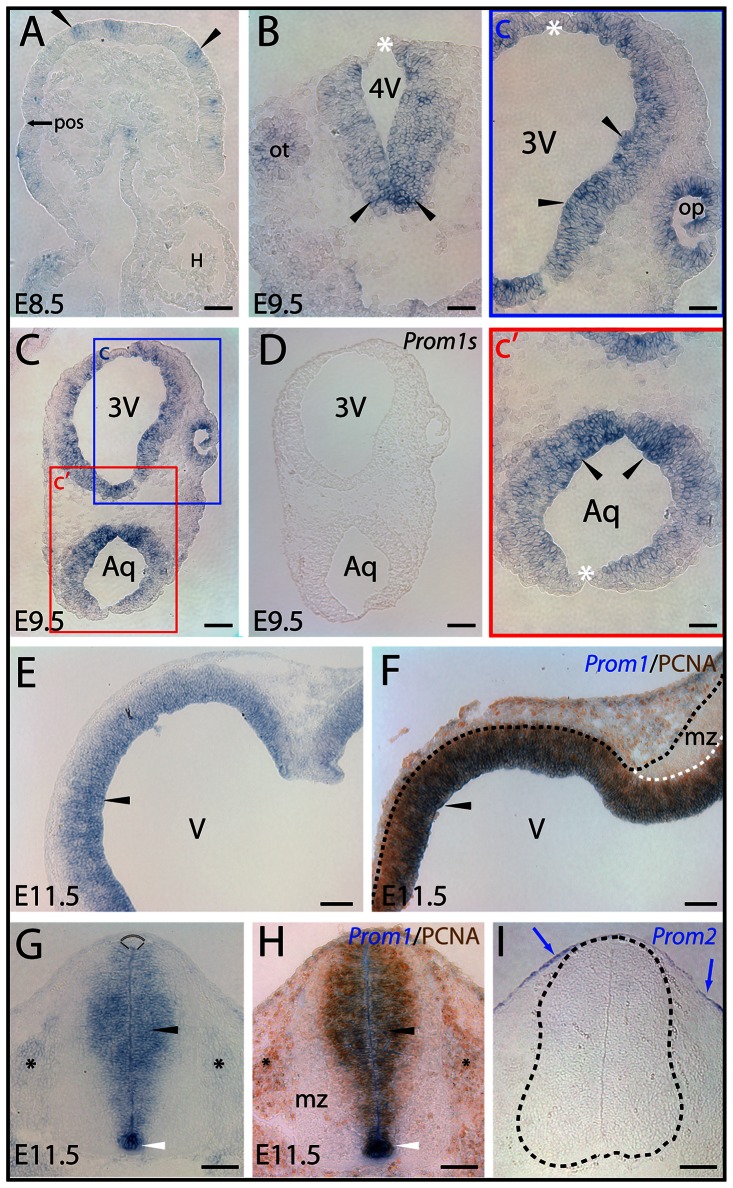
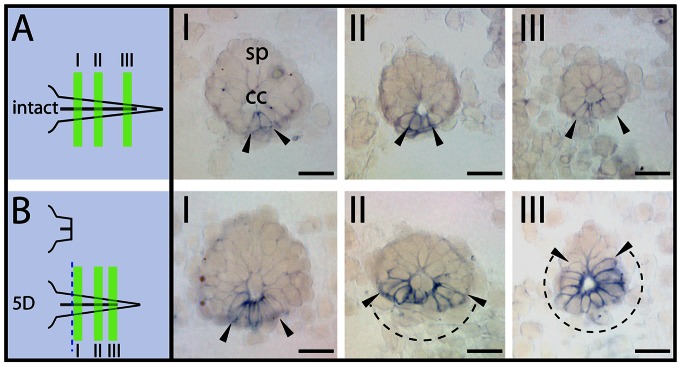
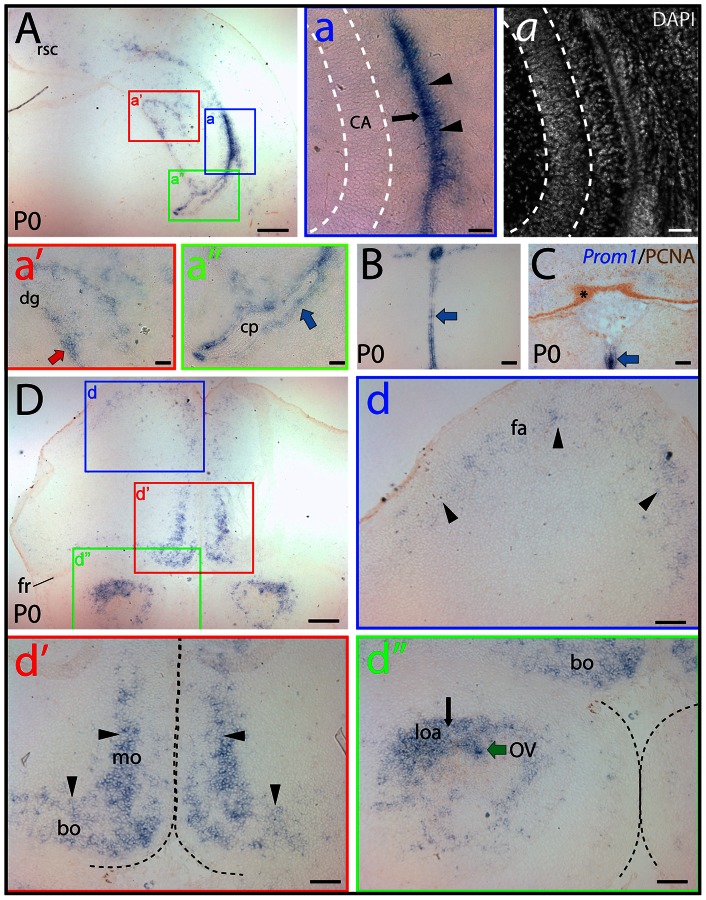
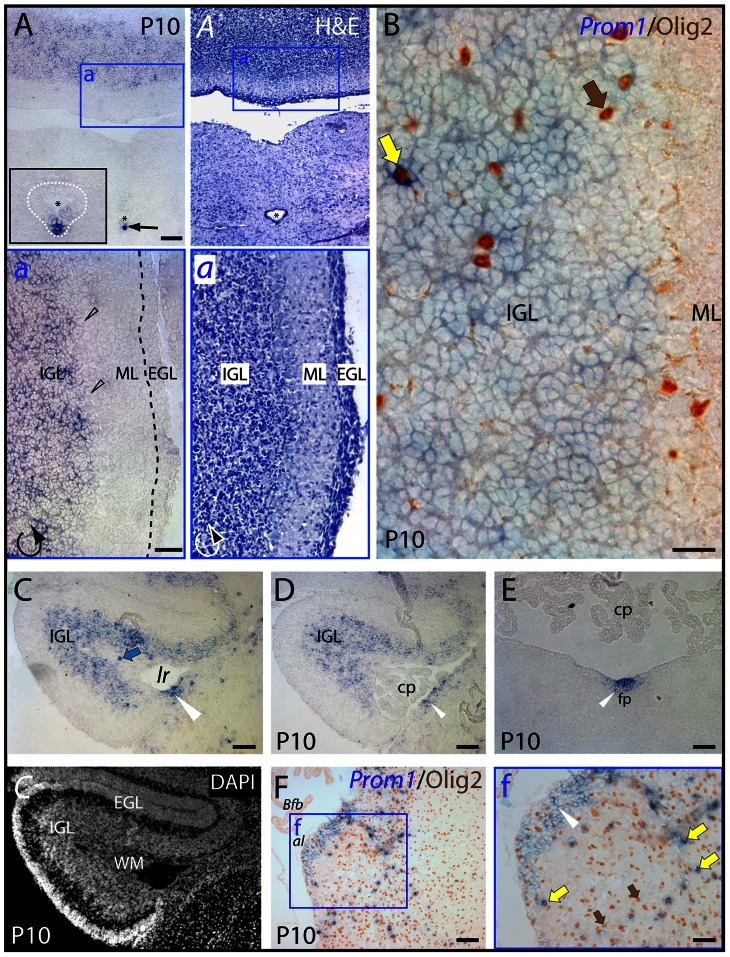
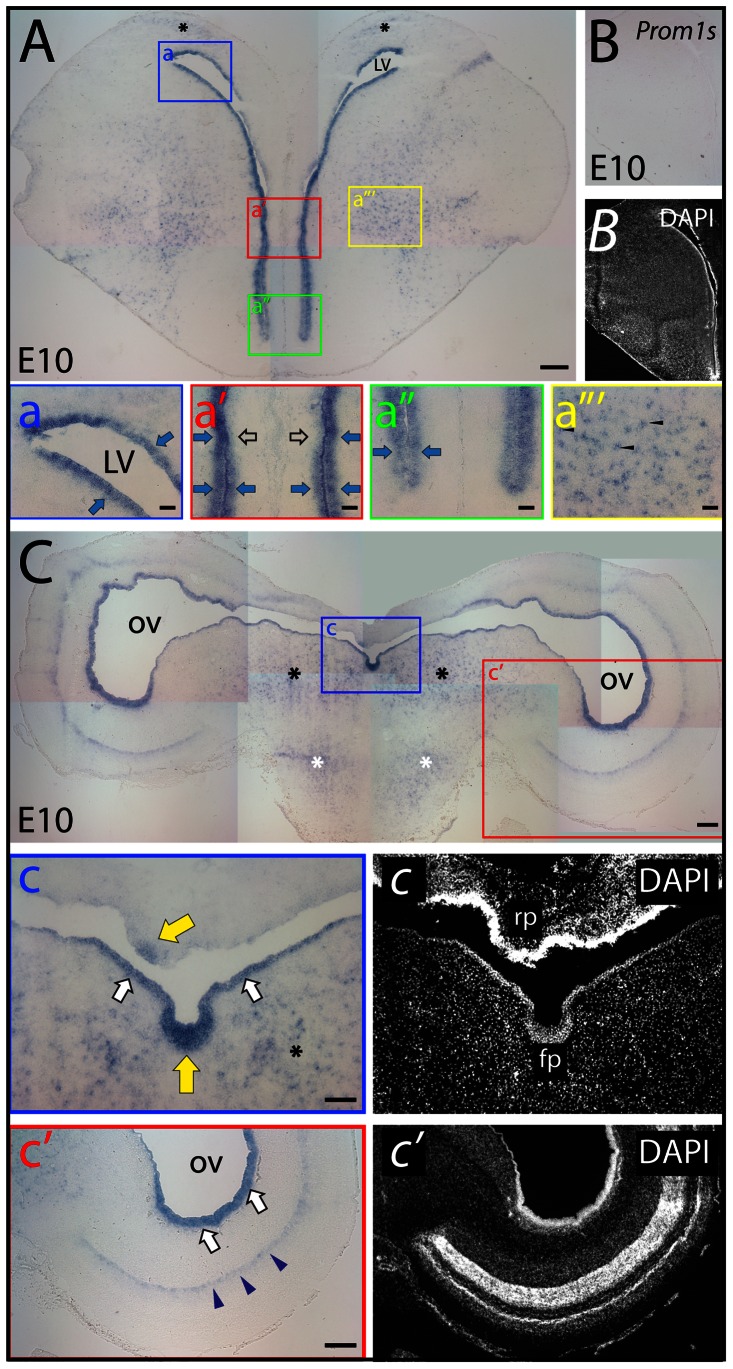
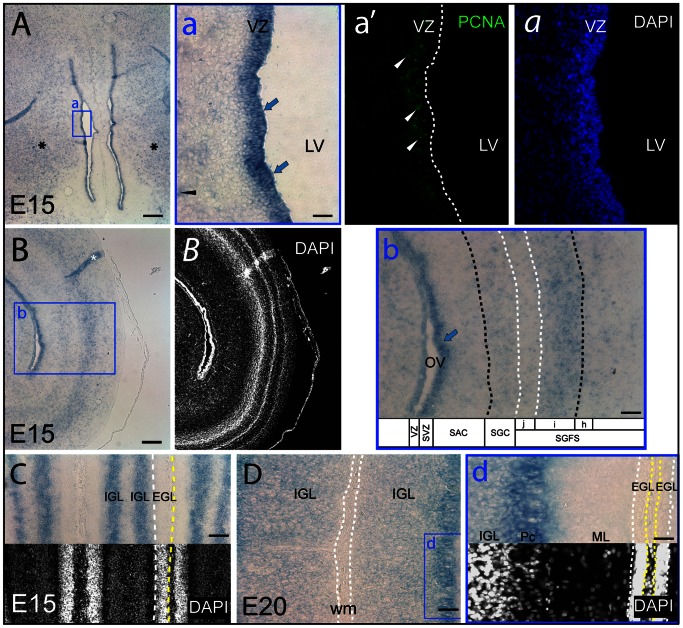
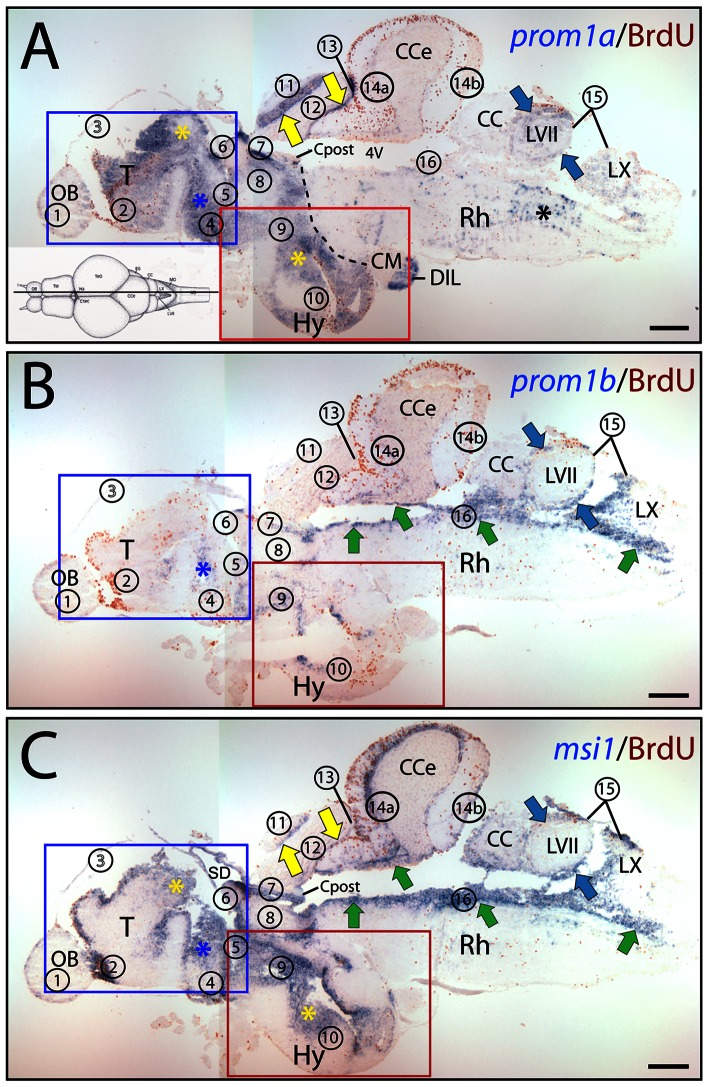
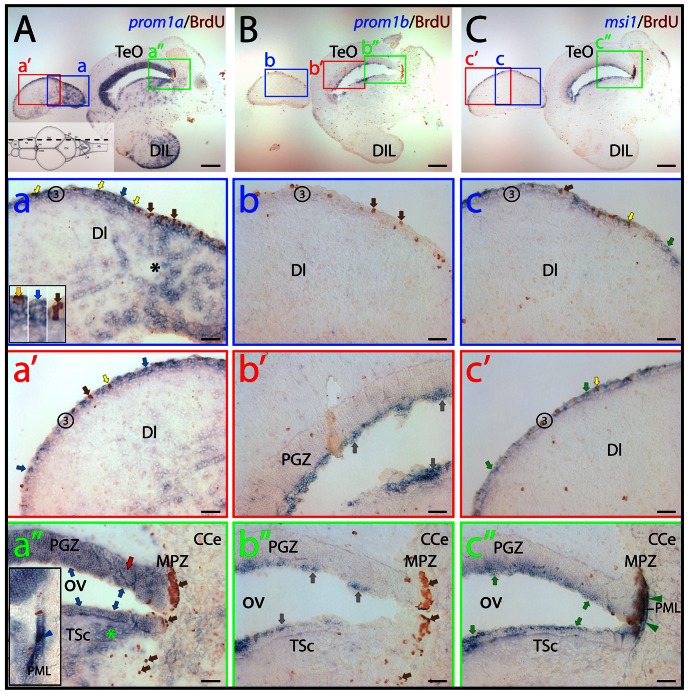
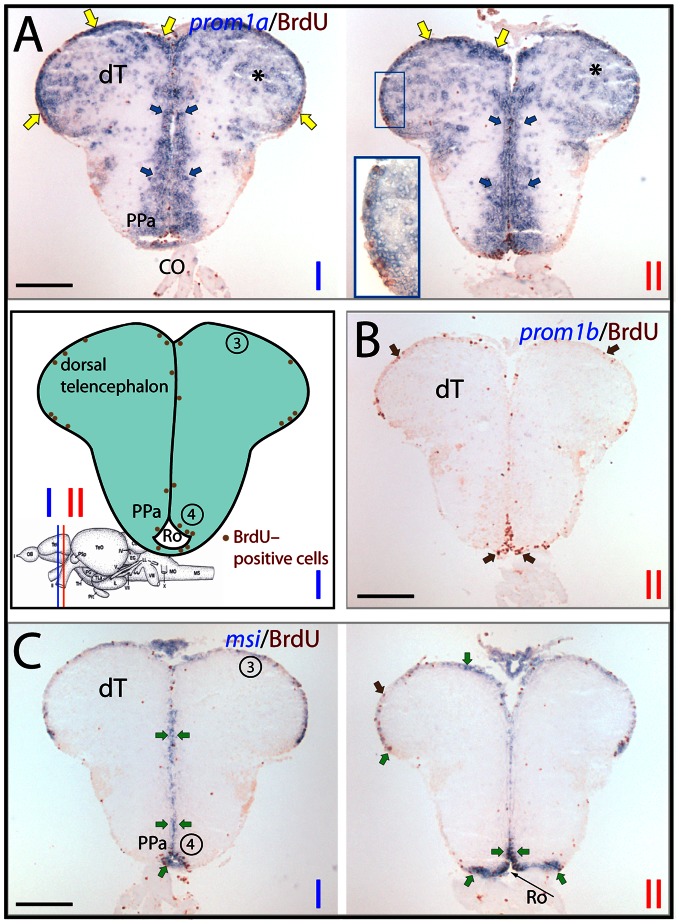
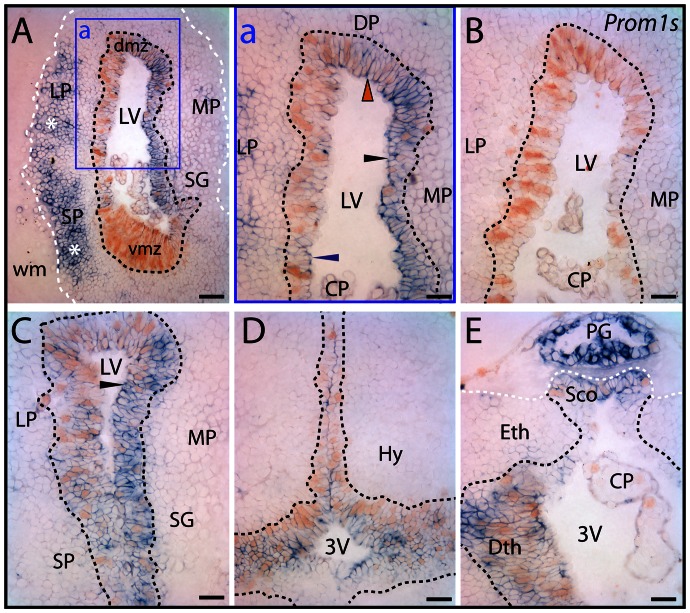
We have recently identified prominin-1 orthologues from zebrafish, axolotl and chicken. The spatial distribution of prominin-1-positive cells--in comparison to those of mice--was mapped in the intact brain in these organisms by non-radioactive in situ hybridization combined with detection of proliferating neural progenitors, marked either by proliferating cell nuclear antigen or 5-bromo-deoxyuridine. Furthermore, distribution of prominin-1 transcripts was investigated in the regenerating spinal cord of injured axolotl.
Remarkably, a conserved association of prominin-1 with germinative zones of the CNS was uncovered as manifested in a significant co-localization with cell proliferation markers during normal constitutive neurogenesis in all species investigated. Moreover, an enhanced expression of prominin-1 became evident associated with provoked, compensatory neurogenesis during the epimorphic regeneration of the axolotl spinal cord. Interestingly, significant prominin-1-expressing cell populations were also detected at distinct extraventricular (parenchymal) locations in the CNS of all vertebrate species being suggestive of further, non-neurogenic neural function(s).
CONCLUSION/INTERPRETATION: Collectively, our work provides the first data set describing a comparative analysis of prominin-1-positive progenitor cells across species establishing a framework for further functional characterization in the context of regeneration.
在哺乳动物中,胚胎神经祖细胞以及成年神经干细胞可以根据质膜糖蛋白 prominin-1(CD133)的细胞表面表达来进行前瞻性分离。相比之下,由于缺乏合适的细胞表面标记物,对具有显著组成性神经发生和固有自我修复能力的非哺乳动物脊椎动物中的神经祖细胞的特征进行描述受到了阻碍。在这里,我们研究了主要的非哺乳动物脊椎动物模型生物的 prominin-1 同源物是否在它们与中枢神经系统(CNS)中的神经发生生殖区的关联方面具有任何程度的保守性,就像它们在哺乳动物中一样,或者与在再生 CNS 中诱导的神经发生期间激活的神经祖细胞相关。
我们最近从斑马鱼、蝾螈和鸡中鉴定出 prominin-1 同源物。通过非放射性原位杂交结合检测增殖的神经祖细胞,将 prominin-1 阳性细胞的空间分布与这些生物中完整大脑中的小鼠进行了比较,增殖的神经祖细胞标记为增殖细胞核抗原或 5-溴脱氧尿苷。此外,还研究了损伤的蝾螈再生脊髓中 prominin-1 转录本的分布。
值得注意的是,在所有研究的物种中,在正常组成性神经发生期间,发现 prominin-1 与 CNS 生殖区的保守关联,表现为与细胞增殖标记物的显著共定位。此外,在蝾螈脊髓的后生再生过程中,诱导性补偿性神经发生时,prominin-1 的表达明显增强。有趣的是,在所有脊椎动物物种的 CNS 中,还在明显的脑室外(实质)位置检测到具有显著 prominin-1 表达的细胞群体,这表明存在进一步的非神经发生的神经功能。
结论/解释:总的来说,我们的工作提供了描述 across species 跨物种 prominin-1 阳性祖细胞比较分析的第一个数据集,为进一步在再生背景下进行功能表征奠定了基础。