Department of Micro- and Nanotechnology, Technical University of Denmark, Kgs. Lyngby, Denmark.
PLoS One. 2013 May 28;8(5):e63638. doi: 10.1371/journal.pone.0063638. Print 2013.
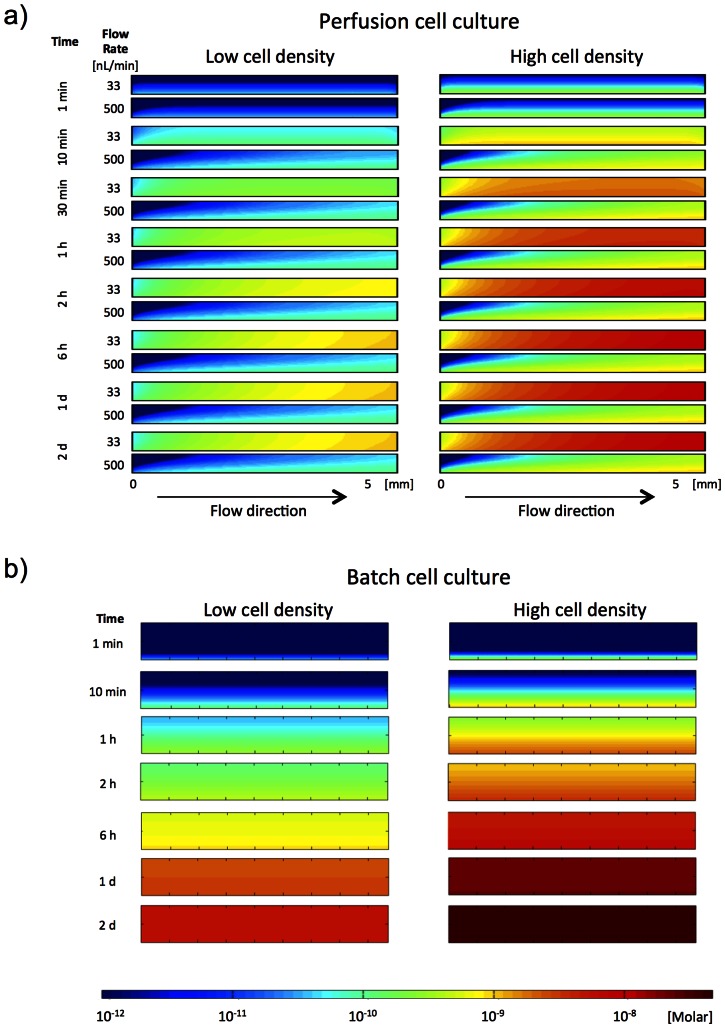
High cell density is known to enhance adipogenic differentiation of mesenchymal stem cells, suggesting secretion of signaling factors or cell-contact-mediated signaling. By employing microfluidic biochip technology, we have been able to separate these two processes and study the secretion pathways.
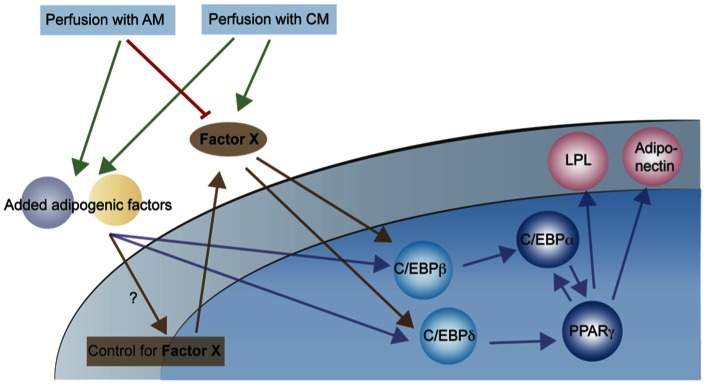
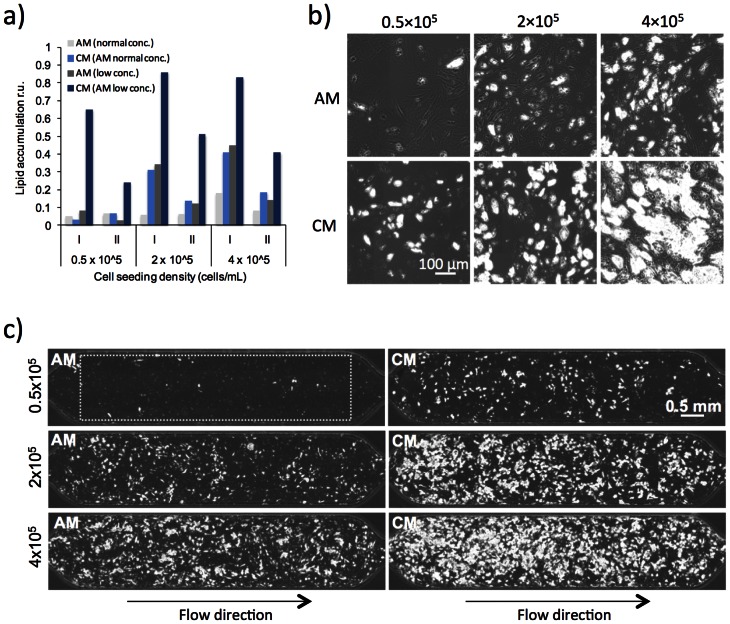
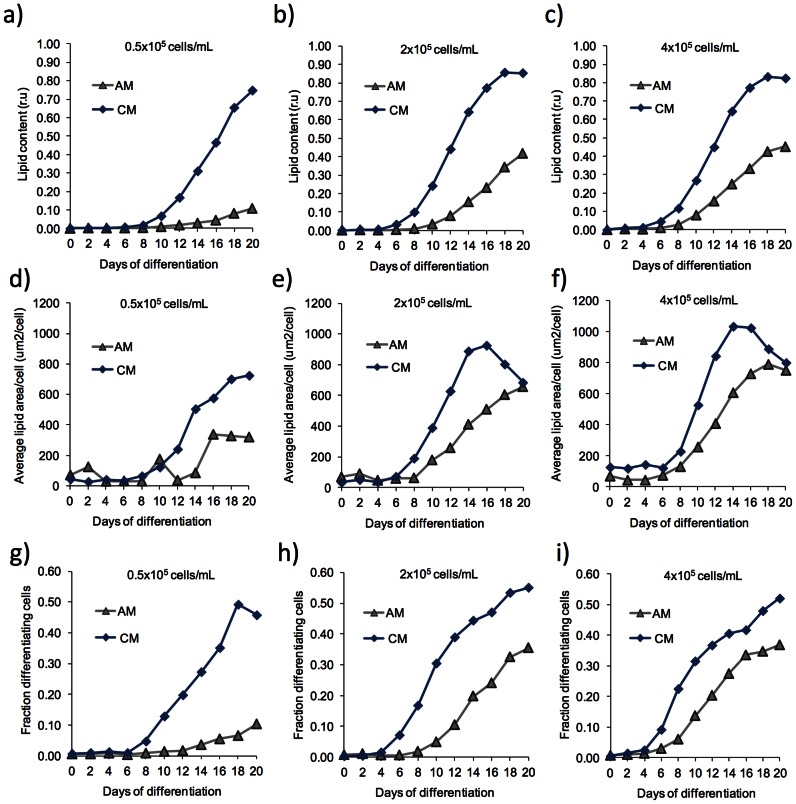
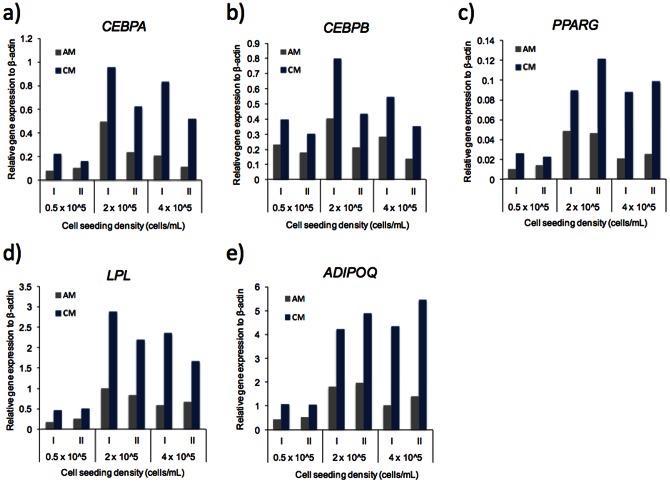
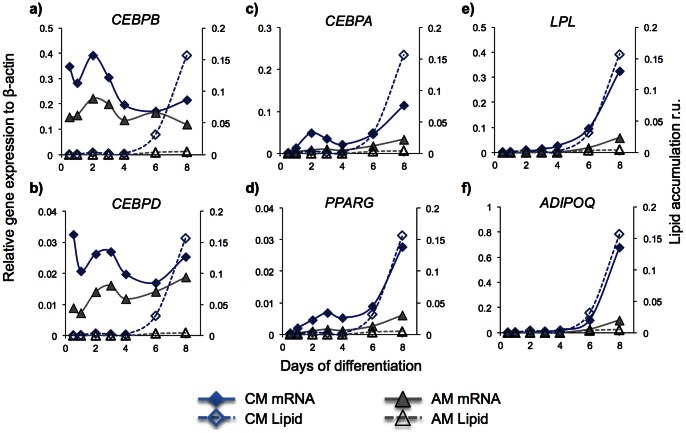
Adipogenic differentiation of human adipose-derived stem cells (ASCs) cultured in a microfluidic system was investigated under perfusion conditions with an adipogenic medium or an adipogenic medium supplemented with supernatant from differentiating ASCs (conditioned medium). Conditioned medium increased adipogenic differentiation compared to adipogenic medium with respect to accumulation of lipid-filled vacuoles and gene expression of key adipogenic markers (C/EBPα, C/EBPβ, C/EBPδ, PPARγ, LPL and adiponectin). The positive effects of conditioned medium were observed early in the differentiation process.
Using different cell densities and microfluidic perfusion cell cultures to suppress the effects of cell-released factors, we have demonstrated the significant role played by auto- or paracrine signaling in adipocyte differentiation. The cell-released factor(s) were shown to act in the recruitment phase of the differentiation process.
高细胞密度已知可增强间充质干细胞的成脂分化,提示分泌信号因子或细胞接触介导的信号。通过采用微流控生物芯片技术,我们能够将这两个过程分开,并研究分泌途径。
在灌注条件下,用人脂肪来源的干细胞(ASCs)在微流控系统中培养的成脂分化,使用含成脂培养基或含分化 ASCs(条件培养基)上清液的成脂培养基进行研究。与成脂培养基相比,条件培养基增加了脂滴填充空泡的积累和关键成脂标志物(C/EBPα、C/EBPβ、C/EBPδ、PPARγ、LPL 和脂联素)的基因表达,从而增加了成脂分化。条件培养基的积极作用在分化过程的早期就观察到了。
通过使用不同的细胞密度和微流控灌注细胞培养来抑制细胞释放因子的影响,我们证明了自分泌或旁分泌信号在脂肪细胞分化中发挥了重要作用。证明细胞释放的因子在分化过程的招募阶段起作用。