Stawicki Stanislaw P, Firstenberg Michael S, Lyaker Michael R, Russell Sarah B, Evans David C, Bergese Sergio D, Papadimos Thomas J
Department of Surgery, Division of Trauma, Critical Care and Burns, The Ohio State University College of Medicine, Columbus, Ohio, USA.
Int J Crit Illn Inj Sci. 2013 Jan;3(1):58-63. doi: 10.4103/2229-5151.109423.
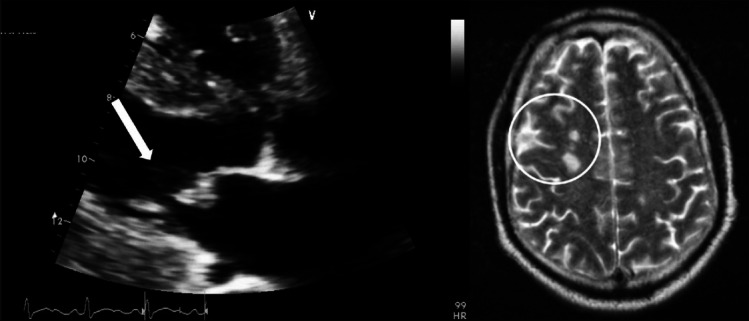
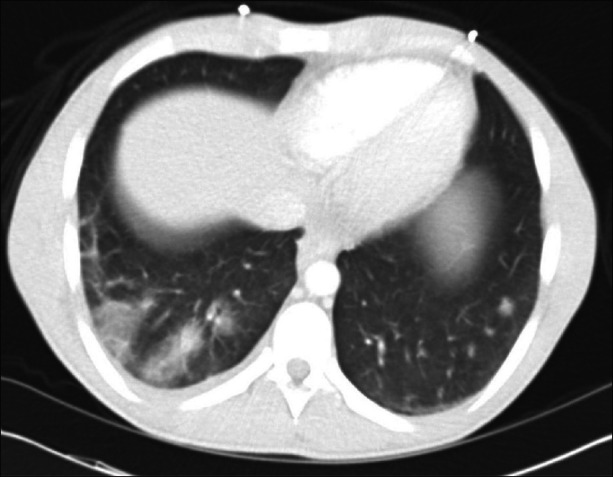
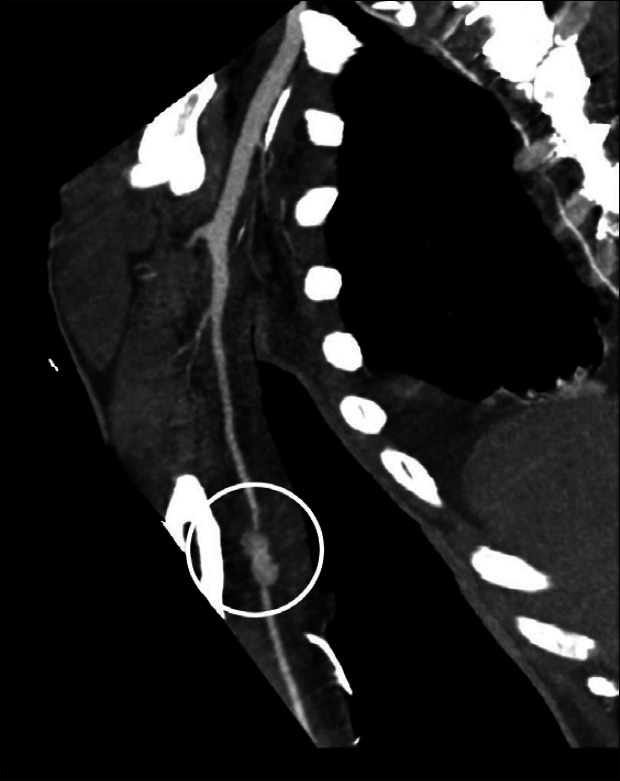
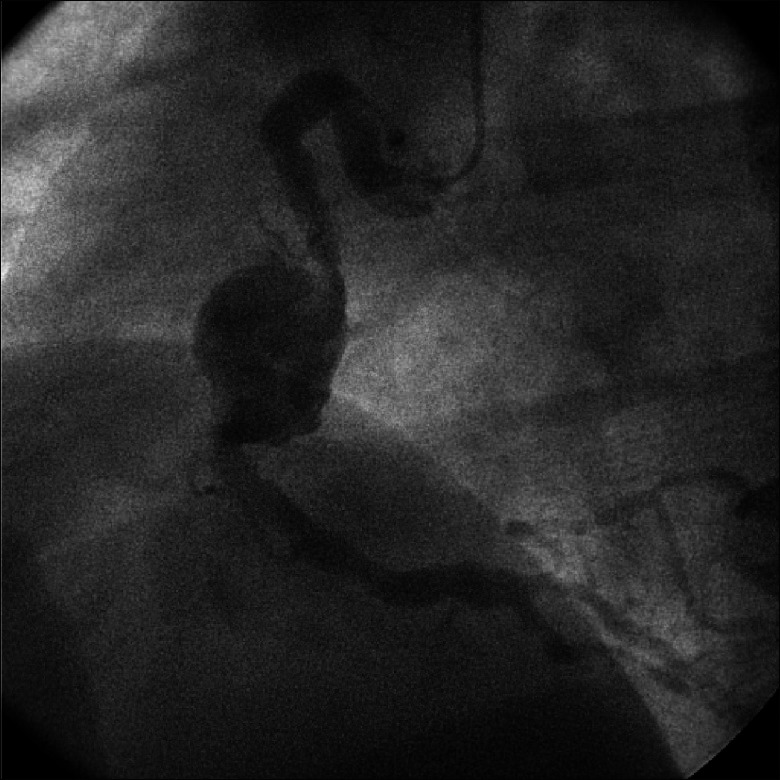
Septic embolism encompasses a wide range of presentations and clinical considerations. From asymptomatic, incidental finding on advanced imaging to devastating cardiovascular or cerebral events, this important clinico-pathologic entity continues to affect critically ill patients. Septic emboli are challenging because they represent two insults-the early embolic/ischemic insult due to vascular occlusion and the infectious insult from a deep-seated nidus of infection frequently not amenable to adequate source control. Mycotic aneurysms and intravascular or end-organ abscesses can occur. The diagnosis of septic embolism should be considered in any patient with certain risk factors including bacterial endocarditis or infected intravascular devices. Treatment consists of long-term antibiotics and source control when possible. This manuscript provides a much-needed synopsis of the different forms and clinical presentations of septic embolism, basic diagnostic considerations, general clinical approaches, and an overview of potential complications.
脓毒性栓塞涵盖了广泛的表现形式和临床考量。从在高级影像学检查中偶然发现的无症状情况,到严重的心血管或脑部事件,这个重要的临床病理实体持续影响着危重症患者。脓毒性栓子具有挑战性,因为它们代表了两种损伤——由于血管阻塞导致的早期栓塞/缺血性损伤,以及来自深部感染病灶的感染性损伤,而这种病灶常常难以实现充分的源头控制。霉菌性动脉瘤以及血管内或终末器官脓肿都可能发生。对于任何具有某些危险因素(包括细菌性心内膜炎或感染的血管内装置)的患者,都应考虑脓毒性栓塞的诊断。治疗包括长期使用抗生素,并尽可能进行源头控制。本文提供了一份急需的脓毒性栓塞不同形式和临床表现、基本诊断考量、一般临床方法以及潜在并发症概述的综述。