Molecular Ecology Laboratory, School of Biological Sciences, Flinders University, Adelaide, SA 5001, Australia.
BMC Genomics. 2013 Jun 5;14:375. doi: 10.1186/1471-2164-14-375.
Identifying genes of adaptive significance in a changing environment is a major focus of ecological genomics. Such efforts were restricted, until recently, to researchers studying a small group of model organisms or closely related taxa. With the advent of next generation sequencing (NGS), genomes and transcriptomes of virtually any species are now available for studies of adaptive evolution. We experimentally manipulated temperature conditions for two groups of crimson spotted rainbowfish (Melanotaenia duboulayi) and measured differences in RNA transcription between them. This non-migratory species is found across a latitudinal thermal gradient in eastern Australia and is predicted to be negatively impacted by ongoing environmental and climatic change.
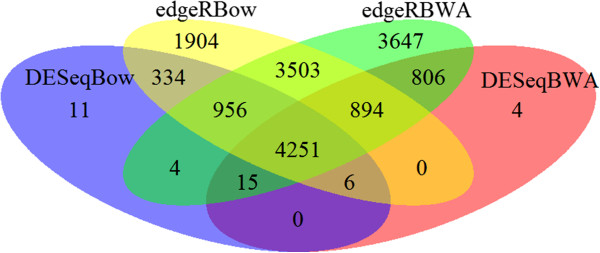
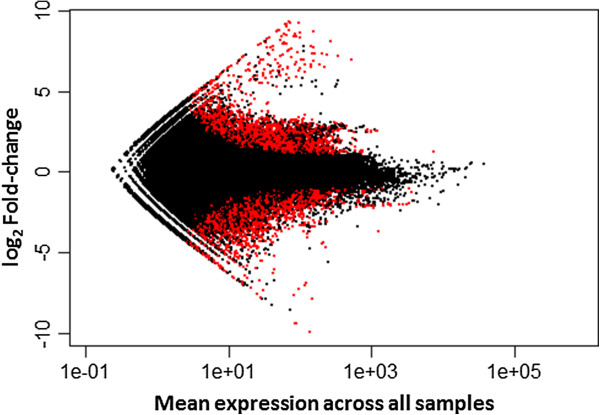
Using next generation RNA-seq technologies on an Illumina HiSeq2000 platform, we assembled a de novo transcriptome and tested for differential expression across the treatment groups. Quality of the assembly was high with a N50 length of 1856 bases. Of the 107,749 assembled contigs, we identified 4251 that were differentially expressed according to a consensus of four different mapping and significance testing approaches. Once duplicate isoforms were removed, we were able to annotate 614 up-regulated transfrags and 349 that showed reduced expression in the higher temperature group.
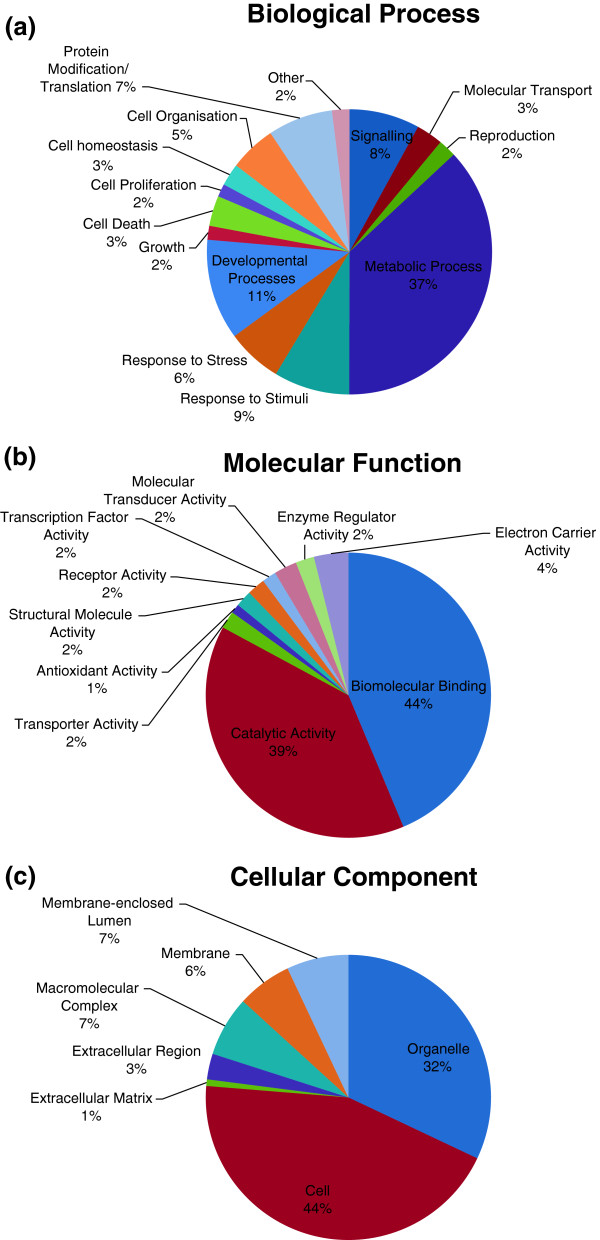
Annotated blast matches reveal that differentially expressed genes correspond to critical metabolic pathways previously shown to be important for temperature tolerance in other fish species. Our results indicate that rainbowfish exhibit predictable plastic regulatory responses to temperature stress and the genes we identified provide excellent candidates for further investigations of population adaptation to increasing temperatures.
在不断变化的环境中识别具有适应性意义的基因是生态基因组学的主要焦点。直到最近,这些努力还仅限于研究少数模型生物或密切相关类群的研究人员。随着下一代测序(NGS)的出现,现在几乎任何物种的基因组和转录组都可用于适应性进化的研究。我们对两组猩红斑点彩虹鱼(Melanotaenia duboulayi)进行了温度条件的实验处理,并测量了它们之间的 RNA 转录差异。这种非迁徙物种分布于澳大利亚东部的一个纬度热梯度中,预计将受到正在进行的环境和气候变化的负面影响。
我们使用 Illumina HiSeq2000 平台上的下一代 RNA-seq 技术,组装了一个从头转录组,并测试了处理组之间的差异表达。组装质量很高,N50 长度为 1856 个碱基。在组装的 107749 个连续序列中,我们根据四种不同的映射和显著性检验方法的共识,鉴定出了 4251 个差异表达的连续序列。去除重复的同型后,我们能够注释 614 个上调的转录片段和 349 个在较高温度组中表达降低的转录片段。
注释的 Blast 匹配结果表明,差异表达的基因与先前在其他鱼类物种中显示对温度耐受性重要的关键代谢途径相对应。我们的结果表明,彩虹鱼对温度胁迫表现出可预测的可塑性调节反应,我们鉴定的基因为进一步研究种群对不断升高的温度的适应提供了极好的候选基因。