Department Radiopharmaceutical and Chemical Biology, Institute of Radiopharmaceutical Cancer Research, Helmholtz-Zentrum Dresden-Rossendorf, Bautzner Landstrasse 400, 01328 Dresden, Germany.
Molecules. 2013 May 29;18(6):6311-55. doi: 10.3390/molecules18066311.
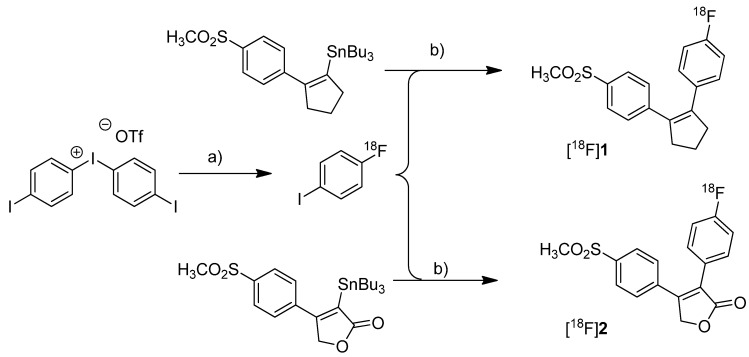
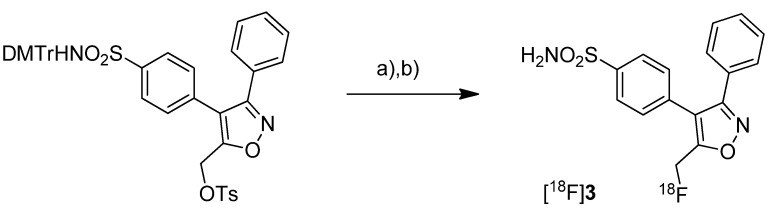
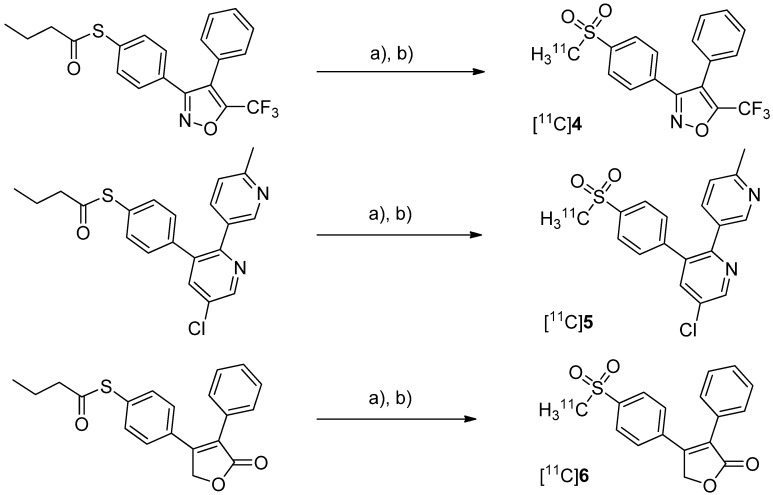
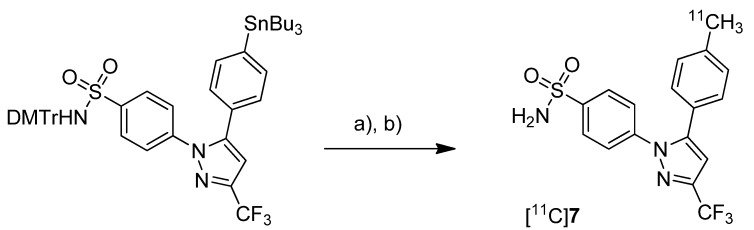
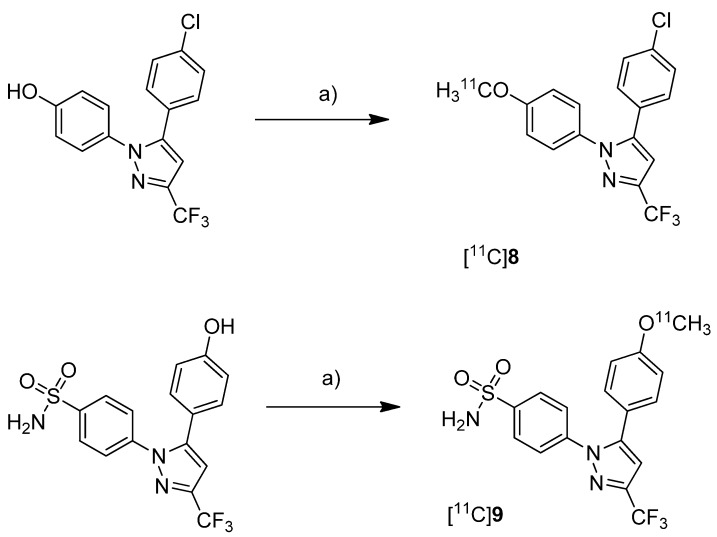
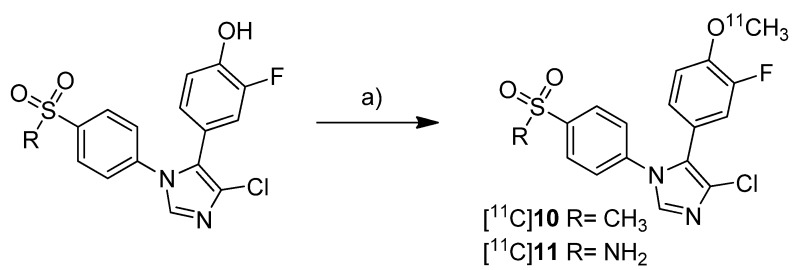
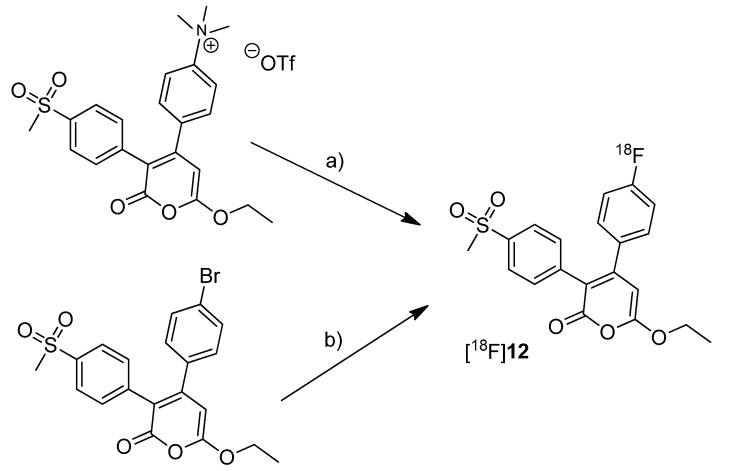
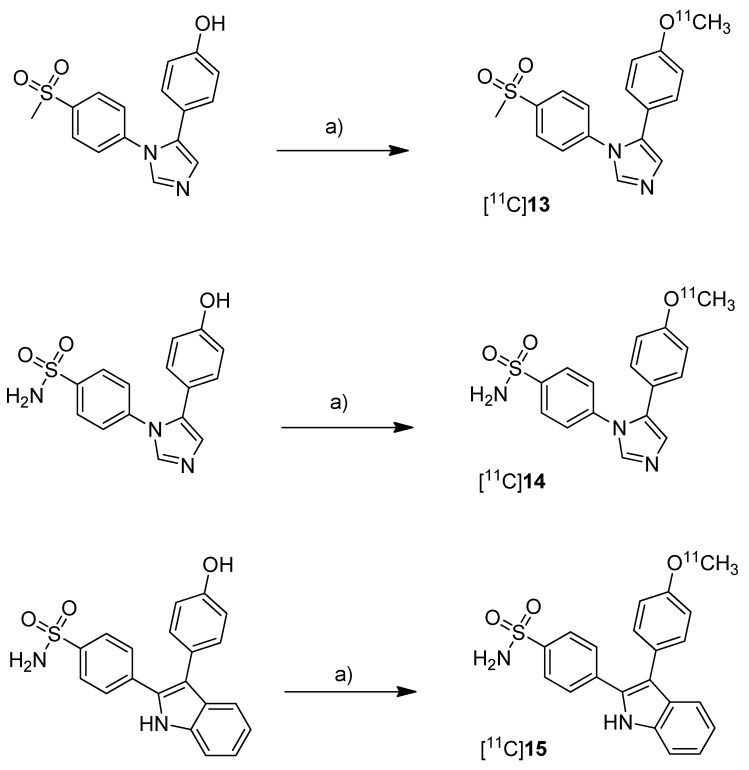
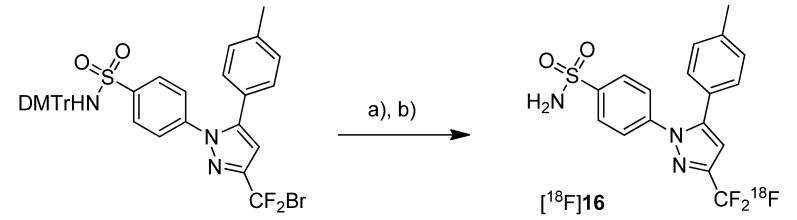
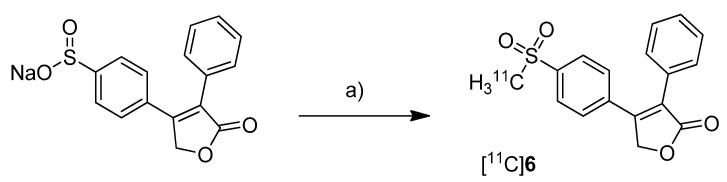
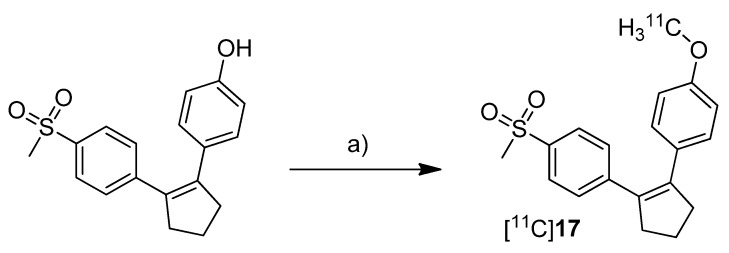
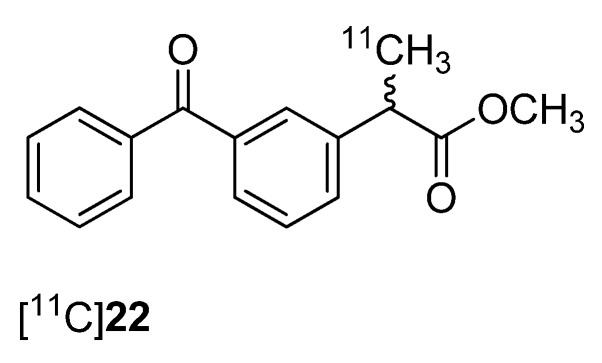
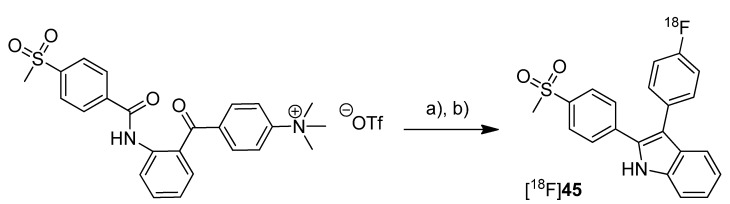
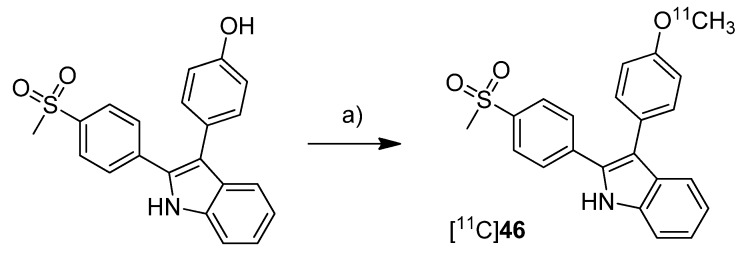
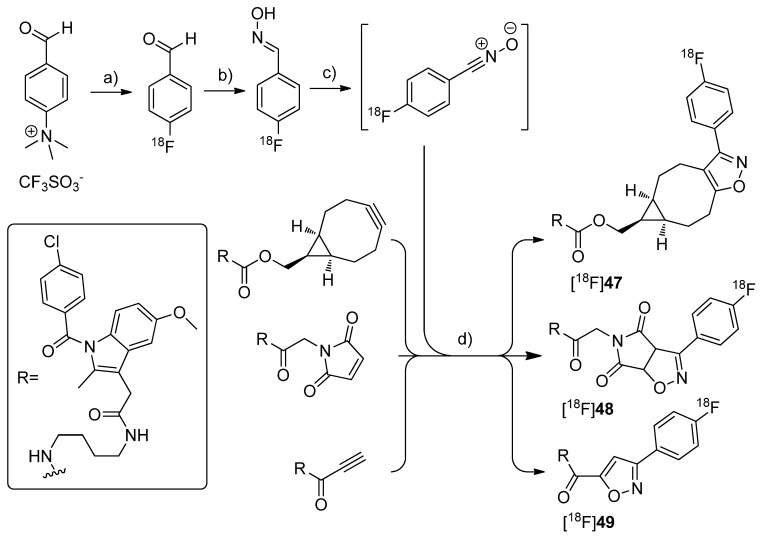
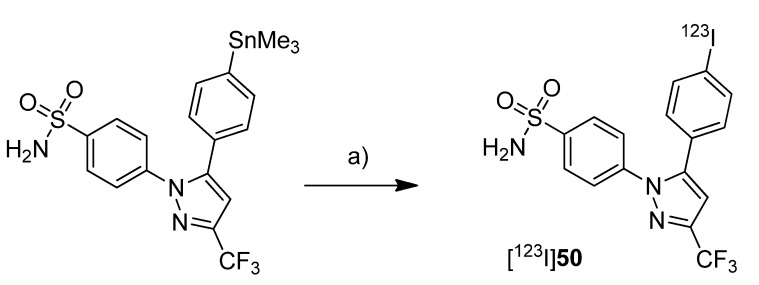
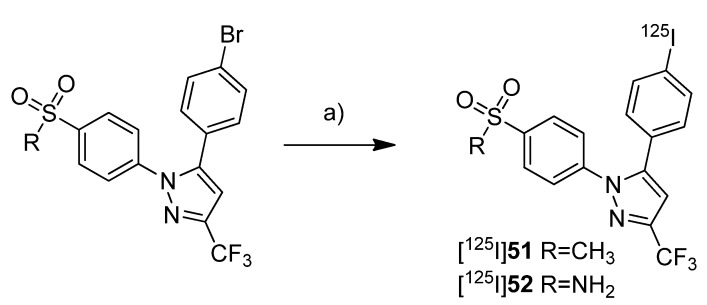
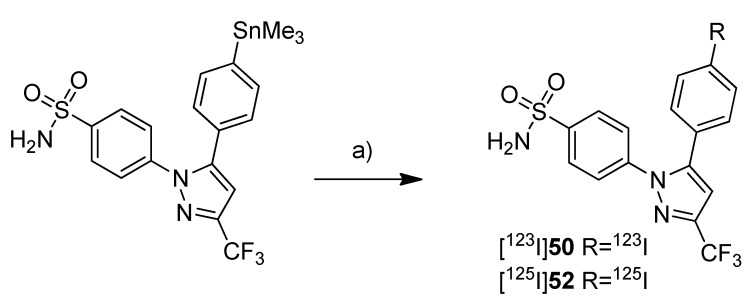
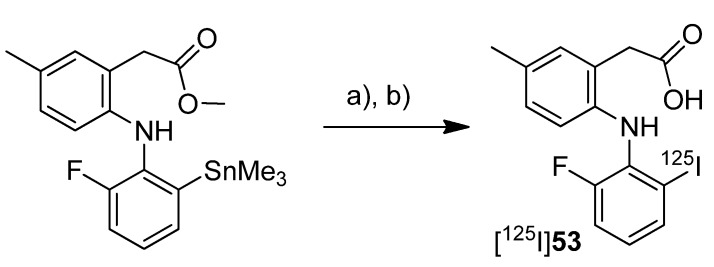
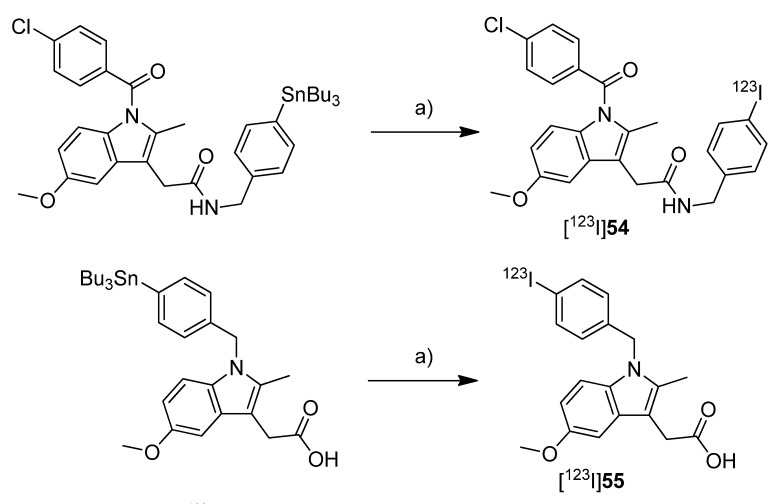
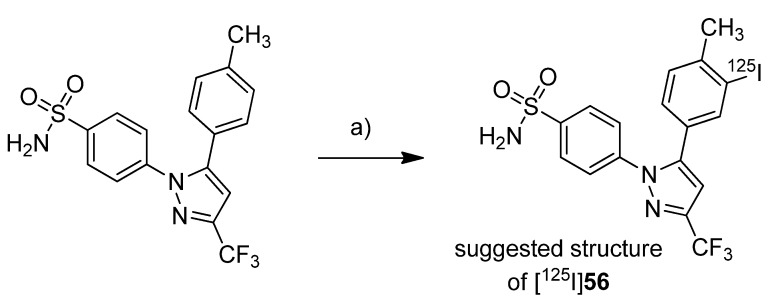
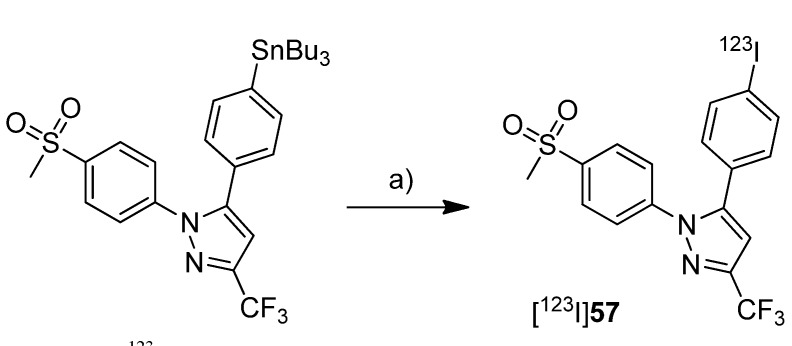
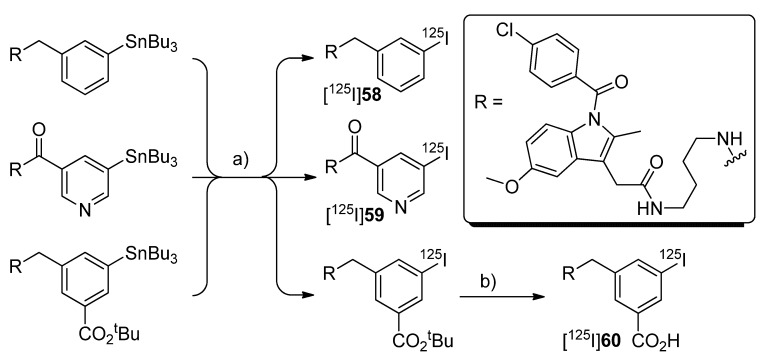
Cyclooxygenase-2 (COX-2) is a key player in inflammation. Its overexpression is directly associated with various inflammatory diseases and, additionally, with several processes of carcinogenesis. The development of new selective COX-2 inhibitors (COXIBs) for use in cancer treatment is in the focus of the medicinal chemistry research field. For this purpose, a set of methods is available to determine COX-2 expression and activity in vitro and ex vivo but it is still a problem to functionally characterize COX-2 in vivo. This review focusses on imaging agents targeting COX-2 which have been developed for positron emission tomography (PET) and single photon emission computed tomography (SPECT) since 2005. The literature reveals that different radiochemical methods are available to synthesize COXIBs radiolabeled with fluorine-18, carbon-11, and isotopes of radioiodine. Unfortunately, most of the compounds tested did not show sufficient stability in vivo due to de[¹⁸F]fluorination or de[¹¹C]methylation or they failed to bind specifically in the target region. So, suitable stability in vivo, matching lipophilicity for the target compartment and both high affinity and selectivity for COX-2 were identified as prominent criteria for radiotracer development. Up to now, it is not clear what approach and which model is the most suited to evaluate COX-2 targeting imaging agents in vivo. However, for proof of principle it has been shown that some radiolabeled compounds can bind specifically in COX-2 overexpressing tissue which gives hope for future work in this field.
环氧化酶-2(COX-2)是炎症反应的关键因子。其过表达与各种炎症性疾病以及多种致癌过程直接相关。开发用于癌症治疗的新型选择性 COX-2 抑制剂(COXIBs)是药物化学研究领域的重点。为此,已经开发了一系列用于体外和离体测定 COX-2 表达和活性的方法,但在体内功能表征 COX-2 仍然是一个问题。本综述重点介绍了自 2005 年以来用于正电子发射断层扫描(PET)和单光子发射计算机断层扫描(SPECT)的靶向 COX-2 的成像剂。文献表明,已经开发了多种放射性化学方法来合成用氟-18、碳-11 和放射性碘同位素标记的 COXIBs。不幸的是,由于去[¹⁸F]氟化或去[¹¹C]甲基化,大多数测试的化合物在体内没有显示出足够的稳定性,或者它们未能在靶区特异性结合。因此,合适的体内稳定性、与靶区相匹配的亲脂性以及对 COX-2 的高亲和力和选择性被确定为放射性示踪剂开发的重要标准。到目前为止,尚不清楚哪种方法和模型最适合用于评估体内 COX-2 靶向成像剂。然而,已经证明一些放射性标记的化合物可以在 COX-2 过表达的组织中特异性结合,这为该领域的未来工作带来了希望。