Lebedev Artem, Jiao Jing, Lee Jason, Yang Fan, Allison Nathanael, Herschman Harvey, Sadeghi Saman
UCLA Department of Molecular and Medical Pharmacology, David Geffen School of Medicine, Los Angeles, California, United States of America.
Traceability, Culver City, California, United States of America.
PLoS One. 2017 May 2;12(5):e0176606. doi: 10.1371/journal.pone.0176606. eCollection 2017.
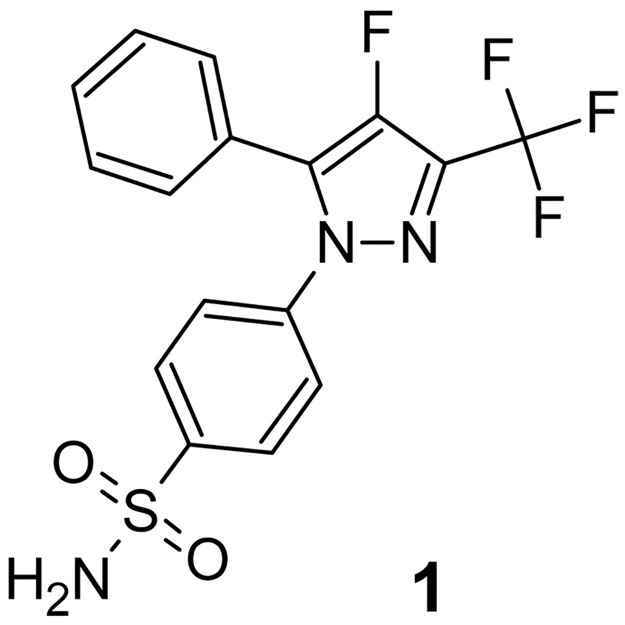
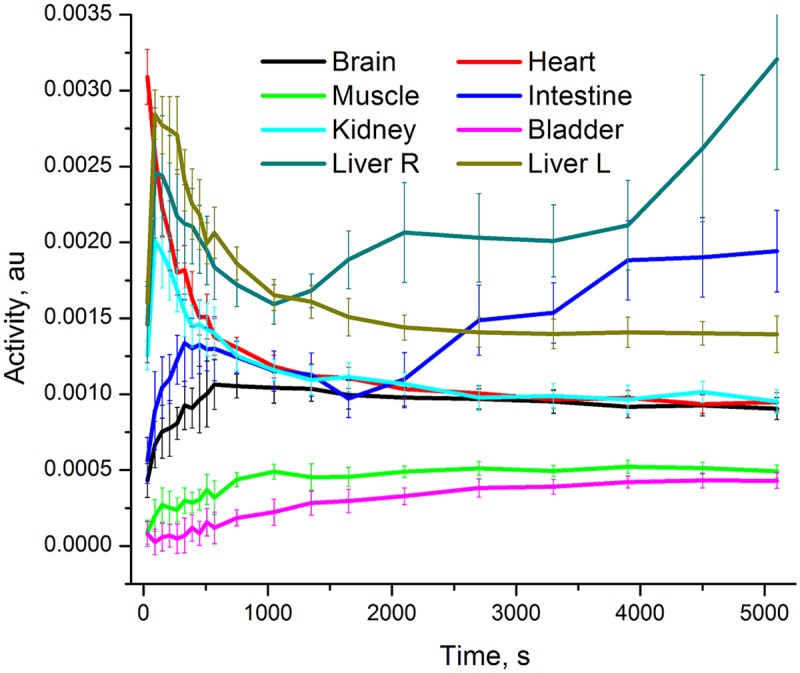
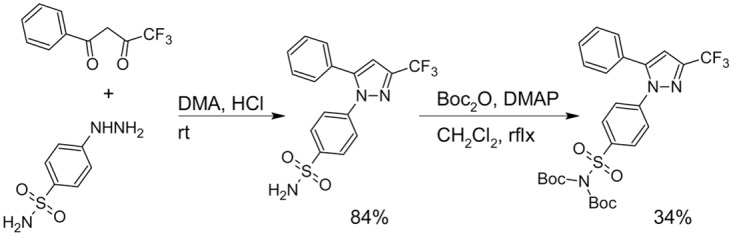
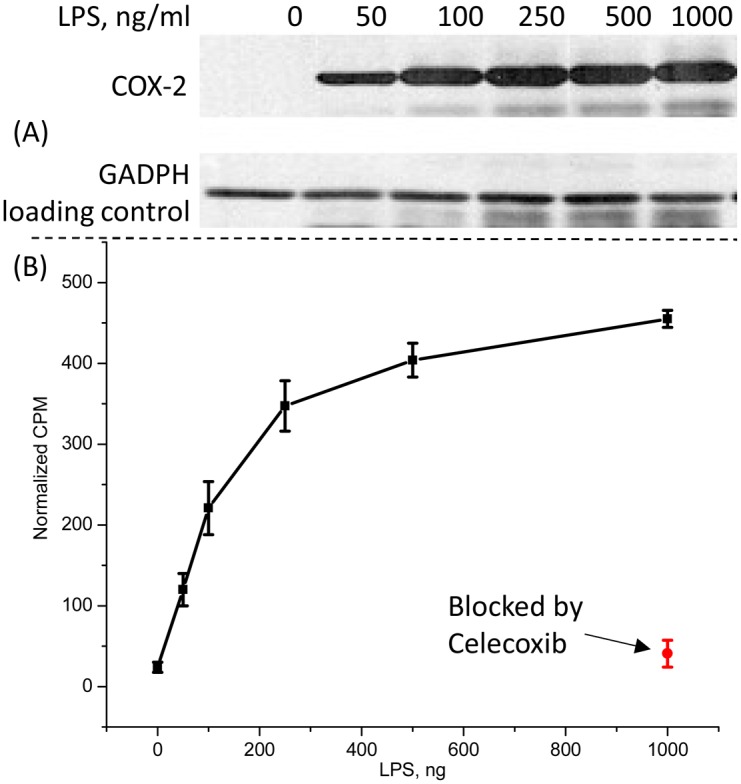
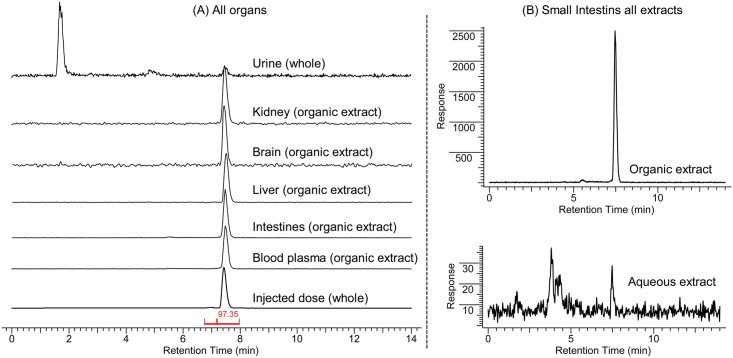
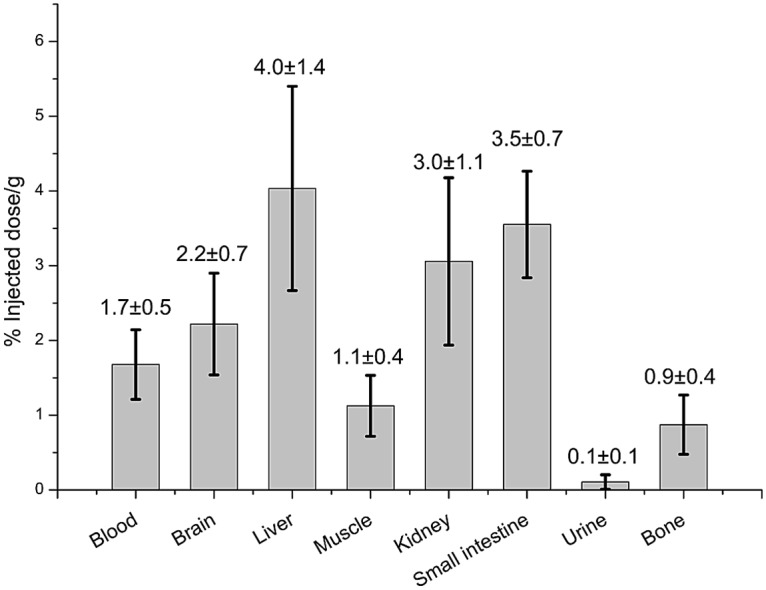
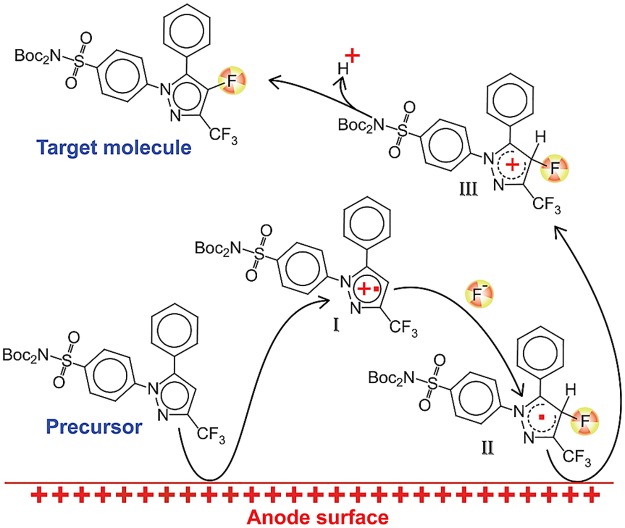
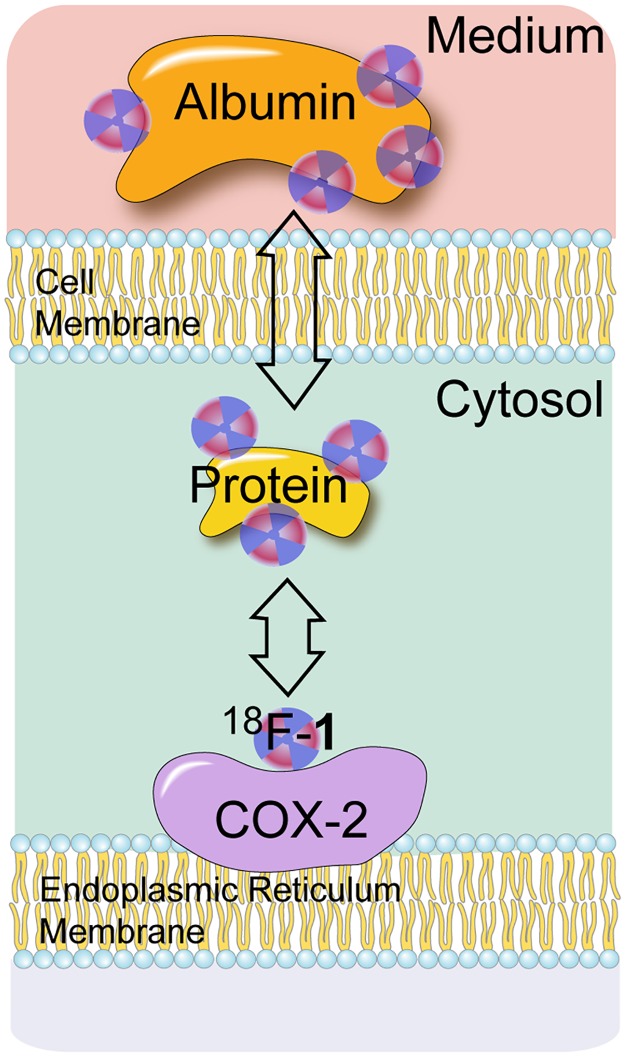
New radiochemistry techniques can yield novel PET tracers for COX-2 and address the shortcomings in in vivo stability and specificity, which have held back clinical translation of tracers to image COX-2 expression. Current techniques limit radiosynthesis to analogs of the COX-2 inhibitors with fluorine-18 added via a carbon chain, or on an aromatic position which renders the radiolabeled analog less specific towards COX-2, resulting in tracers with low in vivo stability or specificity. To solve this problem, we have developed a new high affinity, 18F-labelled COX-2 inhibitor that is radiolabeled directly on a heteroaromatic ring. This molecule exhibits favorable biodistribution and increased metabolic stability. Synthesis of this molecule cannot be achieved by traditional means; consequently, we have developed an automated electrochemical radiosynthesis platform to synthesize up to 5 mCi of radiochemically pure 18F-COX-2ib in 4 hours (2% decay-corrected radiochemical yield). In vitro studies demonstrated clear correlation between COX-2 expression and uptake of the tracer. PET imaging of healthy animals confirmed that the molecule is excreted from blood within an hour, mainly through the hepatobiliary excretion pathway. In vivo metabolism data demonstrated that > 95% of the injected radioactivity remains in the form of the parent molecule 1 hour after injection.
新的放射化学技术能够产生用于环氧化酶-2(COX-2)的新型正电子发射断层扫描(PET)示踪剂,并解决体内稳定性和特异性方面的不足,这些不足阻碍了示踪剂用于成像COX-2表达的临床转化。目前的技术将放射性合成限制在通过碳链添加氟-18的COX-2抑制剂类似物上,或者在芳香位置上,这使得放射性标记的类似物对COX-2的特异性降低,导致示踪剂在体内的稳定性或特异性较低。为了解决这个问题,我们开发了一种新型的高亲和力、18F标记的COX-2抑制剂,它直接在杂芳环上进行放射性标记。该分子具有良好的生物分布和更高的代谢稳定性。这种分子无法通过传统方法合成;因此,我们开发了一个自动化电化学放射性合成平台,在4小时内可合成高达5毫居里的放射化学纯18F-COX-2ib(衰变校正放射化学产率为2%)。体外研究表明COX-2表达与示踪剂摄取之间存在明显的相关性。对健康动物的PET成像证实,该分子在一小时内从血液中排出,主要通过肝胆排泄途径。体内代谢数据表明,注射后1小时,超过95%的注入放射性以母体分子的形式存在。