Department of Microbiology, Immunology & Cancer Biology, University of Virginia, Charlottesville, Virginia, United States of America.
PLoS One. 2013 Jun 6;8(6):e65678. doi: 10.1371/journal.pone.0065678. Print 2013.
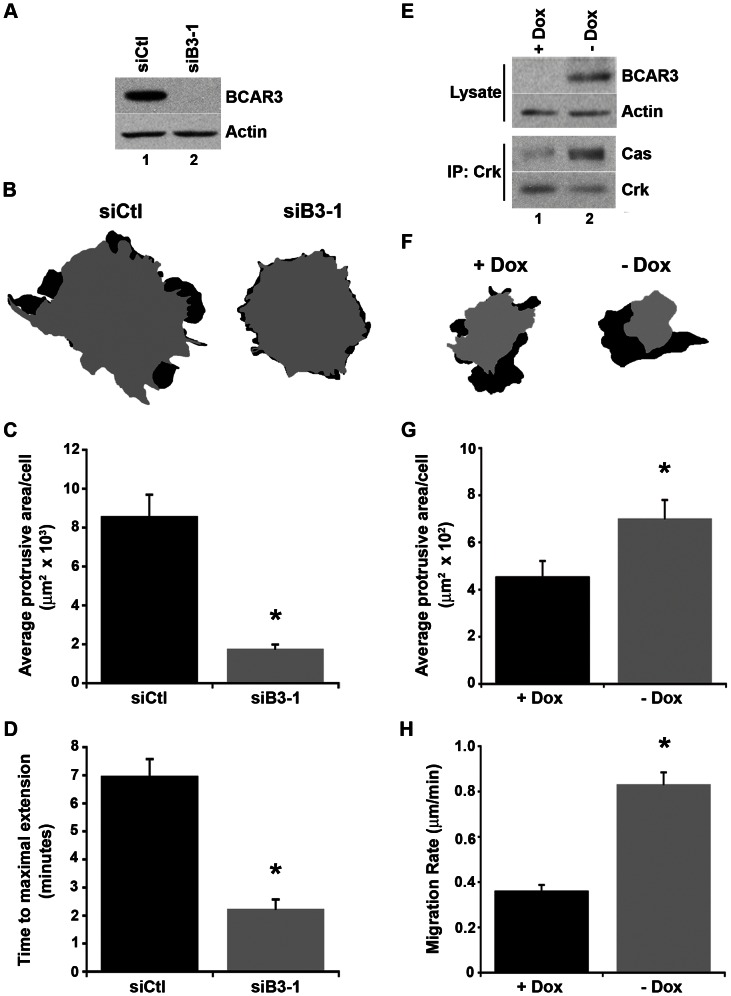
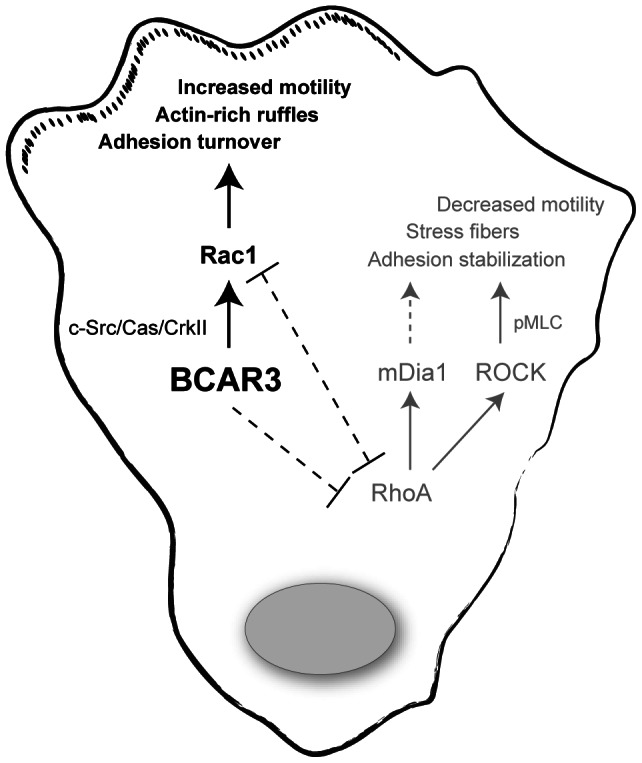
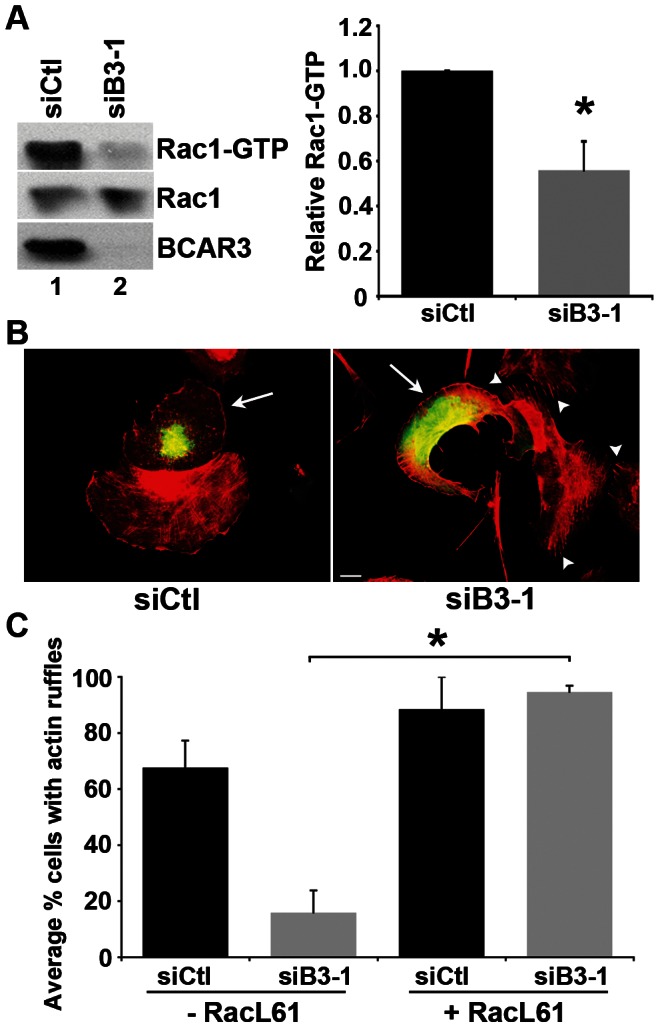
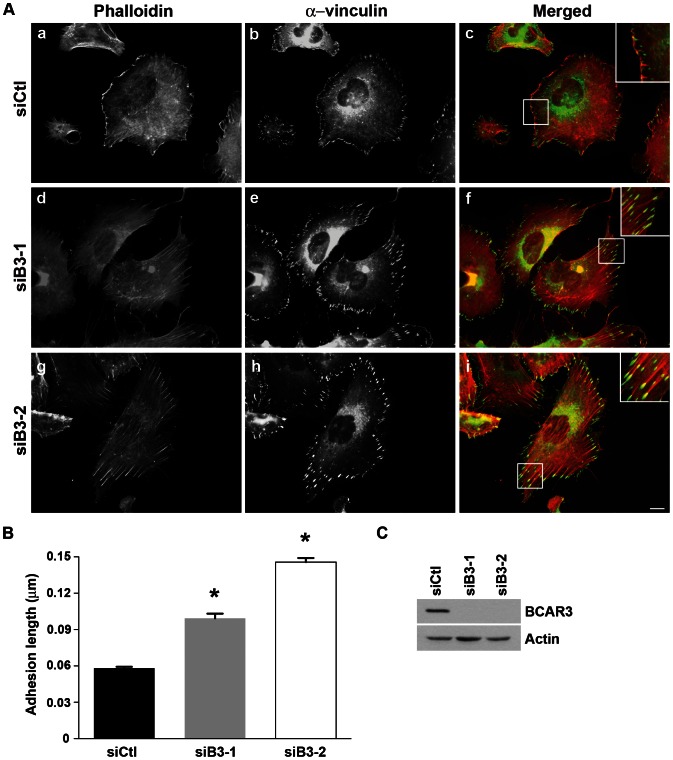
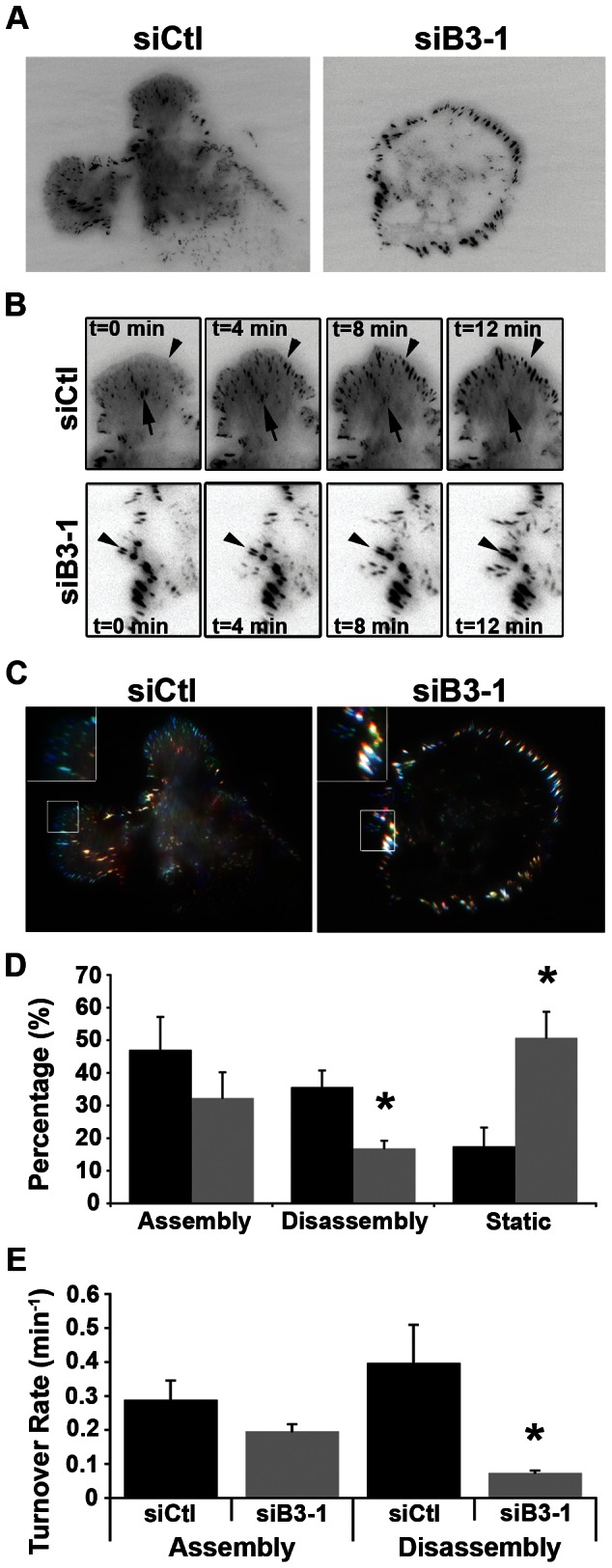
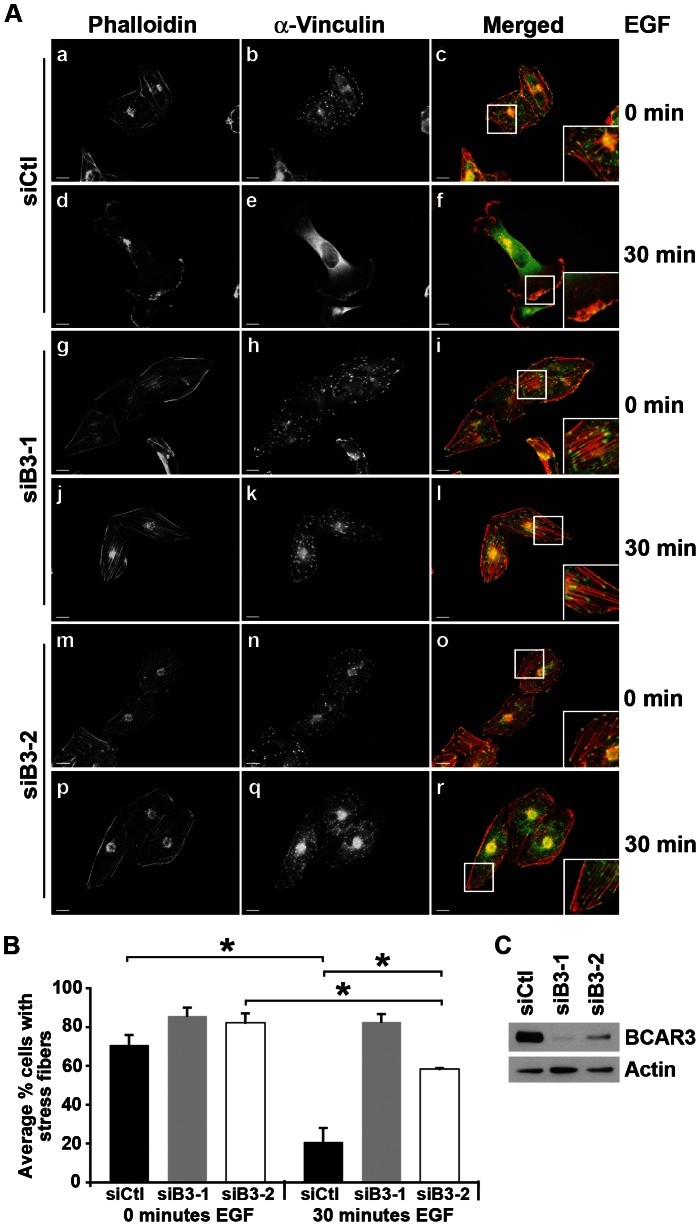
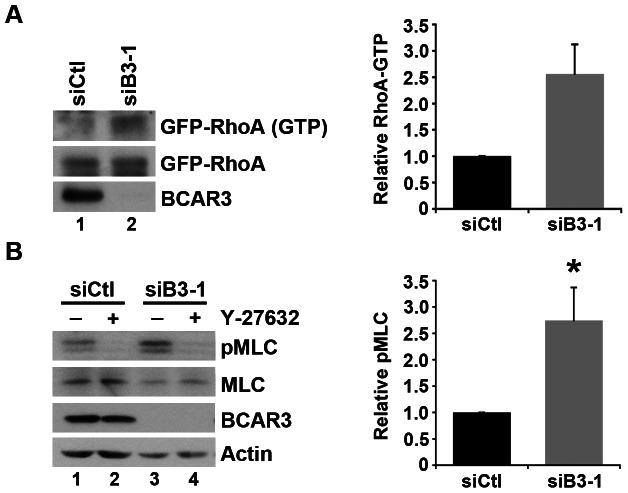
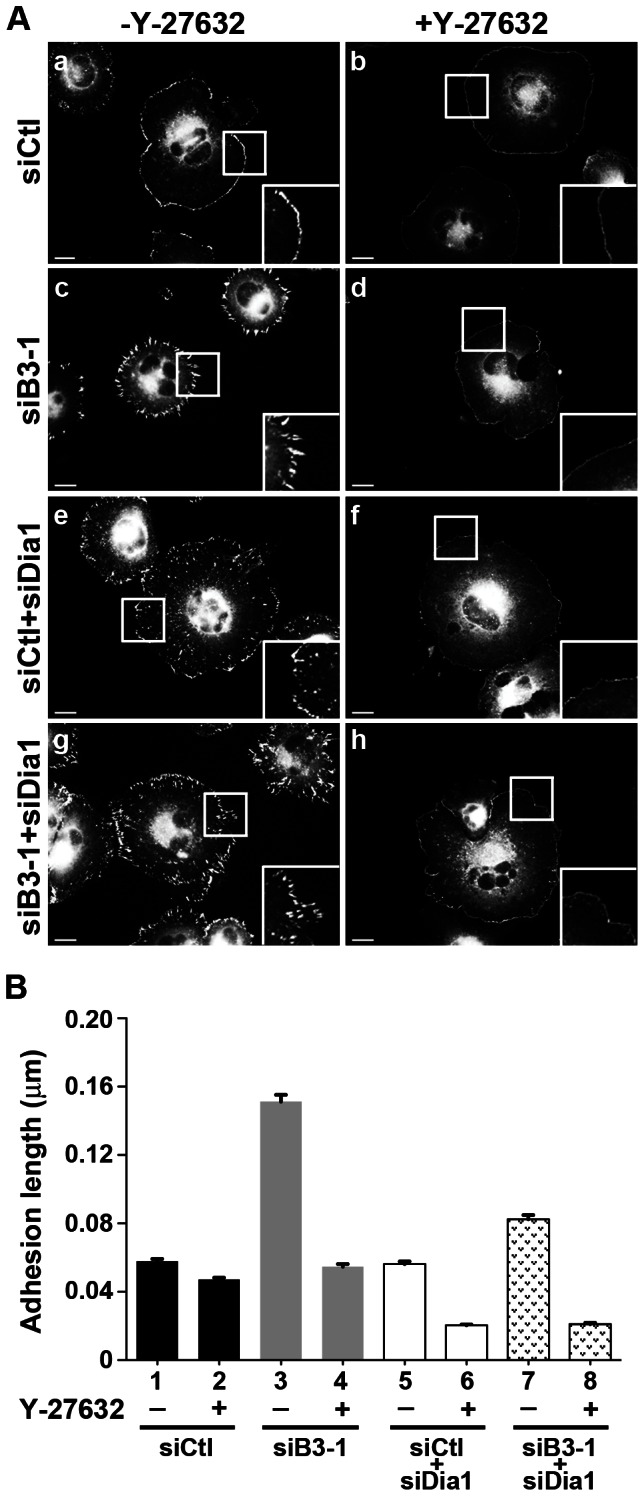
Metastatic breast cancer is incurable. In order to improve patient survival, it is critical to develop a better understanding of the molecular mechanisms that regulate metastasis and the underlying process of cell motility. Here, we focus on the role of the adaptor molecule Breast Cancer Antiestrogen Resistance 3 (BCAR3) in cellular processes that contribute to cell motility, including protrusion, adhesion remodeling, and contractility. Previous work from our group showed that elevated BCAR3 protein levels enhance cell migration, while depletion of BCAR3 reduces the migratory and invasive capacities of breast cancer cells. In the current study, we show that BCAR3 is necessary for membrane protrusiveness, Rac1 activity, and adhesion disassembly in invasive breast cancer cells. We further demonstrate that, in the absence of BCAR3, RhoA-dependent signaling pathways appear to predominate, as evidenced by an increase in RhoA activity, ROCK-mediated phosphorylation of myosin light chain II, and large ROCK/mDia1-dependent focal adhesions. Taken together, these data establish that BCAR3 functions as a positive regulator of cytoskeletal remodeling and adhesion turnover in invasive breast cancer cells through its ability to influence the balance between Rac1 and RhoA signaling. Considering that BCAR3 protein levels are elevated in advanced breast cancer cell lines and enhance breast cancer cell motility, we propose that BCAR3 functions in the transition to advanced disease by triggering intracellular signaling events that are essential to the metastatic process.
转移性乳腺癌是无法治愈的。为了提高患者的生存率,必须更好地了解调节转移的分子机制和细胞运动的潜在过程。在这里,我们重点研究衔接分子乳腺癌抗雌激素耐药蛋白 3(BCAR3)在细胞运动过程中的作用,包括突起、粘附重塑和收缩性。我们小组之前的工作表明,BCAR3 蛋白水平的升高会增强细胞迁移,而 BCAR3 的耗竭会降低乳腺癌细胞的迁移和侵袭能力。在本研究中,我们表明 BCAR3 是侵袭性乳腺癌细胞中膜突出现、Rac1 活性和粘附解体所必需的。我们进一步证明,在没有 BCAR3 的情况下,RhoA 依赖性信号通路似乎占主导地位,这表现在 RhoA 活性增加、ROCK 介导的肌球蛋白轻链 II 磷酸化和 ROCK/mDia1 依赖性大焦点粘附。综上所述,这些数据表明,BCAR3 通过影响 Rac1 和 RhoA 信号之间的平衡,作为侵袭性乳腺癌细胞中细胞骨架重塑和粘附周转的正调节剂发挥作用。鉴于 BCAR3 蛋白水平在晚期乳腺癌细胞系中升高,并增强乳腺癌细胞的迁移能力,我们提出 BCAR3 通过触发对转移过程至关重要的细胞内信号事件,在疾病进展中发挥作用。