ScHARR, University of Sheffield, Sheffield, UK.
BMJ Open. 2013 Jun 20;3(6):e002913. doi: 10.1136/bmjopen-2013-002913.
Over-the-counter (OTC) pharmacy medicines are considered relatively safe in contrast to prescribed and illicit substances, but their abuse and addiction potential is increasingly recognised. Those affected represent a hard to reach group, with little known about their experiences. Study objectives were to describe the experiences and views of those self-reporting OTC medicine abuse, and why medicines were taken, how they were obtained and associated treatment and support sought.
Qualitative study using in-depth mainly telephone interviews.
A purposive sample of 25 adults, aged 20-60s, 13 women.
UK, via two internet support groups.
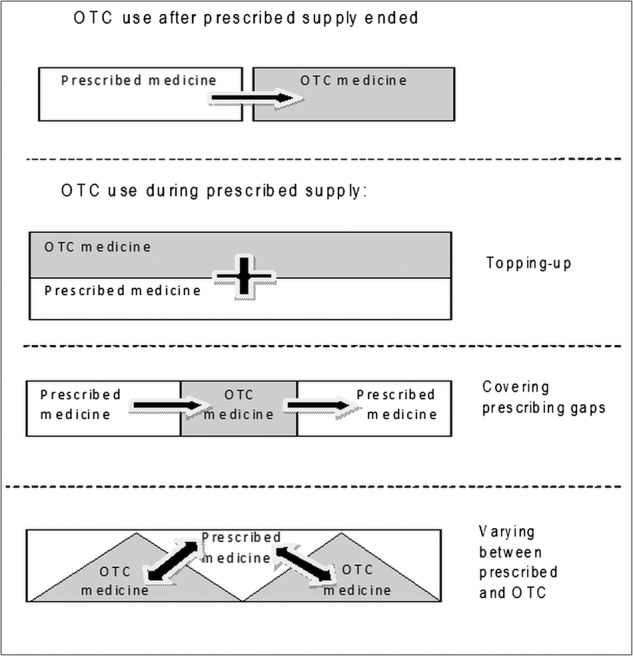
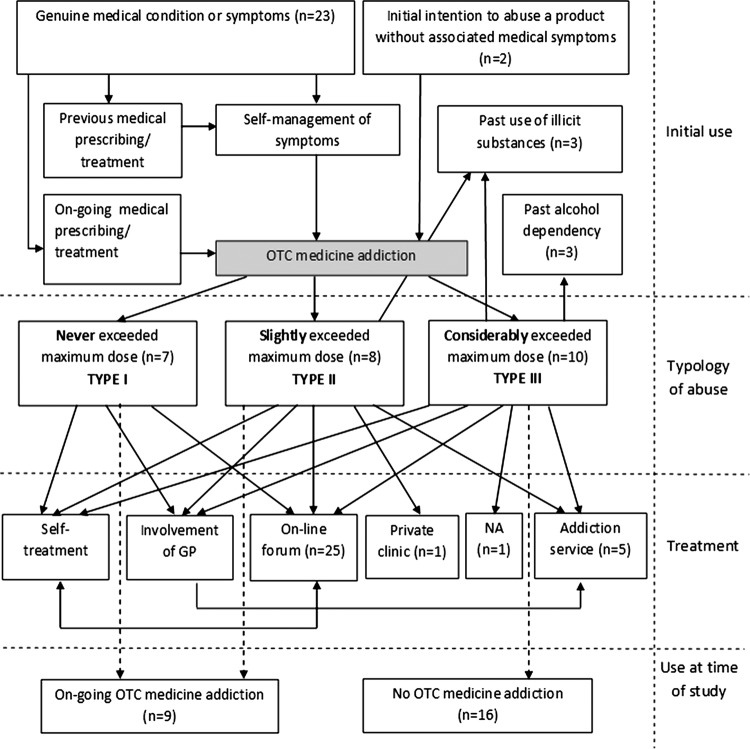
Individuals considered themselves 'addicted', but socially and economically active and different from illicit substance misusers. They blamed themselves for losing control over their medicine use, which usually began for genuine medical reasons and not experimentation and was often linked to the cessation of, or ongoing, medical prescribing. Codeine, in compound analgesics, was the main medicine implicated with three distinct dose ranges emerging with decongestant and sedative antihistamine abuse also being reported. Subsequent use was for the 'buzz' or similar effects of the opiate, which was obtained unproblematically by having lists of pharmacies to visit and occasionally using internet suppliers. Perceived withdrawal symptoms were described for all three dose ranges, and work and health problems were reported with higher doses. Mixed views about different treatment and support options emerged with standard drug treatment services being considered inappropriate for OTC medicines and concerns that this 'hidden addiction' was recorded in medical notes. Most supported the continued availability of OTC medicines with appropriate addiction warnings.
Greater awareness of the addiction potential of OTC medicines is needed for the public, pharmacists and medical prescribers, along with appropriate communication about, and reviews of, treatment and support options, for this distinct group.
与处方药物和非法药物相比,非处方(OTC)药物被认为相对安全,但它们的滥用和成瘾潜力日益受到关注。受影响的人群难以接触到,他们的经历鲜为人知。本研究旨在描述那些自我报告的 OTC 药物滥用者的经历和观点,以及他们为什么服用药物、如何获得药物以及寻求了哪些相关的治疗和支持。
使用深度访谈的定性研究。
25 名年龄在 20-60 岁之间的成年人,其中 13 名女性,为有目的抽样。
英国,通过两个互联网支持小组。
参与者认为自己“上瘾”了,但他们在社会和经济上活跃,与非法药物滥用者不同。他们将自己失去对药物使用的控制归咎于自己,而药物使用通常始于真正的医疗原因,而不是出于实验目的,并且常常与医疗处方的停止或持续有关。可待因在复方镇痛药中被认为是主要的药物,出现了三个不同的剂量范围,同时也报告了去充血和镇静抗组胺药物的滥用。随后的使用是为了获得阿片类药物的“快感”或类似效果,通过访问一系列药房并偶尔使用互联网供应商,可以轻松获得这些药物。所有剂量范围都出现了戒断症状,并且报告了与工作和健康相关的问题,高剂量的药物还会导致工作和健康问题。对于不同的治疗和支持选择,出现了混合的观点,标准的药物治疗服务被认为不适合 OTC 药物,并且担心这种“隐性成瘾”会被记录在医疗记录中。大多数人支持继续提供 OTC 药物,并带有适当的成瘾警告。
需要提高公众、药剂师和医疗开处方者对 OTC 药物成瘾潜力的认识,并适当沟通和审查治疗和支持选择,以满足这一特殊群体的需求。