McBride Chad B, Cheezum Michael K, Gore Rosco S, Pathirana Induruwa N, Slim Ahmad M, Villines Todd C
Cardiology Service, Walter Reed National Military Medical Center, 8901 Wisconsin Avenue., Bethesda, MD 20850 USA.
Curr Cardiovasc Imaging Rep. 2013 Jun;6(3):211-220. doi: 10.1007/s12410-013-9198-0.
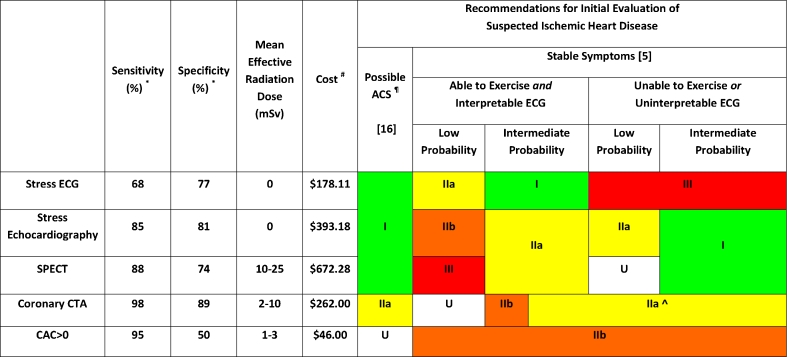
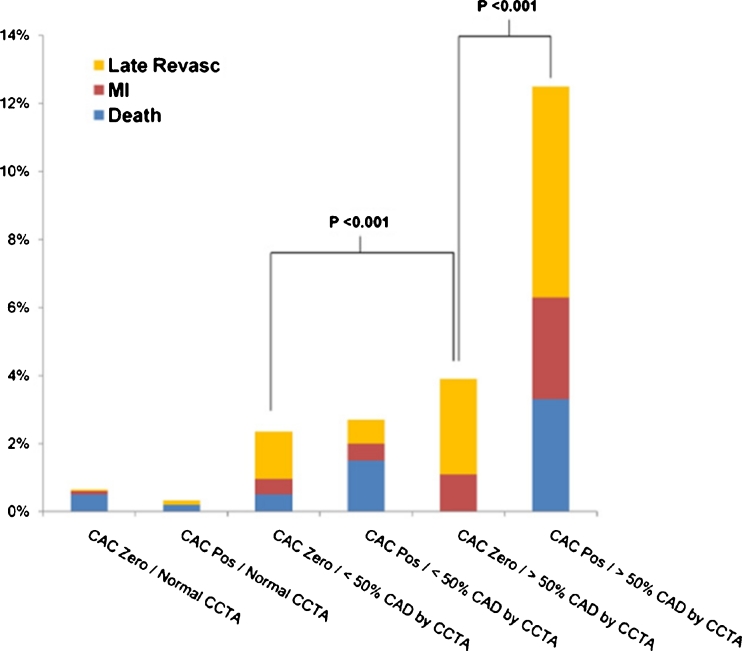
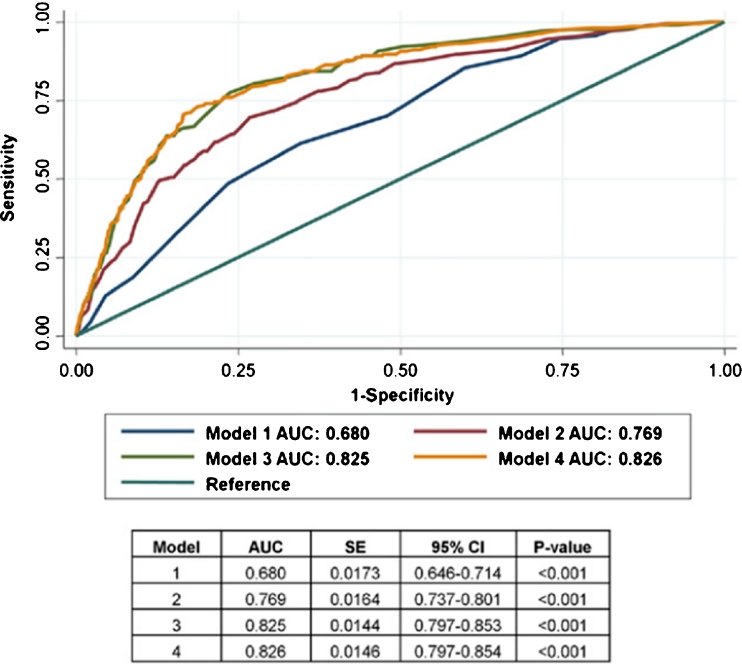
The detection and quantification of coronary artery calcification (CAC) significantly improves cardiovascular risk prediction in asymptomatic patients. Many have advocated for expanded CAC testing in symptomatic patients based on data demonstrating that the absence of quantifiable CAC in patients with possible angina makes obstructive coronary artery disease (CAD) and subsequent adverse events highly unlikely. However, the widespread use of CAC testing in symptomatic patients may be limited by the high background prevalence of CAC and its low specificity for obstructive CAD, necessitating additional testing ('test layering') in a large percentage of eligible patients. Further, adequately powered prospective studies validating the comparative effectiveness of a 'CAC first' approach with regards to cost, safety, accuracy and clinical outcomes are lacking. Due to marked reductions in patient radiation exposure and higher comparative accuracy and prognostic value make coronary computed tomographic angiography the preferred CT-based test for appropriately selected symptomatic patients.
冠状动脉钙化(CAC)的检测和定量分析可显著改善无症状患者的心血管风险预测。许多人主张对有症状的患者扩大CAC检测,因为有数据表明,可能患有心绞痛的患者若无可量化的CAC,则患阻塞性冠状动脉疾病(CAD)及随后发生不良事件的可能性极低。然而,在有症状的患者中广泛使用CAC检测可能会受到CAC高背景患病率及其对阻塞性CAD低特异性的限制,这使得很大比例的合格患者需要进行额外检测(“检测分层”)。此外,目前缺乏有足够效力的前瞻性研究来验证“先进行CAC检测”方法在成本、安全性、准确性和临床结果方面的比较有效性。由于患者辐射暴露显著减少,且具有更高的比较准确性和预后价值,冠状动脉计算机断层血管造影术成为为适当选择的有症状患者首选的基于CT的检测方法。