Medical Service, Veterans Affairs Palo Alto Health Care System, Palo Alto, CA, USA.
J Mol Med (Berl). 2013 Sep;91(9):1081-93. doi: 10.1007/s00109-013-1063-8.
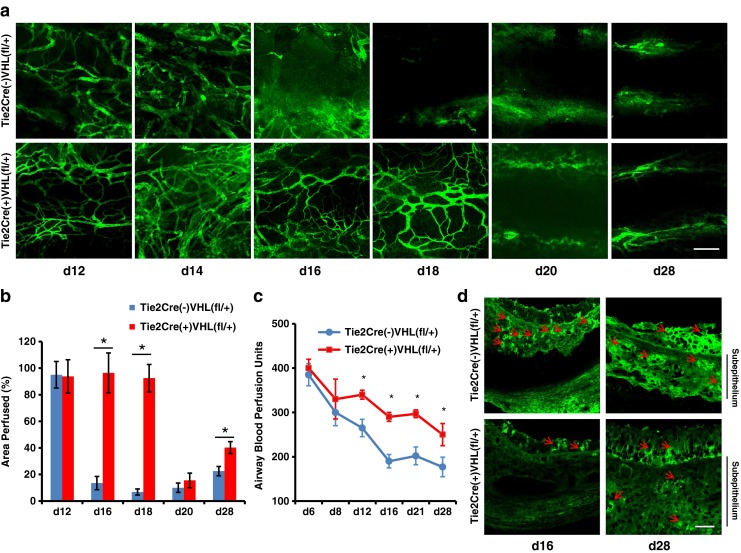
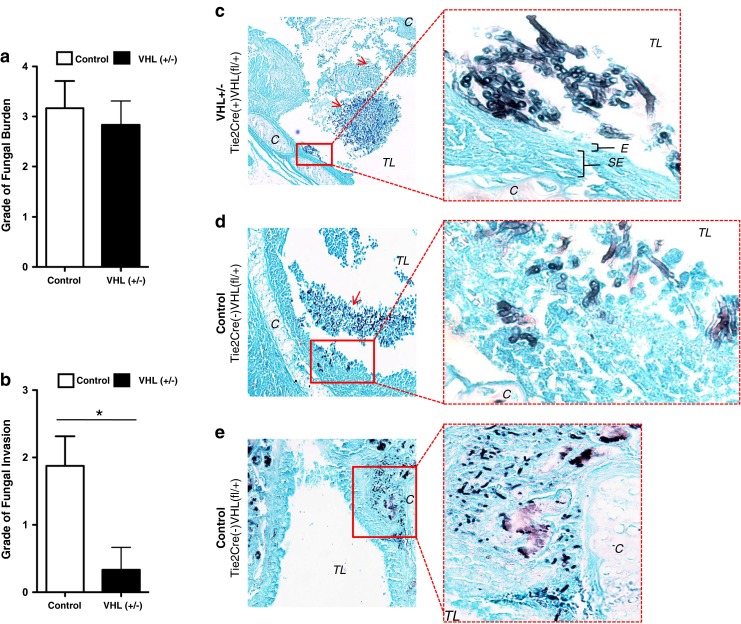
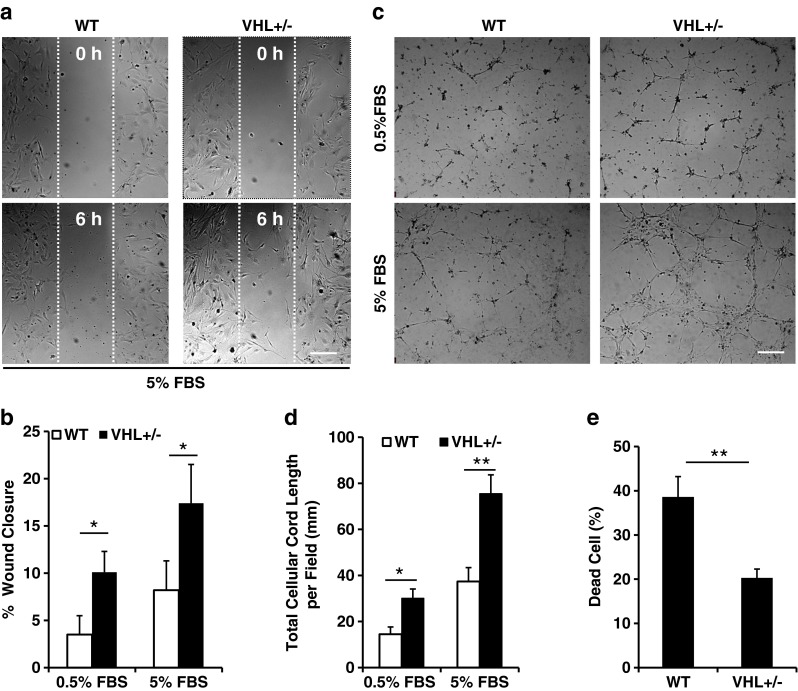
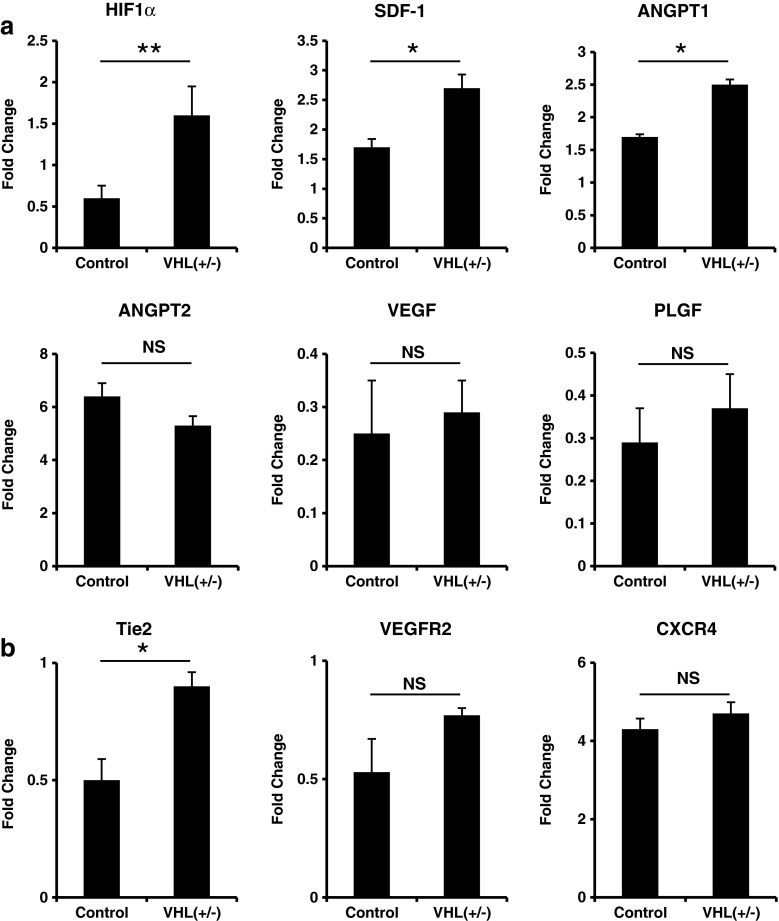
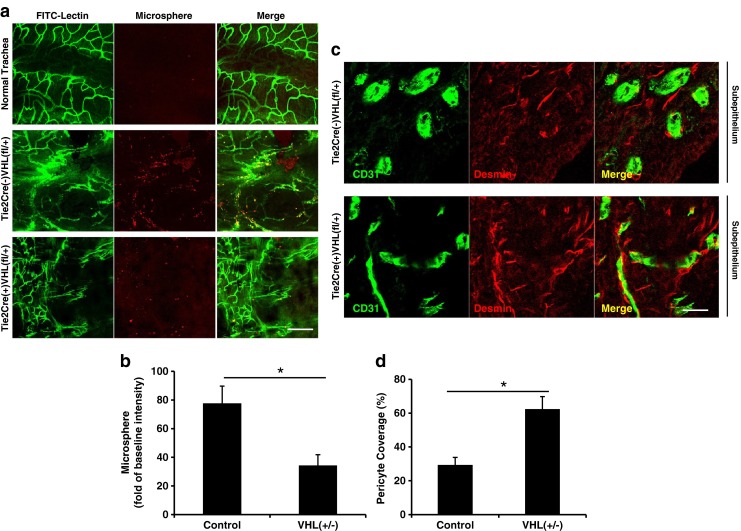
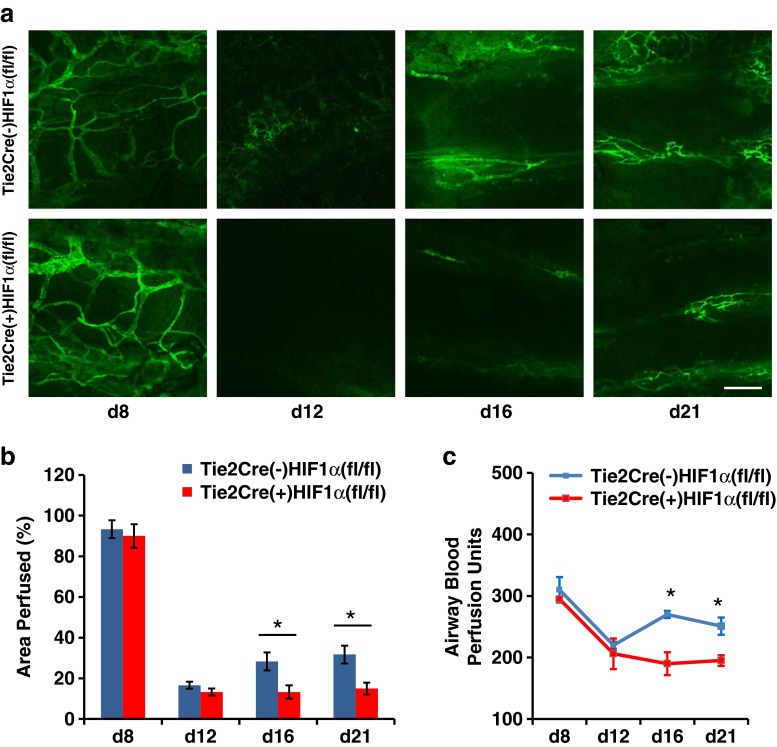
Microvascular ischemia and infections are associated with the development of chronic rejection following lung transplantation. The von Hippel–Lindau protein (VHL) controls protein levels of hypoxia-inducible factors (HIFs), regulates vascular repair, and improves tissue perfusion. Here, we studied the role of VHL in microvascular repair by orthotopically transplanting tracheas into mice with VHL haplodeficiency in Tie2 lineage cells. We showed that VHL haplodeficiency prolonged airway microvascular perfusion and promoted tissue blood flow through the production of the angiogenic factors, SDF-1 and angiopoietin 1. VHL-haplodeficient pulmonary endothelial cells exhibited increased angiogenic activity, resistance to serum deprivation-induced cell death, and enhanced microvascular repair. By contrast, in recipient mice with HIF-1α deficiency in Tie2 lineage cells, microvascular repair was significantly diminished and suggested that recipient-derived HIF-1α normally participates in the repair of alloimmune-mediated microvascular damage. To evaluate the translational impact of our findings, we compared VHL-haplodeficient mice with wild-type controls using a model of Aspergillus airway infection. In 83% of the VHL-haplodeficient recipients, Aspergillus fumigatus was noninvasive in contrast to 75% of wild-type mice in which the mold was deeply invasive. Our study demonstrated that stabilization of HIF-1α in angiogenic cells, through Tie2 cell VHL haplodeficiency, promoted airway microvascular regeneration and vascular normalization and thereby minimized tissue ischemia and hypoxia. By also mitigating the virulence of A. fumigatus, a common pathogen and itself a risk factor for the development of lung transplant rejection, the selective enhancement of HIF-1α expression has the prospect of offering several novel therapeutic effects to transplant recipients.
微血管缺血和感染与肺移植后慢性排斥反应的发展有关。希佩尔-林道蛋白(VHL)控制缺氧诱导因子(HIFs)的蛋白水平,调节血管修复,并改善组织灌注。在这里,我们通过在 Tie2 谱系细胞中 VHL 杂合缺失的小鼠中移植气管,研究了 VHL 在微血管修复中的作用。我们表明,VHL 杂合缺失通过产生血管生成因子 SDF-1 和血管生成素 1 延长了气道微血管灌注,并促进了组织血流。VHL 杂合缺失的肺内皮细胞表现出增加的血管生成活性、对血清剥夺诱导的细胞死亡的抗性以及增强的微血管修复。相比之下,在 Tie2 谱系细胞中 HIF-1α 缺失的受者小鼠中,微血管修复明显减少,表明受者来源的 HIF-1α 通常参与同种免疫介导的微血管损伤的修复。为了评估我们发现的转化影响,我们使用曲霉菌气道感染模型比较了 VHL 杂合缺失小鼠和野生型对照。在 83%的 VHL 杂合缺失受者中,烟曲霉是非侵袭性的,而在 75%的野生型小鼠中,霉菌是深部侵袭性的。我们的研究表明,通过 Tie2 细胞 VHL 杂合缺失稳定血管生成细胞中的 HIF-1α,促进了气道微血管再生和血管正常化,从而最大限度地减少了组织缺血和缺氧。通过减轻烟曲霉的毒力,烟曲霉是一种常见的病原体,也是肺移植排斥反应发展的危险因素,选择性增强 HIF-1α 的表达有望为移植受者提供几种新的治疗效果。