Tissue Engineering Group, Department of Histology, University of Granada, Granada, Spain.
PLoS One. 2013 Jun 14;8(6):e66538. doi: 10.1371/journal.pone.0066538. Print 2013.
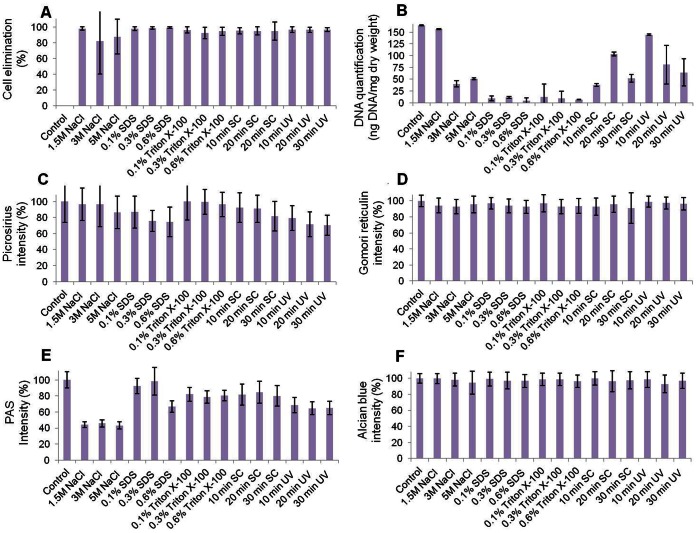
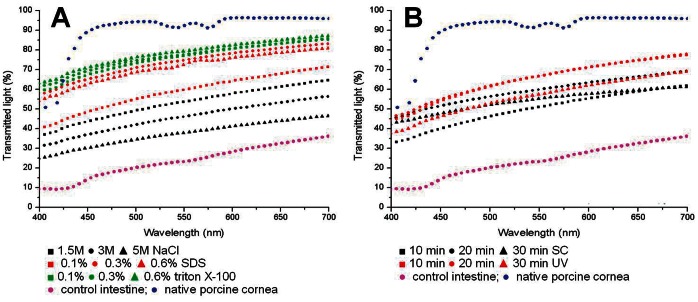
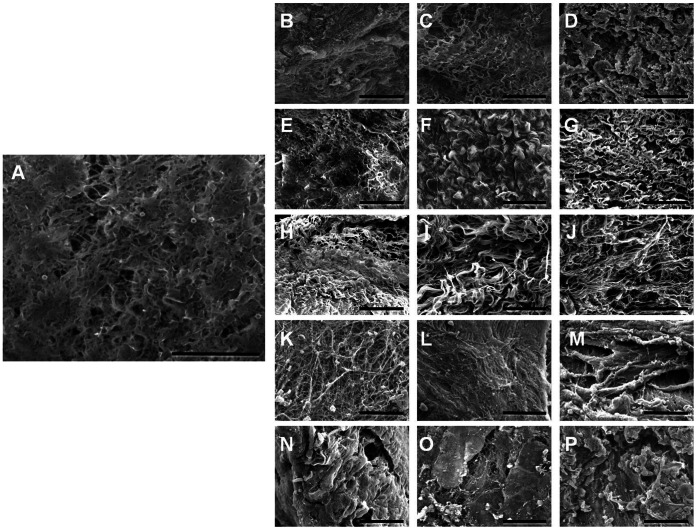
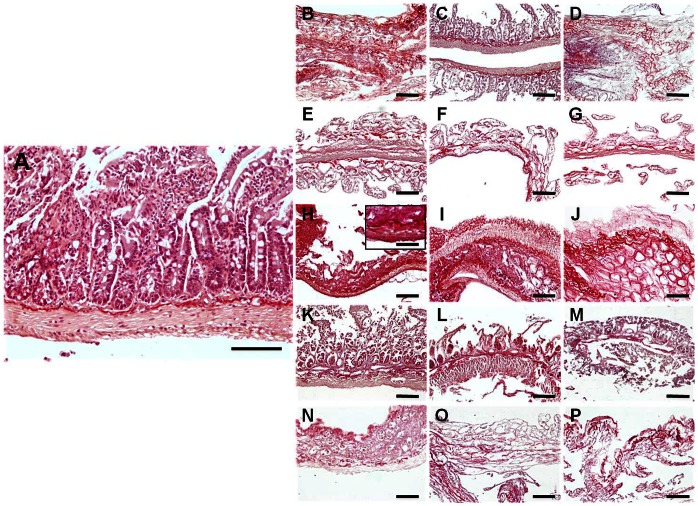
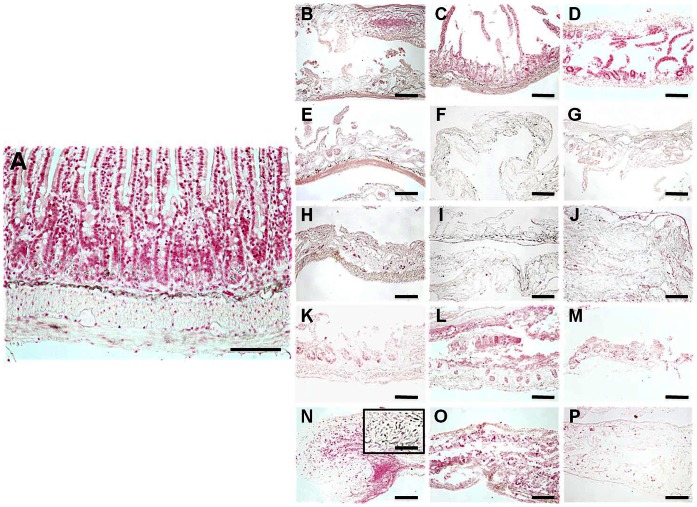
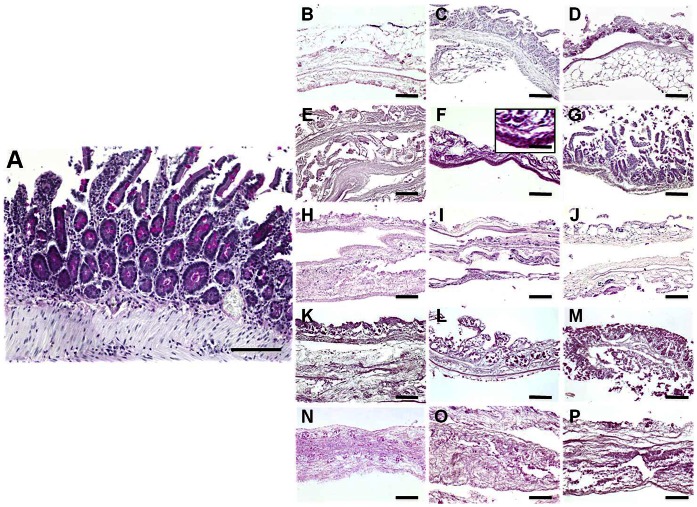
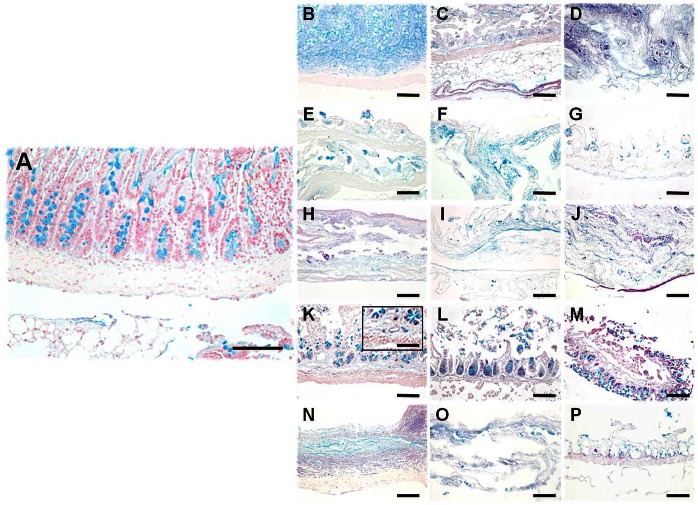
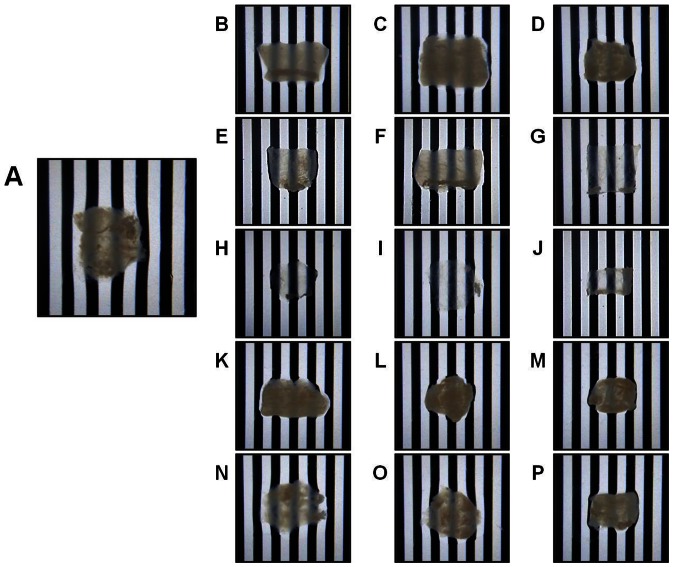
Advances in the development of cornea substitutes by tissue engineering techniques have focused on the use of decellularized tissue scaffolds. In this work, we evaluated different chemical and physical decellularization methods on small intestine tissues to determine the most appropriate decellularization protocols for corneal applications. Our results revealed that the most efficient decellularization agents were the SDS and triton X-100 detergents, which were able to efficiently remove most cell nuclei and residual DNA. Histological and histochemical analyses revealed that collagen fibers were preserved upon decellularization with triton X-100, NaCl and sonication, whereas reticular fibers were properly preserved by decellularization with UV exposure. Extracellular matrix glycoproteins were preserved after decellularization with SDS, triton X-100 and sonication, whereas proteoglycans were not affected by any of the decellularization protocols. Tissue transparency was significantly higher than control non-decellularized tissues for all protocols, although the best light transmittance results were found in tissues decellularized with SDS and triton X-100. In conclusion, our results suggest that decellularized intestinal grafts could be used as biological scaffolds for cornea tissue engineering. Decellularization with triton X-100 was able to efficiently remove all cells from the tissues while preserving tissue structure and most fibrillar and non-fibrillar extracellular matrix components, suggesting that this specific decellularization agent could be safely used for efficient decellularization of SI tissues for cornea TE applications.
组织工程技术在角膜替代物开发方面的进展集中在使用脱细胞组织支架上。在这项工作中,我们评估了不同的化学和物理脱细胞方法对小肠组织的影响,以确定最适合角膜应用的脱细胞方案。我们的结果表明,最有效的脱细胞剂是 SDS 和 Triton X-100 去污剂,它们能够有效地去除大多数细胞核和残留的 DNA。组织学和组织化学分析表明,在用 Triton X-100、NaCl 和超声处理进行脱细胞化时,胶原纤维得以保留,而在用 UV 照射进行脱细胞化时,网状纤维得以适当保留。在用 SDS、Triton X-100 和超声处理进行脱细胞化后,细胞外基质糖蛋白得以保留,而在用任何脱细胞方案处理后,蛋白聚糖均不受影响。与所有方案相比,组织的透明度均显著高于非脱细胞对照组织,但在用 SDS 和 Triton X-100 进行脱细胞化的组织中,透光率最佳。总之,我们的结果表明,脱细胞化的肠移植体可作为角膜组织工程的生物支架。Triton X-100 的脱细胞化能够有效地从组织中去除所有细胞,同时保留组织结构和大多数纤维状和非纤维状细胞外基质成分,表明这种特定的脱细胞剂可安全用于高效脱细胞化 SI 组织以应用于角膜 TE。