Department of Hematology/Oncology, University Medical Center, Göttingen, Germany.
Glia. 2013 Aug;61(8):1331-46. doi: 10.1002/glia.22518. Epub 2013 Jul 6.
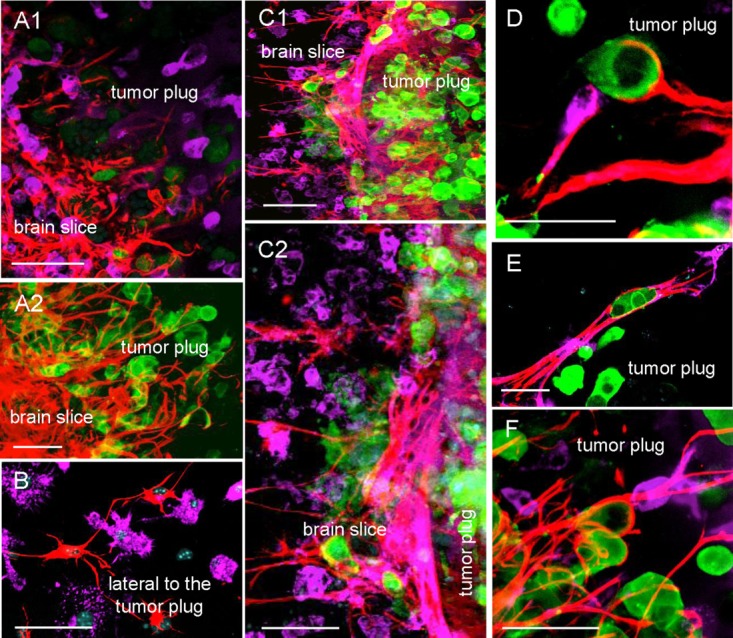
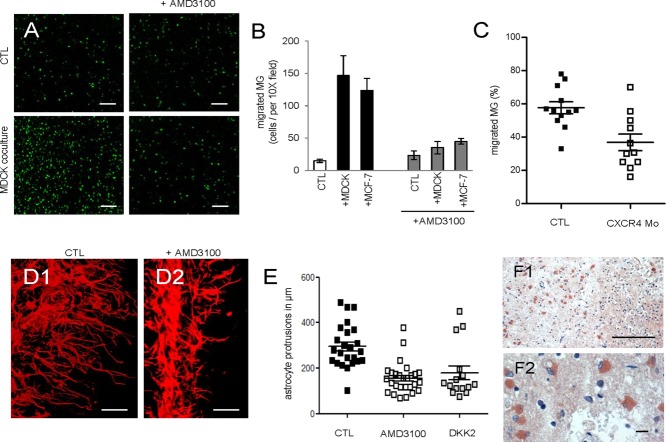
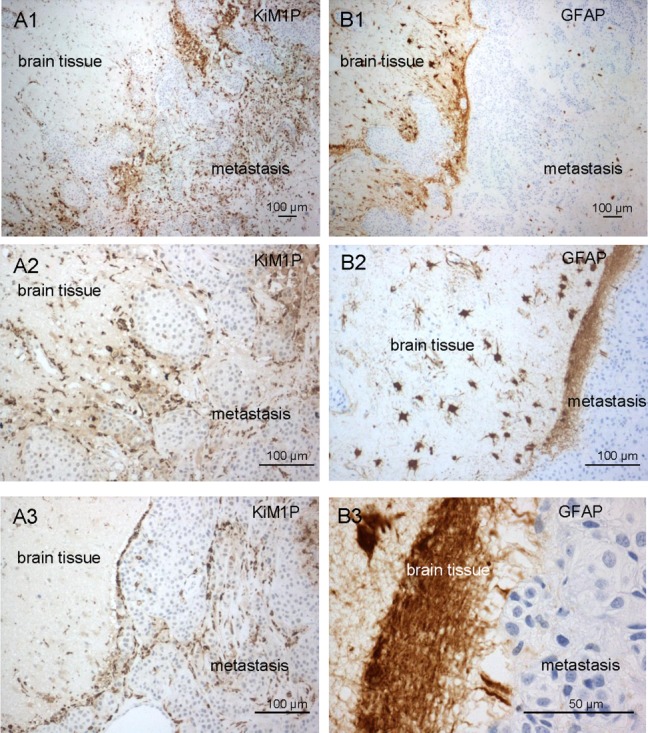
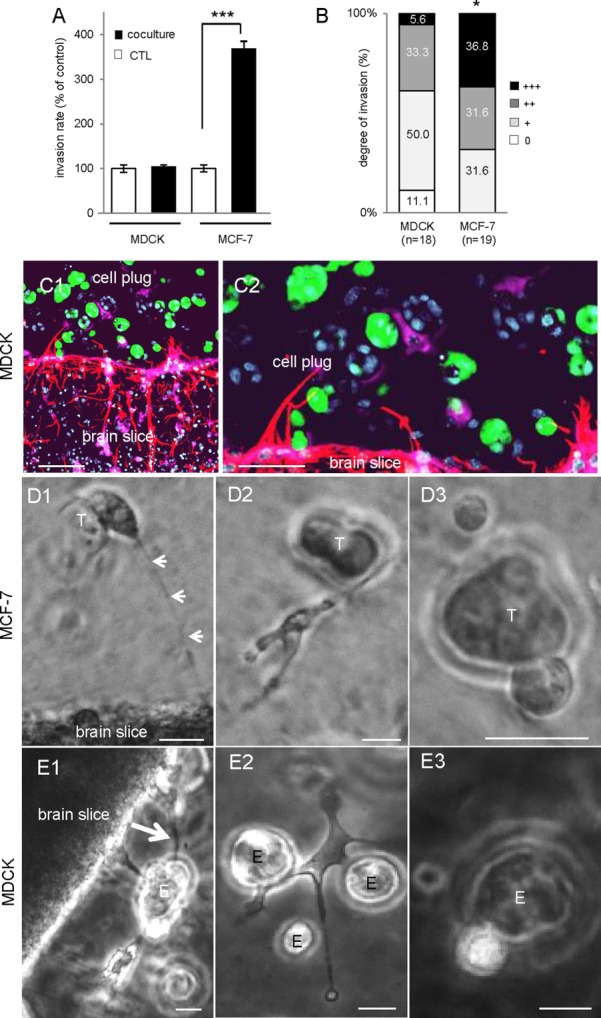
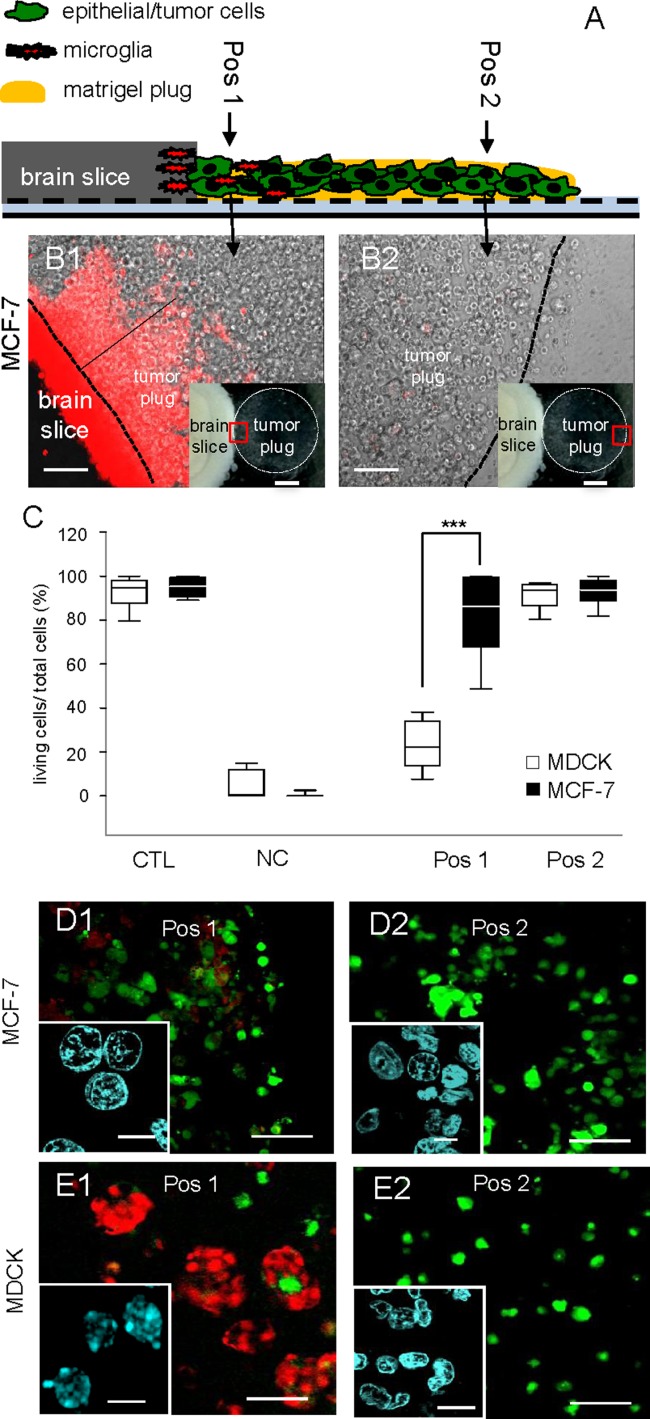
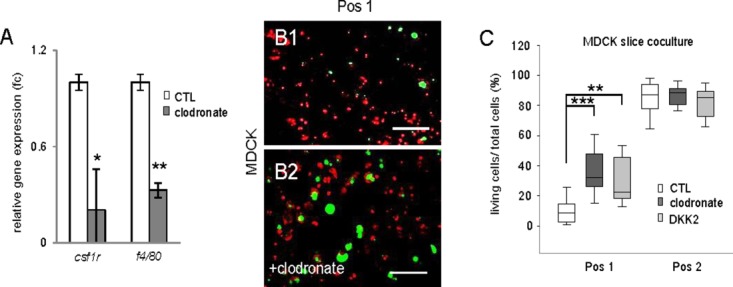
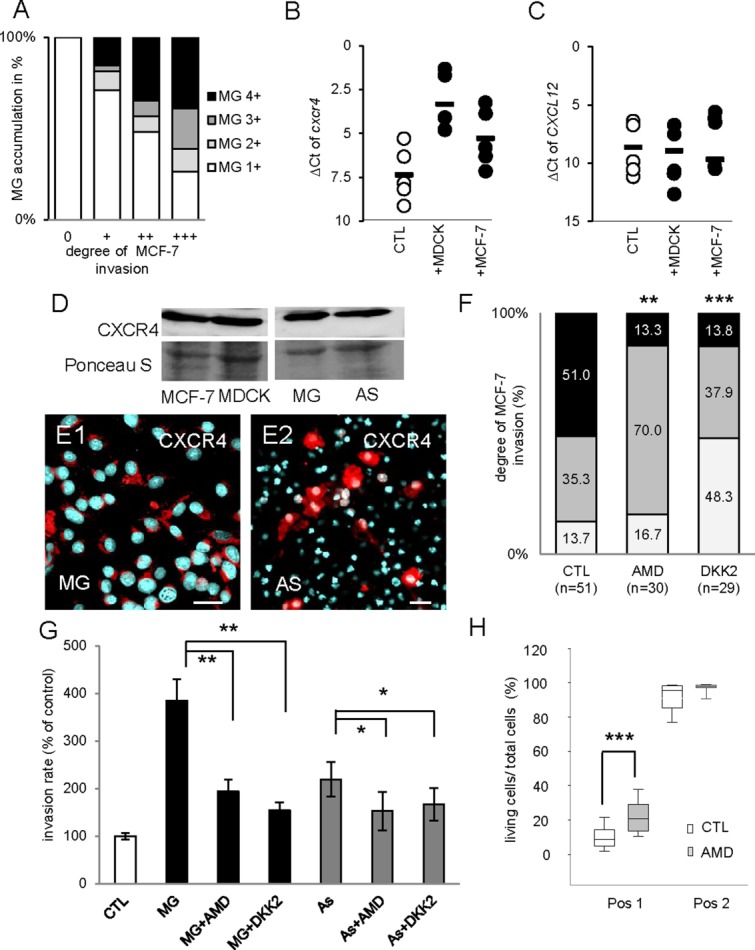
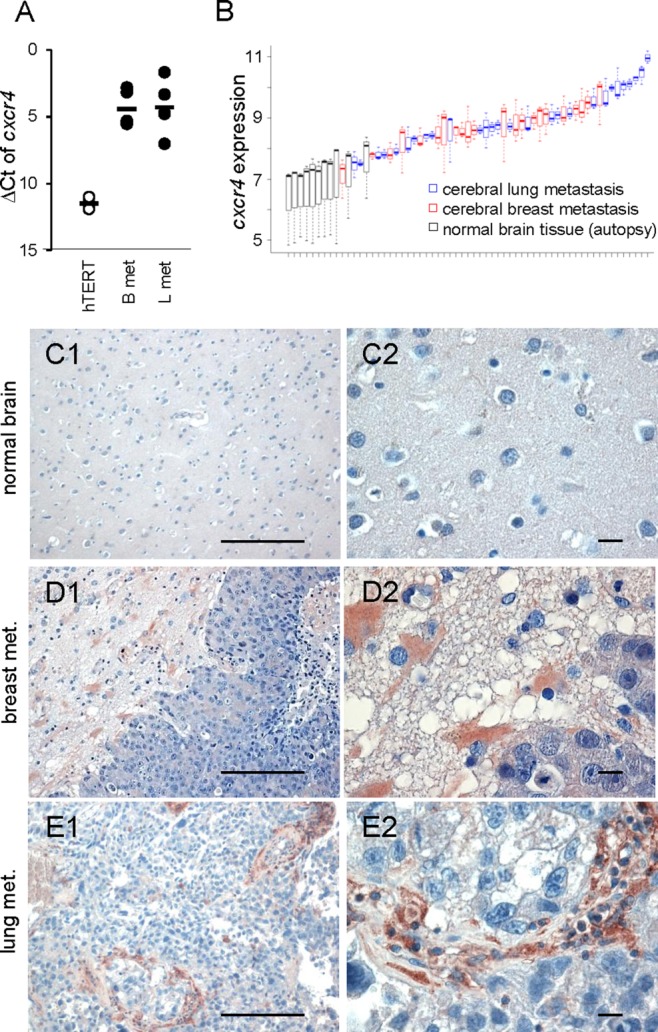
The metastatic colonization of the brain by carcinoma cells is still barely understood, in particular when considering interactions with the host tissue. The colonization comes with a substantial destruction of the surrounding host tissue. This leads to activation of damage responses by resident innate immune cells to protect, repair, and organize the wound healing, but may distract from tumoricidal actions. We recently demonstrated that microglia, innate immune cells of the CNS, assist carcinoma cell invasion. Here we report that this is a fatal side effect of a physiological damage response of the brain tissue. In a brain slice coculture model, contact with both benign and malignant epithelial cells induced a response by microglia and astrocytes comparable to that seen at the interface of human cerebral metastases. While the glial damage response intended to protect the brain from intrusion of benign epithelial cells by inducing apoptosis, it proved ineffective against various malignant cell types. They did not undergo apoptosis and actually exploited the local tissue reaction to invade instead. Gene expression and functional analyses revealed that the C-X-C chemokine receptor type 4 (CXCR4) and WNT signaling were involved in this process. Furthermore, CXCR4-regulated microglia were recruited to sites of brain injury in a zebrafish model and CXCR4 was expressed in human stroke patients, suggesting a conserved role in damage responses to various types of brain injuries. Together, our findings point to a detrimental misuse of the glial damage response program by carcinoma cells resistant to glia-induced apoptosis.
癌细胞向大脑的转移定植仍知之甚少,尤其是考虑到与宿主组织的相互作用时。定植伴随着周围宿主组织的大量破坏。这会导致驻留固有免疫细胞激活损伤反应,以保护、修复和组织伤口愈合,但可能会分散对肿瘤杀伤作用的注意力。我们最近证明,小胶质细胞是中枢神经系统的固有免疫细胞,有助于癌细胞的侵袭。在这里,我们报告说,这是脑组织生理损伤反应的致命副作用。在脑切片共培养模型中,与良性和恶性上皮细胞接触会诱导小胶质细胞和星形胶质细胞产生类似于人类脑转移界面所见的反应。虽然神经胶质细胞的损伤反应旨在通过诱导细胞凋亡来保护大脑免受良性上皮细胞的入侵,但对各种恶性细胞类型却没有效果。它们不会发生细胞凋亡,反而实际上利用局部组织反应进行侵袭。基因表达和功能分析表明,C-X-C 趋化因子受体 4(CXCR4)和 WNT 信号通路参与了这一过程。此外,CXCR4 调节的小胶质细胞在斑马鱼模型中被招募到脑损伤部位,并且 CXCR4 在人类中风患者中表达,这表明其在各种类型的脑损伤的损伤反应中具有保守作用。总之,我们的研究结果表明,癌细胞对神经胶质细胞诱导的细胞凋亡具有抗性,会对神经胶质细胞损伤反应程序造成有害的滥用。