Schwarz Daniel, Štourač Petr, Komenda Martin, Harazim Hana, Kosinová Martina, Gregor Jakub, Hůlek Richard, Smékalová Olga, Křikava Ivo, Štoudek Roman, Dušek Ladislav
Institute of Biostatistics and Analyses, Faculty of Medicine, Masaryk University, Brno, 625 00 Czech Republic.
J Med Internet Res. 2013 Jul 8;15(7):e135. doi: 10.2196/jmir.2590.
Medical Faculties Network (MEFANET) has established itself as the authority for setting standards for medical educators in the Czech Republic and Slovakia, 2 independent countries with similar languages that once comprised a federation and that still retain the same curricular structure for medical education. One of the basic goals of the network is to advance medical teaching and learning with the use of modern information and communication technologies.
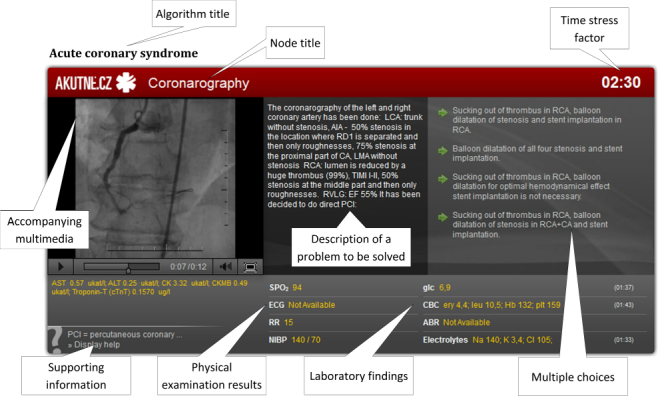
We present the education portal AKUTNE.CZ as an important part of the MEFANET's content. Our focus is primarily on simulation-based tools for teaching and learning acute medicine issues.
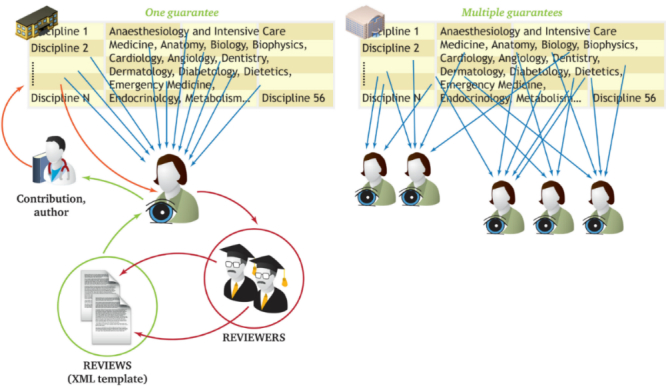
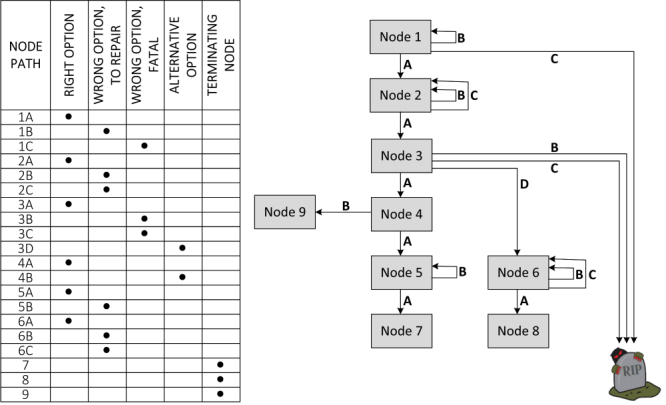
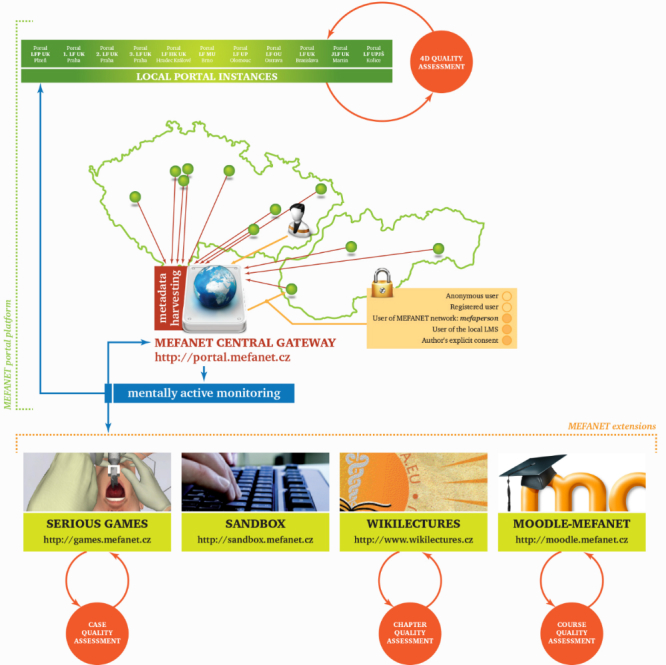
Three fundamental elements of the MEFANET e-publishing system are described: (1) medical disciplines linker, (2) authentication/authorization framework, and (3) multidimensional quality assessment. A new set of tools for technology-enhanced learning have been introduced recently: Sandbox (works in progress), WikiLectures (collaborative content authoring), Moodle-MEFANET (central learning management system), and Serious Games (virtual casuistics and interactive algorithms). The latest development in MEFANET is designed for indexing metadata about simulation-based learning objects, also known as electronic virtual patients or virtual clinical cases. The simulations assume the form of interactive algorithms for teaching and learning acute medicine. An anonymous questionnaire of 10 items was used to explore students' attitudes and interests in using the interactive algorithms as part of their medical or health care studies. Data collection was conducted over 10 days in February 2013.
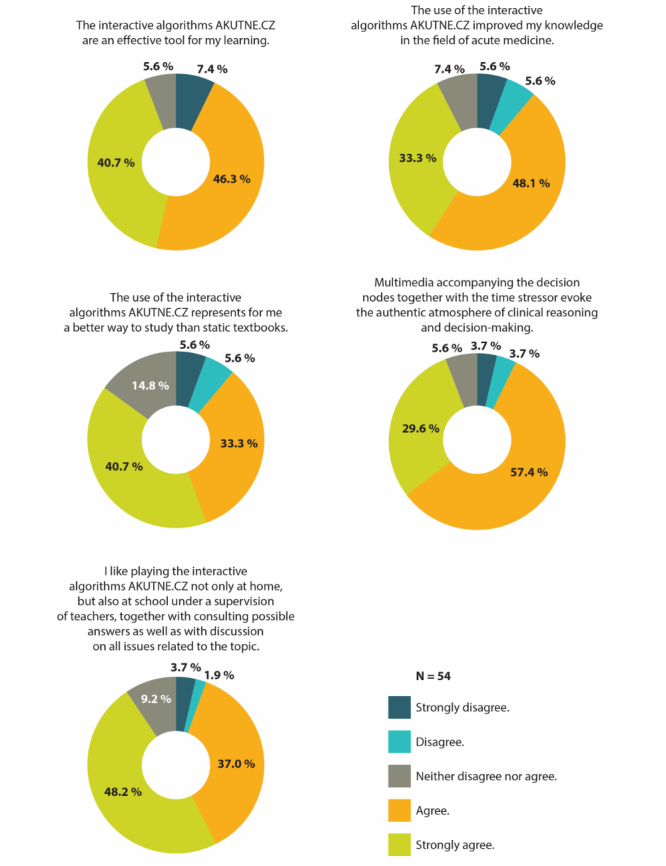
In total, 25 interactive algorithms in the Czech and English languages have been developed and published on the AKUTNE.CZ education portal to allow the users to test and improve their knowledge and skills in the field of acute medicine. In the feedback survey, 62 participants completed the online questionnaire (13.5%) from the total 460 addressed. Positive attitudes toward the interactive algorithms outnumbered negative trends.
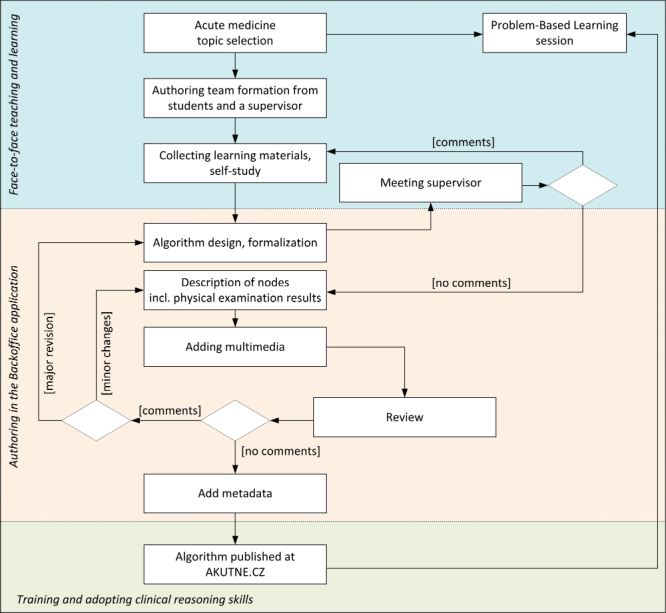
The peer-reviewed algorithms were used for conducting problem-based learning sessions in general medicine (first aid, anesthesiology and pain management, emergency medicine) and in nursing (emergency medicine for midwives, obstetric analgesia, and anesthesia for midwifes). The feedback from the survey suggests that the students found the interactive algorithms as effective learning tools, facilitating enhanced knowledge in the field of acute medicine. The interactive algorithms, as a software platform, are open to academic use worldwide. The existing algorithms, in the form of simulation-based learning objects, can be incorporated into any educational website (subject to the approval of the authors).
医学教师网络(MEFANET)已确立其作为捷克共和国和斯洛伐克医学教育工作者标准制定权威机构的地位。这两个独立国家语言相近,曾组成一个联邦,且在医学教育方面仍保留相同的课程结构。该网络的基本目标之一是利用现代信息和通信技术推动医学教学与学习。
我们展示教育门户网站AKUTNE.CZ,它是MEFANET内容的重要组成部分。我们主要关注用于急性医学问题教学与学习的基于模拟的工具。
描述了MEFANET电子出版系统的三个基本要素:(1)医学学科链接器,(2)认证/授权框架,以及(3)多维质量评估。最近引入了一套新的技术增强学习工具:沙盒(正在开发中)、维基讲座(协作内容创作)、Moodle - MEFANET(中央学习管理系统)和严肃游戏(虚拟案例分析和交互式算法)。MEFANET的最新进展旨在为基于模拟的学习对象(也称为电子虚拟患者或虚拟临床案例)的元数据建立索引。这些模拟采用交互式算法的形式用于急性医学的教学与学习。使用一份包含10个条目的匿名问卷来探究学生对将交互式算法作为医学或医疗保健学习一部分的态度和兴趣。数据收集于2013年2月进行了10天。
总共开发了25种捷克语和英语的交互式算法,并在AKUTNE.CZ教育门户网站上发布,以允许用户测试和提高他们在急性医学领域的知识和技能。在反馈调查中,460名被调查者中有62名(13.5%)完成了在线问卷。对交互式算法持积极态度的人数超过了消极态度的人数。
经过同行评审的算法被用于开展普通医学(急救、麻醉学与疼痛管理、急诊医学)和护理学(助产士急诊医学、产科镇痛、助产士麻醉)中的基于问题的学习课程。调查反馈表明,学生们发现交互式算法是有效的学习工具,有助于增强急性医学领域的知识。作为一个软件平台,交互式算法在全球范围内可供学术使用。现有的算法以基于模拟的学习对象形式,可以纳入任何教育网站(需经作者批准)。