Department of Neurology, Dongzhimen Hospital, Beijing University of Chinese Medicine, No. 5 Haiyuncang, Dongcheng District, Beijing 100700, China ; Department of Psychiatry, Massachusetts General Hospital, Harvard Medical School, Boston, MA 02129, USA.
Evid Based Complement Alternat Med. 2013;2013:628907. doi: 10.1155/2013/628907. Epub 2013 Jun 6.
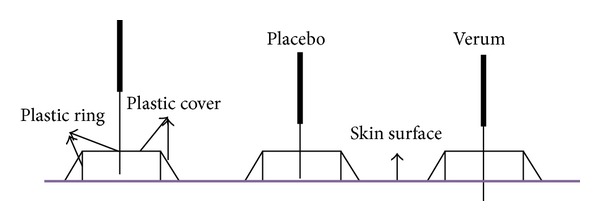
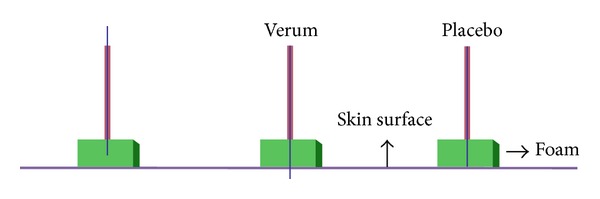
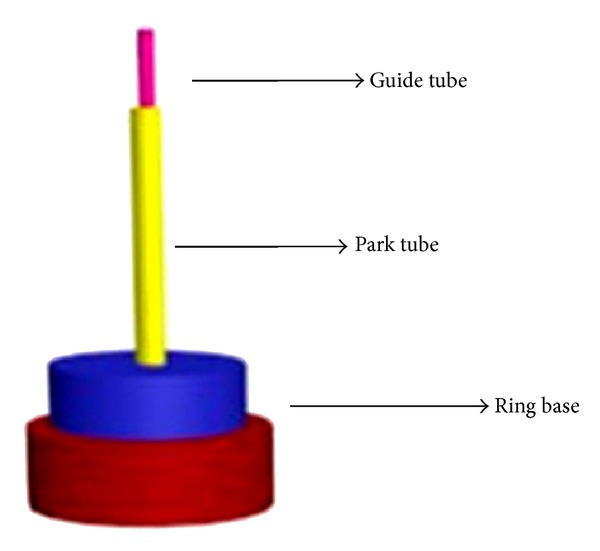
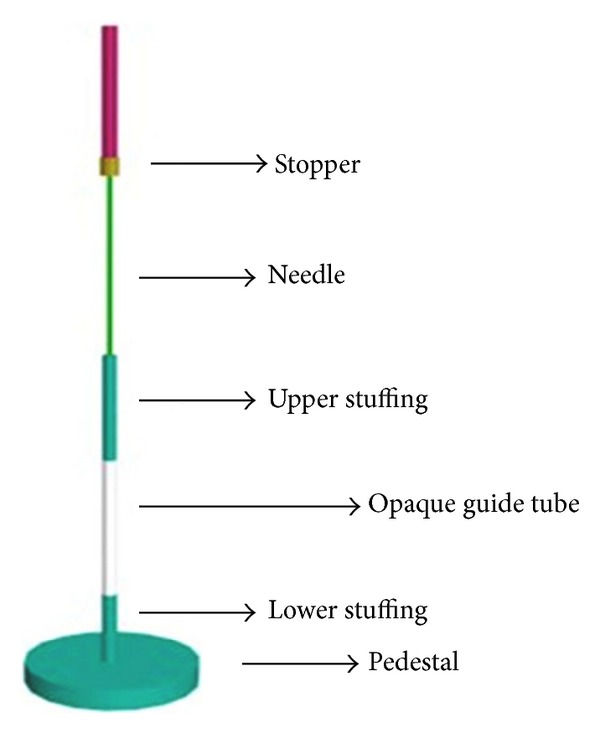
Determining an appropriate control for use in acupuncture research remains one of the largest methodological challenges acupuncture researchers face. In general, acupuncture controls fall under one of two categories: (1) sham acupuncture, in which the skin is punctured with real acupuncture needles either fully at nonacupoint locations or shallowly at acupoint locations or both and (2) placebo acupuncture, which utilizes nonpenetrating acupuncture devices. In this study, we will focus on non-penetrating placebo acupuncture devices (blunted-needle and nonneedle devices) that are currently available in acupuncture research. We will describe each device and discuss each device's validation and application in previous studies. In addition, we will outline the advantages and disadvantages of these devices and highlight how the differences among placebo devices can be used to isolate distinct components of acupuncture treatment and investigate their effects. We would like to emphasize that there is no single placebo device that can serve as the best control for all acupuncture studies; the choice of an acupuncture control should be determined by the specific aim of the study.
确定用于针灸研究的合适对照仍然是针灸研究人员面临的最大方法学挑战之一。一般来说,针灸对照可分为以下两类:(1)假针灸,即用真正的针灸针在非穴位或穴位处进行全深度或浅度刺穿,或两者兼而有之;(2)安慰剂针灸,使用非穿透性针灸装置。在本研究中,我们将重点关注当前针灸研究中可用的非穿透性安慰剂针灸装置(钝针和非针装置)。我们将描述每种装置,并讨论每种装置在以前研究中的验证和应用。此外,我们将概述这些装置的优缺点,并强调这些安慰剂装置之间的差异如何被用于分离针灸治疗的不同成分,并研究它们的效果。我们想强调的是,没有一种单一的安慰剂装置可以作为所有针灸研究的最佳对照;针灸对照的选择应根据研究的具体目的来确定。