Speth Cornelia, Brodde Martin F, Hagleitner Magdalena, Rambach Günter, Van Aken Hugo, Dierich Manfred, Kehrel Beate E
Division of Hygiene and Medical Microbiology, Innsbruck Medical University, Innsbruck, Austria.
PLoS One. 2013 Jun 26;8(6):e66073. doi: 10.1371/journal.pone.0066073. Print 2013.
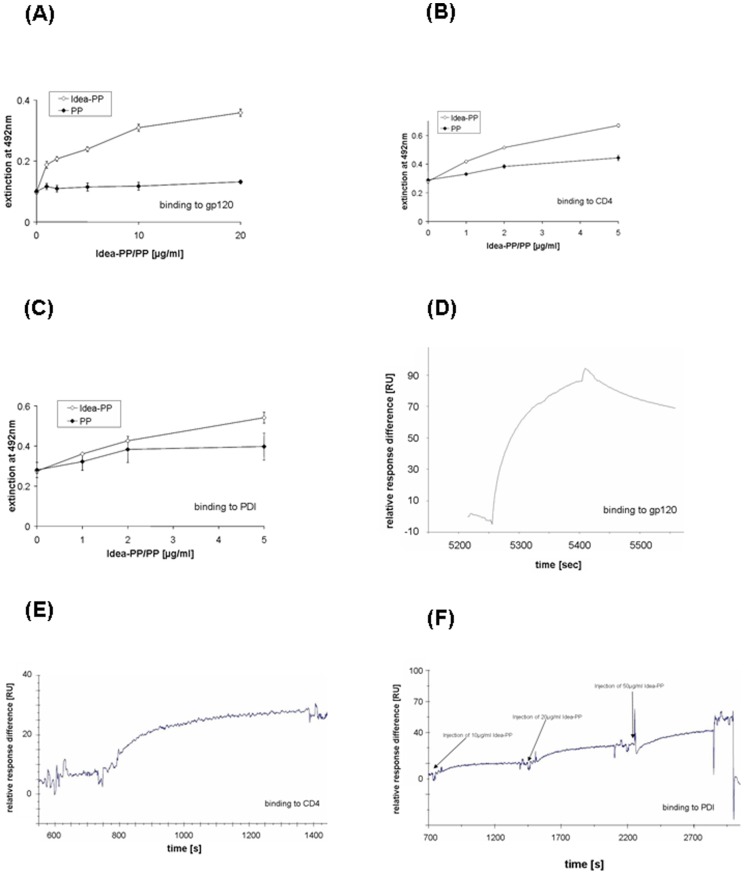
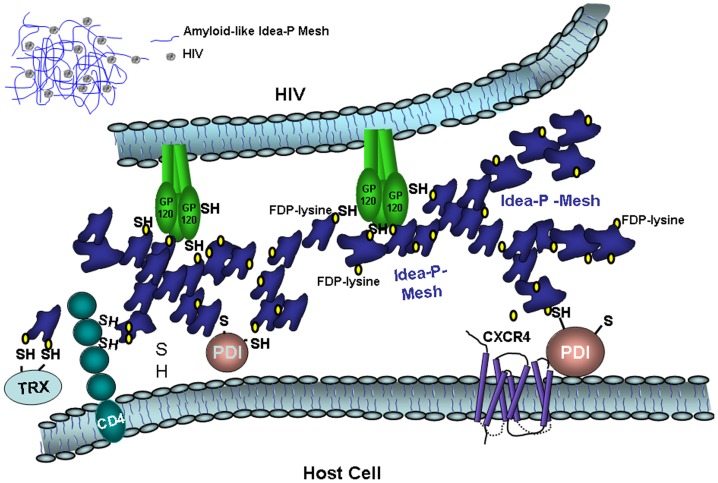
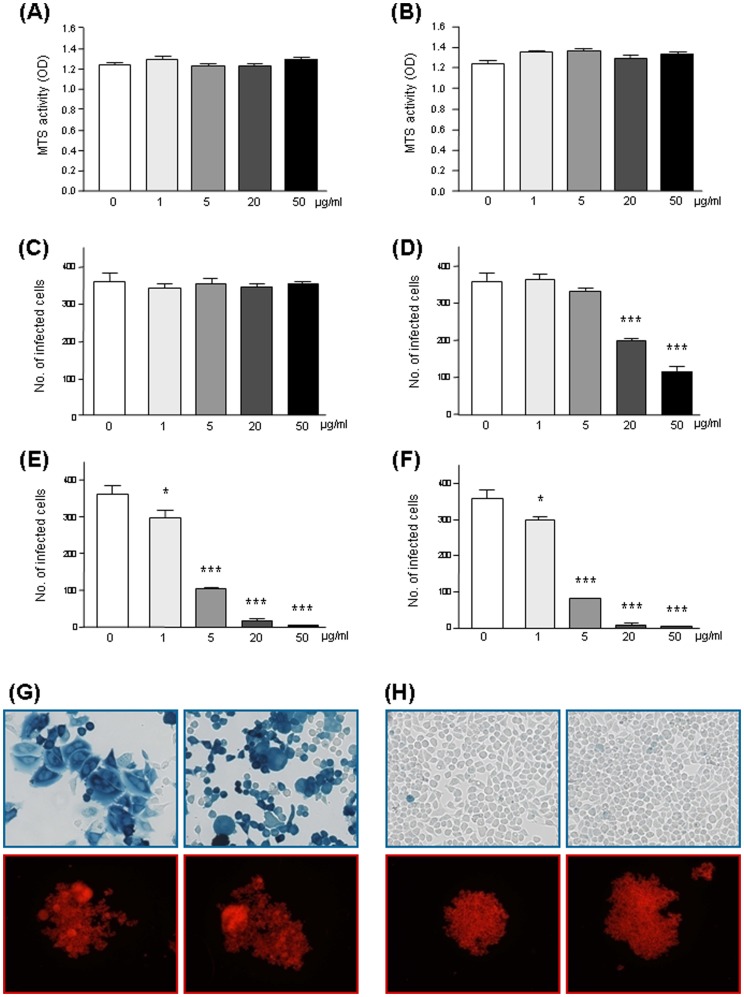
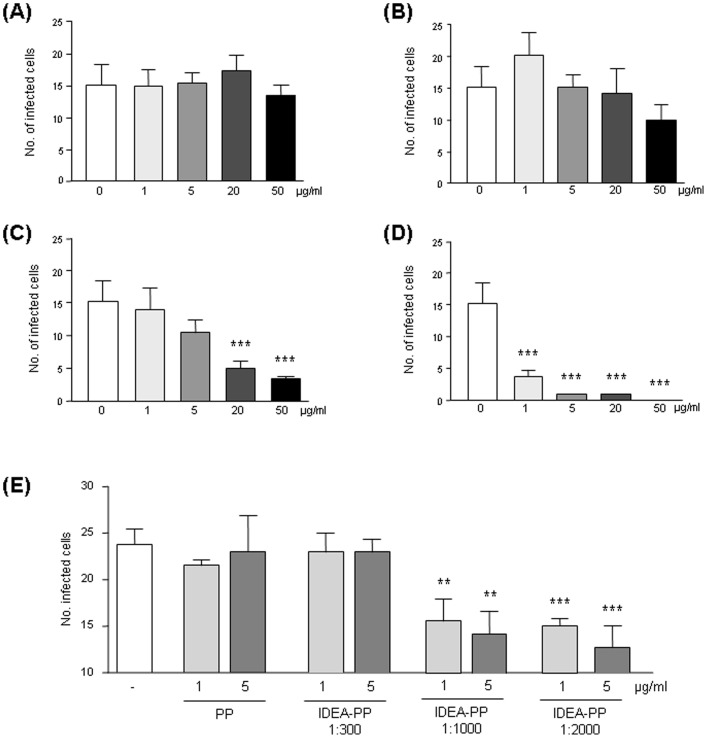
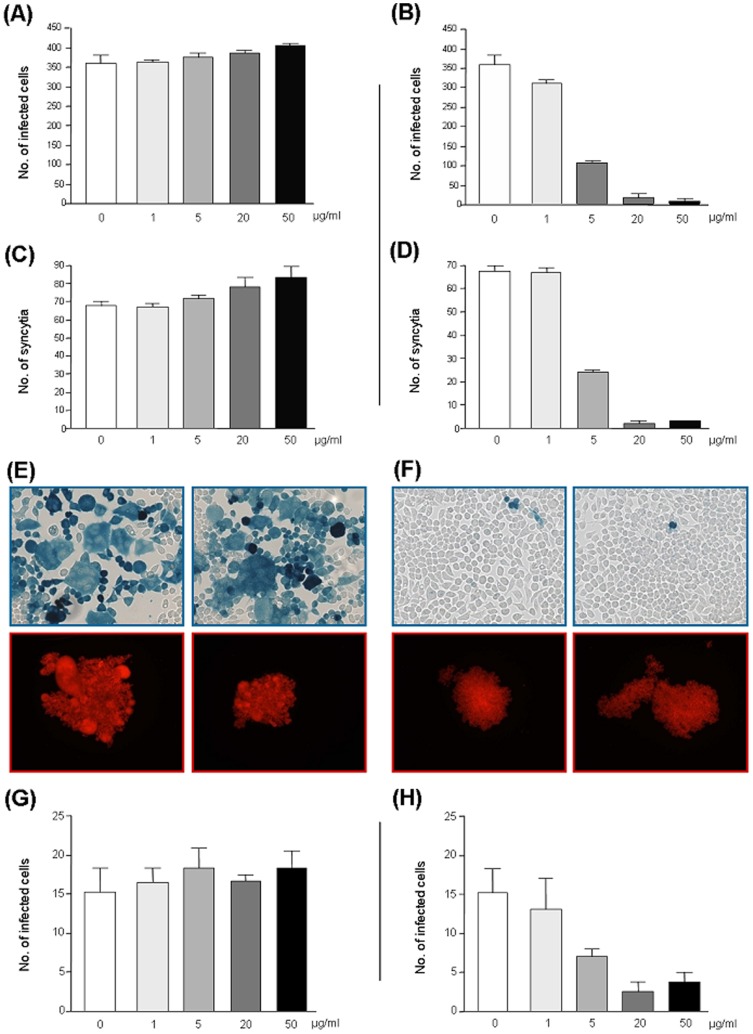
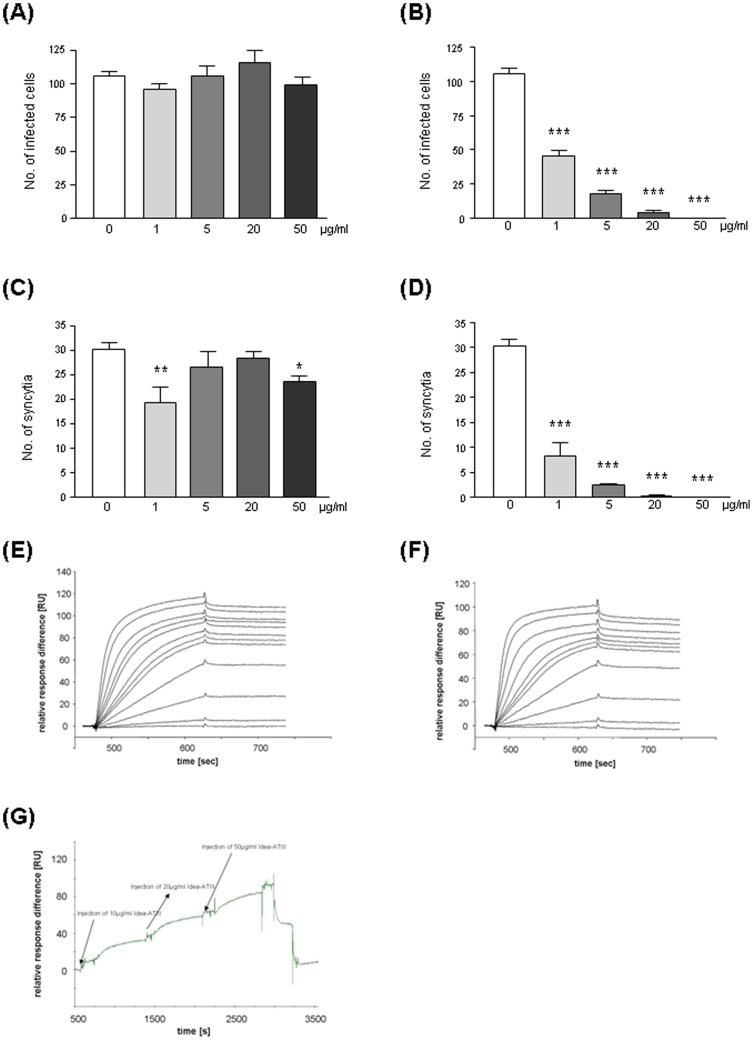
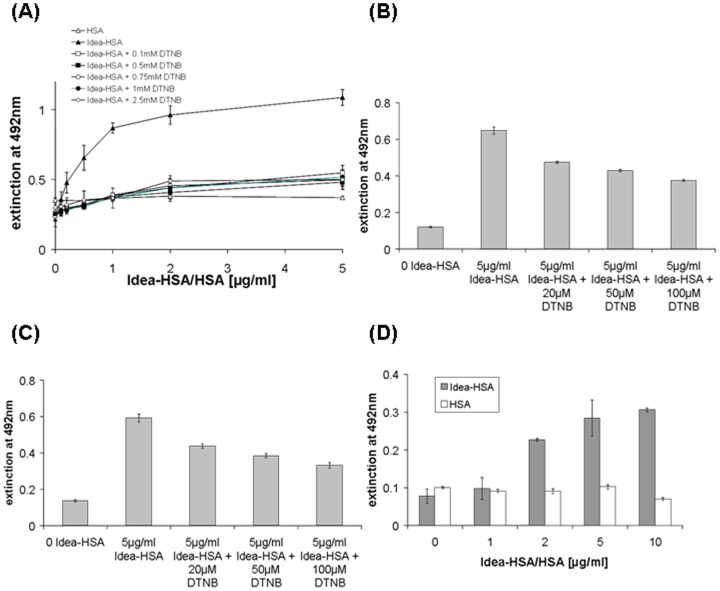
As a consequence of innate immune activation granulocytes and macrophages produce hypochlorite/hypochlorous acid (HOCl) via secretion of myeloperoxidase (MPO) to the outside of the cells, where HOCl immediately reacts with proteins. Most proteins that become altered by this system do not belong to the invading microorganism but to the host. While there is no doubt that the myeloperoxidase system is capable of directly inactivating HIV-1, we hypothesized that it may have an additional indirect mode of action. We show in this article that HOCl is able to chemically alter proteins and thus turn them into Idea-Ps (Idea-P = immune defence-altered protein), potent amyloid-like and SH-groups capturing antiviral weapons against HIV-1. HOCl-altered plasma proteins (Idea-PP) have the capacity to bind efficiently and with high affinity to the HIV-1 envelope protein gp120, and to its receptor CD4 as well as to the protein disulfide isomerase (PDI). Idea-PP was able to inhibit viral infection and replication in a cell culture system as shown by reduced number of infected cells and of syncytia, resulting in reduction of viral capsid protein p24 in the culture supernatant. The unmodified plasma protein fraction had no effect. HOCl-altered isolated proteins antithrombin III and human serum albumin, taken as representative examples of the whole pool of plasma proteins, were both able to exert the same activity of binding to gp120 and inhibition of viral proliferation. These data offer an opportunity to improve the understanding of the intricacies of host-pathogen interactions and allow the generation of the following hypothetical scheme: natural immune defense mechanisms generate by posttranslational modification of plasma proteins a potent virucidal weapon that immobilizes the virus as well as inhibits viral fusion and thus entry into the host cells. Furthermore simulation of this mechanism in vitro might provide an interesting new therapeutic approach against microorganisms.
作为先天免疫激活的结果,粒细胞和巨噬细胞通过向细胞外分泌髓过氧化物酶(MPO)来产生次氯酸盐/次氯酸(HOCl),在细胞外HOCl立即与蛋白质发生反应。被该系统改变的大多数蛋白质并非来自入侵的微生物,而是来自宿主。虽然毫无疑问髓过氧化物酶系统能够直接使HIV-1失活,但我们推测它可能还有另外一种间接作用模式。我们在本文中表明,HOCl能够对蛋白质进行化学改变,从而将它们转变为Idea-Ps(Idea-P =免疫防御改变蛋白),这是一种强效的类淀粉样且能捕获SH基团的抗HIV-1抗病毒武器。HOCl改变的血浆蛋白(Idea-PP)能够高效且高亲和力地与HIV-1包膜蛋白gp120、其受体CD4以及蛋白质二硫键异构酶(PDI)结合。如感染细胞和多核巨细胞数量减少所示,Idea-PP能够在细胞培养系统中抑制病毒感染和复制,从而导致培养上清液中病毒衣壳蛋白p24减少。未修饰的血浆蛋白组分则没有作用。作为血浆蛋白整体库的代表性例子,HOCl改变的分离蛋白抗凝血酶III和人血清白蛋白都能够发挥与gp120结合以及抑制病毒增殖的相同活性。这些数据为增进对宿主-病原体相互作用复杂性的理解提供了契机,并使我们能够得出以下假设方案:天然免疫防御机制通过血浆蛋白的翻译后修饰产生一种强效的杀病毒武器,该武器可固定病毒并抑制病毒融合,从而阻止其进入宿主细胞。此外,在体外模拟这种机制可能会提供一种针对微生物的有趣新治疗方法。