Department of Microbiology, University of Kentucky College of Medicine, Lexington, Kentucky, United States of America.
PLoS One. 2013 Jul 2;8(7):e67982. doi: 10.1371/journal.pone.0067982. Print 2013.
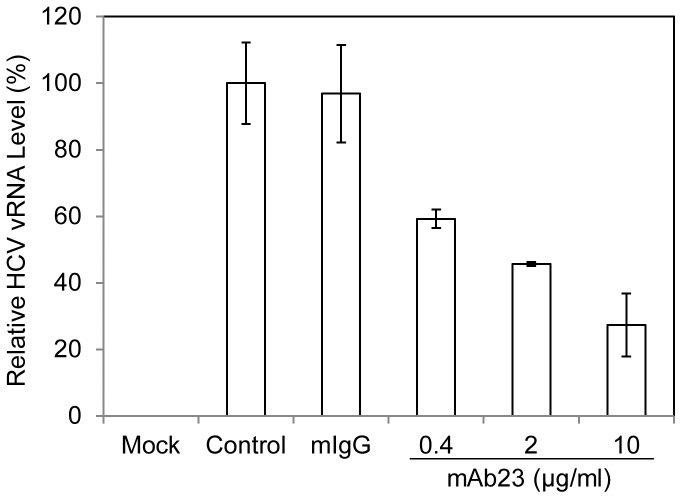
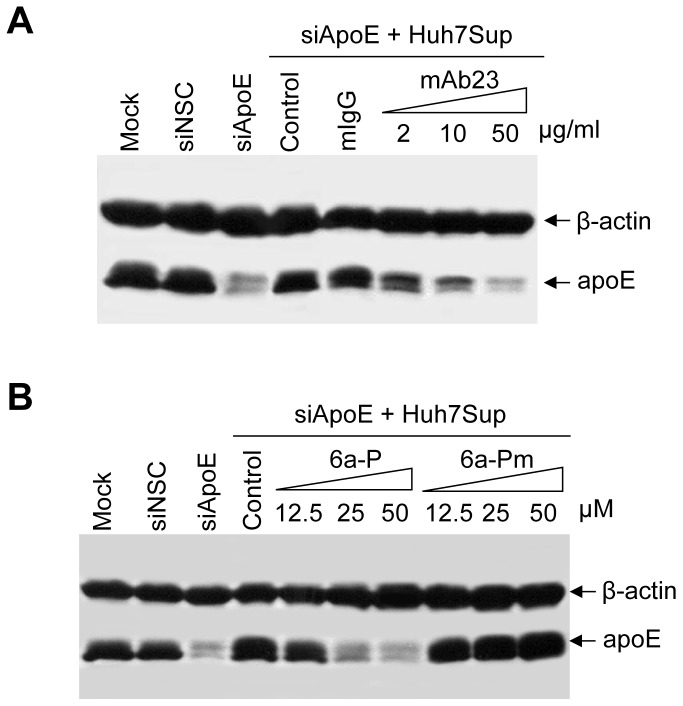
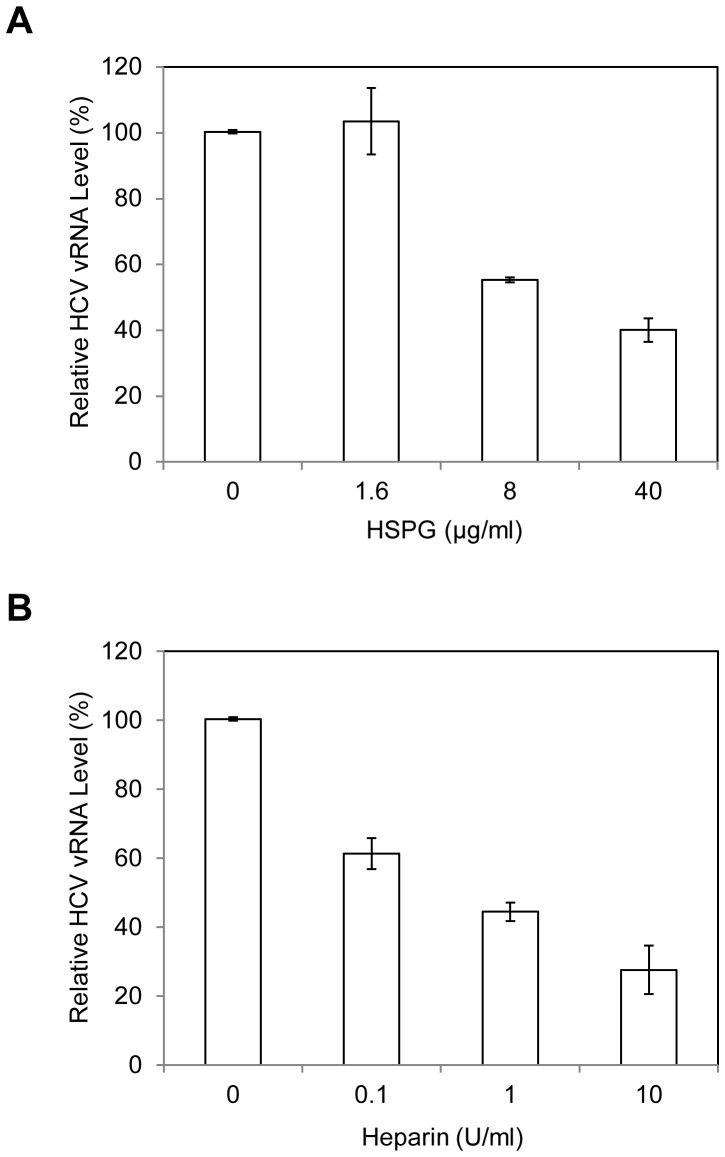
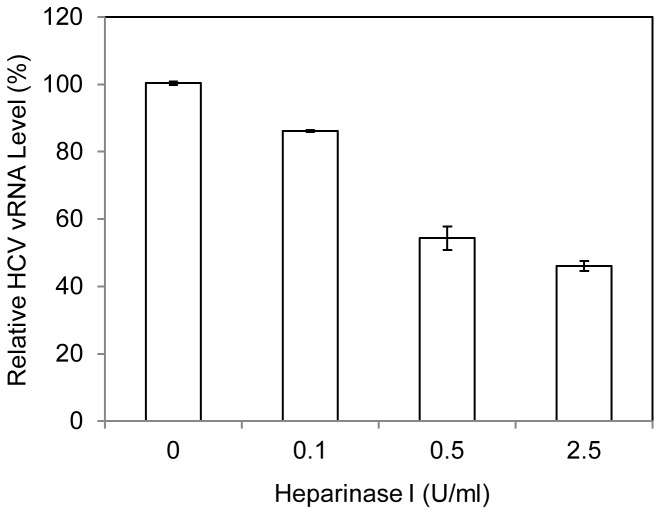
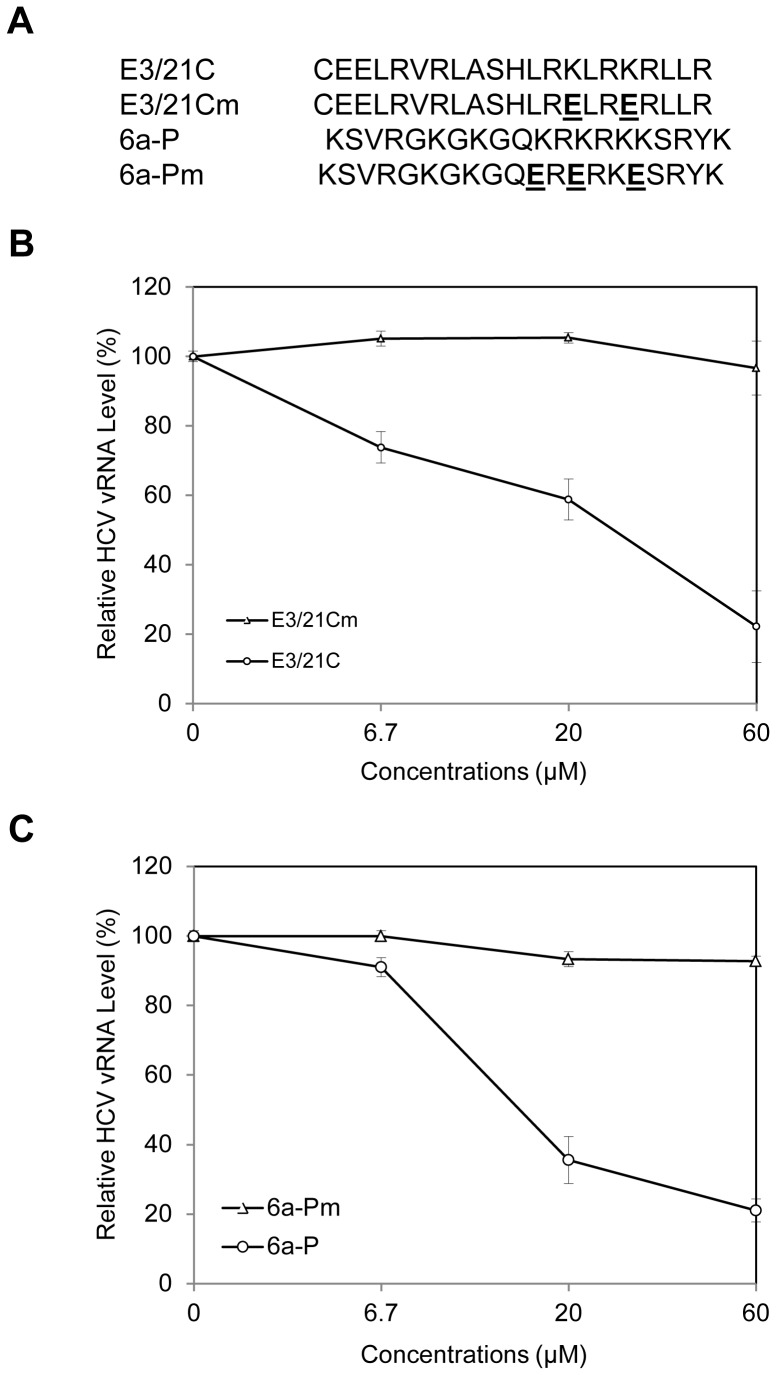
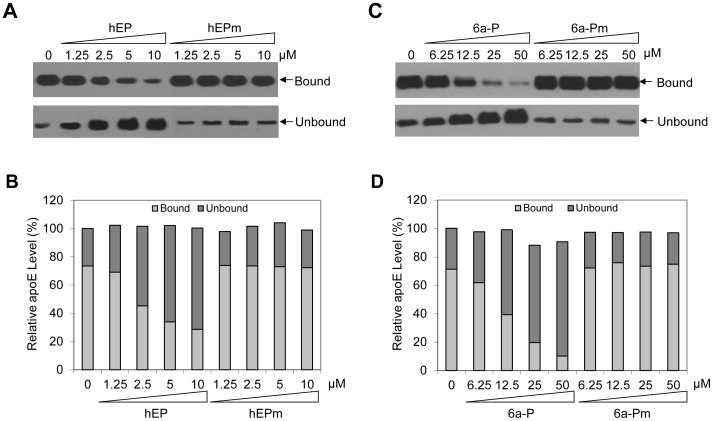
Our previous studies demonstrated that the cell culture-grown hepatitis C virus of genotype 2a (HCVcc) uses apolipoprotein E (apoE) to mediate its attachment to the surface of human hepatoma Huh-7.5 cells. ApoE mediates HCV attachment by binding to the cell surface heparan sulfate (HS) which is covalently attached to the core proteins of proteoglycans (HSPGs). In the present study, we further determined the physiological importance of apoE and HSPGs in the HCV attachment using a clinical HCV of genotype 1b (HCV1b) obtained from hepatitis C patients and human embryonic stem cell-differentiated hepatocyte-like cells (DHHs). DHHs were found to resemble primary human hepatocytes. Similar to HCVcc, HCV1b was found to attach to the surface of DHHs by the apoE-mediated binding to the cell surface HSPGs. The apoE-specific monoclonal antibody, purified HSPGs, and heparin were all able to efficiently block HCV1b attachment to DHHs. Similarly, the removal of heparan sulfate from cell surface by treatment with heparinase suppressed HCV1b attachment to DHHs. More significantly, HCV1b attachment was potently inhibited by a synthetic peptide derived from the apoE receptor-binding region as well as by an HSPG-binding peptide. Likewise, the HSPG-binding peptide prevented apoE from binding to heparin in a dose-dependent manner, as determined by an in vitro heparin pull-down assay. Collectively, these findings demonstrate that HSPGs serve as major HCV attachment receptors on the surface of human hepatocytes to which the apoE protein ligand on the HCV envelope binds.
我们之前的研究表明,细胞培养的基因型 2a 的丙型肝炎病毒 (HCVcc) 使用载脂蛋白 E (apoE) 来介导其与人类肝癌细胞 Huh-7.5 表面的附着。ApoE 通过与核心蛋白共价连接的细胞表面硫酸乙酰肝素 (HS) 结合来介导 HCV 的附着。在本研究中,我们使用从丙型肝炎患者获得的基因型 1b 的临床 HCV (HCV1b) 和人胚胎干细胞分化的肝样细胞 (DHHs) 进一步确定了 apoE 和 HSPGs 在 HCV 附着中的生理重要性。DHHs 被发现类似于原代人肝细胞。与 HCVcc 相似,HCV1b 通过 apoE 介导的与细胞表面 HSPGs 的结合附着于 DHHs 表面。apoE 特异性单克隆抗体、纯化的 HSPGs 和肝素均可有效阻断 HCV1b 与 DHHs 的附着。同样,用肝素酶处理去除细胞表面的硫酸乙酰肝素可抑制 HCV1b 与 DHHs 的附着。更重要的是,来源于 apoE 受体结合区的合成肽以及 HSPG 结合肽可强烈抑制 HCV1b 的附着。同样,HSPG 结合肽以剂量依赖性方式阻止 apoE 与肝素结合,如体外肝素下拉测定所确定的。总之,这些发现表明 HSPGs 作为主要的 HCV 附着受体存在于人类肝细胞表面,HCV 包膜上的 apoE 蛋白配体与之结合。