Department of Bioengineering, School of Engineering and Applied Sciences, University of Pennsylvania, Philadelphia, Pennsylvania, United States of America.
PLoS One. 2013 Jul 3;8(7):e68726. doi: 10.1371/journal.pone.0068726. Print 2013.
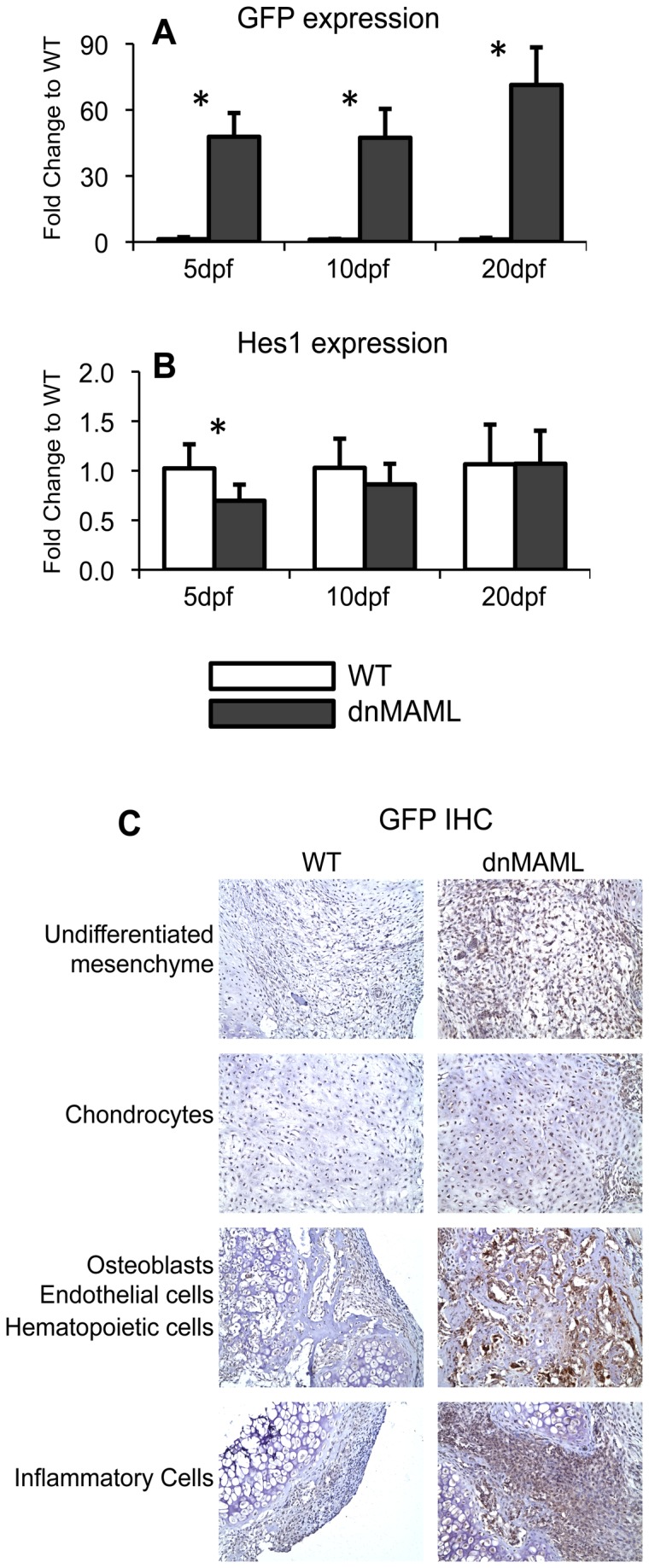
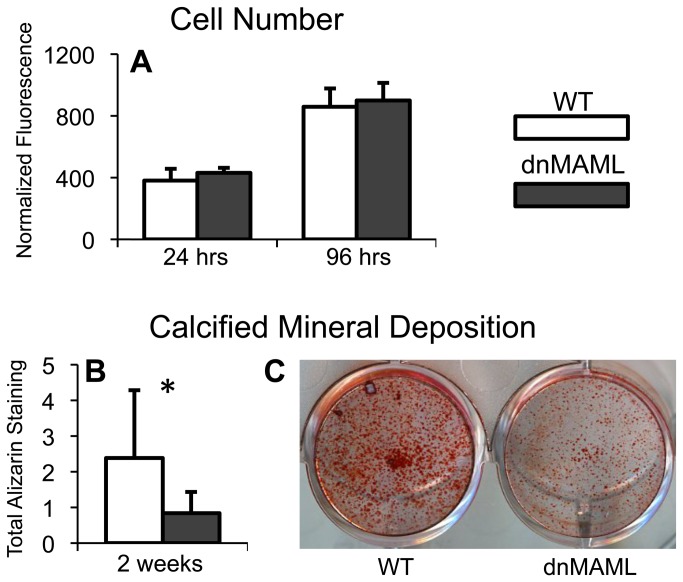
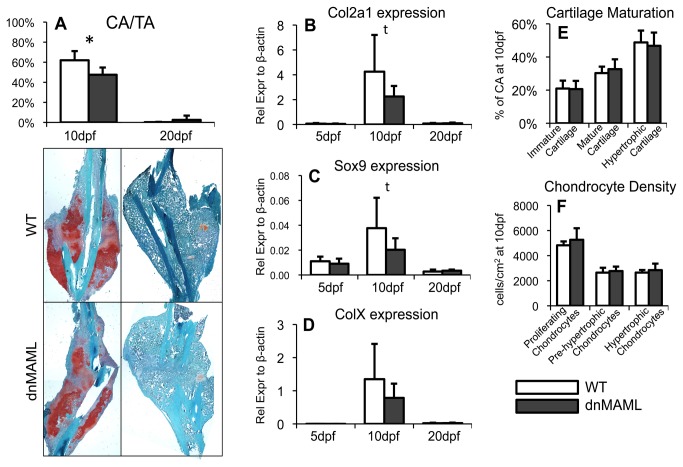
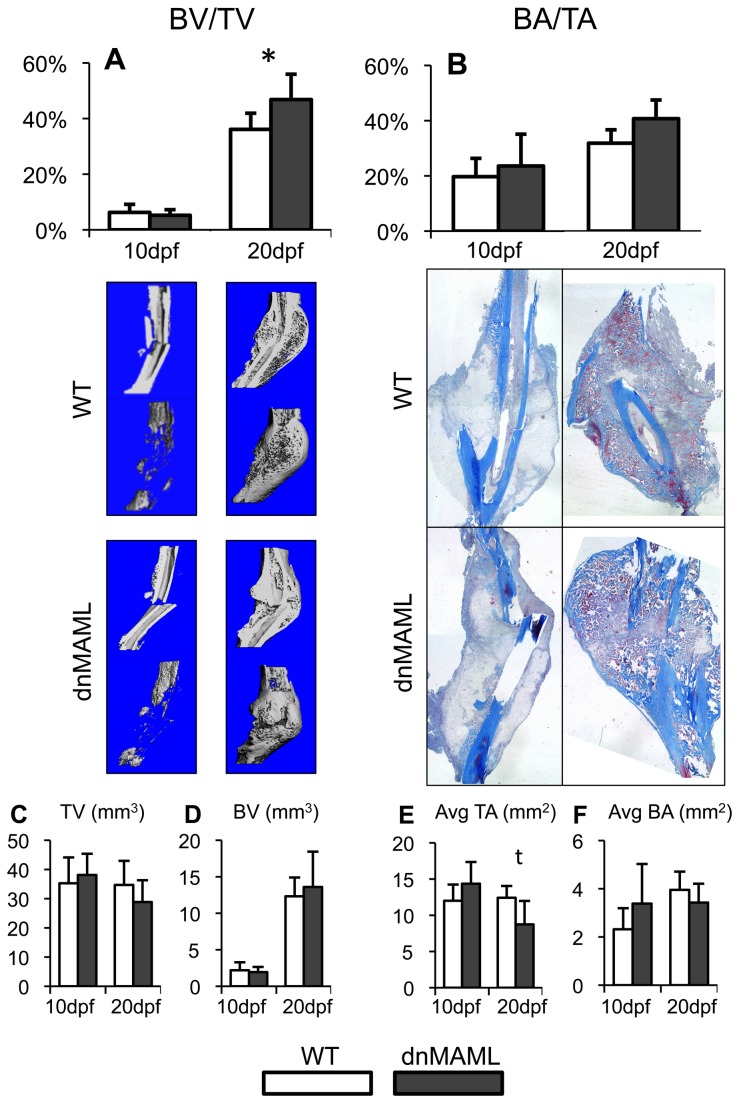
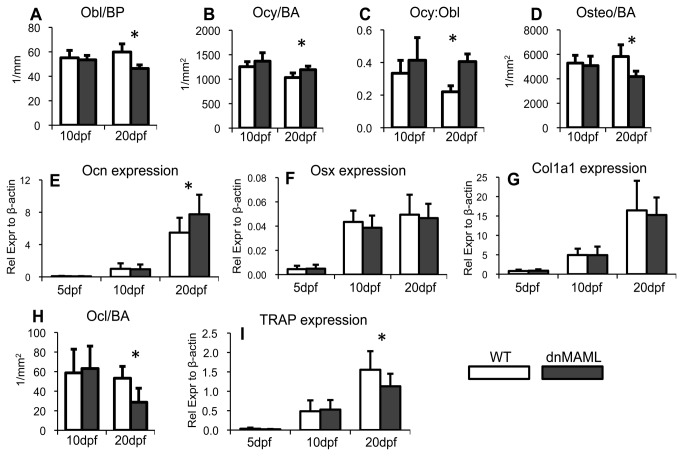
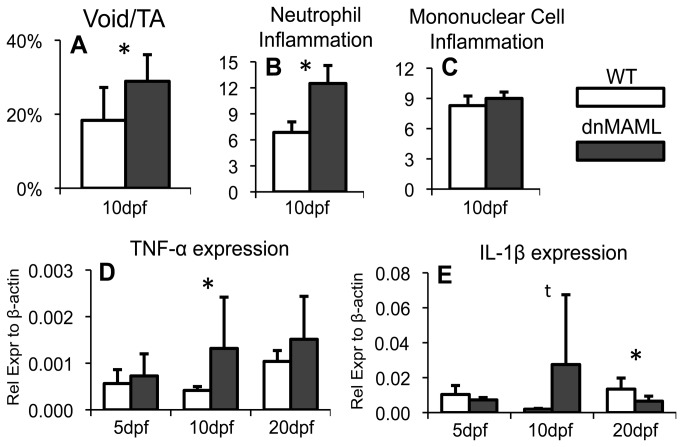
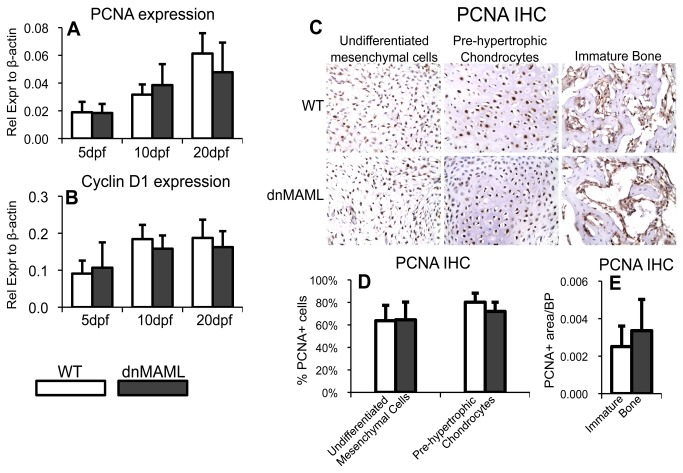
The Notch signaling pathway is an important regulator of embryological bone development, and many aspects of development are recapitulated during bone repair. We have previously reported that Notch signaling components are upregulated during bone fracture healing. However, the significance of the Notch pathway in bone regeneration has not been described. Therefore, the objective of this study was to determine the importance of Notch signaling in regulating bone fracture healing by using a temporally controlled inducible transgenic mouse model (Mx1-Cre;dnMAML(f/-)) to impair RBPjκ-mediated canonical Notch signaling. The Mx1 promoter was synthetically activated resulting in temporally regulated systemic dnMAML expression just prior to creation of bilateral tibial fractures. This allowed for mice to undergo unaltered embryological and post-natal skeletal development. Results showed that systemic Notch inhibition prolonged expression of inflammatory cytokines and neutrophil cell inflammation, and reduced the proportion of cartilage formation within the callus at 10 days-post-fracture (dpf) Notch inhibition did not affect early bone formation at 10dpf, but significantly altered bone maturation and remodeling at 20dpf. Increased bone volume fraction in dnMAML fractures, which was due to a moderate decrease in callus size with no change in bone mass, coincided with increased trabecular thickness but decreased connectivity density, indicating that patterning of bone was altered. Notch inhibition decreased total osteogenic cell density, which was comprised of more osteocytes rather than osteoblasts. dnMAML also decreased osteoclast density, suggesting that osteoclast activity may also be important for altered fracture healing. It is likely that systemic Notch inhibition had both direct effects within cell types as well as indirect effects initiated by temporally upstream events in the fracture healing cascade. Surprisingly, Notch inhibition did not alter cell proliferation. In conclusion, our results demonstrate that the Notch signaling pathway is required for the proper temporal progression of events required for successful bone fracture healing.
Notch 信号通路是胚胎骨骼发育的重要调节因子,骨骼修复过程中会再现许多发育方面。我们之前报道过 Notch 信号成分在骨折愈合过程中上调。然而, Notch 通路在骨再生中的意义尚未描述。因此,本研究的目的是通过使用时间控制的诱导型转基因小鼠模型(Mx1-Cre;dnMAML(f/-))来削弱 RBPjκ 介导的经典 Notch 信号,确定 Notch 信号在调节骨骨折愈合中的重要性。Mx1 启动子被合成激活,导致双侧胫骨骨折前短暂的系统性 dnMAML 表达。这使得小鼠能够进行未改变的胚胎和产后骨骼发育。结果表明,系统 Notch 抑制延长了炎症细胞因子和中性粒细胞炎症的表达,并减少了骨折后 10 天(dpf)骨痂内软骨形成的比例。 Notch 抑制不影响 10dpf 时的早期骨形成,但在 20dpf 时显著改变了骨成熟和重塑。dnMAML 骨折中的骨体积分数增加,这是由于骨痂大小适度减小而骨量没有变化,同时伴随着小梁厚度增加但连接密度降低,表明骨的模式发生了改变。Notch 抑制降低了总成骨细胞密度,这是由于成骨细胞而不是成骨细胞的数量增加。dnMAML 还降低了破骨细胞密度,表明破骨细胞活性对于改变的骨折愈合也很重要。很可能系统 Notch 抑制在骨折愈合级联中的时间上游事件引发了细胞类型内的直接作用以及间接作用。令人惊讶的是,Notch 抑制没有改变细胞增殖。总之,我们的结果表明 Notch 信号通路是成功骨骨折愈合所需的事件的适当时间进展所必需的。