Laboratory of Genome Science, Biosignal Genome Resource Center, Institute for Molecular and Cellular Regulation, Gunma University, Gunma 371-8512, Japan.
Int J Mol Sci. 2013 Jul 12;14(7):14647-58. doi: 10.3390/ijms140714647.
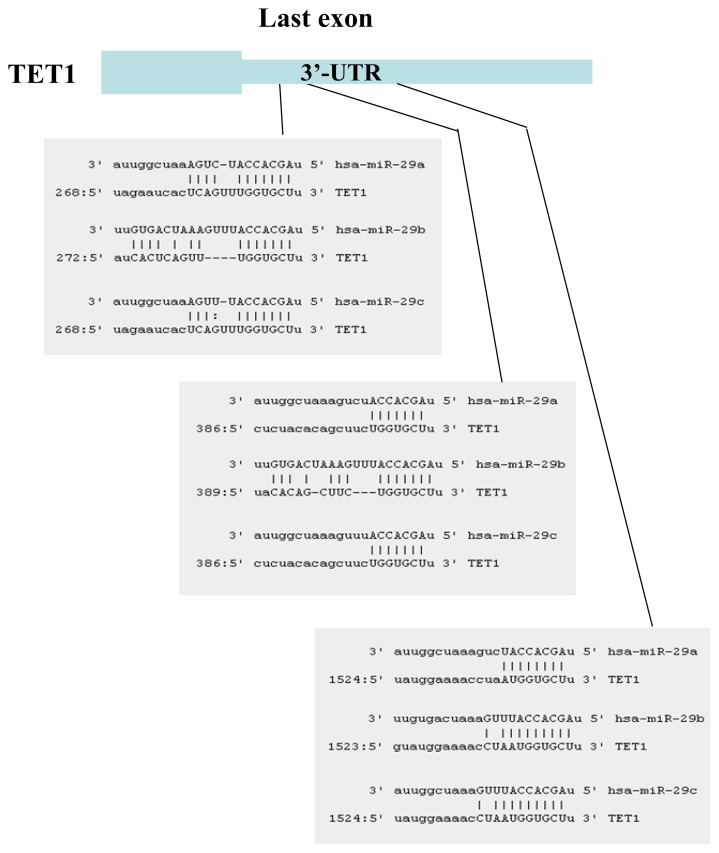
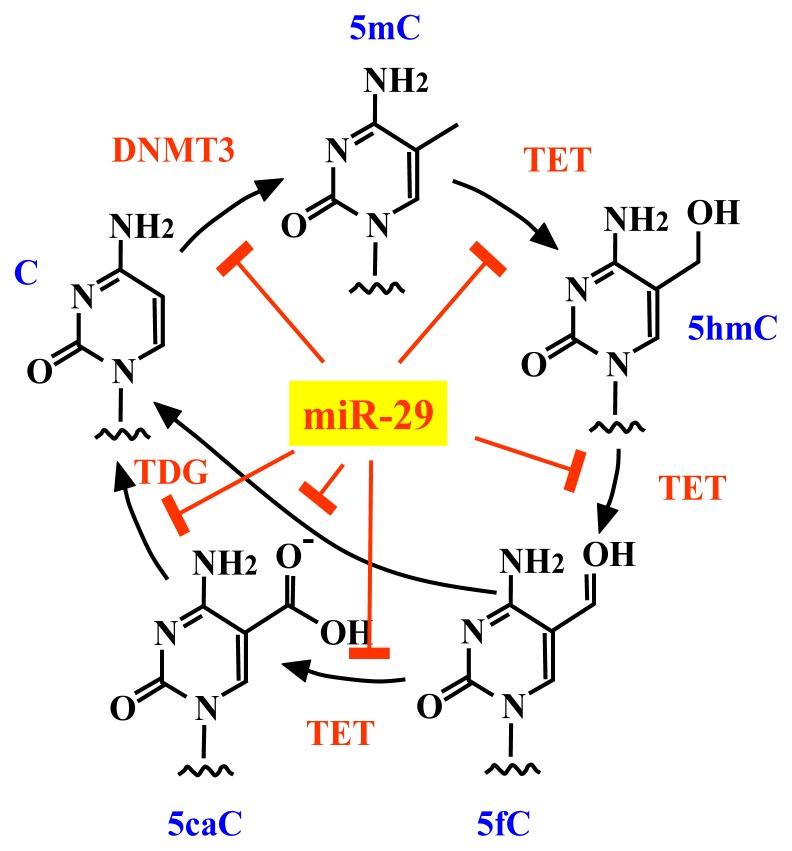
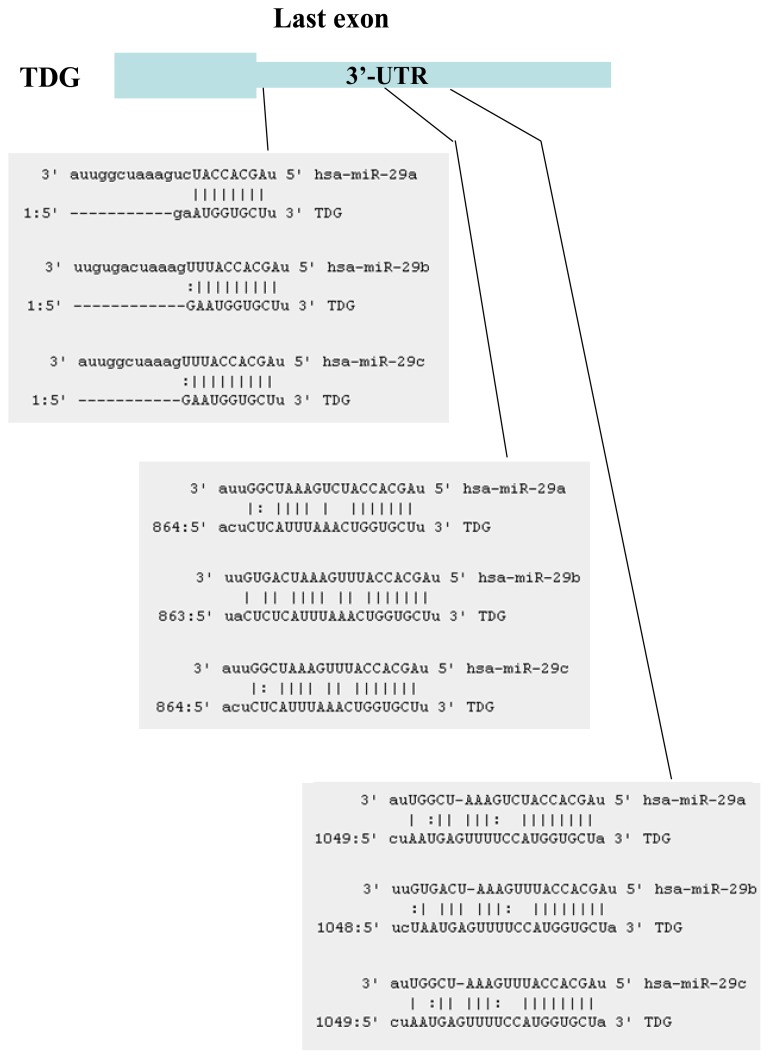
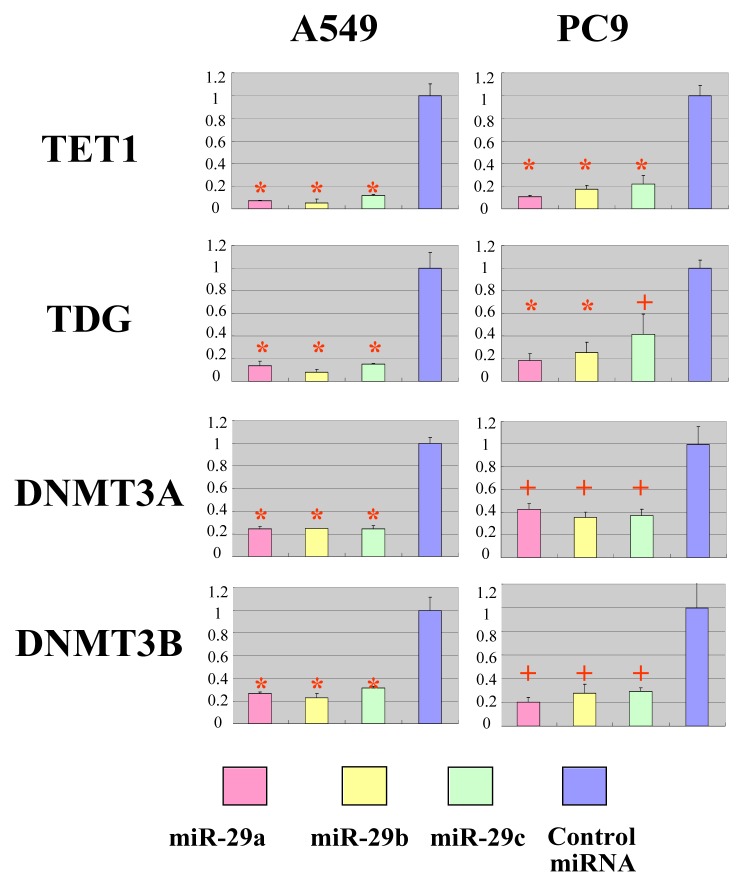
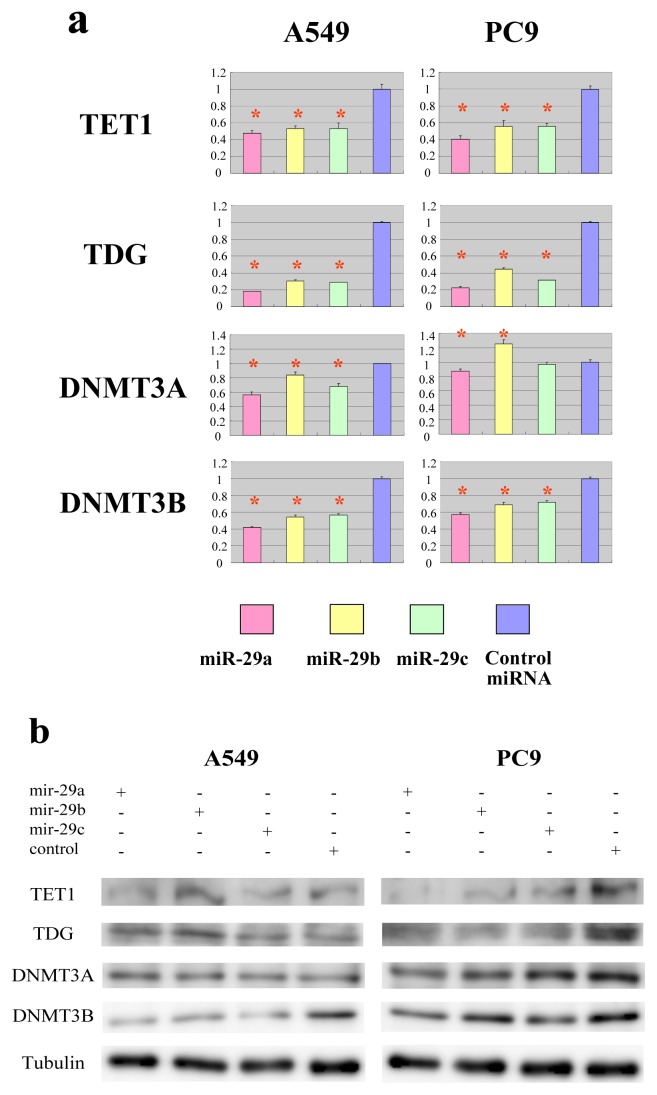
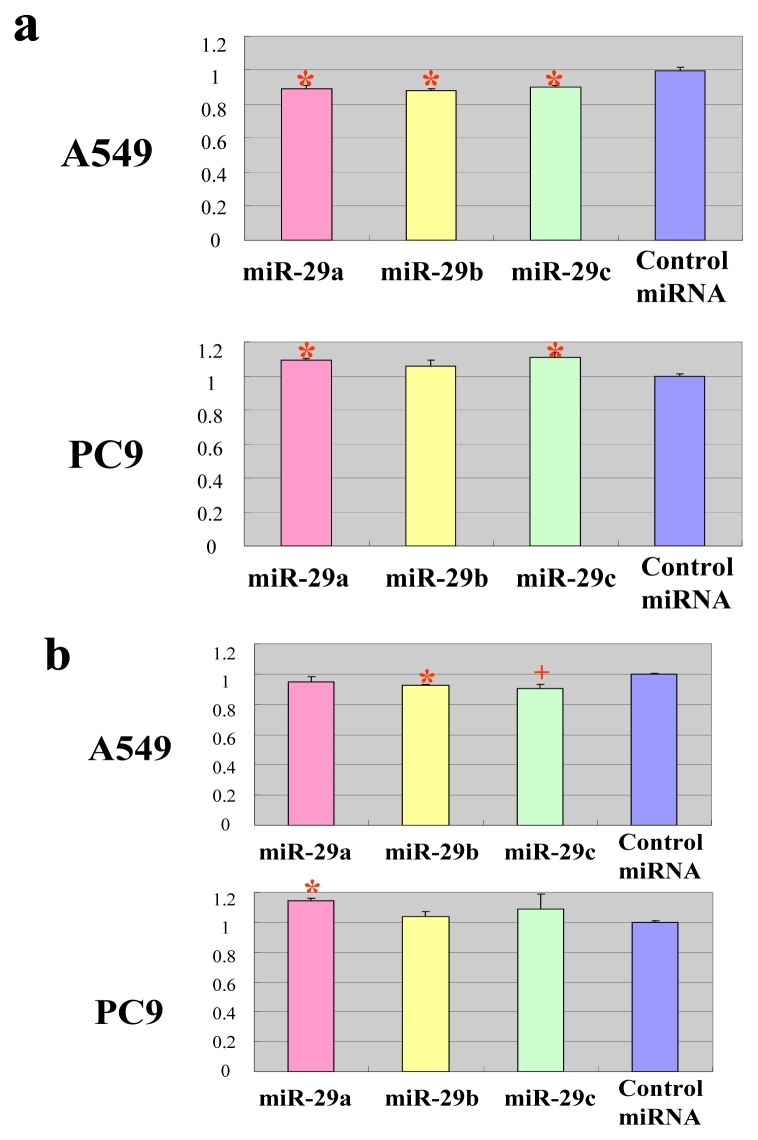
Members of the microRNA-29 (miR-29) family directly target the DNA methyltransferases, DNMT3A and DNMT3B. Disturbances in the expression levels of miR-29 have been linked to tumorigenesis and tumor aggressiveness. Members of the miR-29 family are currently thought to repress DNA methylation and suppress tumorigenesis by protecting against de novo methylation. Here, we report that members of the miR-29 family repress the activities of DNA methyltransferases and DNA demethylases, which have opposing roles in control of DNA methylation status. Members of the miR-29 family directly inhibited DNA methyltransferases and two major factors involved in DNA demethylation, namely tet methylcytosine dioxygenase 1 (TET1) and thymine DNA glycosylase (TDG). Overexpression of miR-29 upregulated the global DNA methylation level in some cancer cells and downregulated DNA methylation in other cancer cells, suggesting that miR-29 suppresses tumorigenesis by protecting against changes in the existing DNA methylation status rather than by preventing de novo methylation of DNA.
miR-29 家族的成员可直接靶向 DNA 甲基转移酶 DNMT3A 和 DNMT3B。miR-29 表达水平的紊乱与肿瘤发生和肿瘤侵袭性有关。miR-29 家族的成员目前被认为通过防止新的甲基化来抑制 DNA 甲基化并抑制肿瘤发生。在这里,我们报告 miR-29 家族的成员抑制了 DNA 甲基转移酶和两种主要的 DNA 去甲基化因子的活性,它们在控制 DNA 甲基化状态方面起着相反的作用。miR-29 家族的成员可直接抑制 DNA 甲基转移酶和两种主要的 DNA 去甲基化因子,即四甲基胞嘧啶双加氧酶 1(TET1)和胸腺嘧啶 DNA 糖基化酶(TDG)。miR-29 的过表达可上调一些癌细胞中的全基因组 DNA 甲基化水平,并下调其他癌细胞中的 DNA 甲基化水平,表明 miR-29 通过防止现有 DNA 甲基化状态的变化而不是通过防止 DNA 的从头甲基化来抑制肿瘤发生。