Department of Otorhinolaryngology, University of São Paulo, São Paulo, Brazil.
J Otolaryngol Head Neck Surg. 2013 Jul 19;42(1):45. doi: 10.1186/1916-0216-42-45.
The superantigenic properties of Staphylococcus aureus have been implicated in increasing the inflammatory process in airway diseases. Local formation of IgE antibodies against staphylococcal enterotoxins by secondary lymphoid tissue in nasal polyps has been demonstrated. Staphylococcus aureus is known to colonize the nasal mucosa, and has been found invading the nasal submucosa and intracellularly.
To evaluate the limits of Staphylococcus aureus invasion in the upper airway.
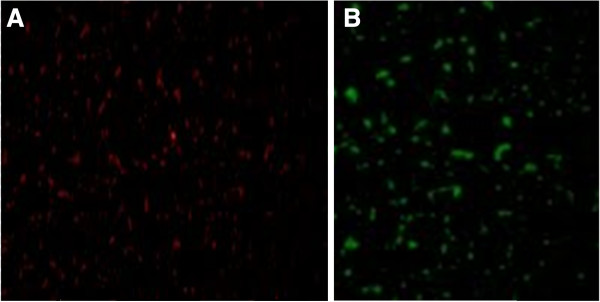
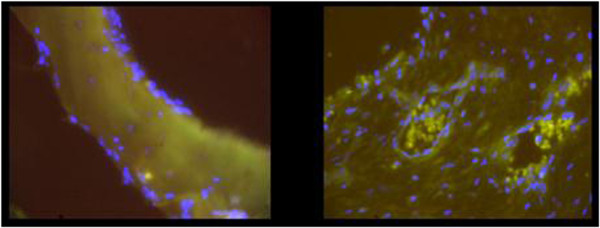
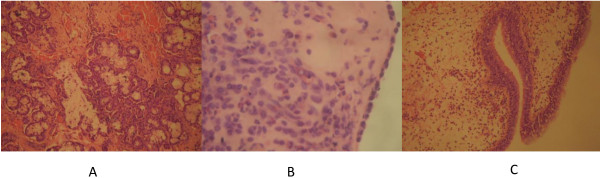
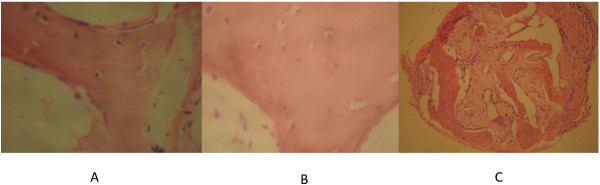
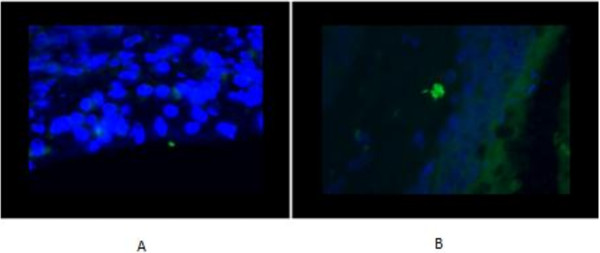
Inferior turbinate samples from 3 patients without sinus disease, 6 ethmoid samples from patients with chronic rhinosinusitis with nasal polyposis, and 6 ethmoid samples from patients with chronic rhinosinusitis without nasal polyposis were studied. A fluorescein-labeled PNA probe against Staphylococcus aureus was used to test for the presence of the bacterium in bone (after decalcification) and mucosa.
We found Staphylococcus aureus invading the nasal submucosa in patients with nasal polyposis, but no cases of Staphylococcus aureus positivity in bone. In conclusion, we cannot support the hypothesis of nasal bone as a reservoir for Staphylococcus aureus, releasing massive amounts of staphylococcal enterotoxins and eliciting an inflammatory reaction, as occurs with the nasal mucosa.
金黄色葡萄球菌的超抗原特性被认为会增加气道疾病的炎症过程。已经证明,鼻息肉中的次级淋巴组织会针对葡萄球菌肠毒素形成 IgE 抗体。金黄色葡萄球菌已知定植于鼻黏膜,并已被发现侵入鼻黏膜下组织和细胞内。
评估金黄色葡萄球菌在上呼吸道侵袭的范围。
研究了 3 例无鼻窦炎的下鼻甲样本、6 例伴有鼻息肉的慢性鼻-鼻窦炎患者的筛窦样本和 6 例无鼻息肉的慢性鼻-鼻窦炎患者的筛窦样本。使用针对金黄色葡萄球菌的荧光素标记 PNA 探针检测骨(脱钙后)和黏膜中细菌的存在。
我们发现金黄色葡萄球菌在伴有鼻息肉的患者中侵入了鼻黏膜下组织,但在骨中未发现金黄色葡萄球菌阳性病例。因此,我们不能支持鼻骨作为金黄色葡萄球菌的储存库的假说,即大量释放葡萄球菌肠毒素并引发炎症反应,就像鼻黏膜一样。