Department of Tropical Pathology, Faculty of Tropical Medicine, Mahidol University, 420/6 Rajvithi Road, Bangkok, Thailand.
Malar J. 2013 Jul 26;12:260. doi: 10.1186/1475-2875-12-260.
Cerebral malaria (CM) caused by Plasmodium falciparum is known to be associated with the sequestration of parasitized red blood cells (PRBCs) in the microvasculature and the release of soluble cytokines. In addition, the involvement of signaling molecules has gained wide interest in the pathogenesis of CM. An important signaling factor, nuclear factor kappa B (NF-κB) is known to regulate apoptosis. This work aimed to study the expression of NF-κB p65 and its correlation with apoptosis in the brain of fatal CM.
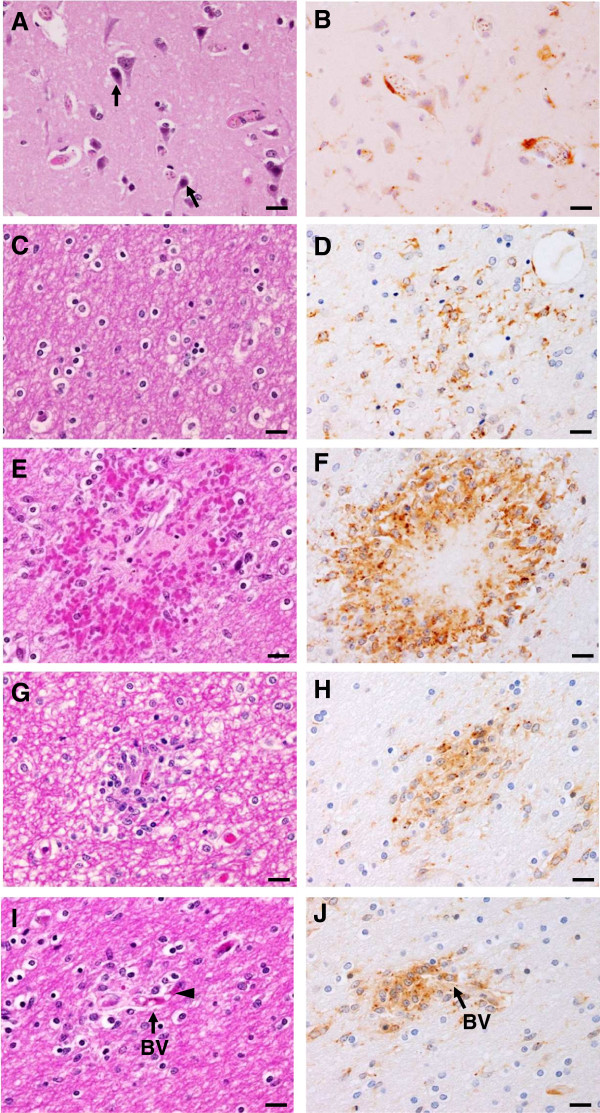
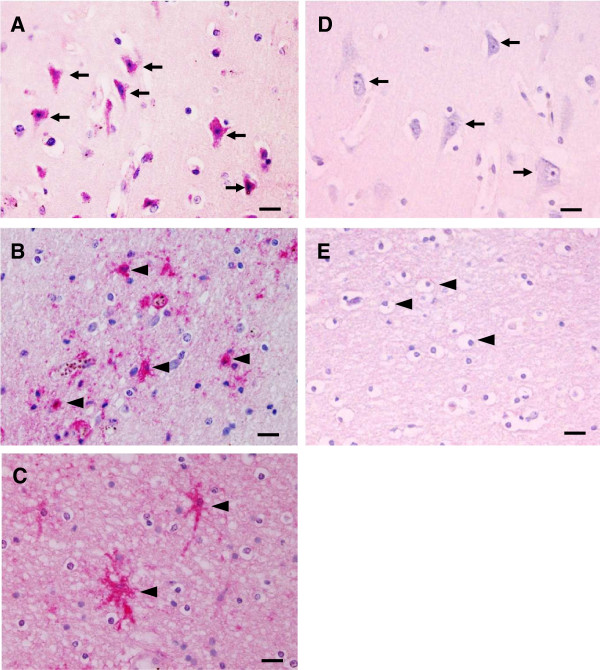
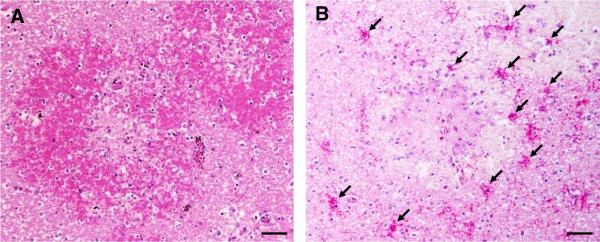
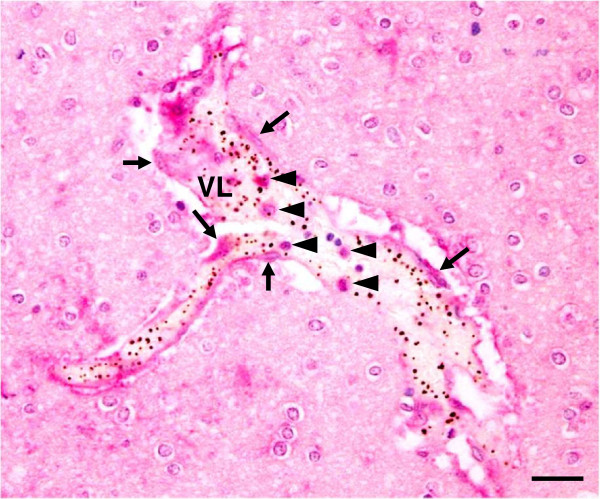
The expression of NF-κB p65 and cleaved caspase-3 in the brain of fatal P. falciparum malaria cases was investigated by immunohistochemistry. Histopathological features were analysed together with the correlations of NF-κB p65 and cleaved caspase-3 expression.
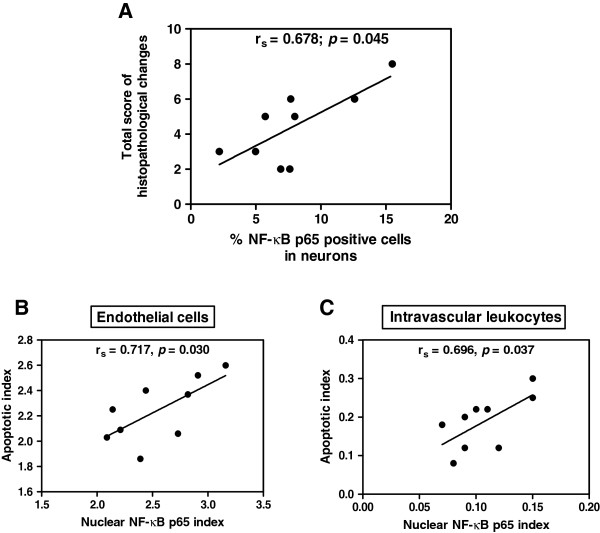
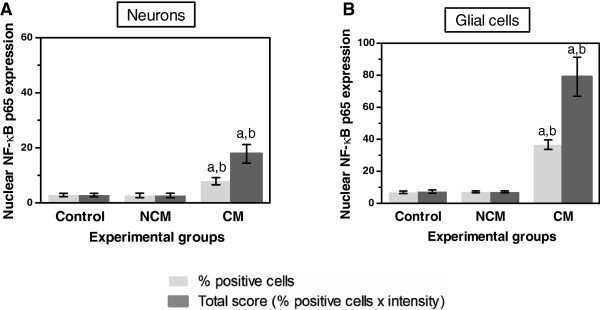
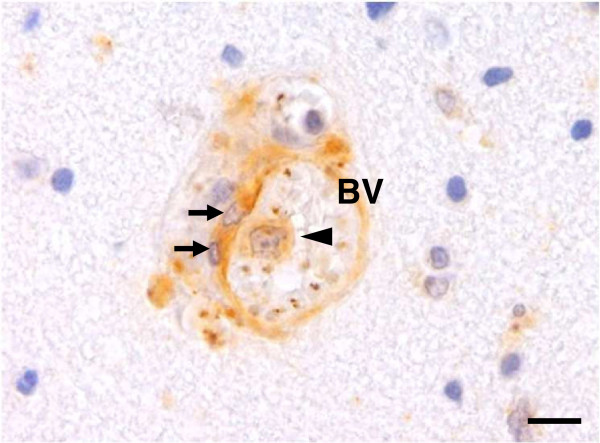
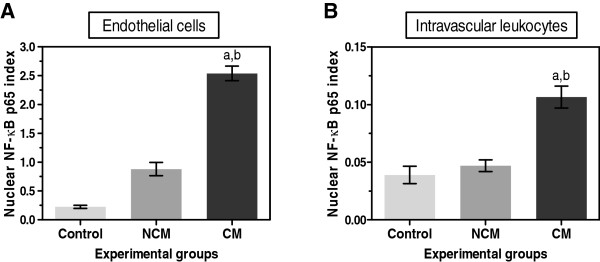
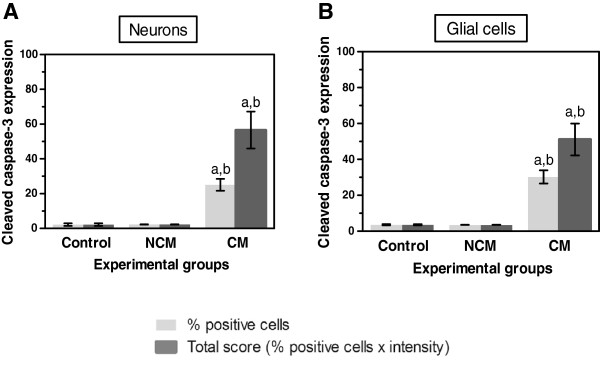
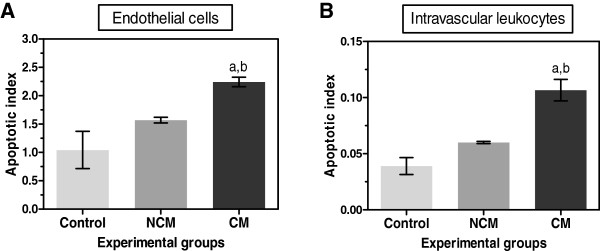
NF-κB p65 activation and cleaved caspase-3 expression were significantly increased in the neurons, glial cells, vascular endothelial cells (ECs) and intravascular leukocytes of the brain in fatal CM, compared with the control brain (p < 0.001) and non-cerebral malaria (NCM) (p = 0.034). The percentage of neurons that expressed nuclear NF-κB p65 showed a positive correlation with the total score of histopathological changes (rs = 0.678; p = 0.045). Significant positive correlations were established between vascular ECs NF-κB index and ECs apoptotic index (rs = 0.717; p = 0.030) and between intravascular leukocytes NF-κB index and leukocytes apoptotic index (rs = 0.696; p = 0.037) in fatal CM.
This study documented that NF-κB p65 is one of the signaling factors that modulates apoptosis in the brain ECs and intravascular leukocytes of fatal CM.
由恶性疟原虫引起的脑型疟疾(CM)已知与寄生红细胞(PRBC)在微血管中的隔离和可溶性细胞因子的释放有关。此外,信号分子的参与在 CM 的发病机制中引起了广泛的兴趣。核因子 kappa B(NF-κB)是一种重要的信号因子,已知其可调节细胞凋亡。本工作旨在研究致命性 CM 脑内 NF-κB p65 的表达及其与细胞凋亡的相关性。
通过免疫组织化学法研究了致命性恶性疟原虫疟疾病例脑内 NF-κB p65 和裂解的半胱天冬酶-3的表达。分析了 NF-κB p65 和裂解的半胱天冬酶-3表达与组织病理学特征的相关性。
与对照脑(p < 0.001)和非脑型疟疾(NCM)(p = 0.034)相比,NF-κB p65 激活和裂解的半胱天冬酶-3表达在致命性 CM 的神经元、神经胶质细胞、血管内皮细胞(EC)和血管内白细胞中显著增加。表达核 NF-κB p65 的神经元百分比与组织病理学变化总评分呈正相关(rs = 0.678;p = 0.045)。在致命性 CM 中,血管 ECs NF-κB 指数与 ECs 凋亡指数之间(rs = 0.717;p = 0.030)以及血管内白细胞 NF-κB 指数与白细胞凋亡指数之间(rs = 0.696;p = 0.037)建立了显著的正相关关系。
本研究证明 NF-κB p65 是调节致命性 CM 脑内血管 EC 和血管内白细胞细胞凋亡的信号因子之一。