Institute of Burn Research, Southwest Hospital, Third Military Medical University, Chongqing, PR China.
PLoS One. 2013 Jul 22;8(7):e68972. doi: 10.1371/journal.pone.0068972. Print 2013.
Interactions between stromal cell-derived factor-1α (SDF-1α) and its cognate receptor CXCR4 are crucial for the recruitment of mesenchymal stem cells (MSCs) from bone marrow (BM) reservoirs to damaged tissues for repair during alarm situations. MicroRNAs are differentially expressed in stem cell niches, suggesting a specialized role in stem cell regulation. Here, we gain insight into the molecular mechanisms involved in regulating SDF-1α.
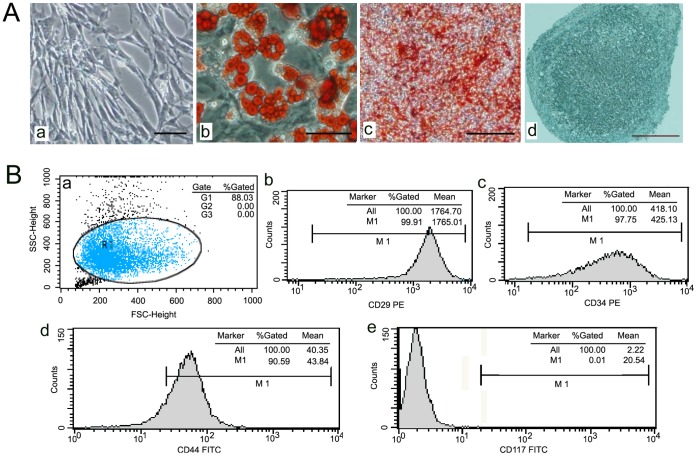
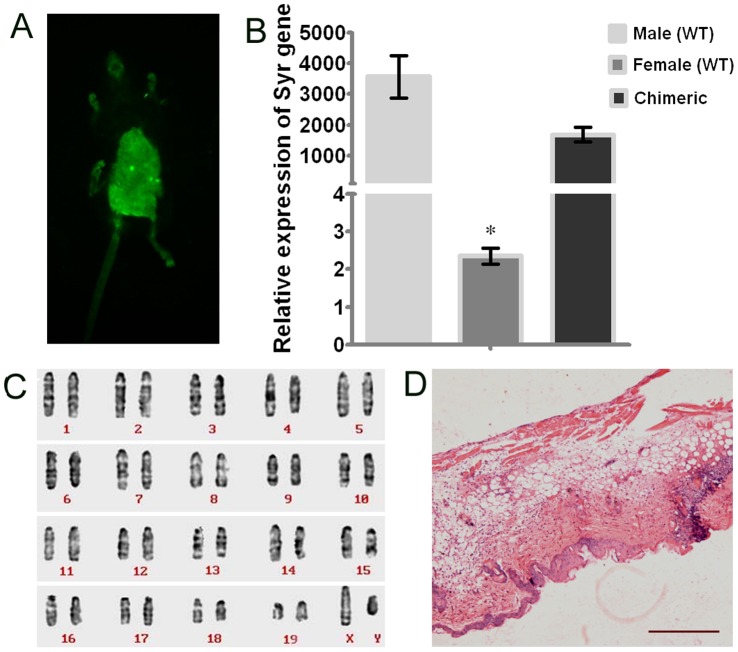
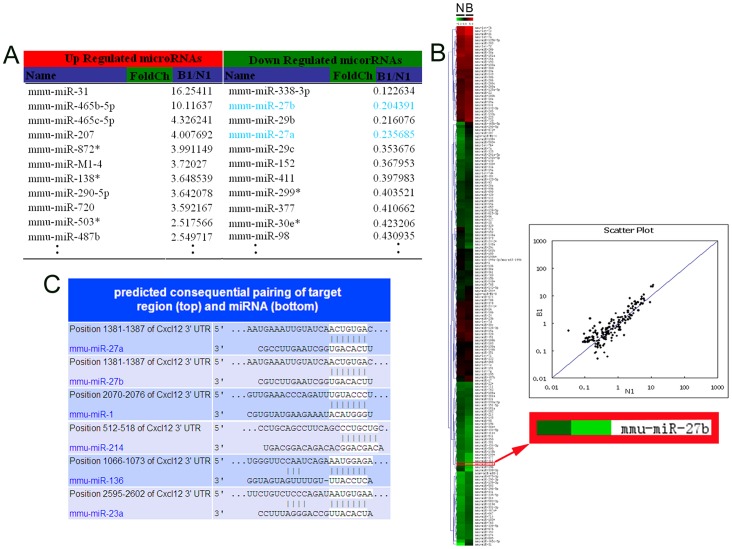
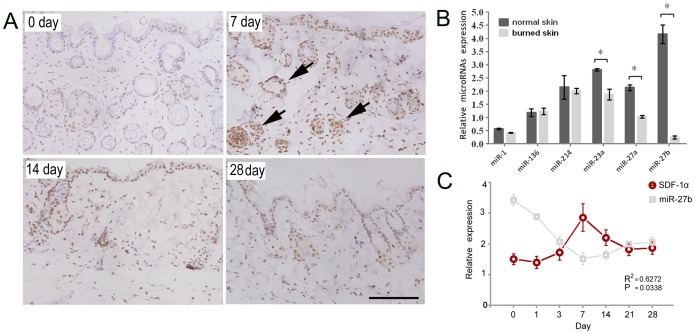
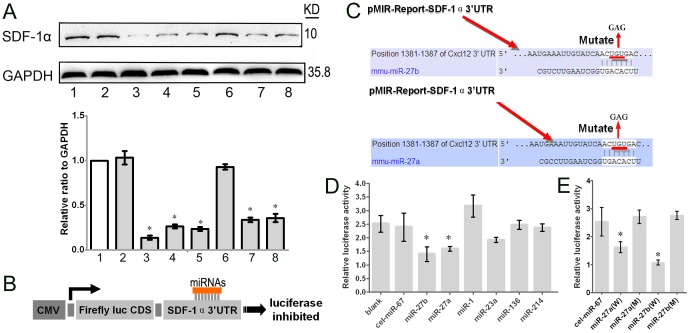
MSCs from green fluorescent protein transgenic male mice were transfused to irradiated recipient female C57BL/6 mice, and skin burn model of bone marrow-chimeric mice were constructed. Six miRNAs with differential expression in burned murine skin tissue compared to normal skin tissue were identified using microarrays and bioinformatics. The expression of miR-27b and SDF-1α was examined in burned murine skin tissue using quantitative real-time PCR (qPCR) and immunohistochemistry (IHC), enzyme-linked immunosorbent assay (ELISA). The Correlation of miR-27b and SDF-1α expression was analyzed by Pearson analysis Correlation. miRNAs suppressed SDF-1α protein expression by binding directly to its 3'UTR using western blot and luciferase reporter assay. The importance of miRNAs in MSCs chemotaxis was further estimated by decreasing SDF-1α in vivo and in vitro.
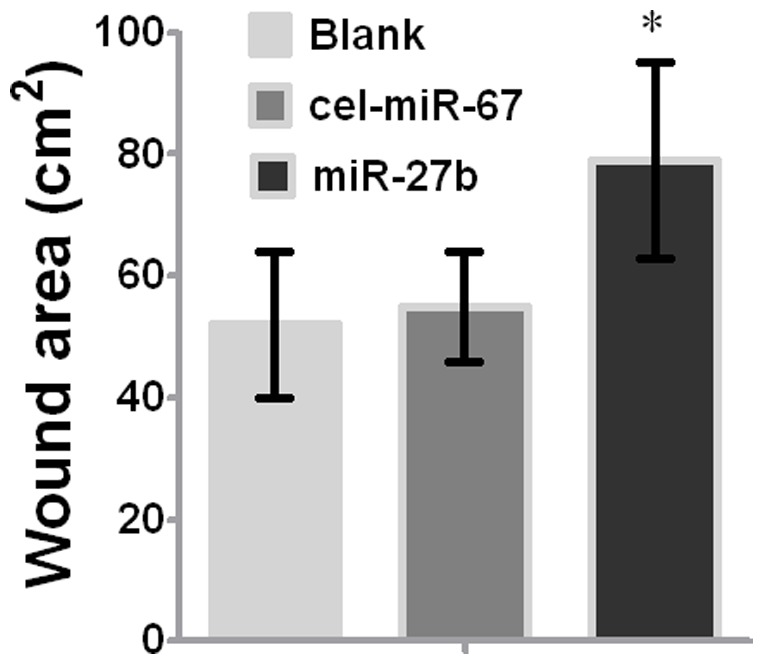
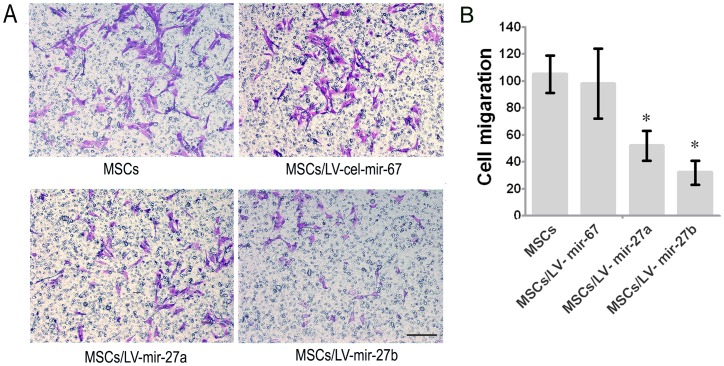
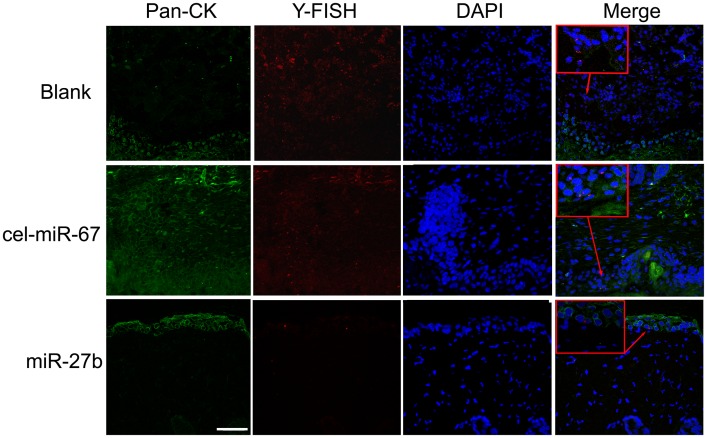
miR-23a, miR-27a and miR-27b expression was significantly lower in the burned skin than in the normal skin (p<0.05). We also found that several miRNAs suppressed SDF-1α protein expression, while just miR-27a and miR-27b directly bound to the SDF-1α 3'UTR. Moreover, the forced over-expression of miR-27a and miR-27b significantly reduced the directional migration of mMSCs in vitro. However, only miR-27b in burn wound margins significantly inhibited the mobilization of MSCs to the epidermis.
miR-27b may be a unique signature of the stem cell niche in burned mouse skin and can suppress the directional migration of mMSCs by targeting SDF-1α by binding directly to its 3'UTR.
基质细胞衍生因子-1α(SDF-1α)与其同源受体 CXCR4 之间的相互作用对于骨髓(BM)库中的间充质干细胞(MSCs)在警报情况下募集到受损组织进行修复至关重要。microRNAs 在干细胞巢中差异表达,表明其在干细胞调节中具有特殊作用。在这里,我们深入了解调节 SDF-1α 的分子机制。
从绿色荧光蛋白转基因雄性小鼠中转基因 MSC 被输注到辐射接受的雌性 C57BL/6 小鼠中,并构建骨髓嵌合小鼠的皮肤烧伤模型。使用微阵列和生物信息学鉴定与正常皮肤组织相比,在烧伤小鼠皮肤组织中差异表达的 6 个 miRNA。使用定量实时 PCR(qPCR)和免疫组织化学(IHC)、酶联免疫吸附测定(ELISA)检测烧伤小鼠皮肤组织中 miR-27b 和 SDF-1α 的表达。通过 Pearson 分析相关性分析 miR-27b 和 SDF-1α 表达的相关性。通过 western blot 和荧光素酶报告基因测定,miRNA 通过直接结合其 3'UTR 抑制 SDF-1α 蛋白表达。通过体内和体外降低 SDF-1α 进一步评估 miRNA 在 MSC 趋化作用中的重要性。
miR-23a、miR-27a 和 miR-27b 在烧伤皮肤中的表达明显低于正常皮肤(p<0.05)。我们还发现,几种 miRNA 抑制 SDF-1α 蛋白表达,而只有 miR-27a 和 miR-27b 直接结合 SDF-1α 3'UTR。此外,miR-27a 和 miR-27b 的强制过表达显著降低了 mMSCs 的体外定向迁移。然而,只有烧伤创面边缘的 miR-27b 显著抑制了 MSC 向表皮的动员。
miR-27b 可能是烧伤小鼠皮肤干细胞巢的独特特征,通过直接结合其 3'UTR 靶向 SDF-1α,可抑制 mMSCs 的定向迁移。