Department of Cardiology, Jinan Central Hospital, Affiliated with Shandong University, Jinan, China.
PLoS One. 2013 Jul 22;8(7):e69452. doi: 10.1371/journal.pone.0069452. Print 2013.
BACKGROUND/AIMS: Septic cardiomyopathy is a severe condition that remains a challenge for clinical management. This study investigated whether the natural polyphenolic compound resveratrol could be used as a prophylactic treatment to alleviate sepsis-related myocardial injury; the underlying molecular mechanisms were deciphered by both in vitro and in vivo experiments.
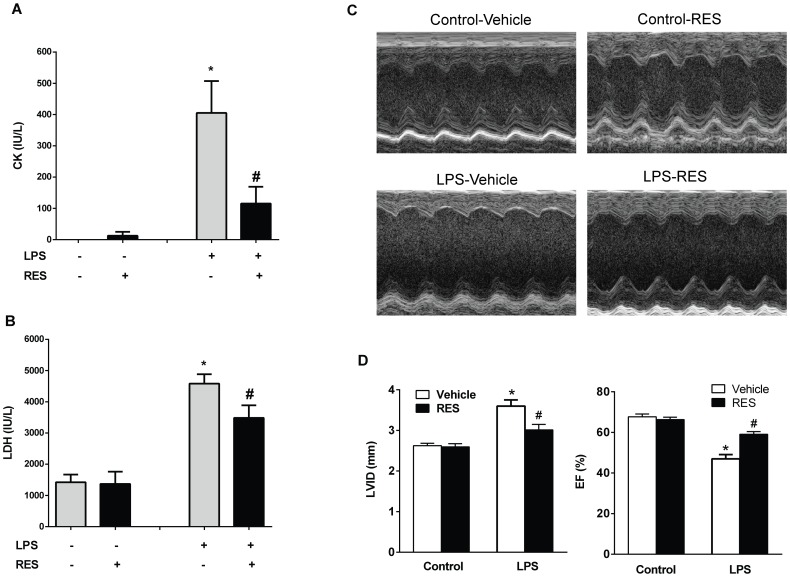
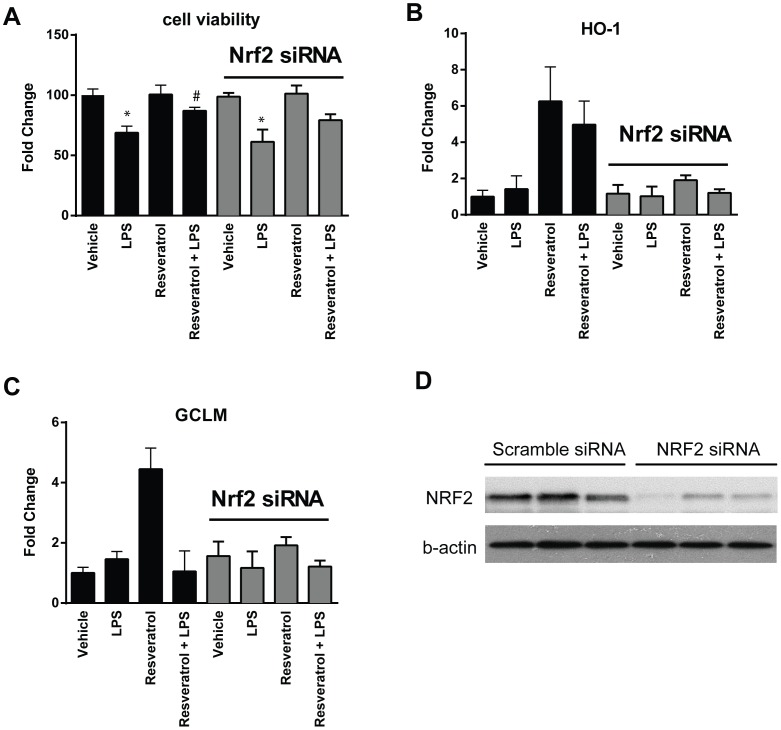
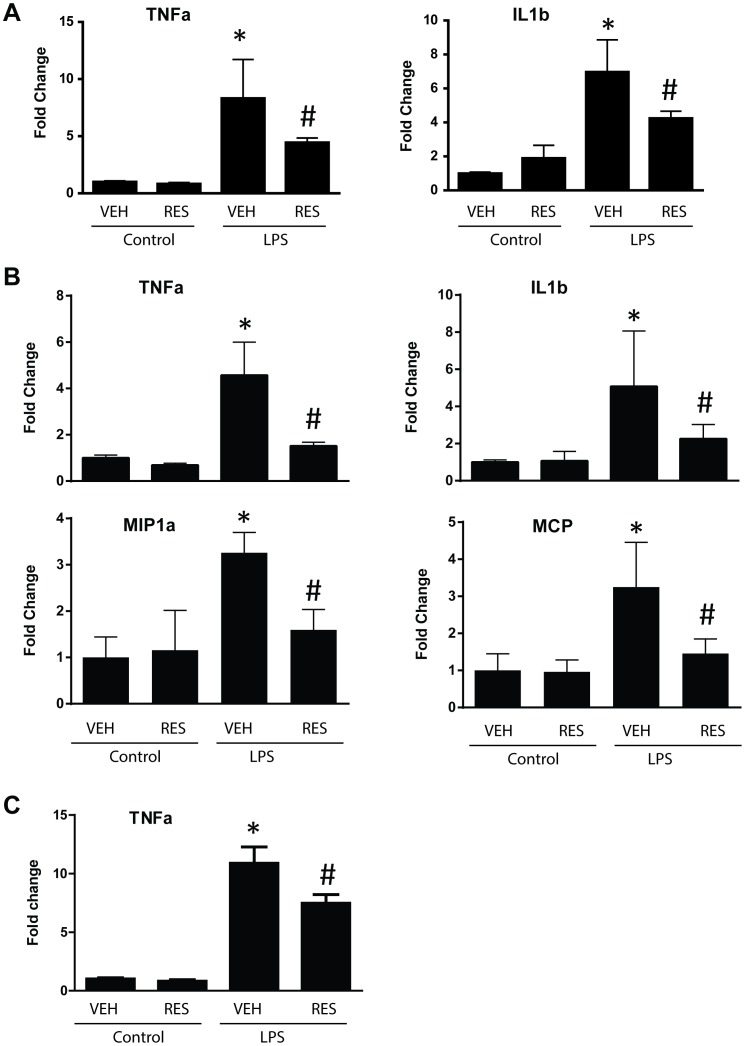
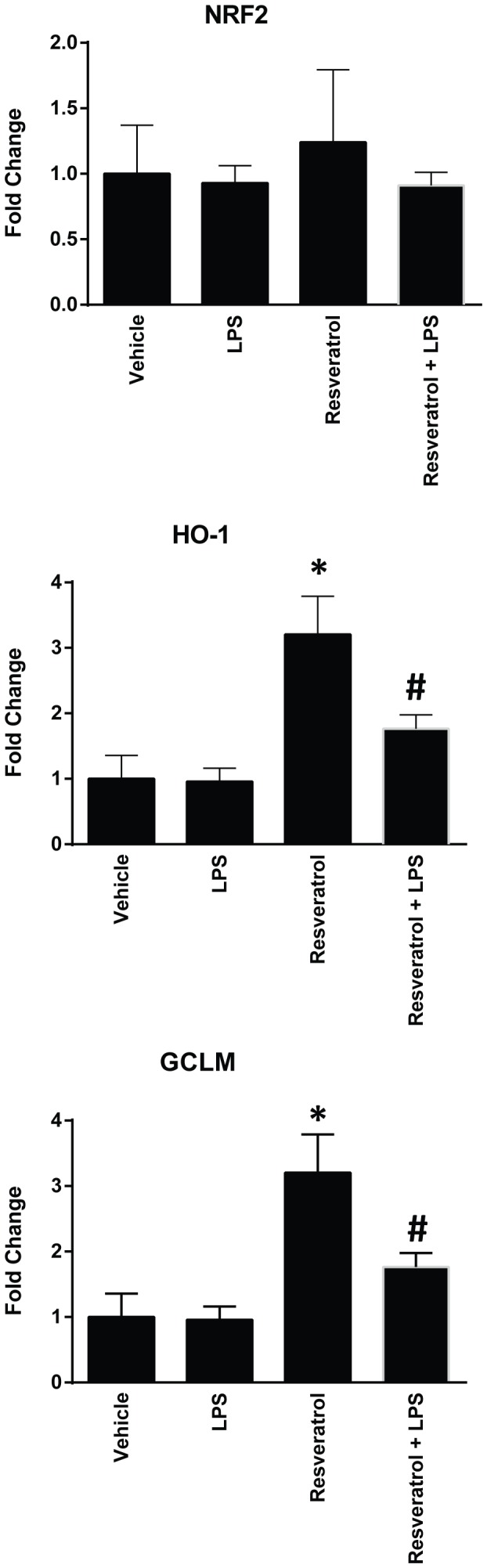
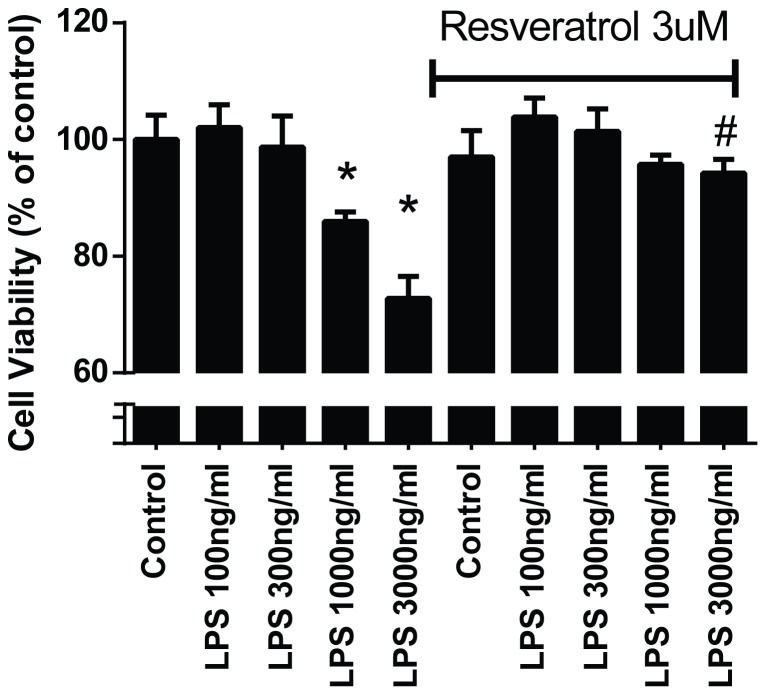
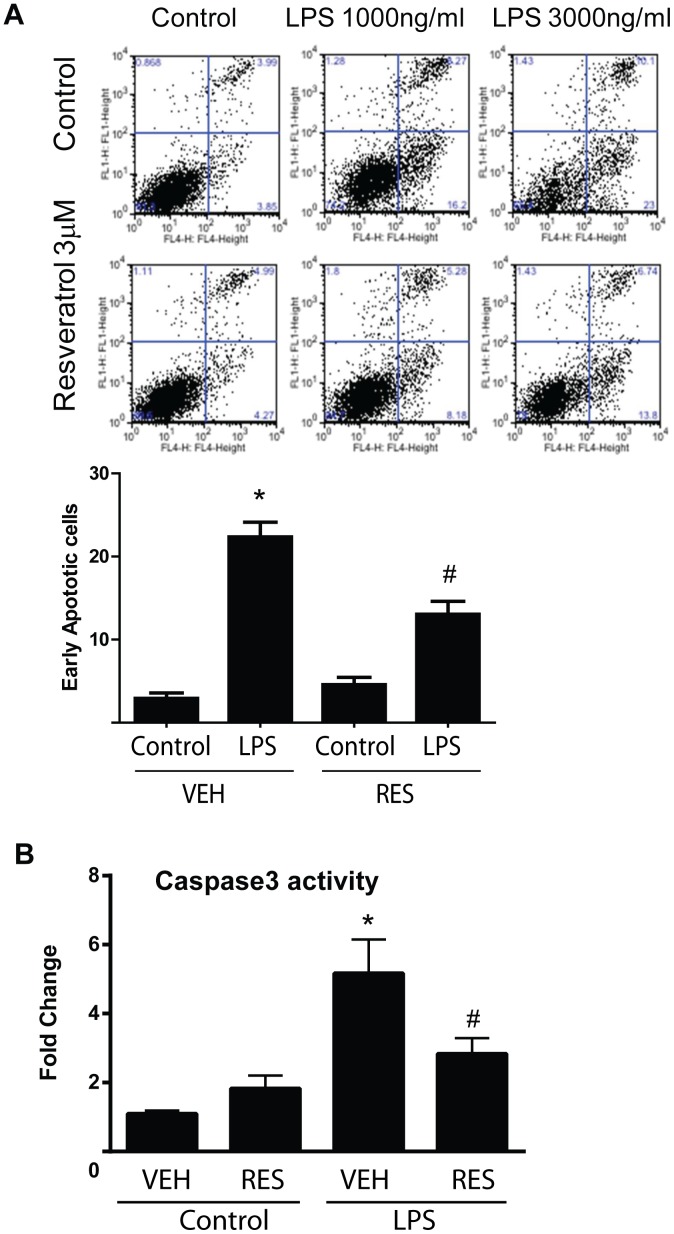
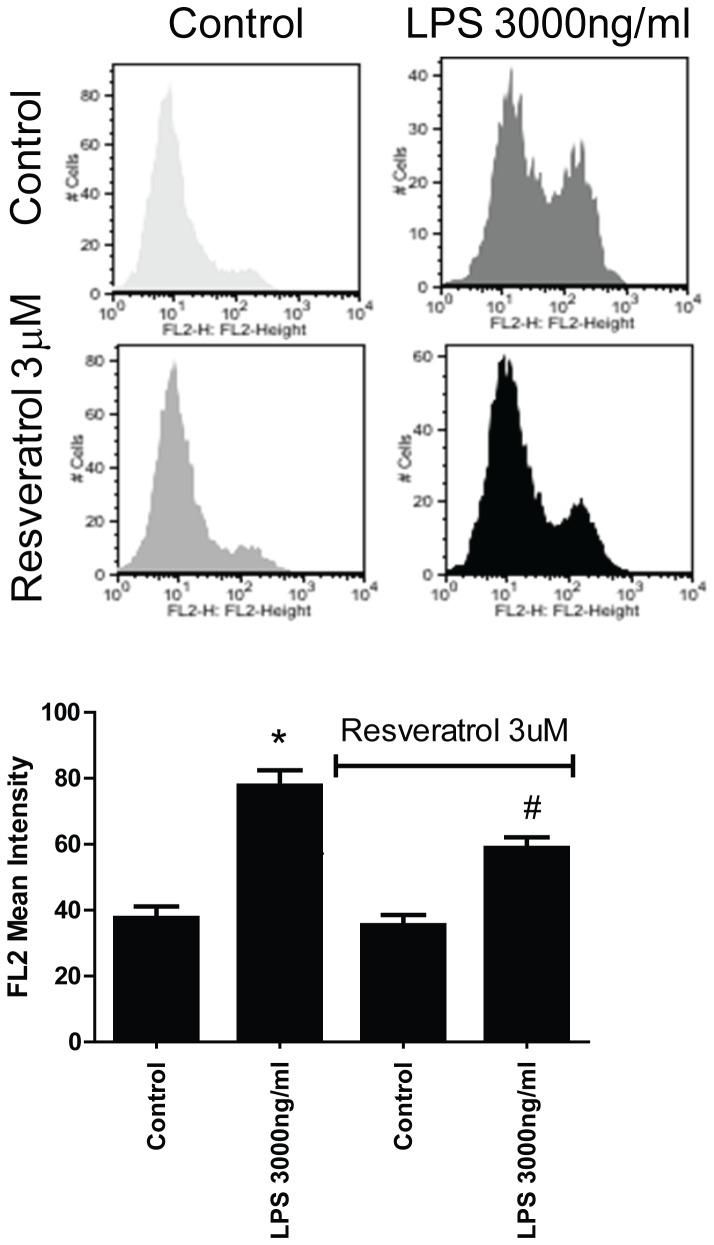
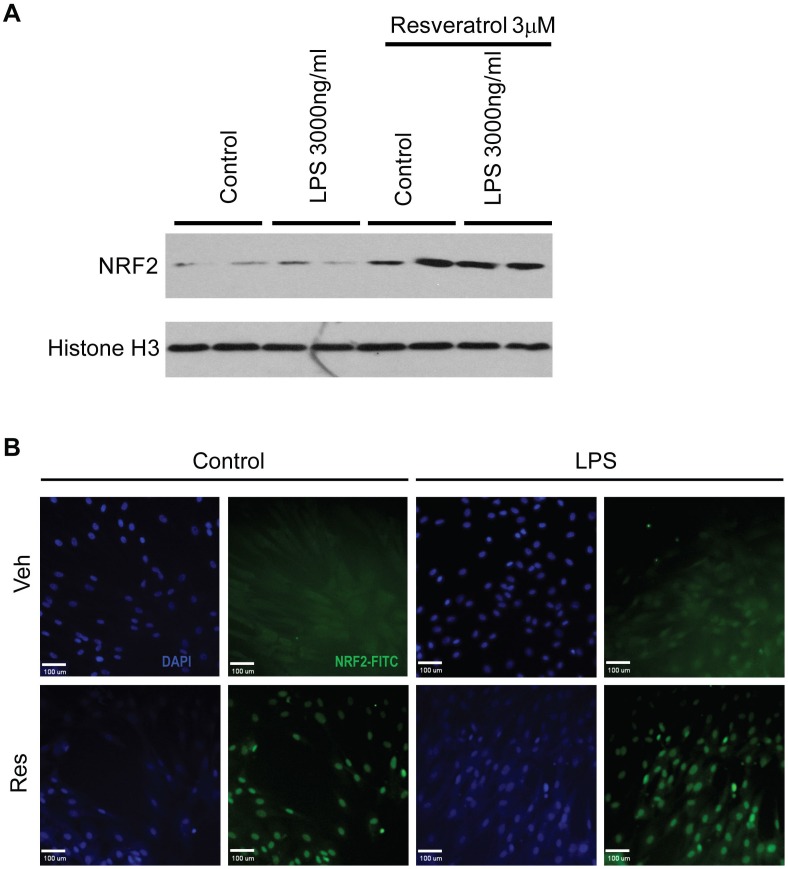
A mouse model of endotoxin-induced cardiomyopathy was developed by intraperitoneal injection of LPS, and resveratrol was administered prophylatically to the animals. Serum LDH and CK activities were measured to detect myocardial injury, and echocardiography was performed to monitor cardiac structure and function. Various cytokines/chemokines and the Nrf2 antioxidant defense system were examined in the heart tissue. The effects of resveratrol on LPS-induced Nrf2 activation, ROS generation, and apoptotic cell death were further investigated in cultured primary human cardiomyocytes. An Nrf2 specific siRNA was used to define its role in resveratrol-mediated cardiomyocyte protective effect.
Resveratrol pretreatment significantly attenuated LPS-induced myocardial injury in mice, which was associated with suppressed proinflammatory cytokine production and enhanced Nrf2 activation in the heart. In cultured primary human cardiomyocytes, resveratrol activated Nrf2, inhibited LPS-induced ROS generation, and effectively protected the cells from LPS-induced apoptotic cell death. Knockdown of Nrf2 abrogated resveratrol-mediated protection of the cells from LPS-induced cell death.
Resveratrol effectively alleviates endotoxin-induced cardiac toxicity through mechanisms that involve the Nrf2 antioxidant defense pathway. Our data suggest that resveratrol might be developed as a useful prophylactic management for septic cardiomyopathy.
背景/目的:脓毒性心肌病是一种严重的疾病,仍然是临床管理的挑战。本研究探讨了天然多酚化合物白藜芦醇是否可作为预防治疗方法,以减轻与脓毒症相关的心肌损伤;通过体外和体内实验揭示了潜在的分子机制。
通过腹腔内注射 LPS 建立内毒素诱导的心肌病小鼠模型,并对动物进行白藜芦醇预防性给药。通过测量血清 LDH 和 CK 活性来检测心肌损伤,并进行超声心动图检查以监测心脏结构和功能。检测心脏组织中的各种细胞因子/趋化因子和 Nrf2 抗氧化防御系统。进一步在培养的原代人心肌细胞中研究白藜芦醇对 LPS 诱导的 Nrf2 激活、ROS 生成和凋亡细胞死亡的影响。使用 Nrf2 特异性 siRNA 来确定其在白藜芦醇介导的心肌细胞保护作用中的作用。
白藜芦醇预处理可显著减轻 LPS 诱导的小鼠心肌损伤,这与抑制心脏中促炎细胞因子的产生和增强 Nrf2 激活有关。在培养的原代人心肌细胞中,白藜芦醇激活 Nrf2,抑制 LPS 诱导的 ROS 生成,并有效保护细胞免受 LPS 诱导的凋亡细胞死亡。Nrf2 的敲低消除了白藜芦醇介导的对 LPS 诱导的细胞死亡的保护作用。
白藜芦醇通过涉及 Nrf2 抗氧化防御途径的机制,有效减轻内毒素引起的心脏毒性。我们的数据表明,白藜芦醇可能被开发为脓毒性心肌病的有用预防治疗方法。