Perez Amanda G M, Lichy Rafael, Lana José Fábio S D, Rodrigues Ana Amélia, Luzo Angela Cristina M, Belangero William D, Santana Maria Helena A
Department of Materials and Bioprocesses Engineering, School of Chemical Engineering, University of Campinas , Campinas, Brazil .
Biores Open Access. 2013 Aug;2(4):307-14. doi: 10.1089/biores.2013.0015.
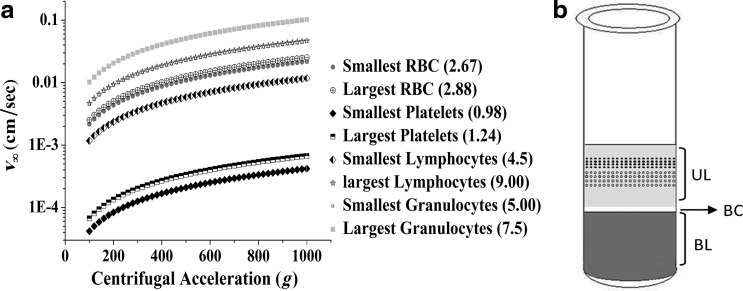
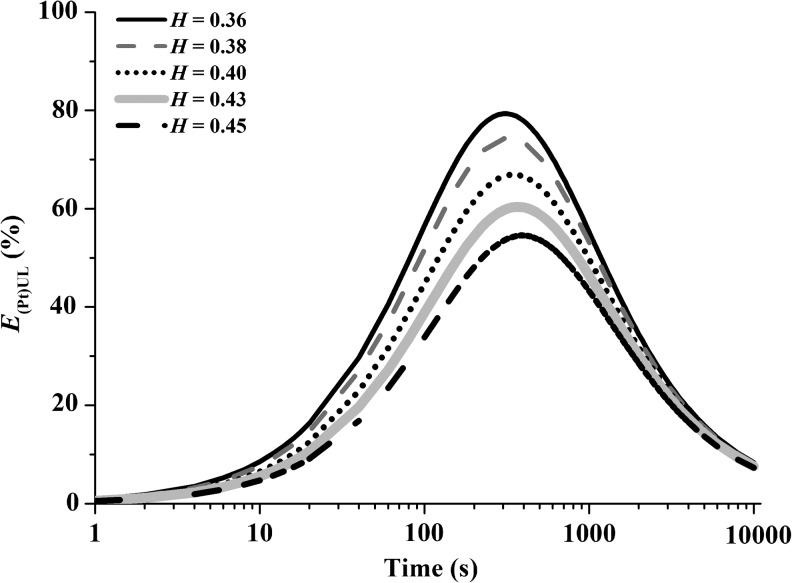
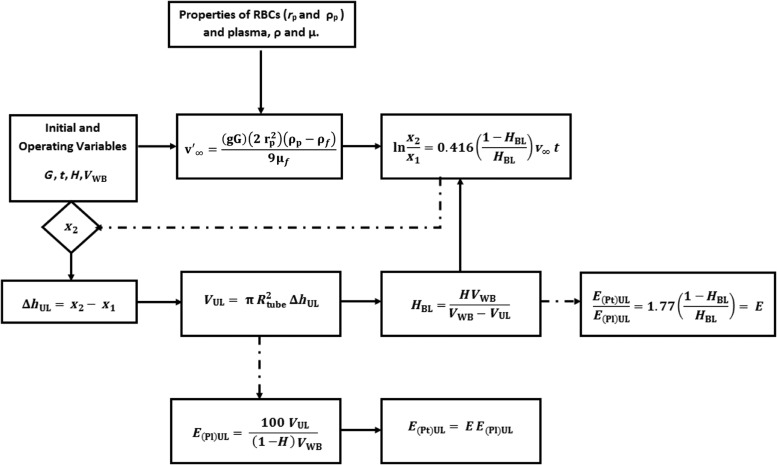
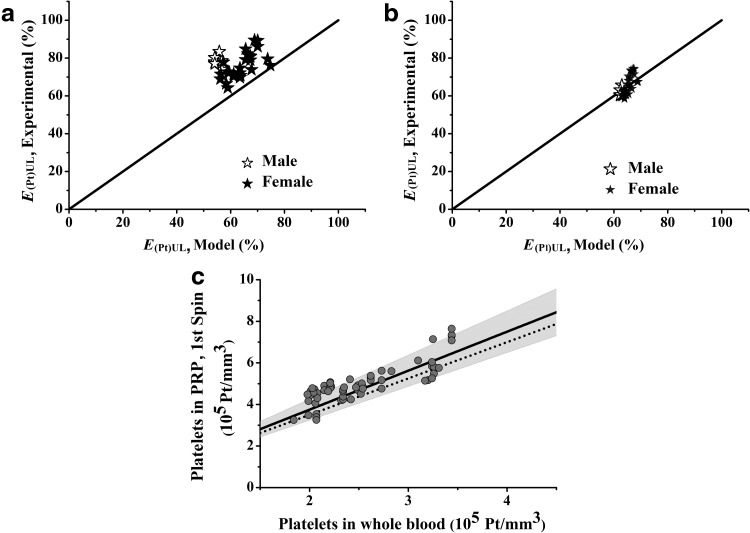
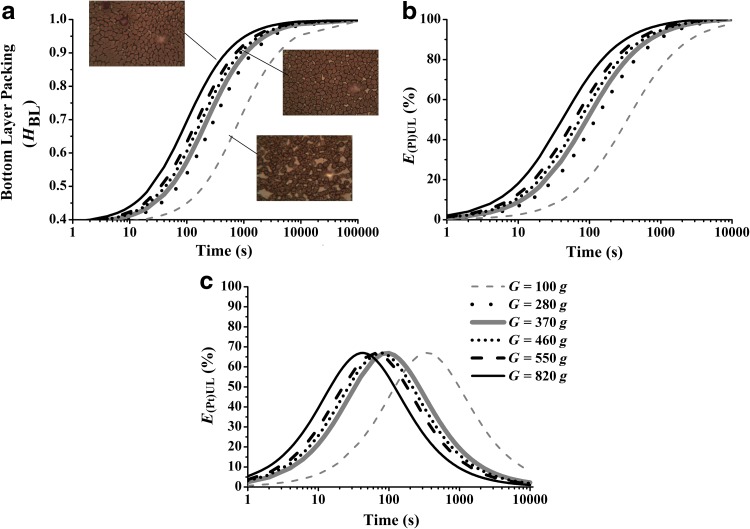
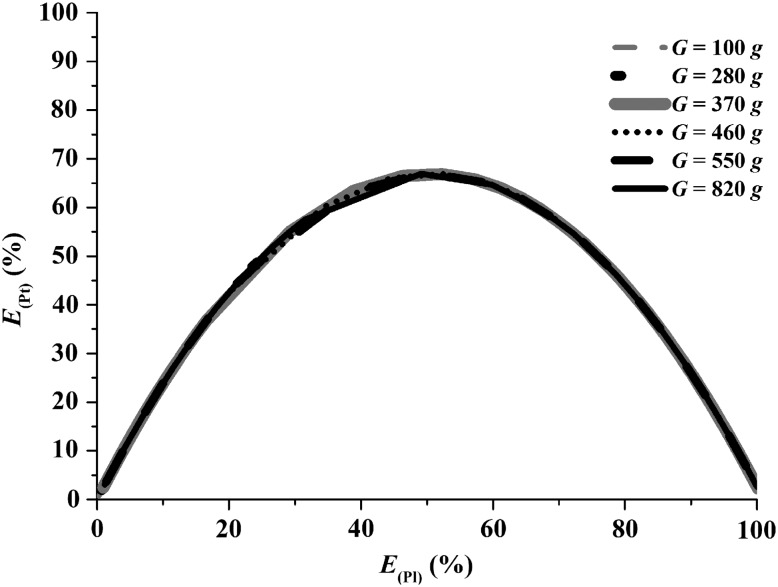
The aim of this study was to describe the behavior of the separation of red blood cells (RBCs) by discontinuous centrifugation (DC) of whole blood to modulate and control the platelet recovery in the preparation of pure platelet-rich plasma (P-PRP). P-PRP is a platelet-rich plasma (PRP) in which the white blood cell layer is not included. To achieve this goal, an analytical model was derived that takes into account the packing of RBCs and predicts the behavior of platelet and plasma recovery efficiencies (PtPlRE) based on the volume of whole blood, the hematocrit, and the volume of supernatant, as a function of the operating variables, centrifugal acceleration, and time. The model was derived from the basic equation of DC, which originates from the equilibrium balance of forces on a particle, and included the addition of one factor that corrected the terminal velocity of RBCs and was also correlated to the PtPlRE in the supernatant. This factor was the ratio between the fractional volume concentrations of plasma and RBCs in the centrifugation pellet after centrifugation. The model was validated and the variability of the data was determined using experimental data from 10 healthy donors in the age range of 25-35 years. The predicted behavior for the packing of RBCs and the PtPlRE was consistent with the behavior seen in the experimental data. Thus, the PtPlRE could be modulated and controlled through centrifugal acceleration, time, and hematocrit. Use of this model based on a physical description of events is the first step of a reliable standardization of PRP preparations.
本研究的目的是描述通过对全血进行间断离心(DC)来分离红细胞(RBC)的行为,以调节和控制纯富血小板血浆(P-PRP)制备过程中的血小板回收率。P-PRP是一种不包含白细胞层的富血小板血浆(PRP)。为实现这一目标,我们推导了一个分析模型,该模型考虑了RBC的堆积情况,并根据全血体积、血细胞比容和上清液体积,预测血小板和血浆回收效率(PtPlRE)与操作变量、离心加速度和时间的函数关系。该模型源自DC的基本方程,该方程源于颗粒上力的平衡,并加入了一个校正RBC终末速度的因子,该因子也与上清液中的PtPlRE相关。这个因子是离心后离心沉淀中血浆和RBC的分数体积浓度之比。使用来自10名年龄在25-35岁之间的健康供体的实验数据对该模型进行了验证,并确定了数据的变异性。RBC堆积和PtPlRE的预测行为与实验数据中的行为一致。因此,可以通过离心加速度、时间和血细胞比容来调节和控制PtPlRE。基于事件物理描述的该模型的使用是PRP制备可靠标准化的第一步。