Center for Neuroscience, University of California at Davis.
Department of Psychology, University of California at Davis.
Neuroimage. 2014 Jan 15;85 Pt 2(0 2):721-9. doi: 10.1016/j.neuroimage.2013.08.003. Epub 2013 Aug 8.
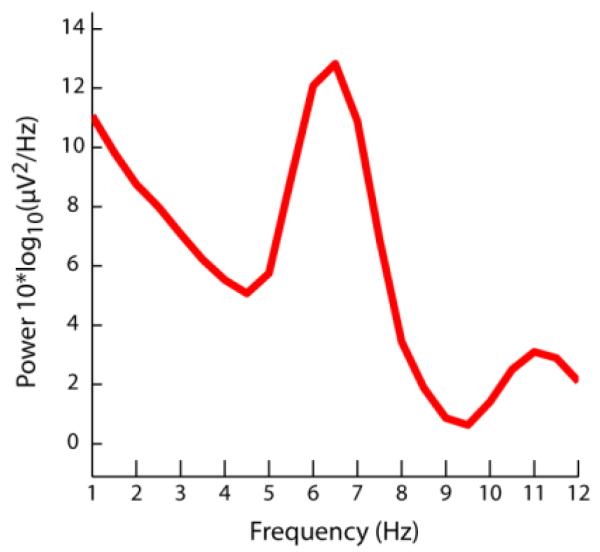
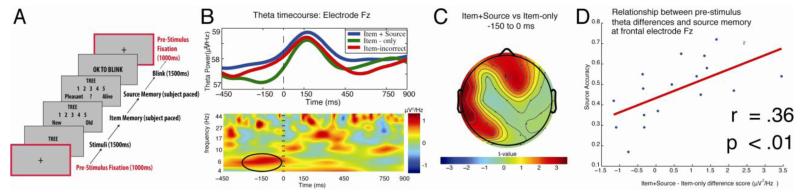
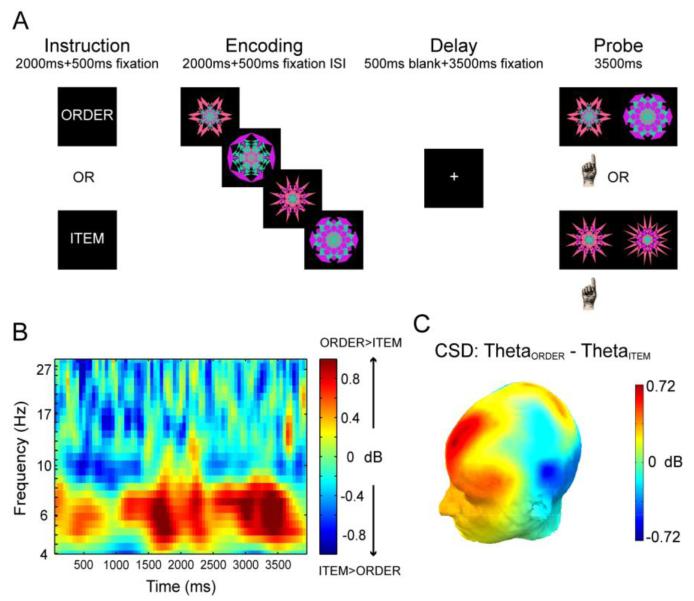
Neural oscillations in the theta band (4-8 Hz) are prominent in the human electroencephalogram (EEG), and many recent electrophysiological studies in animals and humans have implicated scalp-recorded frontal midline theta (FMT) in working memory and episodic memory encoding and retrieval processes. However, the functional significance of theta oscillations in human memory processes remains largely unknown. Here, we review studies in human and animals examining how scalp-recorded FMT relates to memory behaviors and also their possible neural generators. We also discuss models of the functional relevance of theta oscillations to memory processes and suggest promising directions for future research.
theta 波段(4-8 Hz)的神经振荡在人类脑电图(EEG)中很明显,许多最近在动物和人类中的电生理研究表明,头皮记录的额中线 theta(FMT)与工作记忆和情景记忆编码和检索过程有关。然而,theta 振荡在人类记忆过程中的功能意义在很大程度上仍然未知。在这里,我们回顾了在人类和动物中研究头皮记录的 FMT 如何与记忆行为相关的研究,以及它们可能的神经发生器。我们还讨论了 theta 振荡对记忆过程的功能相关性的模型,并为未来的研究提出了有前途的方向。