Center for Theoretical Neuroscience, Columbia University, New York, New York, United States of America.
PLoS Comput Biol. 2013;9(7):e1003146. doi: 10.1371/journal.pcbi.1003146. Epub 2013 Jul 25.
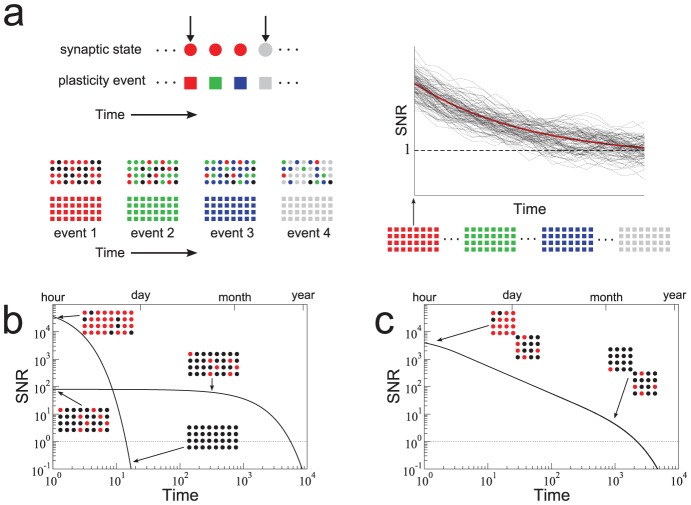
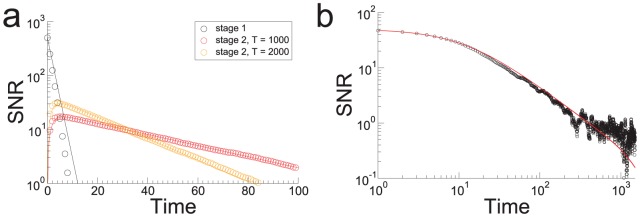
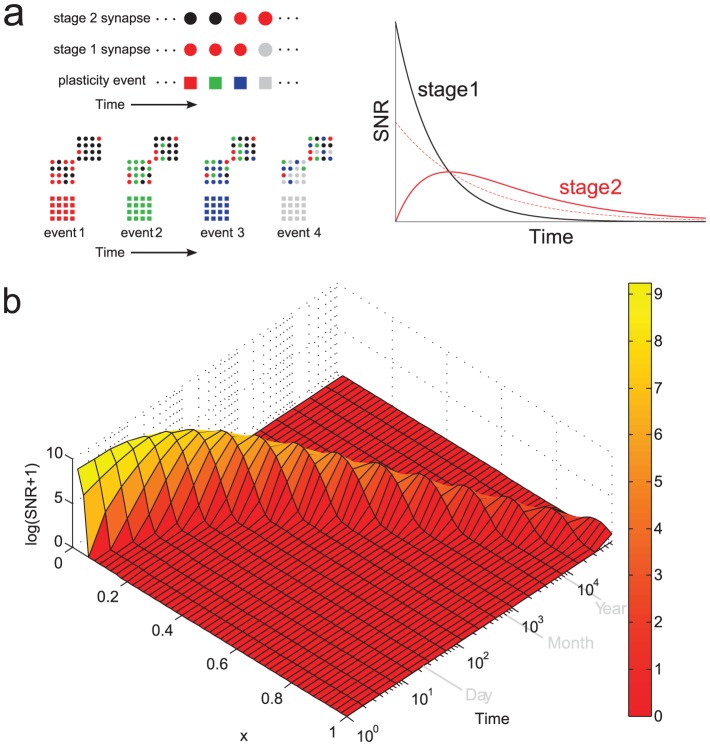
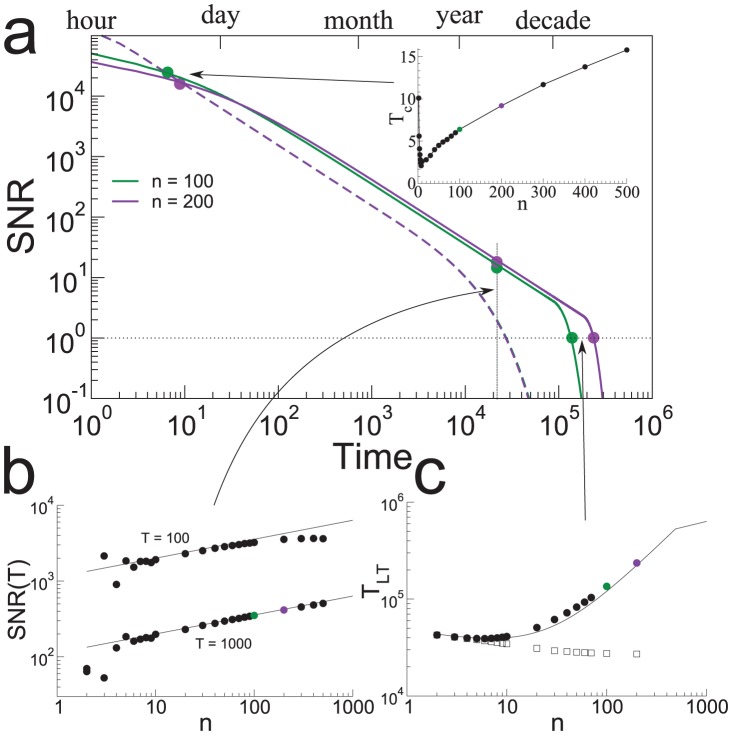
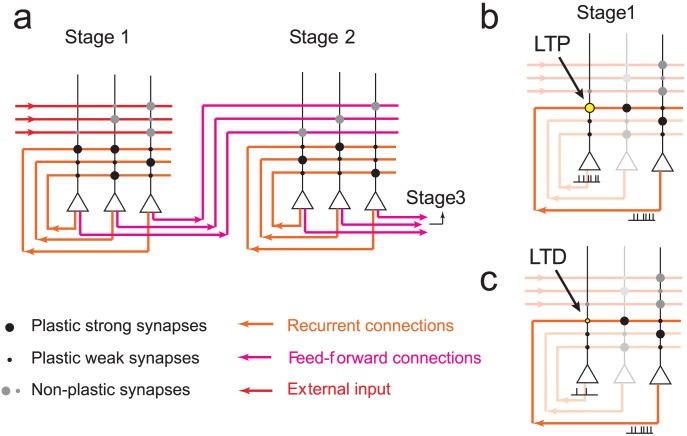
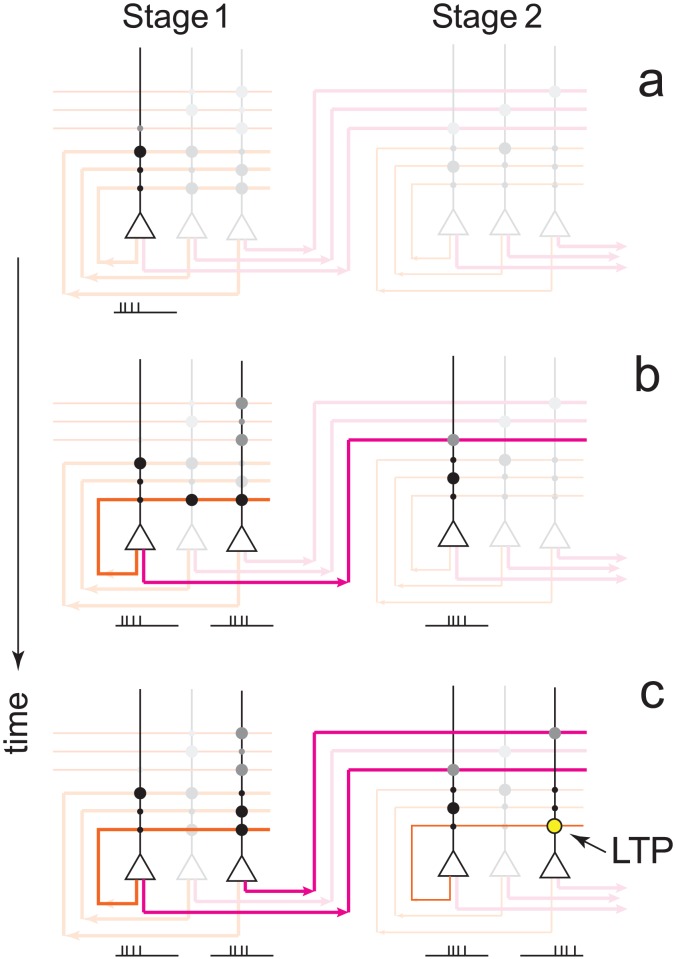
Long-term memories are likely stored in the synaptic weights of neuronal networks in the brain. The storage capacity of such networks depends on the degree of plasticity of their synapses. Highly plastic synapses allow for strong memories, but these are quickly overwritten. On the other hand, less labile synapses result in long-lasting but weak memories. Here we show that the trade-off between memory strength and memory lifetime can be overcome by partitioning the memory system into multiple regions characterized by different levels of synaptic plasticity and transferring memory information from the more to less plastic region. The improvement in memory lifetime is proportional to the number of memory regions, and the initial memory strength can be orders of magnitude larger than in a non-partitioned memory system. This model provides a fundamental computational reason for memory consolidation processes at the systems level.
长期记忆可能存储在大脑神经网络的突触权重中。这种网络的存储容量取决于其突触的可塑性程度。高度可塑的突触可以产生强烈的记忆,但这些记忆很快就会被覆盖。另一方面,不太活跃的突触会产生持久但较弱的记忆。在这里,我们表明,通过将记忆系统划分为多个具有不同突触可塑性水平的区域,并将记忆信息从更活跃的区域转移到不太活跃的区域,可以克服记忆强度和记忆寿命之间的权衡。记忆寿命的提高与记忆区域的数量成正比,并且初始记忆强度可以比非分区记忆系统大几个数量级。该模型为系统水平的记忆巩固过程提供了一个基本的计算理由。