Cell and Molecular Biology Laboratory, Department of Zoology, University of Rajasthan, Jaipur, Rajasthan 302055, India.
Biomed Res Int. 2013;2013:701439. doi: 10.1155/2013/701439. Epub 2013 Jul 15.
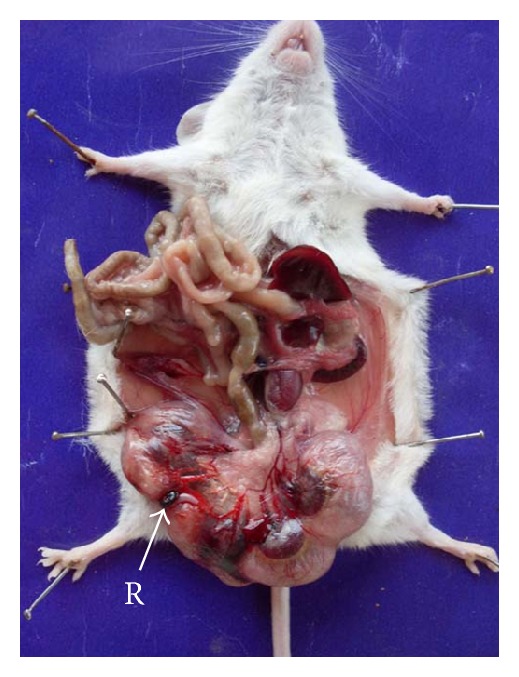
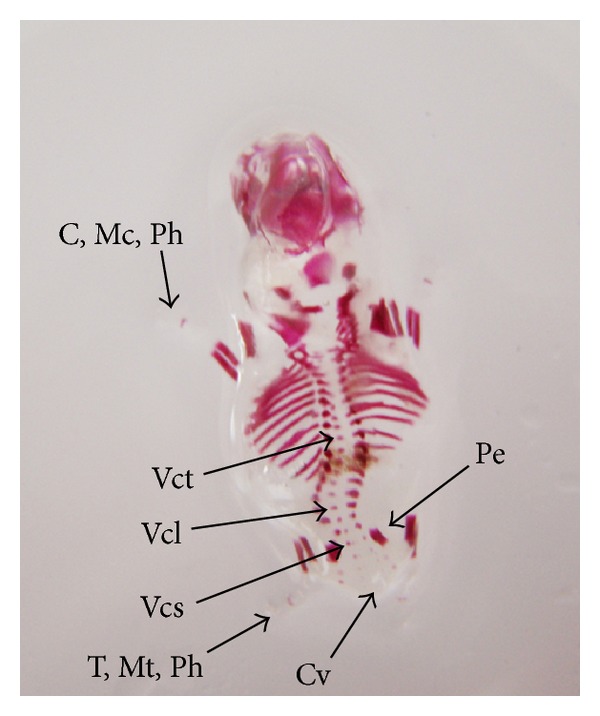
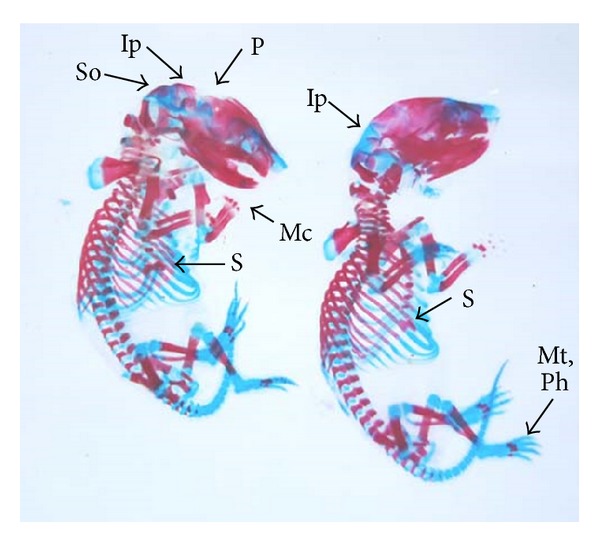
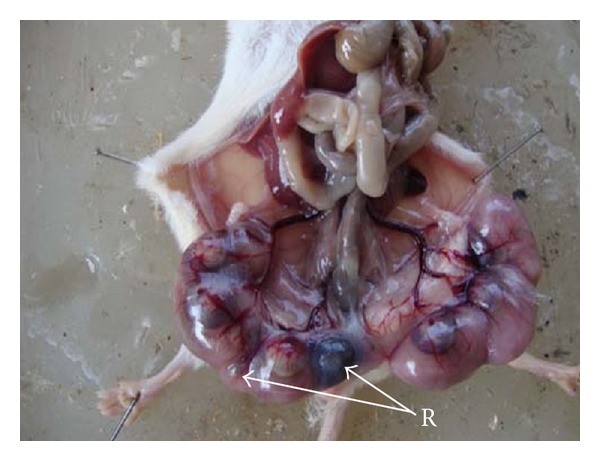
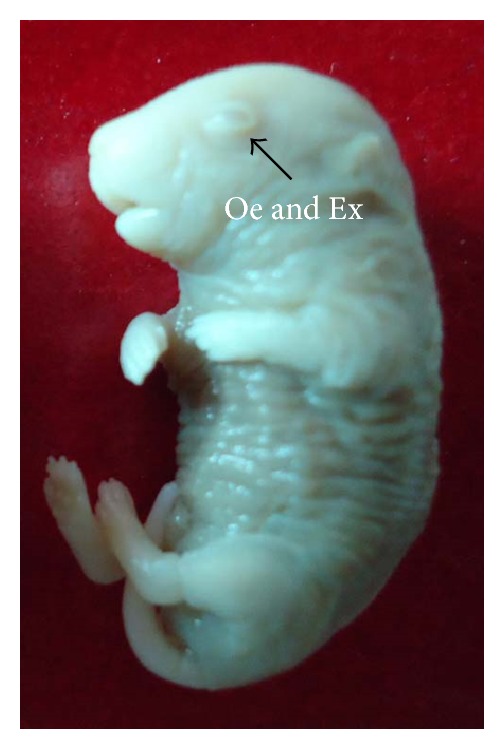
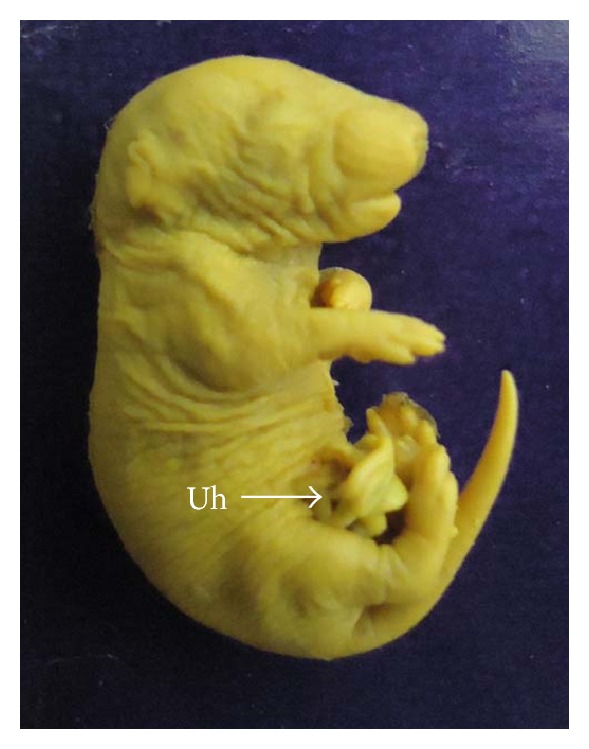
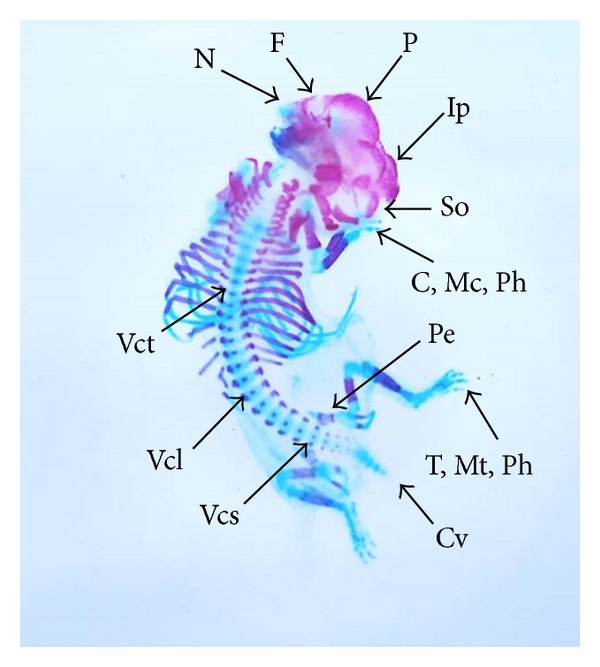
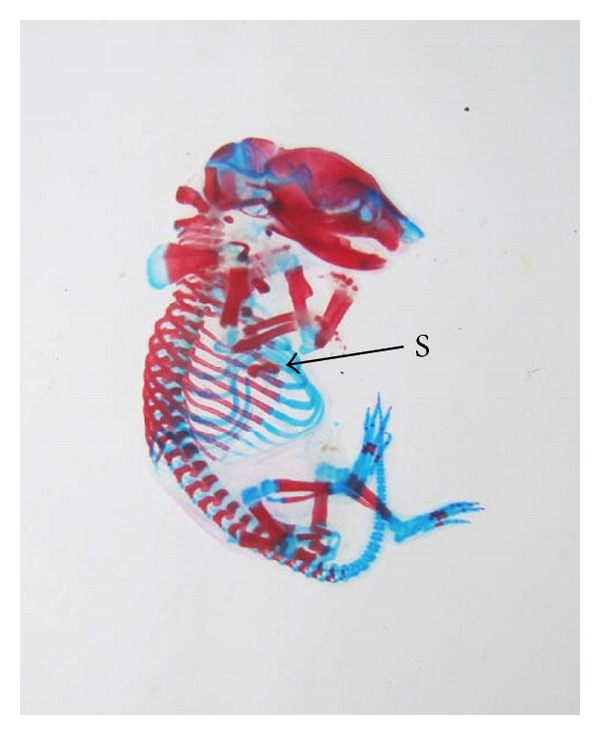
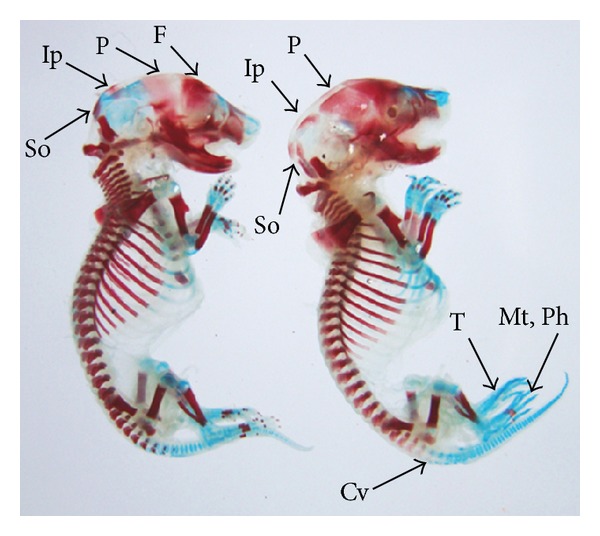
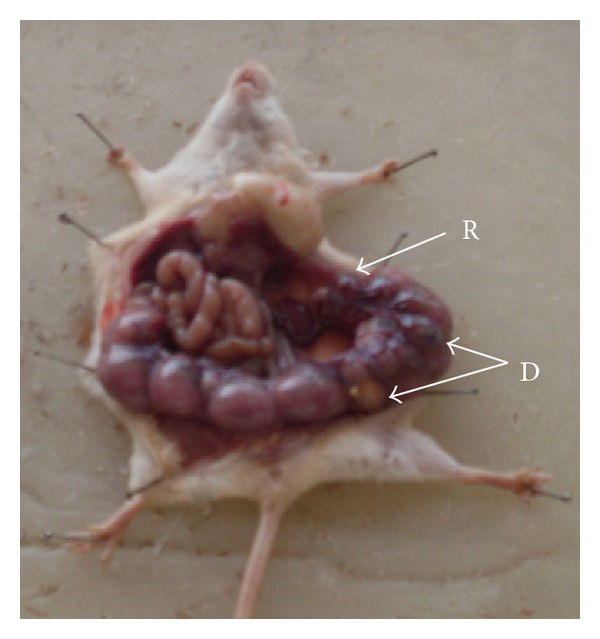
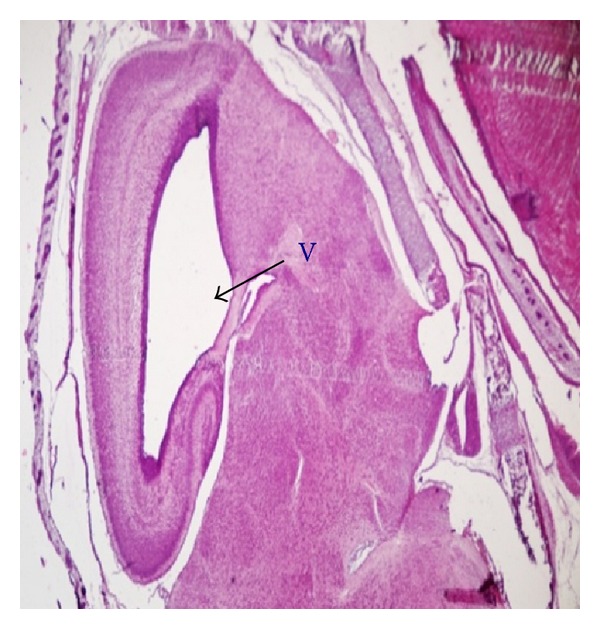
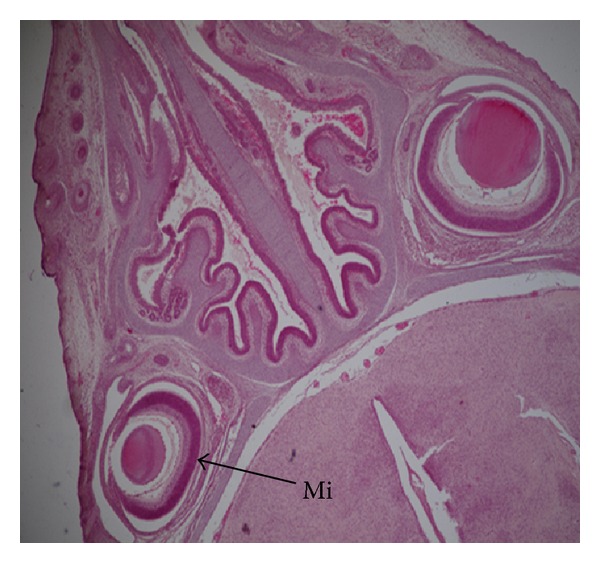
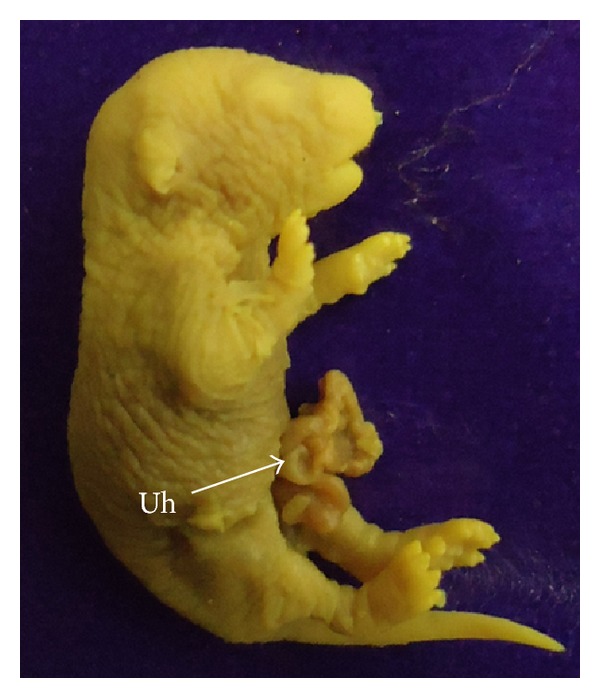
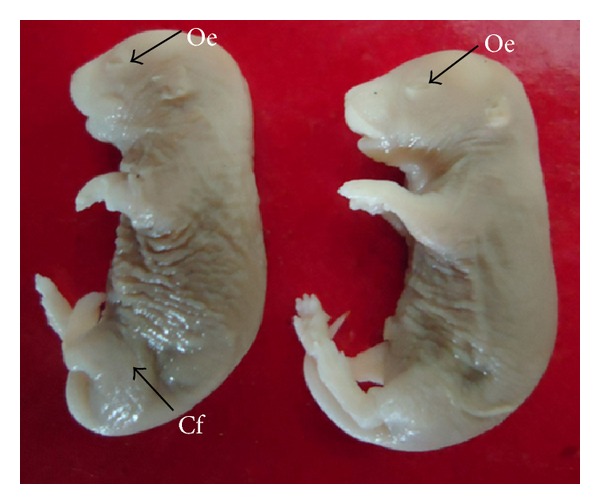
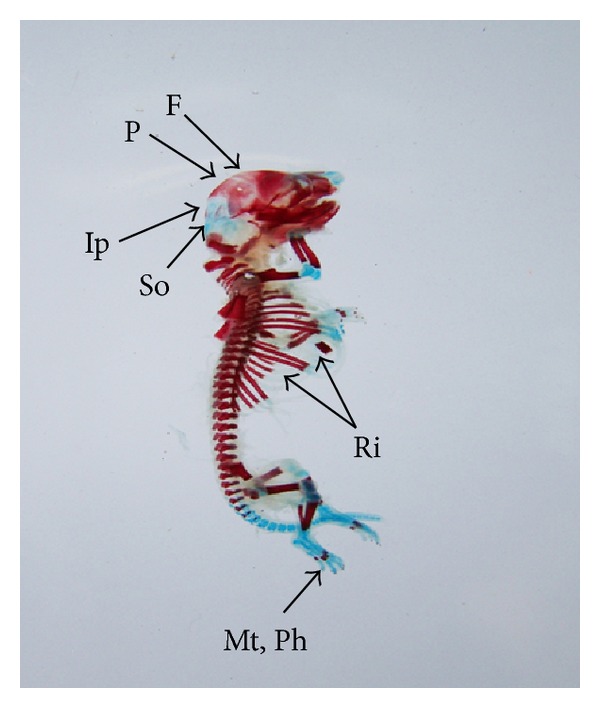
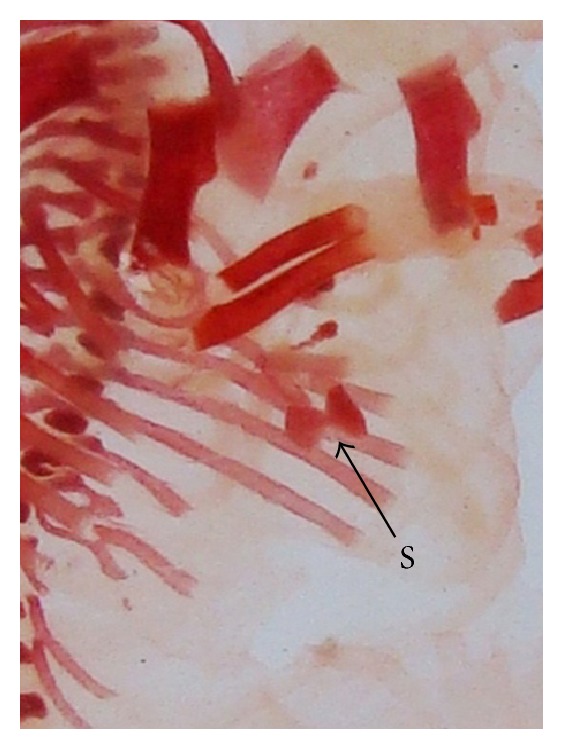
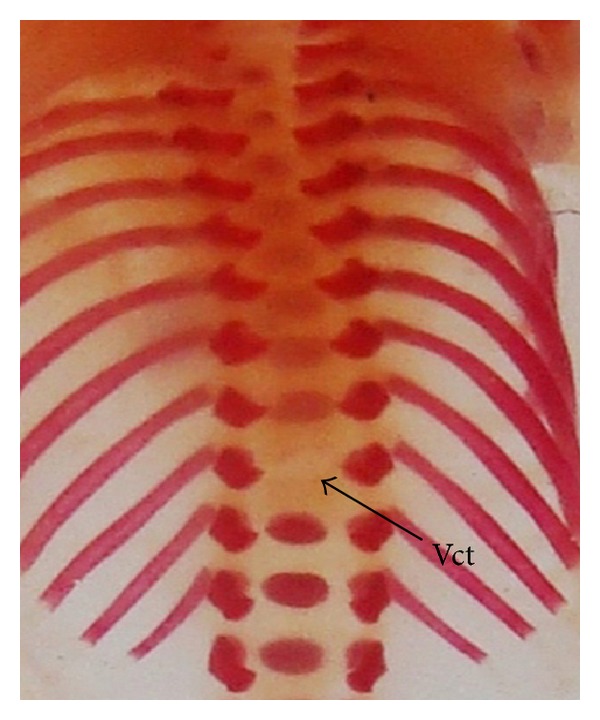
The present study evaluates potential hazardous of nickel (Ni(+2) as NiCl2 ·6H2O) to Swiss albino mice fetus. Ni was administered orally on body weight base from days 6 to 13 of gestation period. Based on LD50, Ni doses (46.125, 92.25, and 184.5) mg Ni/kg b.wt. were used. On day 18 of gestation, uteri of the sacrificed dams were examined. A dose-dependent decrease (P < 0.01) in the body weight of the pregnant females and fetuses during the gestation period was observed. Number of implant sites and placental weight at all the three dose levels was lower compared with their respective control groups. Average number of live fetuses/dams reduced significantly (P < 0.01) at 184.5 mg Ni/kg b.wt. with concomitant increase in the percentage of postimplantation death and percentage of resorbed, macerated, and dead fetuses, respectively. Exposure increased the fetal malformations, namely, hydrocephaly, open eyelids, microphthalmia, exophthalmia, club foot, umbilical hernia, and skeletal anomalies. Reduced ossification of nasal, frontal, parietal, intraparietal, and supraoccipital bones, absence/gap between the ribs, reduced/fused sternebrae, vertebral centra, and caudal vertebrae, reduced pelvic elements, absence of carpals, metacarpals, tarsals, metatarsals, and phalanges were distinct. This indicates vulnerability of the mice fetus to nickel during prenatal exposure.
本研究评估了镍(Ni(+2)作为 NiCl2·6H2O)对瑞士白化病小鼠胎儿的潜在危害。Ni 按体重给药,从妊娠第 6 天到第 13 天。根据 LD50,使用 Ni 剂量(46.125、92.25 和 184.5)mg Ni/kg b.wt。在妊娠第 18 天,检查处死的母体子宫。观察到妊娠期间母体和胎儿的体重呈剂量依赖性下降(P < 0.01)。所有三个剂量水平的植入部位数量和胎盘重量均低于相应的对照组。活胎/母体的平均数量在 184.5 mg Ni/kg b.wt 时显著减少(P < 0.01),同时植入后死亡的百分比、吸收、糜烂和死亡胎儿的百分比分别增加。暴露增加了胎儿畸形,即脑积水、眼睑张开、小眼症、眼球突出、爪形足、脐疝和骨骼异常。鼻骨、额骨、顶骨、顶间骨和顶骨的骨化减少、肋骨之间的缺失/间隙、胸骨、椎骨和尾骨减少/融合、骨盆元素减少、腕骨、掌骨、跗骨、跖骨和指骨缺失明显。这表明在产前暴露期间,小鼠胎儿对镍敏感。