Department of Computer Science and Engineering, National Taiwan Ocean University, Keelung, Taiwan.
PLoS One. 2013 Aug 5;8(8):e70166. doi: 10.1371/journal.pone.0070166. Print 2013.
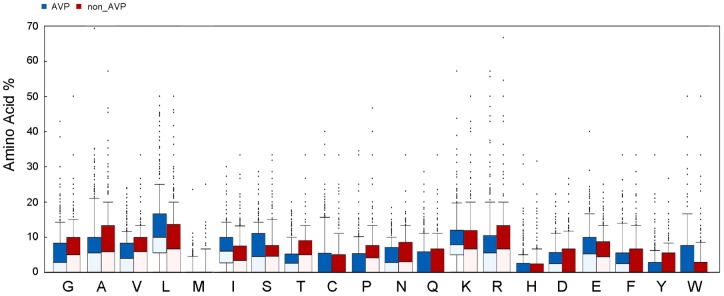
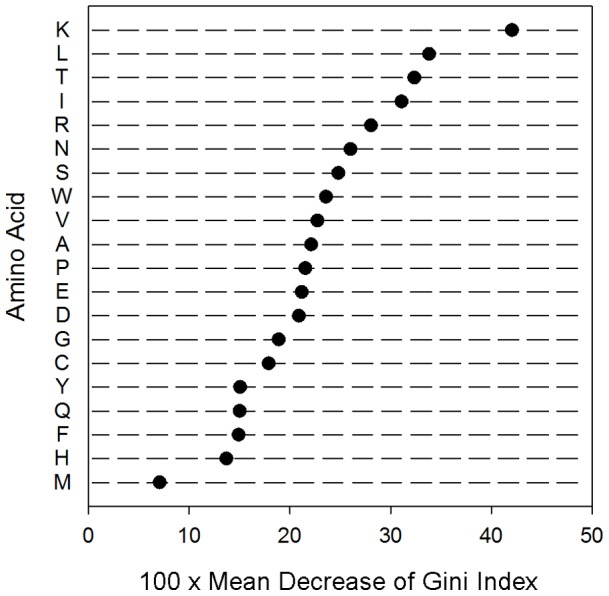
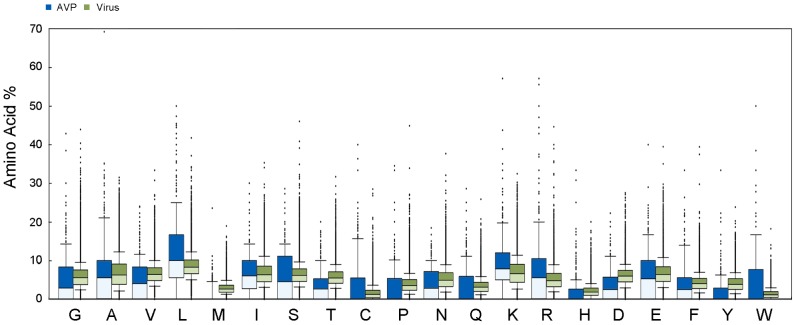
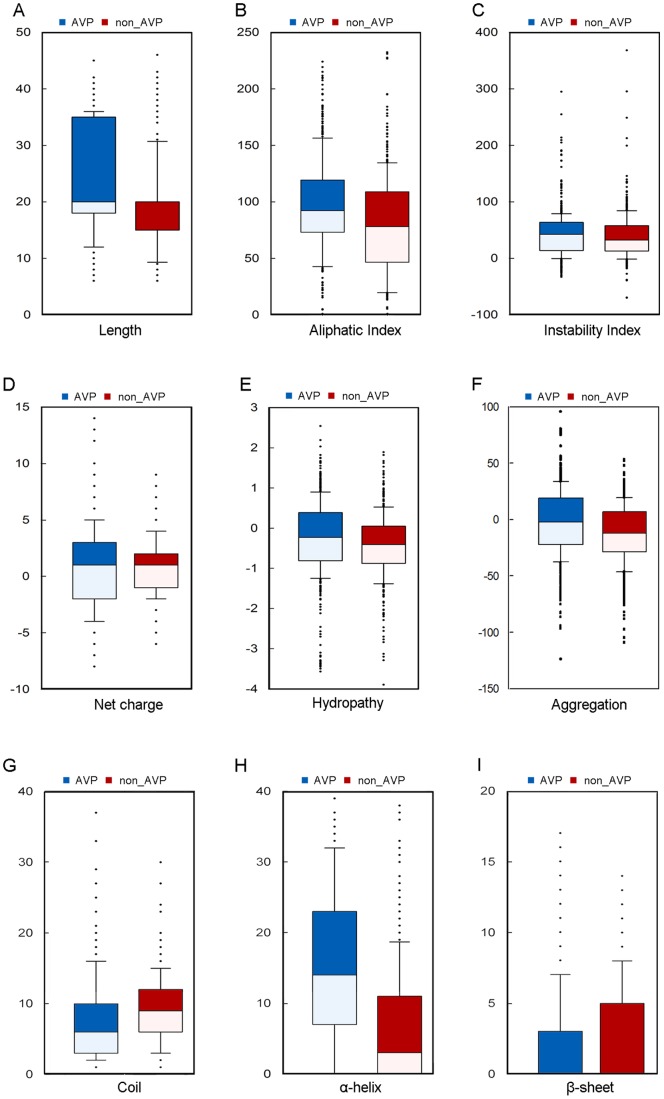
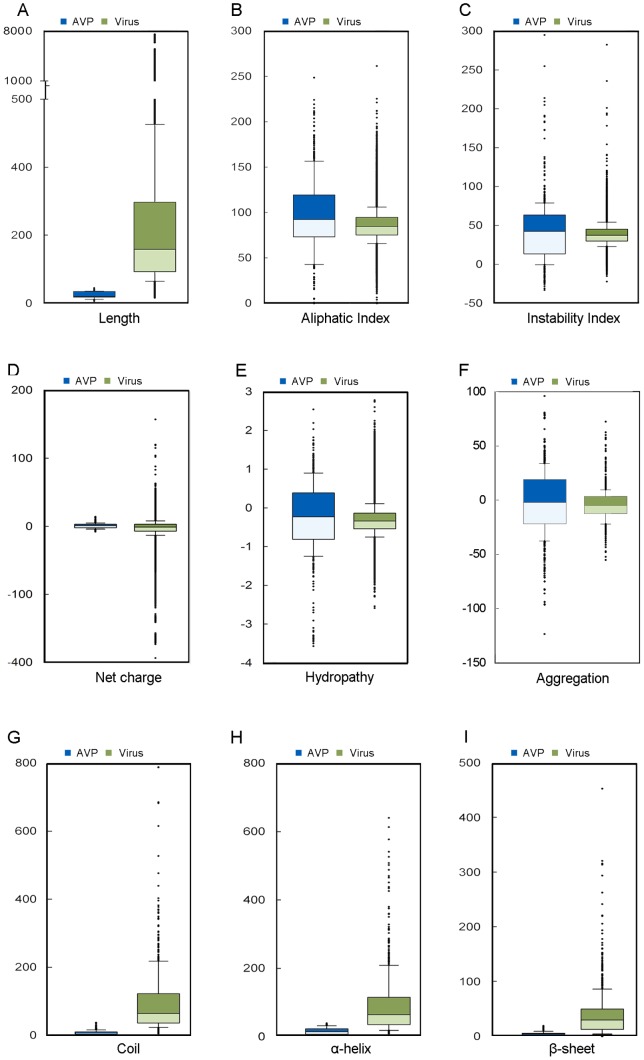
The goal of this study was to examine and predict antiviral peptides. Although antiviral peptides hold great potential in antiviral drug discovery, little is done in antiviral peptide prediction. In this study, we demonstrate that a physicochemical model using random forests outperform in distinguishing antiviral peptides. On the experimental benchmark, our physicochemical model aided with aggregation and secondary structural features reaches 90% accuracy and 0.79 Matthew's correlation coefficient, which exceeds the previous models. The results suggest that aggregation could be an important feature for identifying antiviral peptides. In addition, our analysis reveals the characteristics of the antiviral peptides such as the importance of lysine and the abundance of α-helical secondary structures.
本研究旨在探索和预测抗病毒肽。虽然抗病毒肽在抗病毒药物研发中具有巨大的潜力,但目前在抗病毒肽预测方面的研究还很少。本研究表明,基于随机森林的物理化学模型在区分抗病毒肽方面表现出色。在实验基准上,我们的物理化学模型结合聚集和二级结构特征达到了 90%的准确率和 0.79 的马修斯相关系数,超过了之前的模型。结果表明,聚集可能是识别抗病毒肽的一个重要特征。此外,我们的分析还揭示了抗病毒肽的特征,如赖氨酸的重要性和α-螺旋二级结构的丰富性。