Department of Cancer Biology, Mayo Clinic, Jacksonville, Florida, United States of America.
PLoS One. 2013 Aug 5;8(8):e71754. doi: 10.1371/journal.pone.0071754. Print 2013.
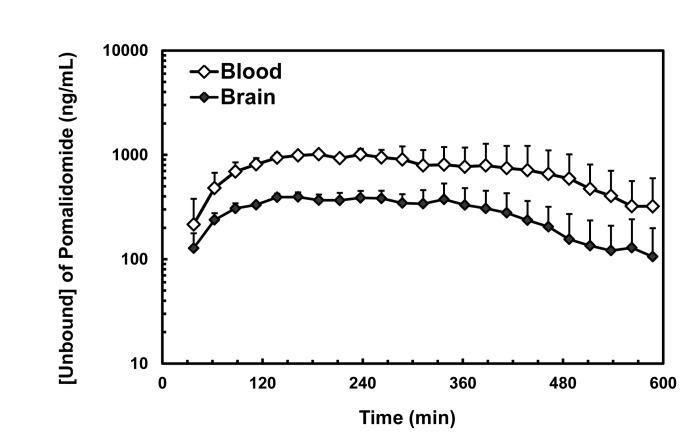
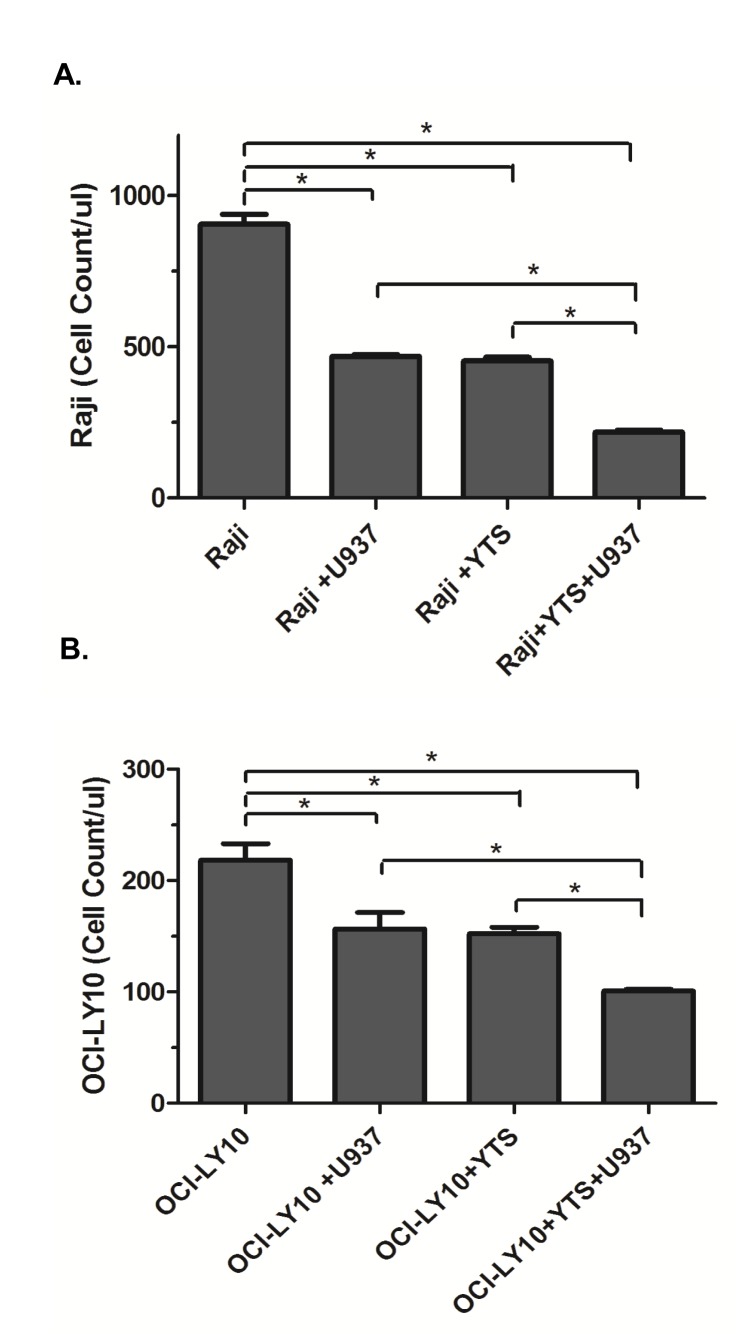
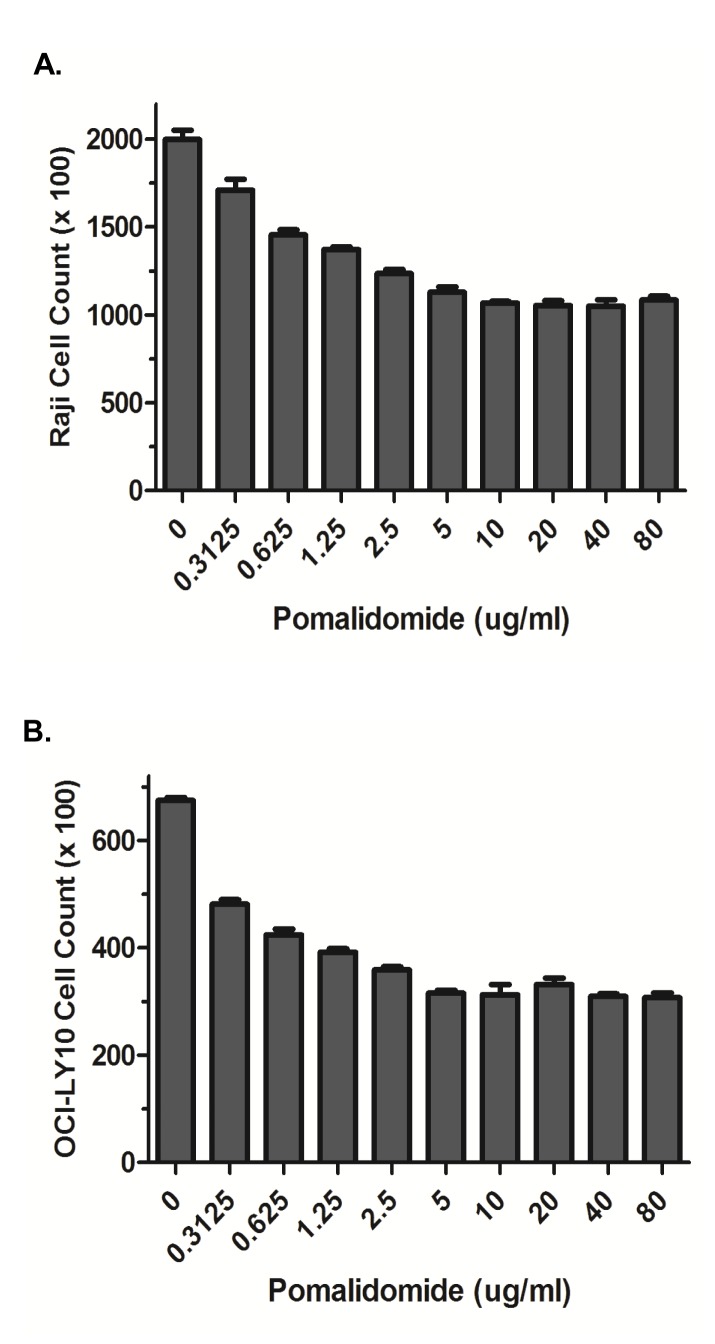
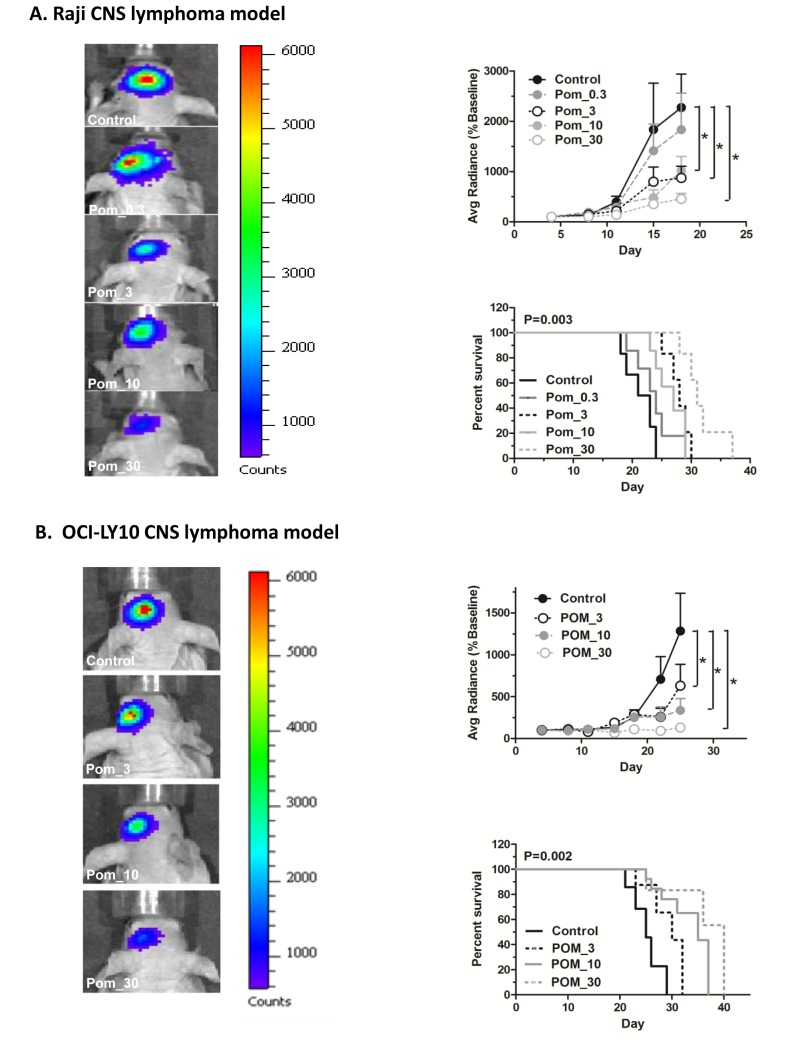
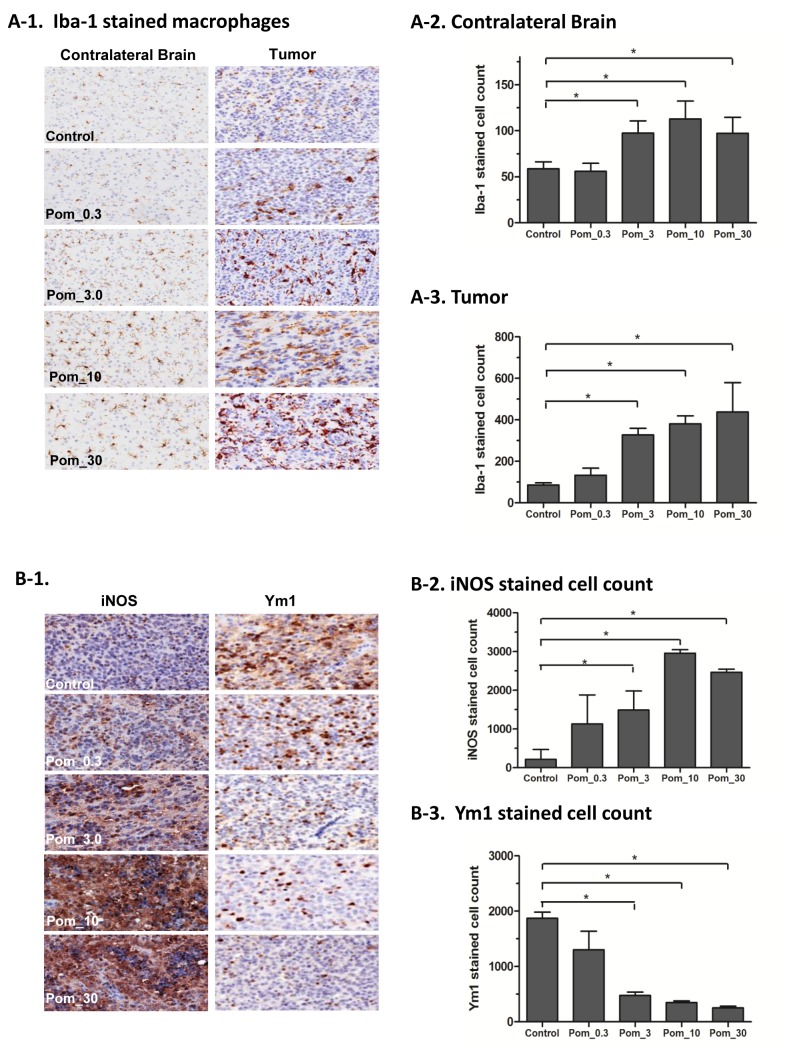
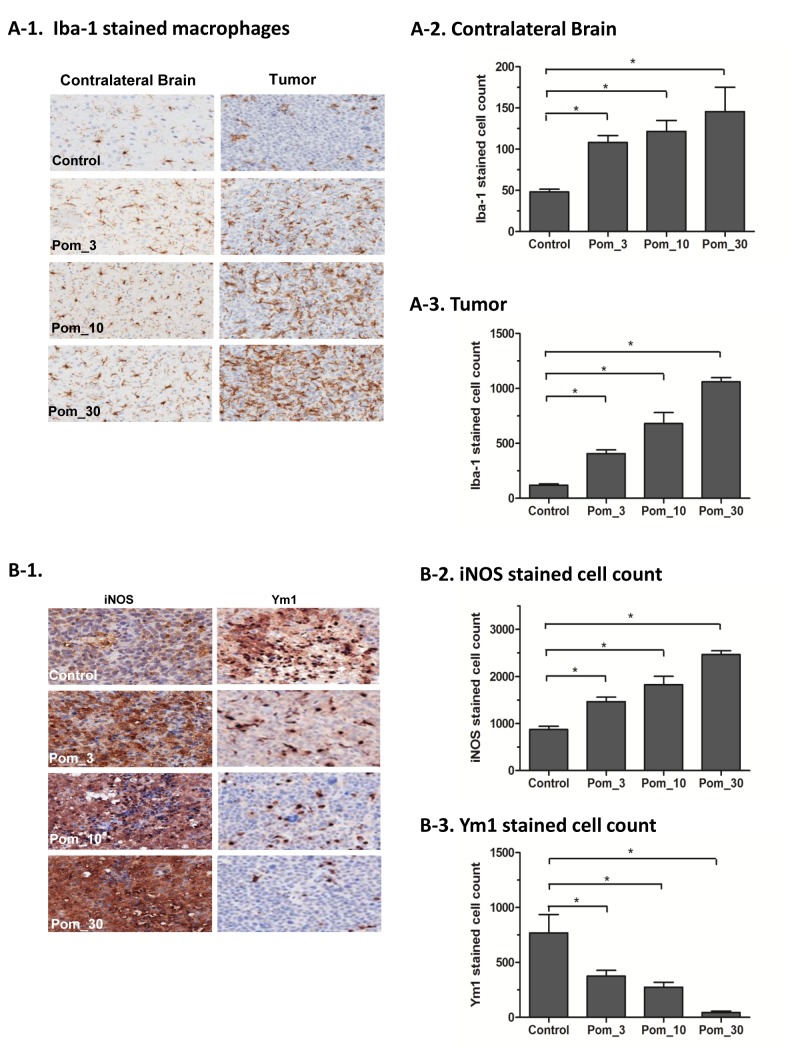
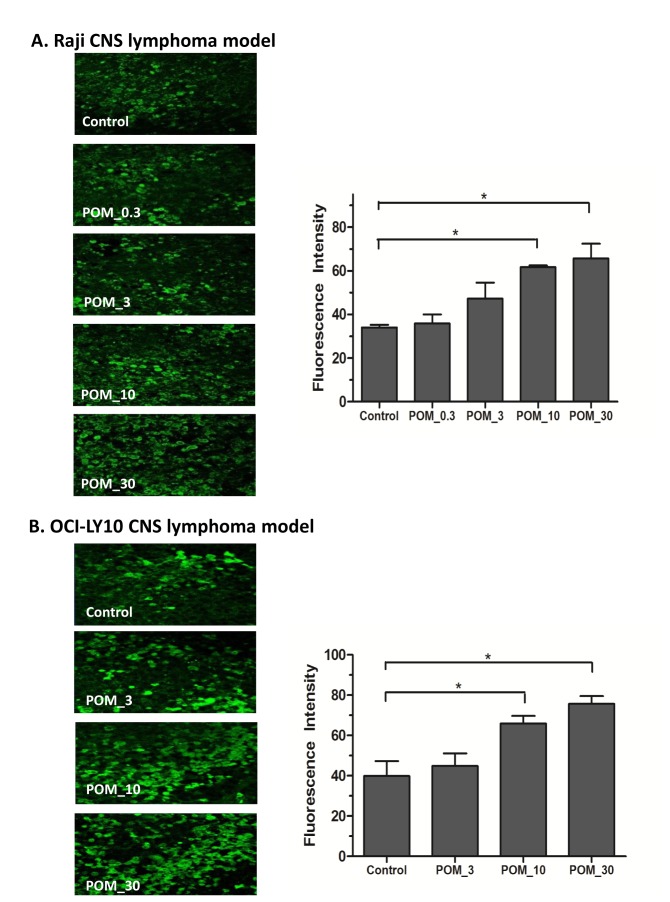
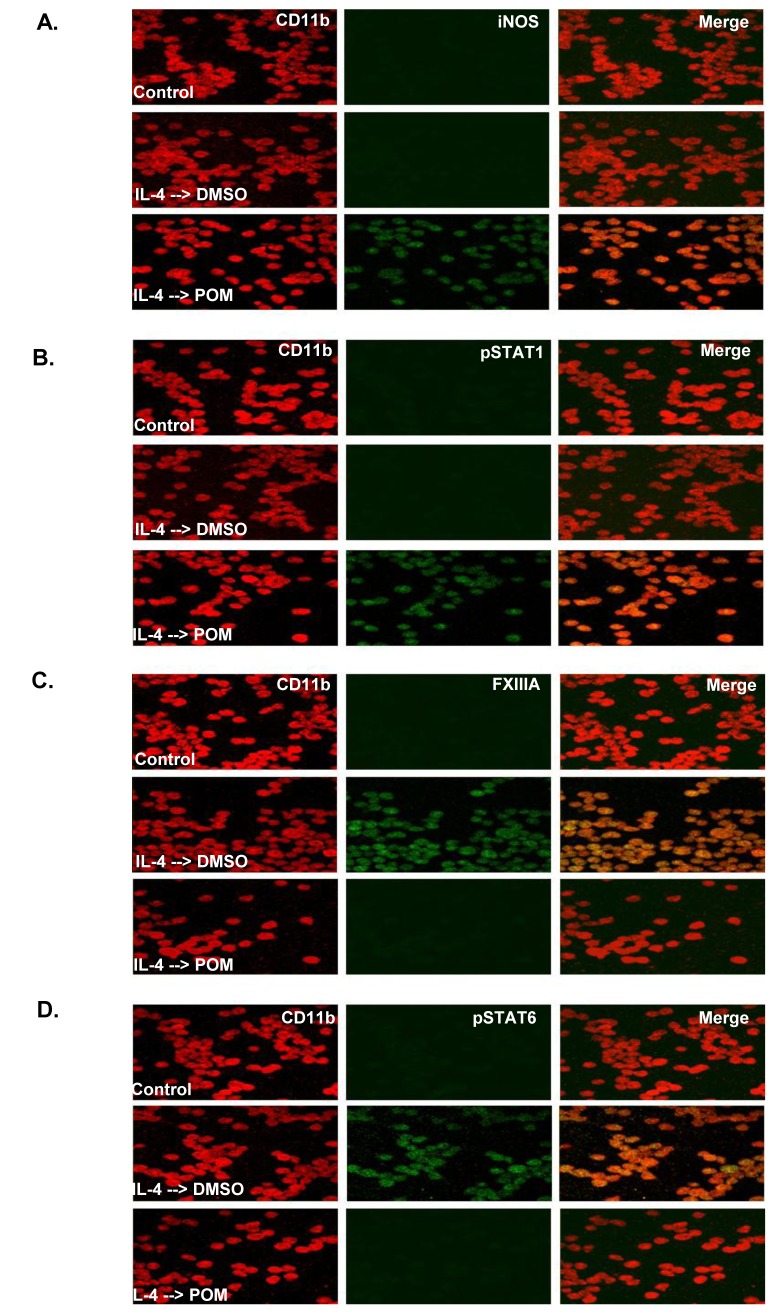
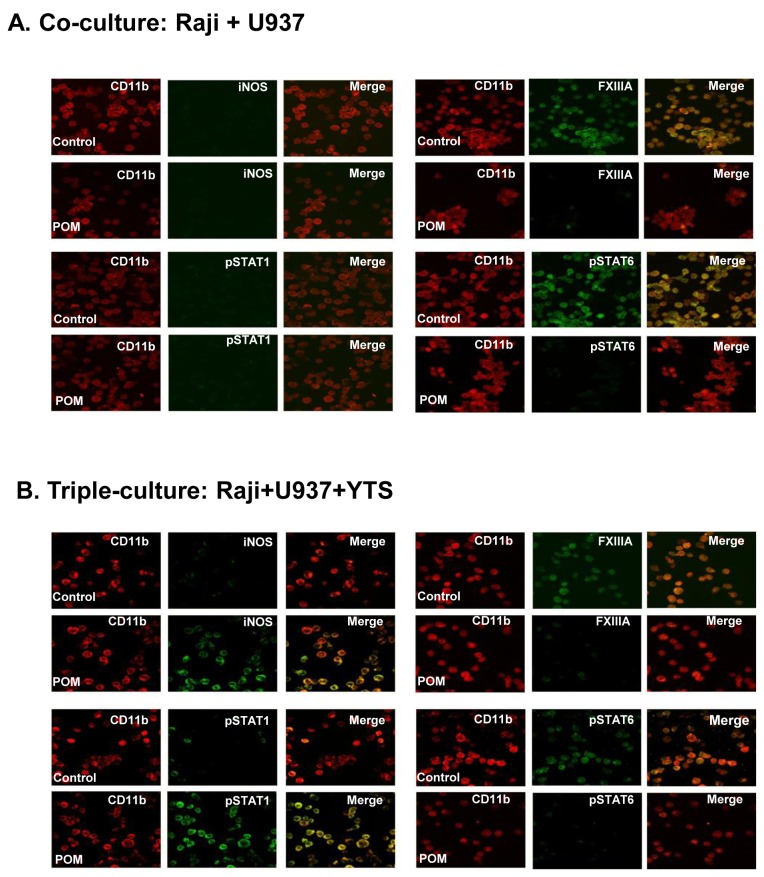
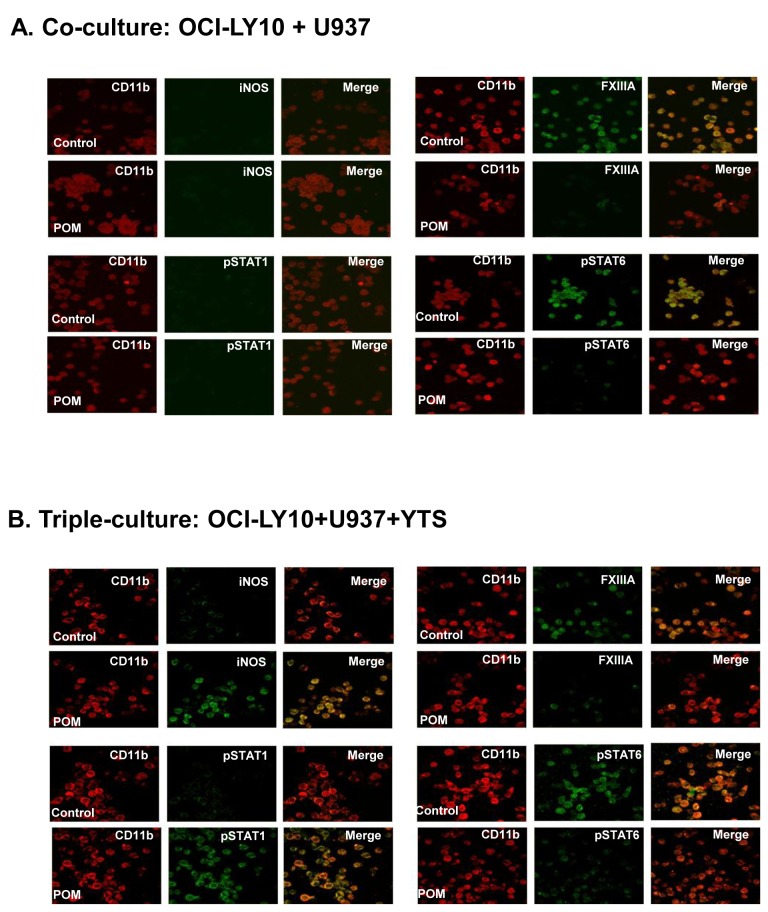
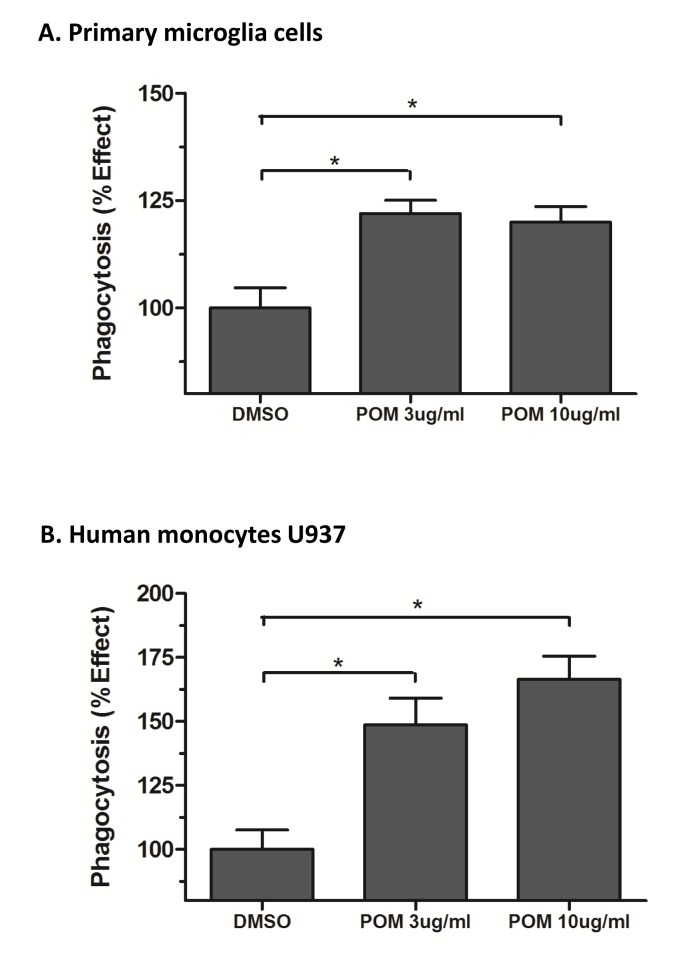
Primary CNS lymphoma carries a poor prognosis. Novel therapeutic agents are urgently needed. Pomalidomide (POM) is a novel immunomodulatory drug with anti-lymphoma activity. CNS pharmacokinetic analysis was performed in rats to assess the CNS penetration of POM. Preclinical evaluation of POM was performed in two murine models to assess its therapeutic activity against CNS lymphoma. The impact of POM on the CNS lymphoma immune microenvironment was evaluated by immunohistochemistry and immunofluorescence. In vitro cell culture experiments were carried out to further investigate the impact of POM on the biology of macrophages. POM crosses the blood brain barrier with CNS penetration of ~ 39%. Preclinical evaluations showed that it had significant therapeutic activity against CNS lymphoma with significant reduction in tumor growth rate and prolongation of survival, that it had a major impact on the tumor microenvironment with an increase in macrophages and natural killer cells, and that it decreased M2-polarized tumor-associated macrophages and increased M1-polarized macrophages when macrophages were evaluated based on polarization status. In vitro studies using various macrophage models showed that POM converted the polarization status of IL4-stimulated macrophages from M2 to M1, that M2 to M1 conversion by POM in the polarization status of lymphoma-associated macrophages is dependent on the presence of NK cells, that POM induced M2 to M1 conversion in the polarization of macrophages by inactivating STAT6 signaling and activating STAT1 signaling, and that POM functionally increased the phagocytic activity of macrophages. Based on our findings, POM is a promising therapeutic agent for CNS lymphoma with excellent CNS penetration, significant preclinical therapeutic activity, and a major impact on the tumor microenvironment. It can induce significant biological changes in tumor-associated macrophages, which likely play a major role in its therapeutic activity against CNS lymphoma. POM should be further evaluated in clinical trials.
原发性中枢神经系统淋巴瘤预后较差。迫切需要新型治疗药物。泊马度胺(POM)是一种具有抗淋巴瘤活性的新型免疫调节药物。在大鼠中进行了中枢神经系统药代动力学分析,以评估POM的中枢神经系统穿透性。在两种小鼠模型中对POM进行了临床前评估,以评估其对中枢神经系统淋巴瘤的治疗活性。通过免疫组织化学和免疫荧光评估POM对中枢神经系统淋巴瘤免疫微环境的影响。进行了体外细胞培养实验,以进一步研究POM对巨噬细胞生物学的影响。POM可穿过血脑屏障,中枢神经系统穿透率约为39%。临床前评估表明,它对中枢神经系统淋巴瘤具有显著的治疗活性,肿瘤生长速率显著降低,生存期延长;它对肿瘤微环境有重大影响,巨噬细胞和自然杀伤细胞增加;当根据极化状态评估巨噬细胞时,它可减少M2极化的肿瘤相关巨噬细胞,增加M1极化的巨噬细胞。使用各种巨噬细胞模型的体外研究表明,POM可将IL4刺激的巨噬细胞的极化状态从M2转换为M1,POM在淋巴瘤相关巨噬细胞极化状态下使M2向M1的转换依赖于NK细胞的存在,POM通过使STAT6信号失活并激活STAT1信号诱导巨噬细胞极化从M2向M1转换,并且POM在功能上增加了巨噬细胞的吞噬活性。基于我们的研究结果,POM是一种有前景的中枢神经系统淋巴瘤治疗药物,具有出色的中枢神经系统穿透性、显著的临床前治疗活性以及对肿瘤微环境的重大影响。它可诱导肿瘤相关巨噬细胞发生显著的生物学变化,这可能在其对中枢神经系统淋巴瘤的治疗活性中起主要作用。POM应在临床试验中进一步评估。