Liu Jeff C, Egan Sean E, Zacksenhaus Eldad
Division of Cell and Molecular Biology, Toronto General Research Institute - University Health Network, Toronto, Canada.
Oncotarget. 2013 Aug;4(8):1317-28. doi: 10.18632/oncotarget.1170.
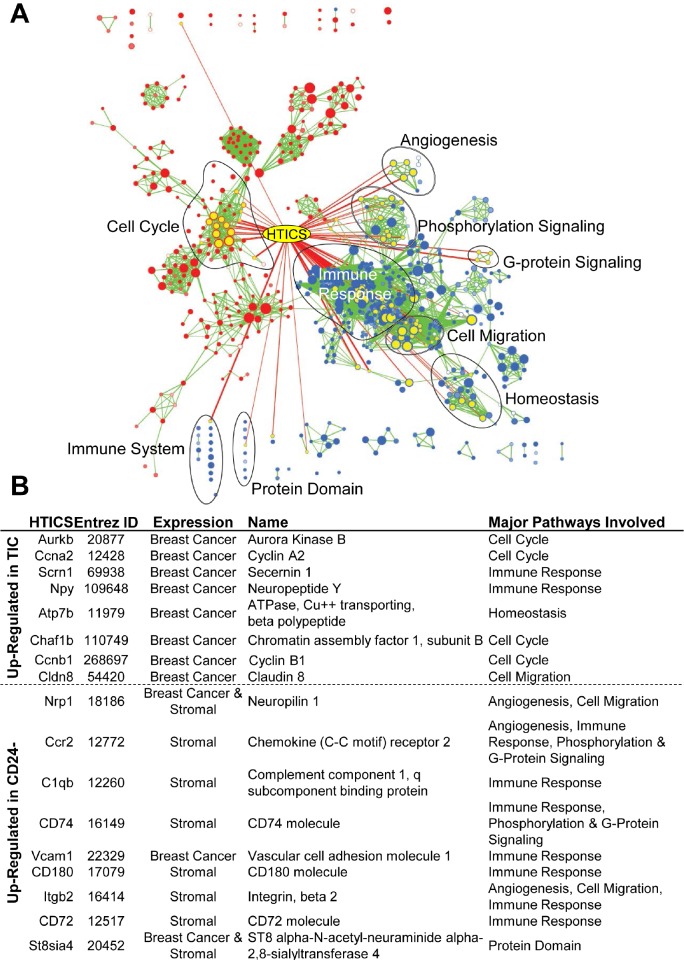
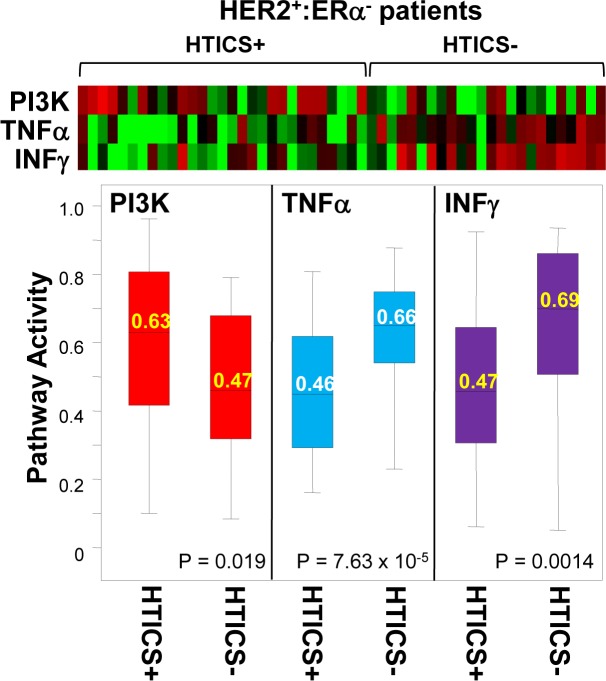
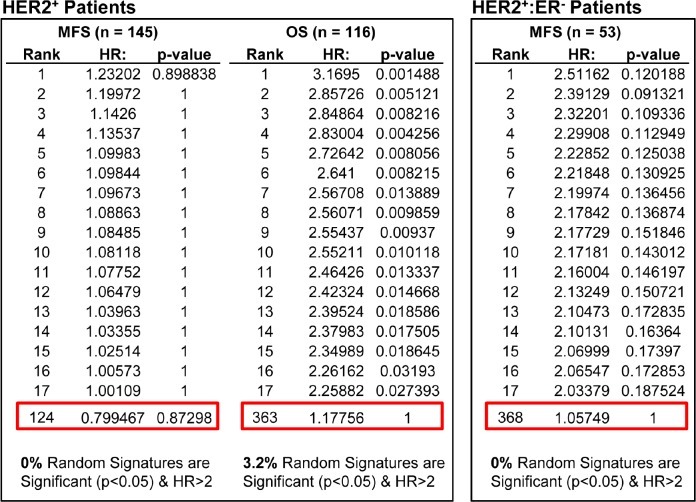
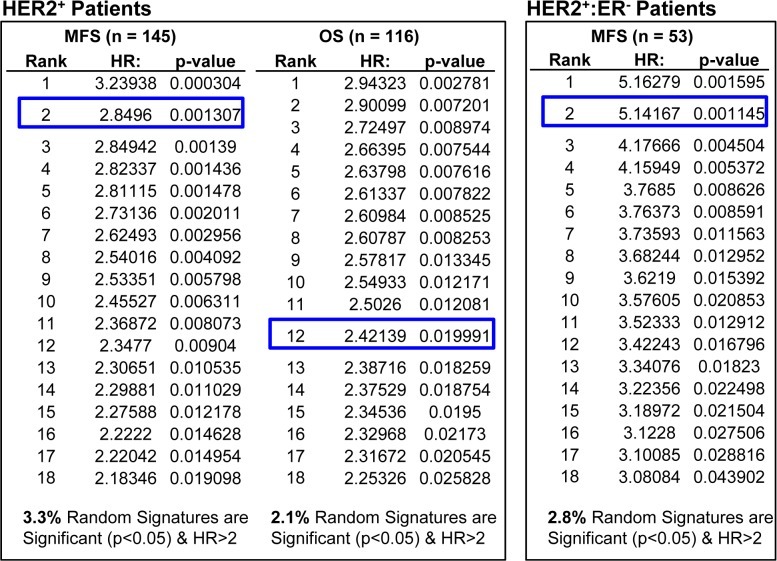
The high intra- and inter-tumor heterogeneity of many types of cancers, including breast cancer (BC), poses great challenge to development of subtype-specific prognosis. In BC, the classification of tumors as either ERα+ (Luminal A and Luminal B), HER2+ (ERα+ or ERα-) or triple-negative (TNBC)(Basal-like, claudin-low) guides both prognostication and therapy. Indeed, prognostic signatures for ERα+ BC are being incorporated into clinical use. However, these signatures distinguish between luminal A (low risk) and Luminal B (high risk) BC; signatures that identify low/high risk patients with luminal B BC are yet to be developed. Likewise, no signature is in clinical use for HER2+ or TNBC. The major obstacles to development of robust signatures stem from diversity of BC, clonal evolution and heterogeneity within each subtype. We have recently generated a prognostic signature for HER2+:ERα- BC based on the identification of genes that were differentially expressed in a tumor-initiating cell (TIC)-enriched fraction versus non-TIC fraction from a mouse model of HER2+ BC (MMTV-Hers/Neu). Here we describe the rationale behind development of this prognosticator, and present new features of the signature, including elevated PI3K pathway activity and low TNFalpha and IFNgamma signaling in high-risk tumors. In addition, we address controversies in the field such as whether random gene expression signatures significantly associate with cancer outcome. Finally, we suggest a guideline for development of prognostic signatures and discuss future directions.
包括乳腺癌(BC)在内的许多类型癌症的肿瘤内和肿瘤间高度异质性,对亚型特异性预后的发展构成了巨大挑战。在乳腺癌中,将肿瘤分类为雌激素受体α阳性(管腔A型和管腔B型)、人表皮生长因子受体2阳性(雌激素受体α阳性或雌激素受体α阴性)或三阴性(TNBC)(基底样、claudin低表达型)可指导预后评估和治疗。事实上,雌激素受体α阳性乳腺癌的预后特征已被纳入临床应用。然而,这些特征区分了管腔A型(低风险)和管腔B型(高风险)乳腺癌;尚未开发出能够识别管腔B型乳腺癌低/高风险患者的特征。同样,也没有针对人表皮生长因子受体2阳性或三阴性乳腺癌的特征应用于临床。开发可靠特征的主要障碍源于乳腺癌的多样性、克隆进化以及各亚型内的异质性。我们最近基于在人表皮生长因子受体2阳性乳腺癌(MMTV-Hers/Neu)小鼠模型的肿瘤起始细胞(TIC)富集部分与非TIC部分中差异表达的基因,生成了人表皮生长因子受体2阳性:雌激素受体α阴性乳腺癌的预后特征。在此,我们描述了该预后指标开发背后的基本原理,并展示了该特征的新特点,包括高风险肿瘤中PI3K通路活性升高以及肿瘤坏死因子α和干扰素γ信号传导降低。此外,我们还探讨了该领域的争议问题,如随机基因表达特征是否与癌症预后显著相关。最后,我们提出了预后特征开发的指导原则并讨论了未来方向。