Pillai Ajith Rajasekharan, Gangadharan Anil, Gangadharan Jithin, Kumar Nallasamy Vijaya
Department of Orthodontics, Azeezia College of Dental Sciences, Meeyannoor, P.O. Kollam, Kerala, India.
J Pharm Bioallied Sci. 2013 Jun;5(Suppl 1):S1-4. doi: 10.4103/0975-7406.113279.
The purpose of the study is to determine whether the nickel released from the stainless steel brackets have any cytotoxic effects on gingival fibroblast.
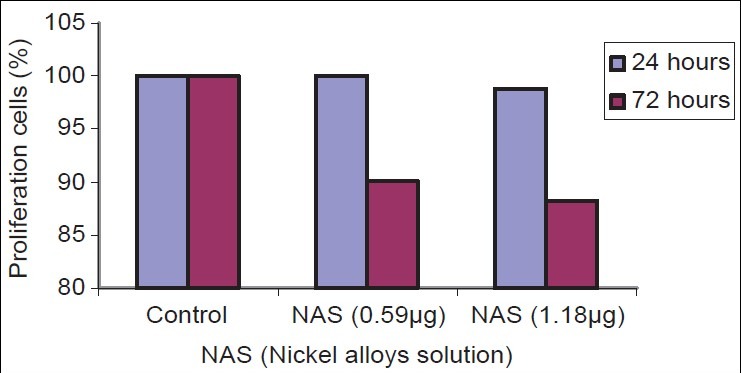
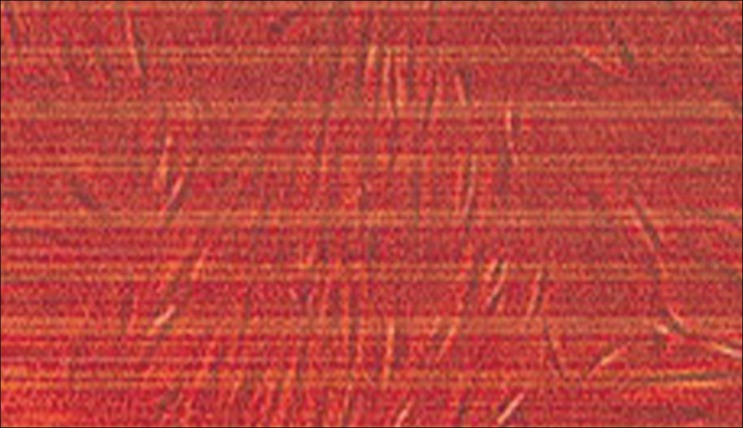
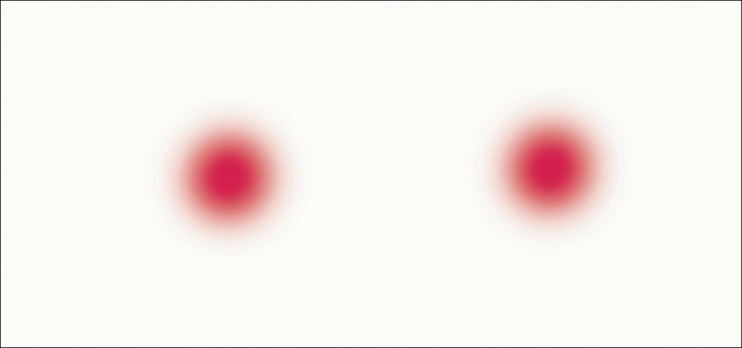
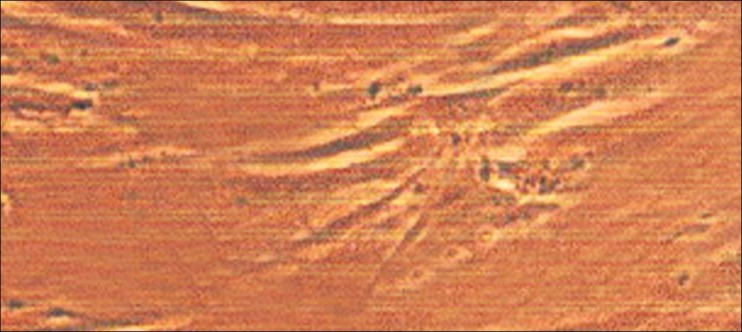
Brackets are an important component of fixed orthodontics. Orthodontists are mainly concerned about the brands and various systems incorporated into the brackets. The manufactures claim bracket superiority without valid research. Since we are dealing with a biologic system factors like biocompatibility, cytotoxic potential should be taken into consideration before selecting an appliance to the patient. The cytotoxic activity of the media was investigated with MTT and comet assay.
The results of the study show that the amount of nickel leached is capable of bringing damage to the fibroblast.
Our study concludes that nickel solution at minimal concentration of 1.18 μg could damage human gingival fibroblast and the nickel released from the different brands of the brackets are not uniform.
本研究的目的是确定不锈钢托槽释放的镍是否对牙龈成纤维细胞有任何细胞毒性作用。
托槽是固定正畸的重要组成部分。正畸医生主要关注托槽中所包含的品牌和各种系统。制造商在没有有效研究的情况下宣称托槽具有优越性。由于我们处理的是生物系统,在为患者选择矫治器之前,应考虑生物相容性等因素以及细胞毒性潜力。通过MTT法和彗星试验研究培养基的细胞毒性活性。
研究结果表明,浸出的镍量能够对成纤维细胞造成损害。
我们的研究得出结论,最低浓度为1.18μg的镍溶液可损害人牙龈成纤维细胞,并且不同品牌托槽释放的镍并不一致。